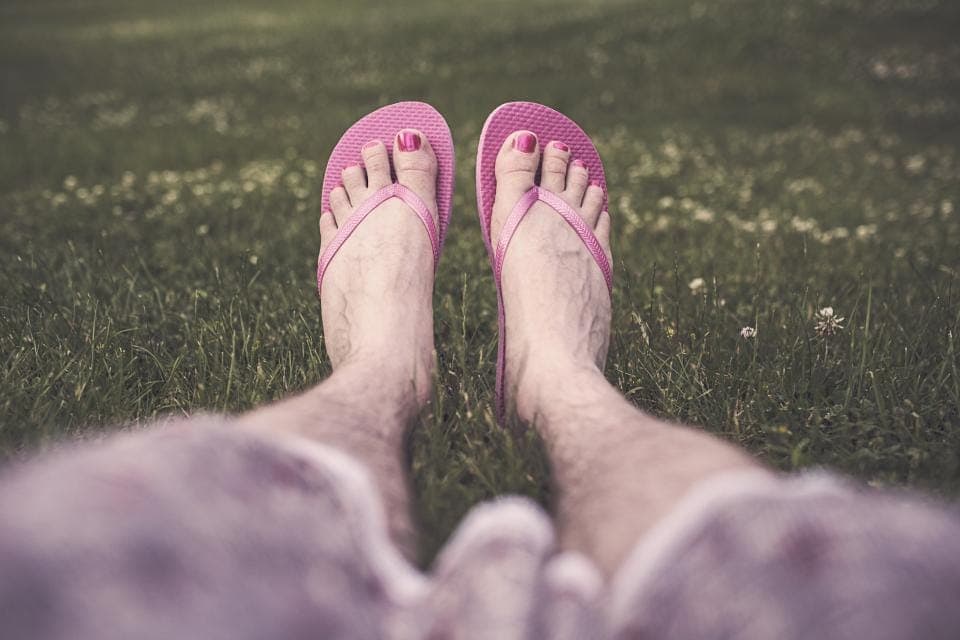
Barefoot vs Birkenstock
Barefoot shoes vs Birkenstock
Contoured cork versus a flat footbed — opposite answers to the same question, plus the one Birkenstock that qualifies.
By Brijon M. · Updated October 2026
Top pick: Xero Shoes Z-Trail EV
Everyday
The pair that lives by your door matters more than the pair you run in twice a week.
By Brijon M. · Updated October 2026

For everyday wear, prioritize toe-box width, a flexible sole and enough stack height to survive concrete. The Vivobarefoot Primus Lite III is the thinnest shoe that still works all day; the Xero Shoes Prio is the safer first buy; WHITIN and Saguaro cover the same ground on a budget.
Barefoot vs Birkenstock
Contoured cork versus a flat footbed — opposite answers to the same question, plus the one Birkenstock that qualifies.
By Brijon M. · Updated October 2026
Top pick: Xero Shoes Z-Trail EV
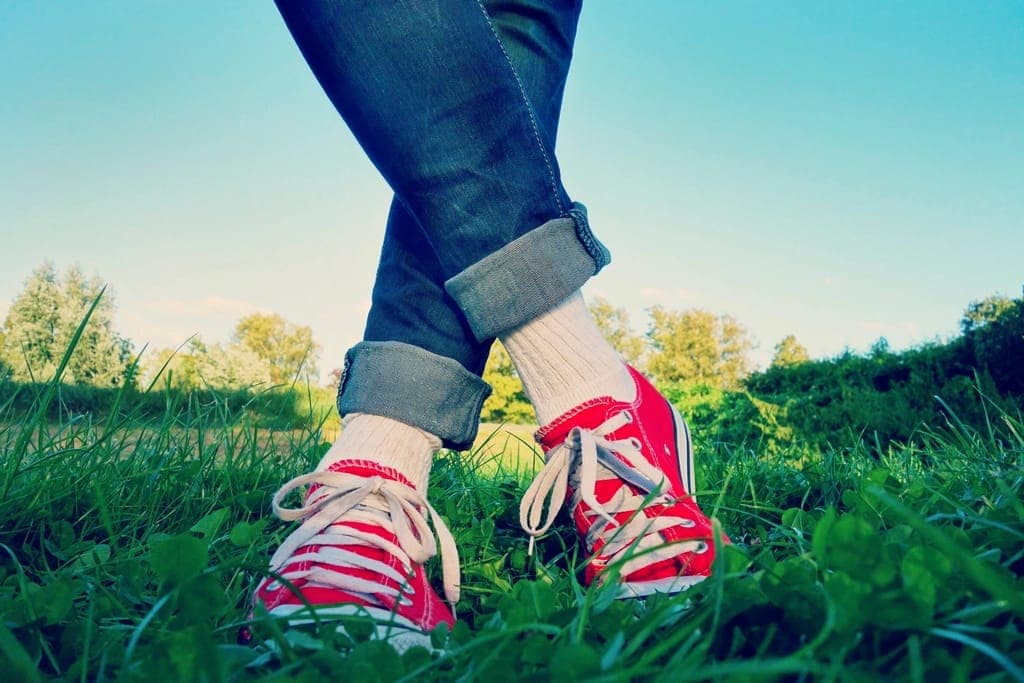
Barefoot vs Converse
Chucks pass one and a half of the three barefoot tests. Where they genuinely work, and the look-alike that passes all three.
By Brijon M. · Updated October 2026
Top pick: Vivobarefoot Geo Court

Barefoot vs Regular Shoes
Four design differences, what each changes, and an honest account of the costs — plus why you need not reverse all four.
By Brijon M. · Updated October 2026
Top pick: Altra Lone Peak 9

Best Budget
Five budget picks that are genuinely wide and flat, differentiated by volume — plus exactly which corners each cuts.
By Brijon M. · Updated October 2026
Top pick: Saguaro Chaser (Smart II / Vitality III)

Best Dress-Adjacent
A small, expensive market. What passes in a smart-casual office, what does not pass with tailoring, and the realistic workaround.
By Brijon M. · Updated October 2026
Top pick: Vivobarefoot Geo Court

Best Sandals
Six sandals from 7 mm to 14 mm, compared on sole, weight, traction and straps — plus the toe-post question.
By Brijon M. · Updated October 2026
Top pick: Xero Shoes Z-Trail EV
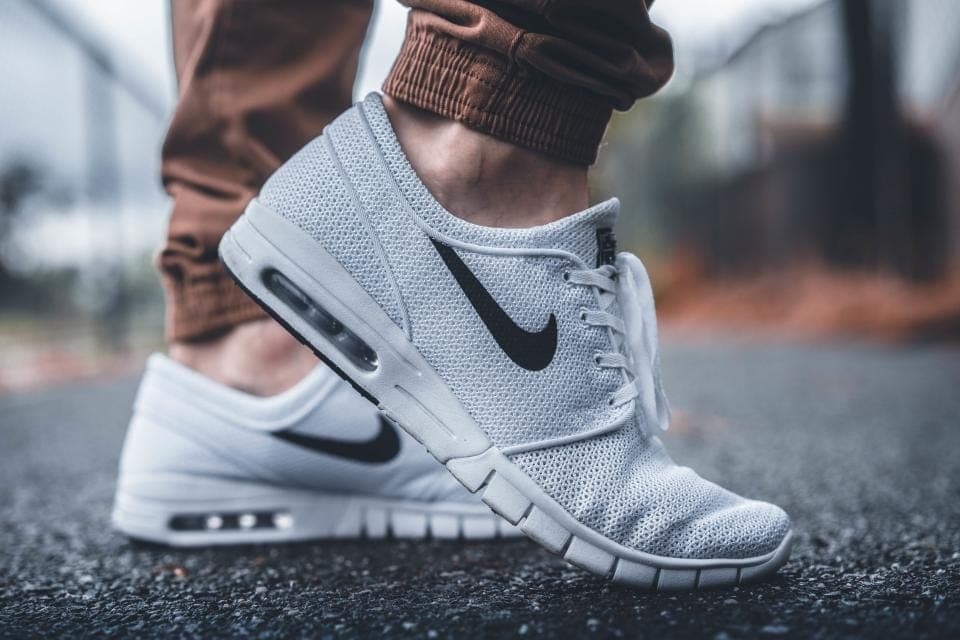
Best for Everyday Use
Six shoes chosen for ten-hour days on hard surfaces — where stack height matters more than ground feel.
By Brijon M. · Updated October 2026
Top pick: Xero Shoes Prio
Best for Men
Seven men's-sizing picks across everyday, trail, gym and boots, ranked on versatility with published specs throughout.
By Brijon M. · Updated October 2026
Top pick: Xero Shoes Prio

Best for Walking
The best use for these shoes and the safest route to adaptation. Six picks matched to surface, from park paths to concrete.
By Brijon M. · Updated October 2026
Top pick: Xero Shoes Prio

Best for Women
Seven women's-sizing picks, plus the heel-slip fix and the honest state of the smart-casual market.
By Brijon M. · Updated October 2026
Top pick: Xero Shoes Prio

Best Sneakers
Six foot-shaped sneakers ranked on how ordinary they look — plus the narrow-toe trap in this particular search.
By Brijon M. · Updated October 2026
Top pick: Vivobarefoot Geo Court
Best Winter Boots
Thin soles conduct cold. The five warmest zero-drop boots, plus why waterproof is not the same as warm.
By Brijon M. · Updated October 2026
Top pick: HOBIBEAR Warm Wide Toe Box Barefoot Boots

Best Overall
Eight shoes from 4 mm to 25 mm underfoot, ranked on how many jobs each does well, with honest cons throughout.
By Brijon M. · Updated October 2026
Top pick: Xero Shoes Prio

Yes — the best benefit-to-risk ratio in the category. Plus the surface table that decides which stack height you need.
By Brijon M. · Updated October 2026
Top pick: Xero Shoes Prio

Yes, once adapted. Three caveats — the ramp-up, hard surfaces, winter — and the one job the category does badly.
By Brijon M. · Updated October 2026
Top pick: Xero Shoes Prio

Thin soles wear faster. Why resolable is the only real long-term answer, and six things that extend any pair's life.
By Brijon M. · Updated October 2026
Top pick: Softstar Megagrip Primal RunAmoc
#ad — brand-direct link, we earn nothing on it. Why we still list it
Everyday is the category that decides whether you stick with this. A running shoe gets worn for forty minutes, three times a week. The shoe by your front door gets worn for ten hours, and if it is uncomfortable on concrete or embarrassing in an office, it quietly goes back in the box.
So the trade-offs here are different from the ones in a running roundup. Ground feel matters less. Toe-box width matters more, because you are in the shoe long enough for a cramped little toe to become a real problem. And stack height — the thing barefoot purists treat as a vice — is genuinely useful when your day involves pavement rather than grass.
The spread in this category is wider than people expect. The Vivobarefoot Primus Lite III runs about 2 mm of sole plus 2 mm of tread. The Xero Shoes Scrambler Low is 11.5 mm including 4 mm of foam. Both are zero drop. Both are flexible. They are not remotely the same experience on a city pavement.
Our general read: if you are new to this, or if you stand and walk on hard surfaces most of the day, start at the thicker end. The adaptation you are after — stronger feet, more toe splay, a less heel-driven gait — comes from the flat platform and the wide toe box, not from feeling every pebble. You can go thinner later, and several shoes here make that easy with a removable insole, which effectively gives you two shoes in one pair.
This category is full of shoes that are flat but not wide, or wide but not flexible. A useful three-part test before you buy anything: can you bend the shoe to roughly 90 degrees with one hand; can you twist the forefoot; and is the widest point of the shoe at the widest point of your foot rather than ahead of it. A shoe that fails any of those is a fashion-minimalist shoe, whatever the listing says.
If you are not sure whether you want a barefoot shoe or just a zero-drop one, our barefoot vs zero-drop guide is the page that sorts it out — they are conflated constantly and the difference determines which half of this site you should be reading.
And before you buy anything: get your size from the sizing guide. Barefoot brands size from internal length, and the single most common reason a good shoe gets returned is that it was bought at the buyer's usual size.
Yes, once you have adapted to them — that is what they are for. The caveat is the ramp-up: going from cushioned shoes to all-day minimal wear in one step is the main cause of calf and foot pain in new switchers. Build up gradually, and see this page for the detail.
They work, but stack height matters far more on concrete than on grass or trail. A 4 mm shoe that is pleasant on a woodland path is punishing on a day of city walking until your feet have adapted. If pavement is most of your walking, start nearer 10 mm.
Less long than conventional shoes, generally, because there is less material and the sole is thinner. Budget marketplace brands are the shortest-lived. Resolable options from Softstar and Jim Green are the long-term play — see most durable barefoot shoes.
They can, because thin, unlined uppers sit closer to your foot and many people wear them without socks. Washable knit uppers, rotating two pairs, and drying them properly between wears handle most of it.
Accessed October 2026. Where a source is a manufacturer, the specification is theirs as published — we have not measured it.