
Best Kids' Shoes
Best barefoot shoes for kids (October 2026)
Four kids' shoes ranked on cost per month of wear, with the fit check that matters more than the shoe you choose.
By Brijon M. · Updated October 2026
Top pick: Xero Shoes Prio (Kids)
Kids
The one group where the evidence is clearest and the shoe market cares least.
By Brijon M. · Updated October 2026
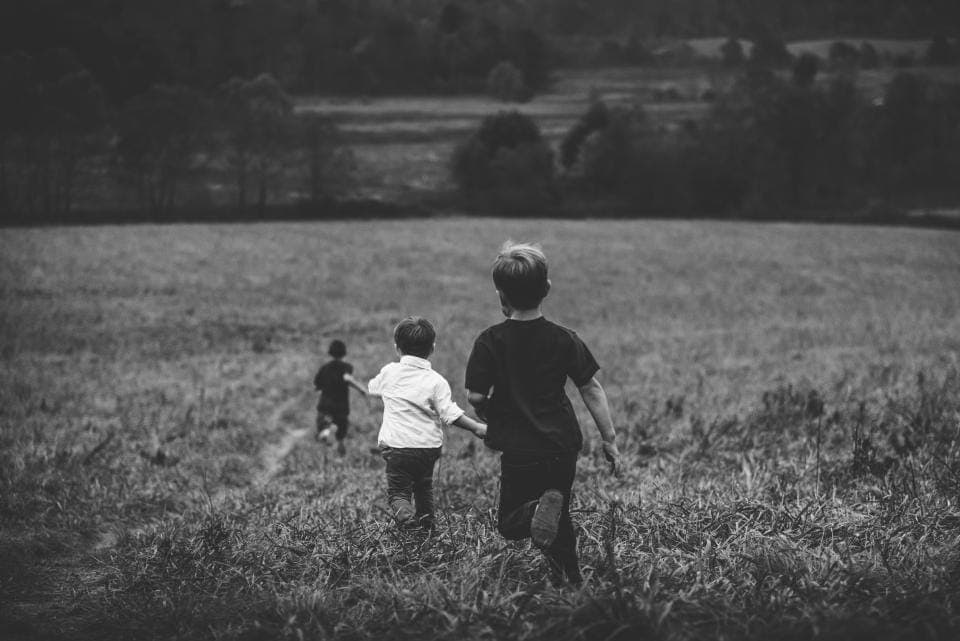
A randomized trial of minimalist school shoes in primary-school children found improved intrinsic foot muscle size, strength and arch integrity. For kids the practical priorities are a wide toe box, a flexible sole, and a price that tolerates outgrowing them in four months.
Best Kids' Shoes
Four kids' shoes ranked on cost per month of wear, with the fit check that matters more than the shoe you choose.
By Brijon M. · Updated October 2026
Top pick: Xero Shoes Prio (Kids)
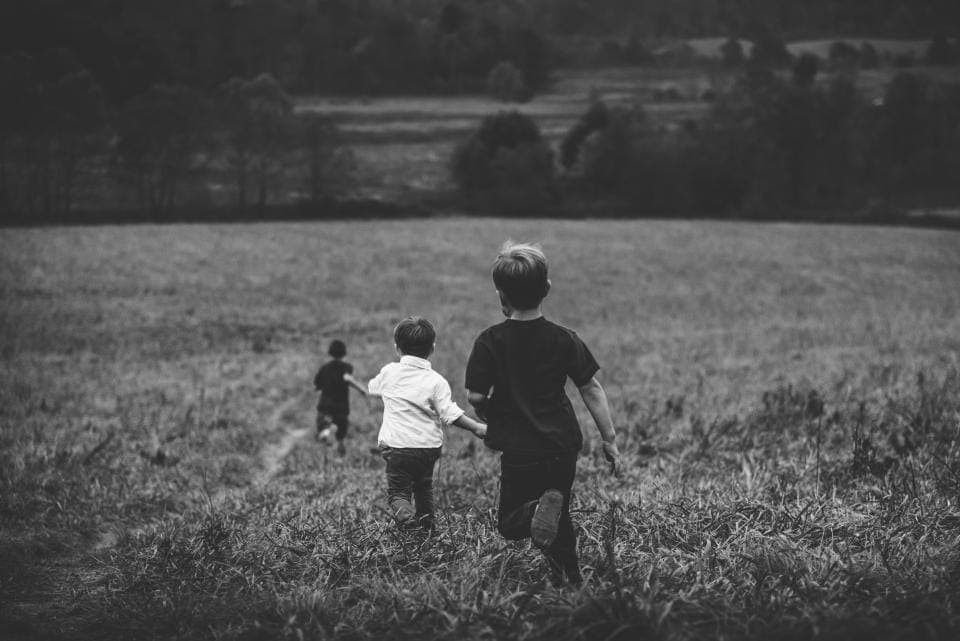
Best for Toddlers
Three toddler shoes that exist in genuinely small sizes, and the free advice that beats all three indoors.
By Brijon M. · Updated October 2026
Top pick: HOBIBEAR Kids Barefoot Shoes

Where the evidence for children actually sits, which claims are overstated, and the free thing that matters more than any shoe.
By Brijon M. · Updated October 2026
Children's footwear is the part of this category where the research is most encouraging and the mainstream market is most frustrating. A toddler's foot is almost pure cartilage and fat pad, with a forefoot wider relative to its length than an adult's. Then we put them in shoes modeled on adult proportions, with a tapered toe and a stiff sole.
A randomized controlled trial of minimalist school shoes in primary-school students reported improved intrinsic foot muscle size, strength and arch integrity. Another randomized trial in children aged 9 to 12 found increased cross-sectional area of the abductor hallucis and flexor digitorum brevis and increased toe strength in the minimalist group relative to control — though a separate trial in the same age range found the increases moderate and not statistically significant. That is a reasonably consistent picture for a field this size, and it is more direct evidence than most adult claims rest on.
Young children do not reliably report that a shoe is too small. They adapt — curling their toes, changing how they walk — and the shoe keeps going on, so nothing looks wrong. Check length with your thumb roughly every six to eight weeks for under-threes and every couple of months after that.
The cheap, reliable method: stand the child on a sheet of paper, trace around both feet, and keep the tracings dated. You will see growth before the shoes become a problem, and you can compare the tracing against a brand's published internal length instead of guessing a size. The method is the same one we recommend for adults in how to measure your feet.
For pre-walkers, the simplest honest advice is the least commercial: indoors, barefoot is ideal. Shoes are for protection outdoors, not for support. When you do need them, a soft, wide, flexible shoe is closest to no shoe at all, which is the point.
The evidence is more direct here than for adults. A randomized trial of minimalist school shoes in primary-school children reported improved intrinsic foot muscle size, strength and arch integrity, and a second trial found increased muscle cross-sectional area and toe strength. Detail and citations here.
As soon as they need shoes at all. For pre-walkers and indoors, barefoot is ideal and a soft wide shoe is the next best thing. There is no adaptation period to worry about the way there is for an adult coming out of decades of heeled shoes.
About a thumb's width beyond the longest toe is the conventional guide. Much more than that and the child trips over the extra length; less and you will be re-buying within weeks.
Most young children have flat-looking feet and the arch usually develops on its own. A flat-looking toddler foot is not automatically a problem. If something specifically concerns you — pain, a limp, asymmetry — ask a paediatrician or podiatrist rather than buying corrective footwear.
Accessed October 2026. Where a source is a manufacturer, the specification is theirs as published — we have not measured it.