Best Zero-Drop
The best zero-drop shoes (October 2026)
Seven shoes that share one spec and almost nothing else, from a 4 mm sole to 25 mm of foam.
By Brijon M. · Updated October 2026
The Xero Shoes Prio is the best zero-drop shoe for most people, at 7 to 8 mm underfoot. If you want zero drop without a thin sole, the Altra Lone Peak 9 gives you the same flat platform with 25 mm of cushioning — which is the choice this page exists to explain.
How this page is funded: some links here are Amazon affiliate links, so we may earn a commission if you buy — at no extra cost to you. It never changes which products we include or how we rank them, and we take no payment from brands for placement. Full disclosure.
Quick picks
Tap any row to jump to the full write-up. Selection is specification-led, not wear-tested — how we choose.
| # | Product | Best for | Price |
|---|---|---|---|
| 1 | 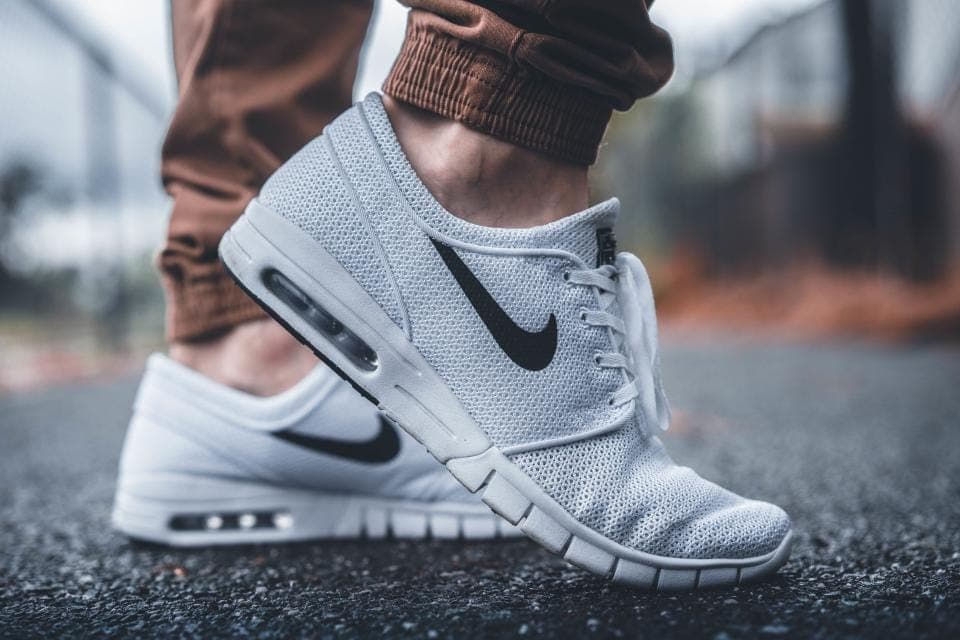 Best overallXero Shoes PrioThe closest thing to a default first barefoot shoe: genuinely wide, genuinely flexible, and cheap enough that a failed experiment does not hurt. | Zero drop, thin, and not expensive | |
| 2 |  Best cushionedAltra Lone Peak 9Zero drop with 25 mm of cushioning underneath. Not a barefoot shoe and not pretending to be - it is the zero-drop shoe you hike 2,000 miles in. | Zero drop with 25 mm of foam | |
| 3 |  Best road trainerTopo Athletic ST-5A zero-drop road shoe from a brand that builds anatomically wide toe boxes without the barefoot ideology - a soft landing for skeptics. | Zero drop for pavement mileage | |
| 4 |  Best for wide feetLems Primal ZenLems builds one of the roomiest everyday lasts in the category - if other barefoot shoes still feel tight across the toes, start here. | The widest zero-drop last here | |
| 5 |  ThinnestVivobarefoot Primus Lite IIIA 2 mm sole with 2 mm of tread at 7.9 oz. About as close to barefoot as a closed shoe gets, and the yardstick everything else is measured against. | 4 mm total, once adapted | |
| 6 |  Best first pairXero Shoes Scrambler LowAn 11.5 mm stack with 4 mm of foam and a removable 3.5 mm insole - the most forgiving zero-drop shoe here, and the one we would hand a nervous switcher. | 11.5 mm and a removable insole | |
| 7 |  Best budgetSaguaro Chaser (Smart II / Vitality III)The roomiest of the budget marketplace brands - more space around the ankle and over the toes than WHITIN, which is the difference that matters if you have a thick foot. | Finding out cheaply |
#ad Prices come from the retailer and change; we never publish a figure we have not verified live. Affiliate disclosure.
Every shoe on this page measures 0 mm from heel to forefoot. That is the only thing they have in common. The thinnest has about 4 mm of material underfoot and the thickest has 25 mm, and if you pick between them on the drop figure alone you will almost certainly pick wrong.
Zero drop is a property, not a category. It describes the angle your foot sits at, nothing else — not the width, not the thickness, not the flexibility. A barefoot shoe is always zero drop; a zero-drop shoe is not always a barefoot shoe. The full distinction is here, and it is the single most useful thing to understand before you buy.
So this list is organized by the thing that actually varies: how much shoe is between you and the ground.
How we chose
The criteria, applied in this order:
- Measured zero drop, verified against published specifications at both the heel and the forefoot rather than taken from marketing copy.
- A deliberate spread of stack height, from roughly 4 mm to 25 mm, so there is an honest option whatever stage you are at.
- Toe-box width, judged from the published fit assessments cited below — because a flat shoe that crushes your toes has solved the wrong problem.
- Sole flexibility, which is where the cushioned zero-drop shoes and the barefoot shoes genuinely part company.
- Currently sold in the US, verified at build time.
- A real option at every price band, since the cheapest way to find out whether zero drop suits you should not be expensive.
The stack-height ladder
This is the table to read first. Pick the row that matches where you are now, not where you would like to be in a year.
Why cushioned zero drop is a legitimate answer
There is a tendency in this corner of the internet to treat the Altra Lone Peak as a compromise. It is not. It is a different tool.
Zero drop does one specific thing: it stops your heel sitting above your forefoot, which changes where load enters the leg and lets the foot work closer to its natural angle. You get that from 25 mm of foam exactly as you get it from 4 mm of rubber. What you do not get from the foam is ground feel or the flexibility the foot-strengthening evidence is built on.
So if your reason for being here is toe room and a flat platform — a very common reason — a cushioned zero-drop shoe may be the whole answer, and you can skip the transition almost entirely. If your reason is ground feel or foot strength, it is not, and the thin end of this list is where you belong. The Lone Peak is also the standard reference shoe on long-distance hiking trails, which makes sizing advice for it unusually reliable.
What to buy if you only buy one pair
The Xero Shoes Prio, in the overwhelming majority of cases. It is genuinely wide, it rolls flat in the hand, the 2 mm insole comes out when you want to go thinner, and it costs little enough that being wrong about the whole category is survivable. That combination is why it also leads the main barefoot shoe roundup.
If you have a wide or square foot that other shoes pinch, start at the Lems Primal Zen instead — it is the widest and tallest toe box here. If you are coming straight out of 10 mm trainers and nervous about it, start at the Scrambler Low and work down. More on choosing by stage.
Before you order: fit and transition
Two things matter more than which shoe on this page you pick, and both are free.
Get the size right. Barefoot brands size from internal length rather than from a conventional size label, and you need roughly 10 to 15 mm beyond your longest toe — more than a normal fitting leaves. Measure your feet, then use the sizing guide and the cross-brand table. Sizing up to get a wider shoe does not work: lasts scale in length, so you get heel slip and toes sitting behind the widest part of the shoe.
Build up slowly. The documented risk in this category is bone stress injury from a rushed transition — in one MRI study of 36 runners, 10 of the 19 who spent 10 weeks moving into minimal shoes developed new bone-marrow edema, mostly without symptoms. Keep your current shoes, add minimal-shoe hours gradually, and judge by how your feet feel the next morning. The transition plan.
The picks in detail
Seven zero-drop shoes ranked on how many jobs each does well, with published specs, honest cons and a 'skip these if' on every one.
1. Best overall
Xero Shoes Prio
The closest thing to a default first barefoot shoe: genuinely wide, genuinely flexible, and cheap enough that a failed experiment does not hurt.
What works
- Removable 2 mm insole, so you can go thinner as your feet adapt
- Wide enough for most square and plateau foot shapes
- Flexes and rolls flat, which is the quickest way to spot a fake minimalist shoe
What does not
- The lacing panel can pressure a high instep
- Thin heel padding is noticeable on hard floors for the first week
Skip these if: You have a high-volume foot and dislike lace pressure across the top, or you need any cushioning at all on day one.
Specifications as published by the maker and reported by Xero Shoes Prio listing specifications. We have not measured them ourselves. Xero Shoes fit profile
2. Best cushioned
Altra Lone Peak 9
Zero drop with 25 mm of cushioning underneath. Not a barefoot shoe and not pretending to be - it is the zero-drop shoe you hike 2,000 miles in.
What works
- Zero drop with real cushioning - the combination almost nobody else offers
- The de facto standard on long-distance hiking trails
- Genuinely wide forefoot in standard width
What does not
- 25 mm of foam means essentially no ground feel
- Outsoles are known to wear out faster than the uppers
Skip these if: You want ground feel or foot strengthening. This shoe gives you neither - it gives you zero drop and comfort.
Specifications as published by the maker and reported by BikeHikeSafari, best barefoot shoes 2026 stated specifications. We have not measured them ourselves. Altra fit profile
3. Best road trainer
Topo Athletic ST-5
A zero-drop road shoe from a brand that builds anatomically wide toe boxes without the barefoot ideology - a soft landing for skeptics.
What works
- Wide toe box with a conventional running-shoe heel fit
- Enough midsole to run road mileage immediately
- Measured and scored in RunRepeat's lab catalog
What does not
- More shoe than most barefoot buyers want
- Narrower size range than the big running brands
Skip these if: You want ground feel. This is a running shoe that happens to be flat.
Specifications as published by the maker and reported by RunRepeat barefoot running shoes catalog. We have not measured them ourselves. All brand fit profiles
4. Best for wide feet
Lems Primal Zen
Lems builds one of the roomiest everyday lasts in the category - if other barefoot shoes still feel tight across the toes, start here.
What works
- Among the widest forefoot shapes available off the shelf
- High enough toe box for a tall big toe or a hammer toe
- Flexes flat and packs small
What does not
- The width that makes it work looks bulbous to some people
- Heel can be loose on a narrow heel
Skip these if: You have a narrow foot - all that room becomes heel slip and a sloppy fit.
Specifications as published by the maker and reported by Lems Shoes product listing, Primal Zen. We have not measured them ourselves. Lems Shoes fit profile
5. Thinnest
Vivobarefoot Primus Lite III
A 2 mm sole with 2 mm of tread at 7.9 oz. About as close to barefoot as a closed shoe gets, and the yardstick everything else is measured against.
What works
- The thinnest sole here that still works as an everyday shoe
- Genuinely wide forefoot with a rounded, foot-shaped last
- Ships with access to the brand's own barefoot fundamentals course
What does not
- 4 mm total underfoot is brutal on concrete until your feet adapt
- Low volume through the midfoot - not for a high instep
- The most expensive shoe in most of our roundups
Skip these if: You are transitioning, you have a high-volume foot, or you stand on concrete all day. All three are real reasons to start thicker.
Specifications as published by the maker and reported by Outdoor Life, best barefoot shoes 2026 stated specifications. We have not measured them ourselves. Vivobarefoot fit profile
6. Best first pair
Xero Shoes Scrambler Low
An 11.5 mm stack with 4 mm of foam and a removable 3.5 mm insole - the most forgiving zero-drop shoe here, and the one we would hand a nervous switcher.
What works
- The removable 3.5 mm insole gives you two shoes in one as your feet adapt
- Enough foam to survive a full day on concrete in week one
- Still flexes and still zero drop
What does not
- 11.5 mm is a lot of shoe if you came for ground feel
- Heavier than the rest of the line
Skip these if: You have already transitioned and want maximum ground feel - this will feel like a normal sneaker.
Specifications as published by the maker and reported by Outdoor Life, best barefoot shoes 2026 stated specifications. We have not measured them ourselves. Xero Shoes fit profile
7. Best budget
Saguaro Chaser (Smart II / Vitality III)
The roomiest of the budget marketplace brands - more space around the ankle and over the toes than WHITIN, which is the difference that matters if you have a thick foot.
What works
- More instep volume than WHITIN at the same price
- Whole-family sizing, including kids
- Very minimal sole for the money
What does not
- Thin, cheap outsole wears quickly on pavement
- Model naming changes between generations, so repeat purchases are a lottery
Skip these if: You have a low-volume or narrow foot - this will feel like a slipper.
Specifications as published by the maker and reported by Anya's Reviews, Saguaro barefoot shoes review. We have not measured them ourselves. Saguaro fit profile
Common questions
What is the best zero-drop shoe?
The Xero Shoes Prio for most people: 0 mm drop, 7 to 8 mm underfoot, a genuinely wide toe box, a removable insole and a price that makes the experiment cheap. If you want zero drop with cushioning instead, the Altra Lone Peak 9.
Are zero-drop shoes the same as barefoot shoes?
No. Barefoot shoes are always zero drop, but zero-drop shoes are not always barefoot — the Altra Lone Peak 9 is 0 mm drop with 25 mm of foam underneath. Barefoot adds a thin, flexible sole and a wide toe box to the flat platform.
Can you get zero-drop shoes with cushioning?
Yes, and they are a legitimate choice rather than a cop-out. Altra and Topo both build zero-drop shoes with conventional amounts of foam. You keep the flat platform and the wide toe box and give up ground feel and sole flexibility.
How long does it take to get used to zero drop?
Most people need 8 to 16 weeks of gradual build-up before all-day wear is comfortable, and the calves are what complain first. Starting at 11 mm of stack rather than 4 mm makes that period considerably easier.
Is zero drop better for your feet?
It is better aligned with how a foot works unshod, and the intrinsic foot muscle evidence is encouraging for thin flexible shoes specifically. But a rushed switch is a documented injury route, and nobody can tell you zero drop will fix a specific problem in your foot.
Sources
- Outdoor Life, best barefoot shoes 2026 — stated stack heights and weights
- RunRepeat barefoot running shoes catalog
- Ridge et al., foot bone marrow edema after 10-week transition to minimal footwear
- Effects of Minimalist Shoes on Plantar Intrinsic Foot Muscle Size and Strength: A Review
Accessed October 2026. Where a source is a manufacturer, the specification is theirs as published — we have not measured it.
Read next
Barefoot vs Zero Drop
Barefoot vs zero drop: which do you actually want?
Every barefoot shoe is zero drop; most zero-drop shoes are not barefoot. A side-by-side table and a pick for each answer.
By Brijon M. · Updated October 2026
Top pick: Vivobarefoot Primus Lite III
What is zero drop?
Drop is the height difference between a shoe's heel and forefoot. Zero drop means level — and says nothing about cushioning.
By Brijon M. · Updated October 2026
Top pick: Altra Lone Peak 9
Best Overall
The best barefoot shoes (October 2026)
Eight shoes from 4 mm to 25 mm underfoot, ranked on how many jobs each does well, with honest cons throughout.
By Brijon M. · Updated October 2026
Top pick: Xero Shoes Prio
Best Zero-Drop Running Shoes
Best zero-drop running shoes (October 2026)
Zero drop with real cushioning: six shoes that change the geometry without the thin-sole adaptation project.
By Brijon M. · Updated October 2026
Top pick: Topo Athletic ST-5
How to choose barefoot shoes
Five decisions in order: measure, stack height by stage, width and volume, the three-part test, then brand.
By Brijon M. · Updated October 2026
Top pick: Xero Shoes Scrambler Low
Best for Beginners
Best barefoot shoes for beginners (October 2026)
Your first pair should be thicker than your fifth. Six forgiving picks with removable insoles and real stack height.
By Brijon M. · Updated October 2026
Top pick: Xero Shoes Scrambler Low