Barefoot vs Regular Shoes
Barefoot shoes vs regular shoes
Four specific design differences, and what each one actually changes.
By Brijon M. · Updated October 2026
Regular shoes add heel elevation, cushioning, a tapered toe box and a stiff sole. Barefoot shoes remove all four. The gain is measured foot-strength adaptation and toe room; the cost is months of transition, less protection and a shoe that wears out faster.
How this page is funded: some links here are Amazon affiliate links, so we may earn a commission if you buy — at no extra cost to you. It never changes which products we include or how we rank them, and we take no payment from brands for placement. Full disclosure.

Quick picks
Tap any row to jump to the full write-up. Selection is specification-led, not wear-tested — how we choose.
| # | Product | Best for | Price |
|---|---|---|---|
| 1 |  Reverses two of fourAltra Lone Peak 9Zero drop with 25 mm of cushioning underneath. Not a barefoot shoe and not pretending to be - it is the zero-drop shoe you hike 2,000 miles in. | Flat and wide, cushioning kept | |
| 2 | 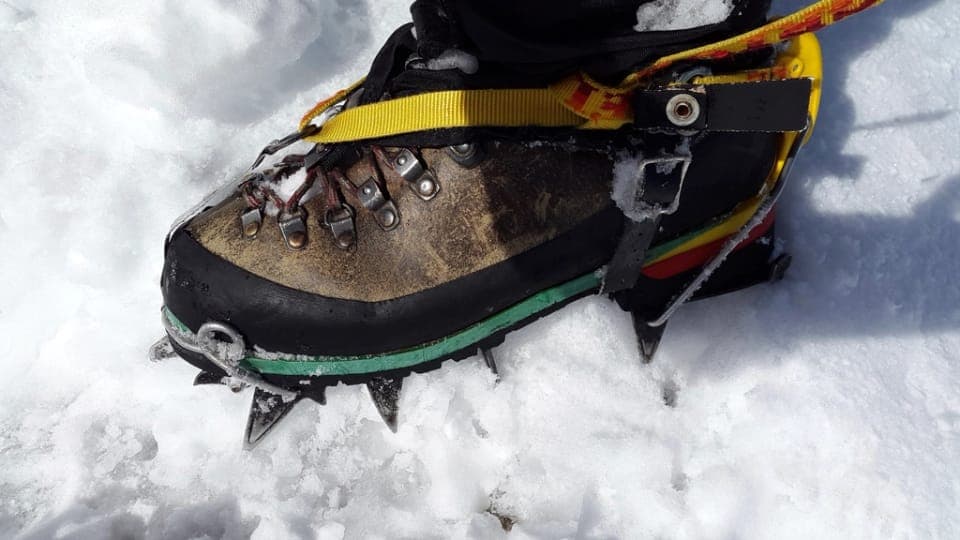 Reverses three of fourXero Shoes Scrambler LowAn 11.5 mm stack with 4 mm of foam and a removable 3.5 mm insole - the most forgiving zero-drop shoe here, and the one we would hand a nervous switcher. | Flat, wide, flexible, 11.5 mm | |
| 3 |  Reverses all fourXero Shoes PrioThe closest thing to a default first barefoot shoe: genuinely wide, genuinely flexible, and cheap enough that a failed experiment does not hurt. | The standard full-minimal shoe | |
| 4 |  The far endVivobarefoot Primus Lite IIIA 2 mm sole with 2 mm of tread at 7.9 oz. About as close to barefoot as a closed shoe gets, and the yardstick everything else is measured against. | About 4 mm total underfoot |
#ad Prices come from the retailer and change; we never publish a figure we have not verified live. Affiliate disclosure.
A regular shoe makes four design decisions. A barefoot shoe reverses all four. It is worth separating them, because you can keep some and reverse others — and most people's actual complaint is with two of the four rather than all of them.
What you gain
Measured foot strength. The best-evidenced outcome in the category: a review of minimalist-footwear studies found significant increases in foot muscle strength, volume and cross-sectional area, with strength gains across studies spanning roughly 9 to 57 percent and size increases of about 7 to 11 percent, measured by ultrasound.
Toe room, immediately. No adaptation period, no transition. If your complaint is cramped toes, a wide toe box fixes it the day the shoe arrives.
A level platform. Removing heel elevation stops the shoe pitching you forward. Cross-sectional research has associated elevated heels with hallux valgus and plantar calluses, so there is a plausible long-term case as well as a comfort one.
Ground feel. Genuinely useful on uneven terrain and under a loaded barbell. Largely irrelevant on a treadmill.
What you give up
We are going to be specific about this, because the enthusiastic version of this comparison usually is not.
- Months of transition, with real injury risk if rushed. In the 2013 Ridge MRI study, 10 of 19 runners transitioning into minimal shoes over 10 weeks developed new bone-marrow edema — most without symptoms.
- Protection. Sharp gravel, dropped objects and cold ground all become considerations. A building site requires a certified toe cap regardless of your views on footwear.
- Warmth. Thin soles conduct cold. January is when people quietly stop.
- Shoe life. Less material, thinner outsoles, shorter service life — especially in the budget brands.
- Choice. Dress shoes, certified safety boots and insulated winter boots are all thin, expensive markets in this category.
You do not have to reverse all four
This is the practically useful point. The four features are independent, and a wide, zero-drop, cushioned shoe reverses two of them — the heel elevation and the tapered toe box — while keeping the cushioning and most of the sole structure.
For a large share of people, those two were the whole complaint. You get the fix immediately, with a modest calf adaptation and no bone-loading project at all. Altra and Topo both build exactly this. Barefoot vs zero drop explains why that is a different purchase rather than a lesser one.
The picks in detail
Four shoes along the spectrum from a regular shoe to a fully minimal one, so you can pick how many of the four features you actually want to reverse.
1. Reverses all four
Xero Shoes Prio
The closest thing to a default first barefoot shoe: genuinely wide, genuinely flexible, and cheap enough that a failed experiment does not hurt.
What works
- Removable 2 mm insole, so you can go thinner as your feet adapt
- Wide enough for most square and plateau foot shapes
- Flexes and rolls flat, which is the quickest way to spot a fake minimalist shoe
What does not
- The lacing panel can pressure a high instep
- Thin heel padding is noticeable on hard floors for the first week
Skip these if: You have a high-volume foot and dislike lace pressure across the top, or you need any cushioning at all on day one.
Specifications as published by the maker and reported by Xero Shoes Prio listing specifications. We have not measured them ourselves. Xero Shoes fit profile
2. Reverses two of four
Altra Lone Peak 9
Zero drop with 25 mm of cushioning underneath. Not a barefoot shoe and not pretending to be - it is the zero-drop shoe you hike 2,000 miles in.
What works
- Zero drop with real cushioning - the combination almost nobody else offers
- The de facto standard on long-distance hiking trails
- Genuinely wide forefoot in standard width
What does not
- 25 mm of foam means essentially no ground feel
- Outsoles are known to wear out faster than the uppers
Skip these if: You want ground feel or foot strengthening. This shoe gives you neither - it gives you zero drop and comfort.
Specifications as published by the maker and reported by BikeHikeSafari, best barefoot shoes 2026 stated specifications. We have not measured them ourselves. Altra fit profile
3. Reverses three of four
Xero Shoes Scrambler Low
An 11.5 mm stack with 4 mm of foam and a removable 3.5 mm insole - the most forgiving zero-drop shoe here, and the one we would hand a nervous switcher.
What works
- The removable 3.5 mm insole gives you two shoes in one as your feet adapt
- Enough foam to survive a full day on concrete in week one
- Still flexes and still zero drop
What does not
- 11.5 mm is a lot of shoe if you came for ground feel
- Heavier than the rest of the line
Skip these if: You have already transitioned and want maximum ground feel - this will feel like a normal sneaker.
Specifications as published by the maker and reported by Outdoor Life, best barefoot shoes 2026 stated specifications. We have not measured them ourselves. Xero Shoes fit profile
4. The far end
Vivobarefoot Primus Lite III
A 2 mm sole with 2 mm of tread at 7.9 oz. About as close to barefoot as a closed shoe gets, and the yardstick everything else is measured against.
What works
- The thinnest sole here that still works as an everyday shoe
- Genuinely wide forefoot with a rounded, foot-shaped last
- Ships with access to the brand's own barefoot fundamentals course
What does not
- 4 mm total underfoot is brutal on concrete until your feet adapt
- Low volume through the midfoot - not for a high instep
- The most expensive shoe in most of our roundups
Skip these if: You are transitioning, you have a high-volume foot, or you stand on concrete all day. All three are real reasons to start thicker.
Specifications as published by the maker and reported by Outdoor Life, best barefoot shoes 2026 stated specifications. We have not measured them ourselves. Vivobarefoot fit profile
Common questions
Are barefoot shoes better than regular shoes?
Better for foot strength and toe room, with good evidence for the first. Worse for protection, warmth, durability and immediate comfort. Which matters more depends on what you need from a shoe.
What is the main difference?
Four things: heel elevation, cushioning, toe-box shape and sole stiffness. A regular shoe adds all four; a barefoot shoe removes all four. They are independent, so you can reverse some and keep others.
Are regular shoes bad for your feet?
The specific evidence is about narrow toe boxes and raised heels — research has associated narrow toe boxes worn in early adulthood with later hallux valgus, and elevated heels with hallux valgus and plantar calluses. Cushioning itself is not implicated in that work.
Can I wear both?
Yes, and most sensible transitions involve exactly that: minimal shoes for a growing share of your week, cushioned shoes for the longest days on concrete. Keeping both indefinitely is a reasonable end state.
Sources
- Outdoor Life, best barefoot shoes 2026 — stated stack heights and weights
- RunRepeat barefoot running shoes catalog
- Ridge et al., foot bone marrow edema after 10-week transition to minimal footwear
- Effects of Minimalist Shoes on Plantar Intrinsic Foot Muscle Size and Strength: A Review
- Epidemiology of Shoe Wearing Patterns Over Time in Older Women: Associations With Foot Pain and Hallux Valgus
- Footwear Toe-Box Shape and Medial Forefoot Pressures in Women With Hallux Valgus
Accessed October 2026. Where a source is a manufacturer, the specification is theirs as published — we have not measured it.
Read next
Barefoot vs Zero Drop
Barefoot vs zero drop: which do you actually want?
Every barefoot shoe is zero drop; most zero-drop shoes are not barefoot. A side-by-side table and a pick for each answer.
By Brijon M. · Updated October 2026
Top pick: Vivobarefoot Primus Lite III
What are barefoot shoes?
Zero drop, thin and flexible, wide and foot-shaped — and a 20-second test for whether a shoe really is all three.
By Brijon M. · Updated October 2026
Top pick: Xero Shoes Prio

Should you switch to barefoot shoes?
A decision guide including the honest noes — and the wide zero-drop cushioned shoe that solves most people's actual complaint.
By Brijon M. · Updated October 2026
Top pick: Xero Shoes Prio

Are barefoot shoes good for you?
Foot strength: good evidence. Posture and knees: thin evidence. Rushed transitions: documented bone stress injury. The honest version.
By Brijon M. · Updated October 2026
Top pick: Xero Shoes Scrambler Low

Best Overall
The best barefoot shoes (October 2026)
Eight shoes from 4 mm to 25 mm underfoot, ranked on how many jobs each does well, with honest cons throughout.
By Brijon M. · Updated October 2026
Top pick: Xero Shoes Prio

Barefoot vs Arch Support
Barefoot shoes vs arch support shoes
Contoured versus flat, and the wide zero-drop cushioned middle option that solves most people's actual complaint.
By Brijon M. · Updated October 2026
Top pick: Altra Lone Peak 9