Best Overall
The best barefoot shoes (October 2026)
Eight shoes across the whole range, from a 4 mm sole to a forgiving 11.5 mm, with the honest cons on every one.
By Brijon M. · Updated October 2026
The Xero Shoes Prio is the best all-round barefoot shoe for most people: genuinely wide, genuinely flexible, and cheap enough that a failed experiment does not sting. The Vivobarefoot Primus Lite III is the thinnest option worth owning once you have adapted.
How this page is funded: some links here are Amazon affiliate links, so we may earn a commission if you buy — at no extra cost to you. It never changes which products we include or how we rank them, and we take no payment from brands for placement. Full disclosure.

Quick picks
Tap any row to jump to the full write-up. Selection is specification-led, not wear-tested — how we choose.
| # | Product | Best for | Price |
|---|---|---|---|
| 1 |  Best overallXero Shoes PrioThe closest thing to a default first barefoot shoe: genuinely wide, genuinely flexible, and cheap enough that a failed experiment does not hurt. | Most people, most of the time | |
| 2 |  Best ground feelVivobarefoot Primus Lite IIIA 2 mm sole with 2 mm of tread at 7.9 oz. About as close to barefoot as a closed shoe gets, and the yardstick everything else is measured against. | Already adapted, want the thinnest | |
| 3 |  Best for beginnersXero Shoes Scrambler LowAn 11.5 mm stack with 4 mm of foam and a removable 3.5 mm insole - the most forgiving zero-drop shoe here, and the one we would hand a nervous switcher. | 11.5 mm with a removable insole | |
| 4 |  Best for wide feetLems Primal ZenLems builds one of the roomiest everyday lasts in the category - if other barefoot shoes still feel tight across the toes, start here. | Widest and tallest toe box | |
| 5 |  Best budgetSaguaro Chaser (Smart II / Vitality III)The roomiest of the budget marketplace brands - more space around the ankle and over the toes than WHITIN, which is the difference that matters if you have a thick foot. | Roomy and cheap | |
| 6 | 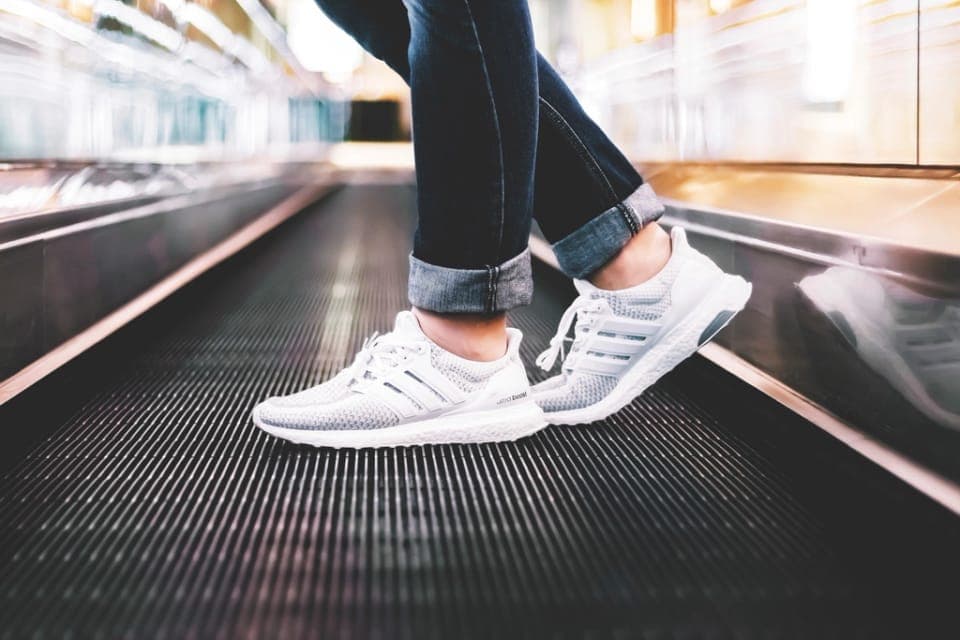 Most protectiveMerrell Trail Glove 7A 14 mm stack, zero drop and a Vibram outsole - the most mainstream way to hike in a minimalist shoe, available waterproof or not. | 14 mm with Vibram traction | |
| 7 |  CheapestWHITIN Minimalist Trail RunnerA zero-drop, wide-toe-box knit shoe at roughly a third of what the established brands charge - and the cheapest honest way to find out if this suits you. | Low-volume feet, testing the idea | |
| 8 |  Best zero-drop cushionedAltra Lone Peak 9Zero drop with 25 mm of cushioning underneath. Not a barefoot shoe and not pretending to be - it is the zero-drop shoe you hike 2,000 miles in. | Wide toes without the thin sole |
#ad Prices come from the retailer and change; we never publish a figure we have not verified live. Affiliate disclosure.
There is no single best barefoot shoe, because the variable that decides whether a shoe works is how its last matches your foot. What there is instead is a clear ranking of which shoes do the most jobs well, and that is what this page is.
One thing to settle before you read the picks: the shoes on this page span 4 mm to 25 mm of material underfoot. All are zero drop and most are genuinely wide, but they are not interchangeable. The Vivobarefoot Primus Lite III and the Altra Lone Peak 9 are at opposite ends of the same list for good reasons.
How we chose
The criteria, applied in this order:
- Toe-box width and shape, judged from the published fit assessments cited below — the property most likely to decide whether you keep wearing the shoe.
- Stack height, reported as published, with a spread across the list so there is an option for whatever stage you are at.
- Zero heel-to-toe drop, verified against published specifications.
- Sole flexibility — a shoe that bends to 90 degrees and twists by hand.
- Availability and returns. A shoe you cannot send back is a worse first purchase than a slightly lesser one you can.
- Price band relative to the category, so there is a real option at every budget.
- Currently sold in the US, verified at build time.
How to use this list
What "best" cannot tell you
A shoe at the top of this list in the wrong size or the wrong shape will perform worse for you than the cheapest shoe on it in the right one. Every ranking in this category is downstream of fit, which is why the fit pages rather than this one are the ones we would read first. Measure your feet takes four minutes and changes every subsequent decision.
Before you order: fit and transition
Two things matter more than which shoe on this page you pick, and both are free.
Get the size right. Barefoot brands size from internal length rather than from a conventional size label, and you need roughly 10 to 15 mm beyond your longest toe — more than a normal fitting leaves. Measure your feet, then use the sizing guide and the cross-brand table. Sizing up to get a wider shoe does not work: lasts scale in length, so you get heel slip and toes sitting behind the widest part of the shoe.
Build up slowly. The documented risk in this category is bone stress injury from a rushed transition — in one MRI study of 36 runners, 10 of the 19 who spent 10 weeks moving into minimal shoes developed new bone-marrow edema, mostly without symptoms. Keep your current shoes, add minimal-shoe hours gradually, and judge by how your feet feel the next morning. The transition plan.
The picks in detail
Ranked on how many jobs each shoe does well rather than on any single property, with published specs, honest cons and a 'skip these if' on every pick.
1. Best overall
Xero Shoes Prio
The closest thing to a default first barefoot shoe: genuinely wide, genuinely flexible, and cheap enough that a failed experiment does not hurt.
What works
- Removable 2 mm insole, so you can go thinner as your feet adapt
- Wide enough for most square and plateau foot shapes
- Flexes and rolls flat, which is the quickest way to spot a fake minimalist shoe
What does not
- The lacing panel can pressure a high instep
- Thin heel padding is noticeable on hard floors for the first week
Skip these if: You have a high-volume foot and dislike lace pressure across the top, or you need any cushioning at all on day one.
Specifications as published by the maker and reported by Xero Shoes Prio listing specifications. We have not measured them ourselves. Xero Shoes fit profile
2. Best ground feel
Vivobarefoot Primus Lite III
A 2 mm sole with 2 mm of tread at 7.9 oz. About as close to barefoot as a closed shoe gets, and the yardstick everything else is measured against.
What works
- The thinnest sole here that still works as an everyday shoe
- Genuinely wide forefoot with a rounded, foot-shaped last
- Ships with access to the brand's own barefoot fundamentals course
What does not
- 4 mm total underfoot is brutal on concrete until your feet adapt
- Low volume through the midfoot - not for a high instep
- The most expensive shoe in most of our roundups
Skip these if: You are transitioning, you have a high-volume foot, or you stand on concrete all day. All three are real reasons to start thicker.
Specifications as published by the maker and reported by Outdoor Life, best barefoot shoes 2026 stated specifications. We have not measured them ourselves. Vivobarefoot fit profile
3. Best for beginners
Xero Shoes Scrambler Low
An 11.5 mm stack with 4 mm of foam and a removable 3.5 mm insole - the most forgiving zero-drop shoe here, and the one we would hand a nervous switcher.
What works
- The removable 3.5 mm insole gives you two shoes in one as your feet adapt
- Enough foam to survive a full day on concrete in week one
- Still flexes and still zero drop
What does not
- 11.5 mm is a lot of shoe if you came for ground feel
- Heavier than the rest of the line
Skip these if: You have already transitioned and want maximum ground feel - this will feel like a normal sneaker.
Specifications as published by the maker and reported by Outdoor Life, best barefoot shoes 2026 stated specifications. We have not measured them ourselves. Xero Shoes fit profile
4. Best for wide feet
Lems Primal Zen
Lems builds one of the roomiest everyday lasts in the category - if other barefoot shoes still feel tight across the toes, start here.
What works
- Among the widest forefoot shapes available off the shelf
- High enough toe box for a tall big toe or a hammer toe
- Flexes flat and packs small
What does not
- The width that makes it work looks bulbous to some people
- Heel can be loose on a narrow heel
Skip these if: You have a narrow foot - all that room becomes heel slip and a sloppy fit.
Specifications as published by the maker and reported by Lems Shoes product listing, Primal Zen. We have not measured them ourselves. Lems Shoes fit profile
5. Best budget
Saguaro Chaser (Smart II / Vitality III)
The roomiest of the budget marketplace brands - more space around the ankle and over the toes than WHITIN, which is the difference that matters if you have a thick foot.
What works
- More instep volume than WHITIN at the same price
- Whole-family sizing, including kids
- Very minimal sole for the money
What does not
- Thin, cheap outsole wears quickly on pavement
- Model naming changes between generations, so repeat purchases are a lottery
Skip these if: You have a low-volume or narrow foot - this will feel like a slipper.
Specifications as published by the maker and reported by Anya's Reviews, Saguaro barefoot shoes review. We have not measured them ourselves. Saguaro fit profile
6. Most protective
Merrell Trail Glove 7
A 14 mm stack, zero drop and a Vibram outsole - the most mainstream way to hike in a minimalist shoe, available waterproof or not.
What works
- Vibram traction that holds on wet rock
- Enough stack to hike a full day on mixed terrain
- Easy to find in stores and easy to return
What does not
- Toe box is moderate, not wide - Merrell's last is narrower than Xero's
- 14 mm is firm cushioning, not soft
Skip these if: You need a genuinely wide or extra-wide forefoot.
Specifications as published by the maker and reported by BikeHikeSafari, best barefoot shoes 2026 stated specifications. We have not measured them ourselves. Merrell fit profile
7. Cheapest
WHITIN Minimalist Trail Runner
A zero-drop, wide-toe-box knit shoe at roughly a third of what the established brands charge - and the cheapest honest way to find out if this suits you.
What works
- The lowest-risk way to test barefoot shoes at all
- Removable sockliner, so you can thin it out over time
- Wide toe box that genuinely is wide
What does not
- Low volume through the instep compared with Saguaro
- Build quality is what the price suggests - it will not last years
- Sizing is inconsistent between colorways
Skip these if: You have a high instep or a high-volume foot - WHITIN runs low and you will feel the laces.
Specifications as published by the maker and reported by That Fit Friend, WHITIN Minimalist Trail Runner review. We have not measured them ourselves. WHITIN fit profile
8. Best zero-drop cushioned
Altra Lone Peak 9
Zero drop with 25 mm of cushioning underneath. Not a barefoot shoe and not pretending to be - it is the zero-drop shoe you hike 2,000 miles in.
What works
- Zero drop with real cushioning - the combination almost nobody else offers
- The de facto standard on long-distance hiking trails
- Genuinely wide forefoot in standard width
What does not
- 25 mm of foam means essentially no ground feel
- Outsoles are known to wear out faster than the uppers
Skip these if: You want ground feel or foot strengthening. This shoe gives you neither - it gives you zero drop and comfort.
Specifications as published by the maker and reported by BikeHikeSafari, best barefoot shoes 2026 stated specifications. We have not measured them ourselves. Altra fit profile
Common questions
What is the best barefoot shoe overall?
The Xero Shoes Prio, for most people — genuinely wide, genuinely flexible, a removable insole for adjusting as you adapt, and a price that makes a failed experiment survivable. But the best shoe for you is the one whose last matches your foot shape.
What is the thinnest barefoot shoe?
Among shoes you can wear every day, the Vivobarefoot Primus Lite III at roughly 2 mm of sole plus 2 mm of tread. It is the end state rather than the starting point.
Which barefoot shoe should I buy first?
Something with 11 mm or more of stack and a removable insole — the Xero Scrambler Low fits that description exactly. Starting with the thinnest shoe available is the most common first mistake.
Are expensive barefoot shoes worth it?
For materials and durability, generally yes. For fit, no — a $40 shoe that matches your foot shape beats a $170 shoe that does not. Buy cheap to find out whether the category suits you, then upgrade.
How many pairs do I need?
Two is the practical answer during a transition: one minimal pair whose hours you are growing, and one cushioned pair for the longest days on concrete. Keeping both indefinitely is a reasonable end state.
Sources
- Outdoor Life, best barefoot shoes 2026 — stated stack heights and weights
- RunRepeat barefoot running shoes catalog
- Ridge et al., foot bone marrow edema after 10-week transition to minimal footwear
- BikeHikeSafari, best barefoot shoes 2026 — stated stack heights and weights
- Anya's Reviews, Saguaro barefoot shoes review
Accessed October 2026. Where a source is a manufacturer, the specification is theirs as published — we have not measured it.
Read next
Best for Everyday Use
Best barefoot shoes for everyday use (October 2026)
Six shoes chosen for ten-hour days on hard surfaces — where stack height matters more than ground feel.
By Brijon M. · Updated October 2026
Top pick: Xero Shoes Prio
Best for Beginners
Best barefoot shoes for beginners (October 2026)
Your first pair should be thicker than your fifth. Six forgiving picks with removable insoles and real stack height.
By Brijon M. · Updated October 2026
Top pick: Xero Shoes Scrambler Low
Best Wide Toe Box
Best wide toe box shoes (October 2026)
Seven shoes ranked on last geometry — width at the ball, where that width sits, toe-box height and toe spring.
By Brijon M. · Updated October 2026
Top pick: Lems Primal Zen
Barefoot shoe sizing, properly
Measure, do not convert. How much toe room to leave, why sizing up for width fails, and what to check when the box arrives.
By Brijon M. · Updated October 2026
Top pick: Xero Shoes Prio
Barefoot vs Zero Drop
Barefoot vs zero drop: which do you actually want?
Every barefoot shoe is zero drop; most zero-drop shoes are not barefoot. A side-by-side table and a pick for each answer.
By Brijon M. · Updated October 2026
Top pick: Vivobarefoot Primus Lite III

Best Budget
Best affordable barefoot shoes (October 2026)
Five budget picks that are genuinely wide and flat, differentiated by volume — plus exactly which corners each cuts.
By Brijon M. · Updated October 2026
Top pick: Saguaro Chaser (Smart II / Vitality III)