Best for Travel
The best barefoot travel shoes (October 2026)
Ranked by weight and by what each one lets you leave at home.
By Brijon M. · Updated October 2026
The Xero Shoes Z-Trail EV is the best barefoot travel shoe for most trips: 10.8 oz for the pair, rolls up small, and handles a city, a trail and a shower floor. If you need a closed shoe, the Vivobarefoot Primus Lite III at 7.9 oz packs flatter than anything else that still works as a real shoe.
How this page is funded: some links here are Amazon affiliate links, so we may earn a commission if you buy — at no extra cost to you. It never changes which products we include or how we rank them, and we take no payment from brands for placement. Full disclosure.
Quick picks
Tap any row to jump to the full write-up. Selection is specification-led, not wear-tested — how we choose.
| # | Product | Best for | Price |
|---|---|---|---|
| 1 |  Best overallXero Shoes Z-Trail EVAn 11 mm three-layer sole at under 11 oz that rolls up into a jacket pocket - the most practical barefoot sandal for people who are not sandal people. | 10.8 oz a pair, rolls up, goes anywhere | |
| 2 |  Best packable shoeVivobarefoot Primus Lite IIIA 2 mm sole with 2 mm of tread at 7.9 oz. About as close to barefoot as a closed shoe gets, and the yardstick everything else is measured against. | 7.9 oz, 4 mm total, packs flat | |
| 3 |  Best one-pair tripXero Shoes PrioThe closest thing to a default first barefoot shoe: genuinely wide, genuinely flexible, and cheap enough that a failed experiment does not hurt. | The shoe you wear, not the one you pack | |
| 4 | 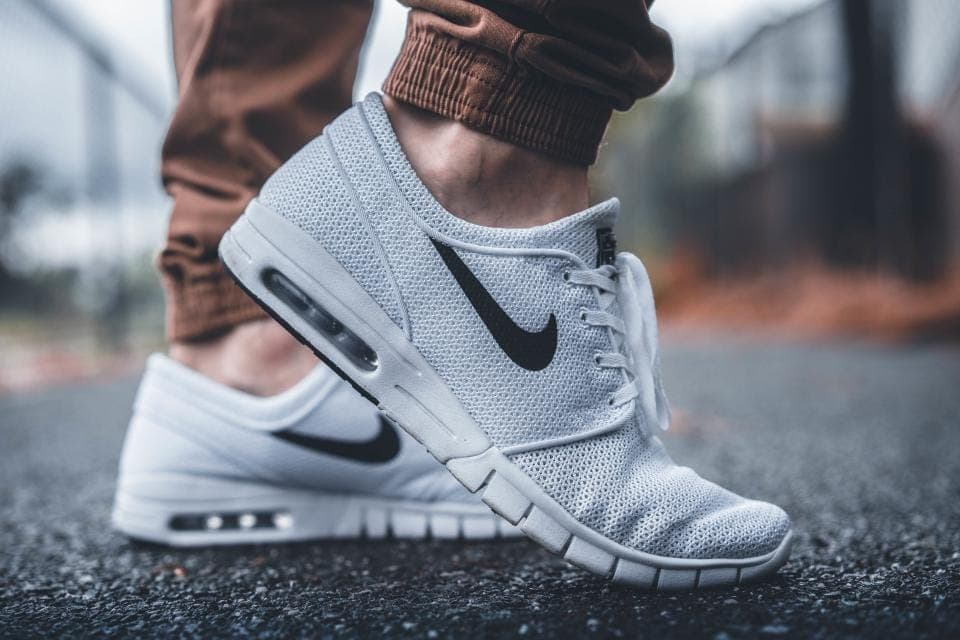 Lightest closed shoeXero Shoes Speed Force IIAt roughly 6.5 oz a shoe this is the lightest thing in the Xero running line, and it feels closer to a racing flat than a trainer. | 13 oz a pair, knit upper | |
| 5 |  Best budget extraSaguaro Dive IV Water ShoesA stretchy knit water shoe with a removable honeycomb insole - the cheap, sensible answer for river crossings and lake swims. | Pools, showers, boats |
#ad Prices come from the retailer and change; we never publish a figure we have not verified live. Affiliate disclosure.
Barefoot shoes are, almost by accident, the best travel footwear category there is. The properties that define them — thin, flexible, light, no structured midsole to hold a shape — are exactly the properties that make a shoe pack small. A shoe that rolls flat in your hand rolls flat in your bag.
So this list is ranked on the two things that decide whether a shoe earns its space: what it weighs and what it lets you leave at home.
How we chose
The criteria, applied in this order:
- Published weight, quoted as the maker states it and with the unit made explicit — per pair or per shoe — because the two get mixed up constantly in travel shoe roundups.
- Packability, judged on whether the shoe has a structured midsole or heel counter that stops it folding. This is the property that separates a travel shoe from a light shoe.
- Range of jobs per pair. A shoe that handles a city day and a trail and a wet surface replaces three pairs.
- Zero drop and a wide toe box, verified against published specifications — long days on your feet in an unfamiliar city are precisely when toe room matters.
- Currently sold in the US, verified at build time.
Weight, and what each pick replaces
The one-pair trip
If you are trying to travel with a single pair of shoes, the answer is the Xero Shoes Prio and it is not especially close. It is wide enough for long days, flexible enough to pack if you need to, unremarkable-looking enough for a restaurant, and the removable insole lets you adjust how much shoe you are standing in. At 7.4 oz it is lighter than most sandals.
The reason it beats the thinner Vivobarefoot here, despite the Vivo packing flatter, is stack height. Travel means unpredictable surfaces and far more steps than a normal day, usually on pavement. Four millimeters of total material is a wonderful thing on a trail you know and a punishing one on eighteen thousand steps of unfamiliar cobblestones.
The two-pair trip, which is what most people want
One closed shoe you wear in transit, one sandal that packs. That combination covers essentially every trip: the Prio or the Speed Force II on your feet, the Z-Trail EV in the bag taking up about the space of a paperback.
If the trip involves water — islands, boats, rivers, questionable hostel showers — swap the sandal for the Saguaro Dive IV or add it as a third, since it packs to almost nothing and costs very little. More on barefoot sandals, and how sandals compare to closed minimal shoes.
Before you order: fit and transition
Two things matter more than which shoe on this page you pick, and both are free.
Get the size right. Barefoot brands size from internal length rather than from a conventional size label, and you need roughly 10 to 15 mm beyond your longest toe — more than a normal fitting leaves. Measure your feet, then use the sizing guide and the cross-brand table. Sizing up to get a wider shoe does not work: lasts scale in length, so you get heel slip and toes sitting behind the widest part of the shoe.
Build up slowly. The documented risk in this category is bone stress injury from a rushed transition — in one MRI study of 36 runners, 10 of the 19 who spent 10 weeks moving into minimal shoes developed new bone-marrow edema, mostly without symptoms. Keep your current shoes, add minimal-shoe hours gradually, and judge by how your feet feel the next morning. The transition plan.
The picks in detail
Five picks ranked on weight and packability, with published specs, honest cons and a 'skip these if' on every one.
1. Best overall
Xero Shoes Z-Trail EV
An 11 mm three-layer sole at under 11 oz that rolls up into a jacket pocket - the most practical barefoot sandal for people who are not sandal people.
What works
- Rolls up small enough to pack as a camp or travel second shoe
- The strap system adjusts in three places, which solves most volume problems
- Lightest practical choice for water and heat
What does not
- Strap break-in can rub the top of the foot
- Less grip on wet rock than a Vibram-soled sandal
Skip these if: You need technical traction for river crossings or scrambling - a Vibram Megagrip sandal is the better buy.
Specifications as published by the maker and reported by Greenbelly, best minimalist and running sandals specifications. We have not measured them ourselves. Xero Shoes fit profile
2. Best packable shoe
Vivobarefoot Primus Lite III
A 2 mm sole with 2 mm of tread at 7.9 oz. About as close to barefoot as a closed shoe gets, and the yardstick everything else is measured against.
What works
- The thinnest sole here that still works as an everyday shoe
- Genuinely wide forefoot with a rounded, foot-shaped last
- Ships with access to the brand's own barefoot fundamentals course
What does not
- 4 mm total underfoot is brutal on concrete until your feet adapt
- Low volume through the midfoot - not for a high instep
- The most expensive shoe in most of our roundups
Skip these if: You are transitioning, you have a high-volume foot, or you stand on concrete all day. All three are real reasons to start thicker.
Specifications as published by the maker and reported by Outdoor Life, best barefoot shoes 2026 stated specifications. We have not measured them ourselves. Vivobarefoot fit profile
3. Best one-pair trip
Xero Shoes Prio
The closest thing to a default first barefoot shoe: genuinely wide, genuinely flexible, and cheap enough that a failed experiment does not hurt.
What works
- Removable 2 mm insole, so you can go thinner as your feet adapt
- Wide enough for most square and plateau foot shapes
- Flexes and rolls flat, which is the quickest way to spot a fake minimalist shoe
What does not
- The lacing panel can pressure a high instep
- Thin heel padding is noticeable on hard floors for the first week
Skip these if: You have a high-volume foot and dislike lace pressure across the top, or you need any cushioning at all on day one.
Specifications as published by the maker and reported by Xero Shoes Prio listing specifications. We have not measured them ourselves. Xero Shoes fit profile
4. Lightest closed shoe
Xero Shoes Speed Force II
At roughly 6.5 oz a shoe this is the lightest thing in the Xero running line, and it feels closer to a racing flat than a trainer.
What works
- Genuinely light, which changes how a zero-drop shoe feels at speed
- Sock-like upper has almost no pressure points
- Packs flat for travel
What does not
- 7 mm and no rock plate is a short-distance proposition for most people
- Knit upper offers little structure if you need lateral support
Skip these if: You want one shoe for everything - this one is specialized and wears out faster than the Prio.
Specifications as published by the maker and reported by BikeHikeSafari, best barefoot shoes 2026 stated specifications. We have not measured them ourselves. Xero Shoes fit profile
5. Best budget extra
Saguaro Dive IV Water Shoes
A stretchy knit water shoe with a removable honeycomb insole - the cheap, sensible answer for river crossings and lake swims.
What works
- Drains and dries fast
- Removable insole, so it doubles as a very thin everyday shoe
- Grippy enough on wet, smooth rock
What does not
- No protection against anything sharp underfoot
- Knit upper collects sand and grit
Skip these if: You are scrambling on sharp rock or hiking into the water crossing rather than just across it.
Specifications as published by the maker and reported by Saguaro Dive IV product listing specifications. We have not measured them ourselves. Saguaro fit profile
Common questions
What are the best barefoot shoes for travel?
The Xero Shoes Z-Trail EV for most trips at 10.8 oz a pair, because it rolls up and covers a city day, a light trail and a wet surface. If you want one closed pair for a whole trip, the Xero Shoes Prio at 7.4 oz.
Are barefoot shoes good for walking all day on holiday?
Once your feet have adapted, yes — the toe room is a real advantage over a long day. Before they have adapted, no, and a trip is a bad place to find that out. Build up over 8 to 16 weeks at home first.
Which barefoot shoe packs the smallest?
Among closed shoes, the Vivobarefoot Primus Lite III, which has 2 mm of sole plus 2 mm of tread and no structured midsole to hold its shape. Among all options, a thin knit water shoe like the Saguaro Dive IV packs to almost nothing.
Can I run in barefoot travel shoes?
The Xero Shoes Speed Force II is a running shoe, so yes. The Z-Trail EV is a sandal and the Prio is an all-rounder — both are fine for short easy runs if you already run in minimal shoes, and poor choices for your first attempt.
How many pairs should I take?
Two covers almost everything: a closed shoe you wear in transit and a sandal that packs small. Add a thin water shoe if the trip involves pools, boats or shared showers, since it weighs and costs very little.
Sources
- Outdoor Life, best barefoot shoes 2026 — stated stack heights and weights
- RunRepeat barefoot running shoes catalog
- Ridge et al., foot bone marrow edema after 10-week transition to minimal footwear
Accessed October 2026. Where a source is a manufacturer, the specification is theirs as published — we have not measured it.
Read next
Best Sandals
Best barefoot sandals (October 2026)
Six sandals from 7 mm to 14 mm, compared on sole, weight, traction and straps — plus the toe-post question.
By Brijon M. · Updated October 2026
Top pick: Xero Shoes Z-Trail EV
Shoes vs Sandals
Barefoot shoes vs barefoot sandals
A sandal is the same sole with the upper deleted. Four things change, three of them for the better — and the closed shoe is still what you buy first.
By Brijon M. · Updated October 2026
Top pick: Xero Shoes Z-Trail EV
Best Sneakers
Best barefoot sneakers (October 2026)
Six foot-shaped sneakers ranked on how ordinary they look — plus the narrow-toe trap in this particular search.
By Brijon M. · Updated October 2026
Top pick: Vivobarefoot Geo Court

Best Water Shoes
Best barefoot water shoes (October 2026)
Five water shoes and sandals compared on drainage, wet-rock grip and underfoot protection — and why waterproof is wrong here.
By Brijon M. · Updated October 2026
Top pick: Saguaro Dive IV Water Shoes
Best Overall
The best barefoot shoes (October 2026)
Eight shoes from 4 mm to 25 mm underfoot, ranked on how many jobs each does well, with honest cons throughout.
By Brijon M. · Updated October 2026
Top pick: Xero Shoes Prio
Barefoot shoe sizing, properly
Measure, do not convert. How much toe room to leave, why sizing up for width fails, and what to check when the box arrives.
By Brijon M. · Updated October 2026
Top pick: Xero Shoes Prio