Best for Everyday Use
Best barefoot shoes for everyday use (October 2026)
Different criteria from a running roundup: comfort over ten hours beats ground feel over ten minutes.
By Brijon M. · Updated October 2026
For all-day wear, stack height matters more than the barefoot internet admits. The Xero Shoes Prio is the best balance for most people; the Lems Primal Zen is the roomiest; and if your day is concrete, the Merrell Trail Glove 7 at 14 mm is the sensible floor.
How this page is funded: some links here are Amazon affiliate links, so we may earn a commission if you buy — at no extra cost to you. It never changes which products we include or how we rank them, and we take no payment from brands for placement. Full disclosure.
Quick picks
Tap any row to jump to the full write-up. Selection is specification-led, not wear-tested — how we choose.
| # | Product | Best for | Price |
|---|---|---|---|
| 1 |  Best overallXero Shoes PrioThe closest thing to a default first barefoot shoe: genuinely wide, genuinely flexible, and cheap enough that a failed experiment does not hurt. | The default all-day shoe | |
| 2 |  Most comfortableLems Primal ZenLems builds one of the roomiest everyday lasts in the category - if other barefoot shoes still feel tight across the toes, start here. | Width and height for ten-hour days | |
| 3 |  Best on concreteMerrell Trail Glove 7A 14 mm stack, zero drop and a Vibram outsole - the most mainstream way to hike in a minimalist shoe, available waterproof or not. | 14 mm and a durable outsole | |
| 4 |  Best budgetSaguaro Chaser (Smart II / Vitality III)The roomiest of the budget marketplace brands - more space around the ankle and over the toes than WHITIN, which is the difference that matters if you have a thick foot. | Roomy knit, low spend | |
| 5 |  Best lookingVivobarefoot Geo CourtVivobarefoot's most popular urban shape: a classic court-sneaker silhouette over a thin, flexible sole, so it does not announce itself. | A shoe that passes as an ordinary sneaker | |
| 6 |  Best for new switchersXero Shoes Scrambler LowAn 11.5 mm stack with 4 mm of foam and a removable 3.5 mm insole - the most forgiving zero-drop shoe here, and the one we would hand a nervous switcher. | Removable insole, 11.5 mm |
#ad Prices come from the retailer and change; we never publish a figure we have not verified live. Affiliate disclosure.
Everyday is the category that decides whether you stick with this. A running shoe gets worn for forty minutes, three times a week. The shoe by your front door gets worn for ten hours, and if it is uncomfortable on pavement or looks wrong at work, it quietly goes back in the box.
So the criteria shift. Ground feel matters less here than anywhere else on this site. Toe-box width matters more, because ten hours is long enough for a cramped little toe to become a genuine problem. And stack height — the property barefoot purists treat as a compromise — is the single most useful variable if your day involves concrete.
How we chose
The criteria, applied in this order:
- Toe-box width, the property with the biggest effect over a ten-hour day.
- Enough stack height for hard surfaces — we have deliberately weighted toward 8 mm and up rather than toward the thinnest options.
- All-day upper comfort: soft materials, few internal seams, lacing that adjusts across the instep.
- Looks ordinary enough to wear anywhere, which is a real constraint rather than a vanity one.
- Outsole durability, because an everyday shoe accumulates far more miles than a trail shoe does.
- Currently sold in the US, verified at build time.
How much sole for an everyday shoe?
The honest spread in this category is wide. The Vivobarefoot Primus Lite III runs about 2 mm of sole plus 2 mm of tread; the Xero Scrambler Low is 11.5 mm including 4 mm of foam. Both are zero drop, both are flexible, and they are completely different experiences on a city pavement.
Our read: if your days are mostly concrete, start at 10 mm or more. The adaptation you want — stronger feet, toe splay, a less heel-driven gait — comes from the flat platform and the wide toe box, not from feeling every pebble. You can go thinner later, and several shoes here make that easy with a removable insole, which effectively gives you two shoes in one pair.
The two everyday problems this category handles badly
Looking appropriate at a formal workplace. Truly barefoot dress shoes are a small and expensive market. The Vivobarefoot Geo Court is about as close as a sneaker gets to passing in a smart-casual office; nothing here works with tailoring. Dress shoes covers what exists.
Winter. Thin soles are poor insulators and thin uppers are not warm. This is the season people quietly abandon the category, and the honest answer is a thicker insulated model rather than toughing it out. Winter boots.
Before you order: fit and transition
Two things matter more than which shoe on this page you pick, and both are free.
Get the size right. Barefoot brands size from internal length rather than from a conventional size label, and you need roughly 10 to 15 mm beyond your longest toe — more than a normal fitting leaves. Measure your feet, then use the sizing guide and the cross-brand table. Sizing up to get a wider shoe does not work: lasts scale in length, so you get heel slip and toes sitting behind the widest part of the shoe.
Build up slowly. The documented risk in this category is bone stress injury from a rushed transition — in one MRI study of 36 runners, 10 of the 19 who spent 10 weeks moving into minimal shoes developed new bone-marrow edema, mostly without symptoms. Keep your current shoes, add minimal-shoe hours gradually, and judge by how your feet feel the next morning. The transition plan.
The picks in detail
Ranked on all-day comfort rather than minimalism, which is why the thinnest shoes in the category are not at the top of this particular list.
1. Best overall
Xero Shoes Prio
The closest thing to a default first barefoot shoe: genuinely wide, genuinely flexible, and cheap enough that a failed experiment does not hurt.
What works
- Removable 2 mm insole, so you can go thinner as your feet adapt
- Wide enough for most square and plateau foot shapes
- Flexes and rolls flat, which is the quickest way to spot a fake minimalist shoe
What does not
- The lacing panel can pressure a high instep
- Thin heel padding is noticeable on hard floors for the first week
Skip these if: You have a high-volume foot and dislike lace pressure across the top, or you need any cushioning at all on day one.
Specifications as published by the maker and reported by Xero Shoes Prio listing specifications. We have not measured them ourselves. Xero Shoes fit profile
2. Most comfortable
Lems Primal Zen
Lems builds one of the roomiest everyday lasts in the category - if other barefoot shoes still feel tight across the toes, start here.
What works
- Among the widest forefoot shapes available off the shelf
- High enough toe box for a tall big toe or a hammer toe
- Flexes flat and packs small
What does not
- The width that makes it work looks bulbous to some people
- Heel can be loose on a narrow heel
Skip these if: You have a narrow foot - all that room becomes heel slip and a sloppy fit.
Specifications as published by the maker and reported by Lems Shoes product listing, Primal Zen. We have not measured them ourselves. Lems Shoes fit profile
3. Best on concrete
Merrell Trail Glove 7
A 14 mm stack, zero drop and a Vibram outsole - the most mainstream way to hike in a minimalist shoe, available waterproof or not.
What works
- Vibram traction that holds on wet rock
- Enough stack to hike a full day on mixed terrain
- Easy to find in stores and easy to return
What does not
- Toe box is moderate, not wide - Merrell's last is narrower than Xero's
- 14 mm is firm cushioning, not soft
Skip these if: You need a genuinely wide or extra-wide forefoot.
Specifications as published by the maker and reported by BikeHikeSafari, best barefoot shoes 2026 stated specifications. We have not measured them ourselves. Merrell fit profile
4. Best budget
Saguaro Chaser (Smart II / Vitality III)
The roomiest of the budget marketplace brands - more space around the ankle and over the toes than WHITIN, which is the difference that matters if you have a thick foot.
What works
- More instep volume than WHITIN at the same price
- Whole-family sizing, including kids
- Very minimal sole for the money
What does not
- Thin, cheap outsole wears quickly on pavement
- Model naming changes between generations, so repeat purchases are a lottery
Skip these if: You have a low-volume or narrow foot - this will feel like a slipper.
Specifications as published by the maker and reported by Anya's Reviews, Saguaro barefoot shoes review. We have not measured them ourselves. Saguaro fit profile
5. Best looking
Vivobarefoot Geo Court
Vivobarefoot's most popular urban shape: a classic court-sneaker silhouette over a thin, flexible sole, so it does not announce itself.
What works
- Looks like an ordinary white sneaker from two feet away
- Thin sole and real flex, unlike most fashion-minimalist shoes
- Holds its shape better than knit uppers
What does not
- No cushioning for a day of city pavement
- Leather version needs breaking in across the toe joint
Skip these if: You want a shoe you can walk 15,000 steps a day on concrete in from week one.
Specifications as published by the maker and reported by AZ Big Media, 10 best barefoot shoes for everyday walking 2026. We have not measured them ourselves. Vivobarefoot fit profile
6. Best for new switchers
Xero Shoes Scrambler Low
An 11.5 mm stack with 4 mm of foam and a removable 3.5 mm insole - the most forgiving zero-drop shoe here, and the one we would hand a nervous switcher.
What works
- The removable 3.5 mm insole gives you two shoes in one as your feet adapt
- Enough foam to survive a full day on concrete in week one
- Still flexes and still zero drop
What does not
- 11.5 mm is a lot of shoe if you came for ground feel
- Heavier than the rest of the line
Skip these if: You have already transitioned and want maximum ground feel - this will feel like a normal sneaker.
Specifications as published by the maker and reported by Outdoor Life, best barefoot shoes 2026 stated specifications. We have not measured them ourselves. Xero Shoes fit profile
Common questions
Can you wear barefoot shoes every day?
Yes, once adapted — that is what they are for. The caveat is the ramp-up: going from cushioned shoes to all-day minimal wear in one step is the main cause of calf and foot pain in new switchers. Detail here.
Are barefoot shoes comfortable for all-day wear?
Once your feet have adapted, most people find them more comfortable than conventional shoes, mainly because of the toe room. During the transition, and on concrete specifically, a thicker minimal shoe is considerably more comfortable than a thin one.
How much stack height do I need for everyday wear?
If your days are mostly concrete, 10 mm or more to start. On softer surfaces, 8 mm is comfortable for most people. You can reduce over months, and a removable insole makes that gradual.
How long do everyday barefoot shoes last?
Less long than conventional shoes, because there is less material. Budget marketplace brands are shortest-lived; resolable options from Softstar and Jim Green last longest. Durability.
Sources
- Outdoor Life, best barefoot shoes 2026 — stated stack heights and weights
- RunRepeat barefoot running shoes catalog
- Ridge et al., foot bone marrow edema after 10-week transition to minimal footwear
Accessed October 2026. Where a source is a manufacturer, the specification is theirs as published — we have not measured it.
Read next

Best Overall
The best barefoot shoes (October 2026)
Eight shoes from 4 mm to 25 mm underfoot, ranked on how many jobs each does well, with honest cons throughout.
By Brijon M. · Updated October 2026
Top pick: Xero Shoes Prio
Can you wear barefoot shoes every day?
Yes, once adapted. Three caveats — the ramp-up, hard surfaces, winter — and the one job the category does badly.
By Brijon M. · Updated October 2026
Top pick: Xero Shoes Prio
Best for Walking
Best barefoot shoes for walking (October 2026)
The best use for these shoes and the safest route to adaptation. Six picks matched to surface, from park paths to concrete.
By Brijon M. · Updated October 2026
Top pick: Xero Shoes Prio

The most durable barefoot shoes
Thin soles wear faster. Why resolable is the only real long-term answer, and six things that extend any pair's life.
By Brijon M. · Updated October 2026
Top pick: Softstar Megagrip Primal RunAmoc
#ad — brand-direct link, we earn nothing on it. Why we still list it
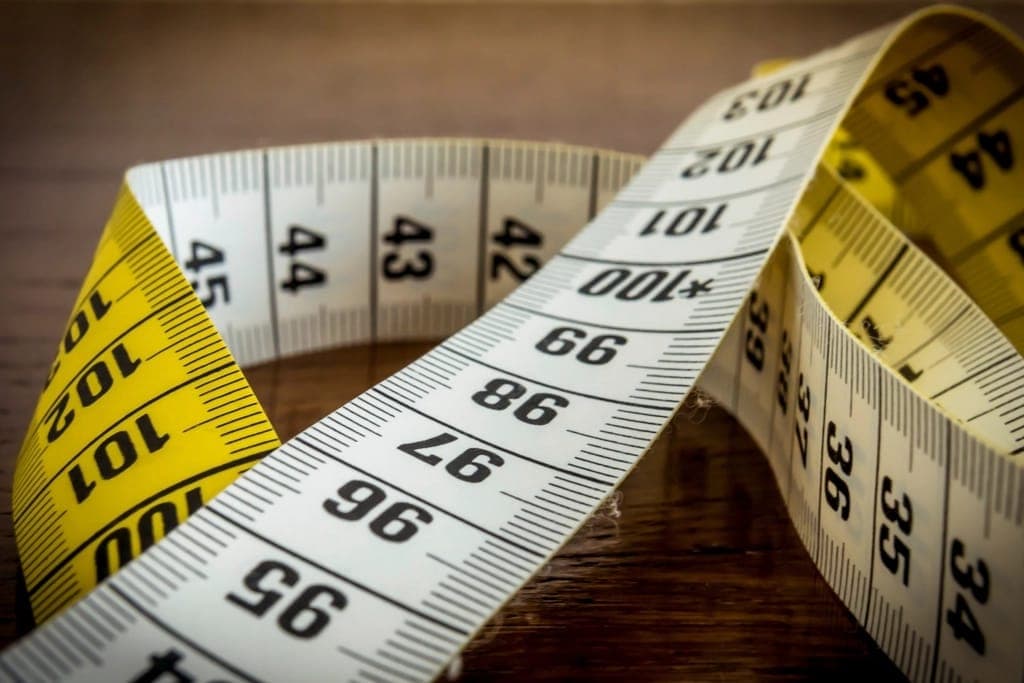
Barefoot shoe sizing, properly
Measure, do not convert. How much toe room to leave, why sizing up for width fails, and what to check when the box arrives.
By Brijon M. · Updated October 2026
Top pick: Xero Shoes Prio
Best for Standing All Day
Best barefoot shoes for standing all day (October 2026)
Seven wide shoes for standing shifts, ranked by stack height instead of ground feel, with the anti-fatigue mat nobody else mentions.
By Brijon M. · Updated October 2026
Top pick: Lems Primal Zen