Best Budget
Best affordable barefoot shoes (October 2026)
You do not need to spend $170 to find out whether this suits you. Here is what $40 buys, and what it does not.
By Brijon M. · Updated October 2026
The Saguaro Chaser is the best budget barefoot shoe for a high-volume foot and WHITIN's Minimalist Trail Runner for a low-volume one — that single difference decides which works for you. Both are genuinely wide and genuinely zero drop; both have real durability limits.
How this page is funded: some links here are Amazon affiliate links, so we may earn a commission if you buy — at no extra cost to you. It never changes which products we include or how we rank them, and we take no payment from brands for placement. Full disclosure.

Quick picks
Tap any row to jump to the full write-up. Selection is specification-led, not wear-tested — how we choose.
| # | Product | Best for | Price |
|---|---|---|---|
| 1 | 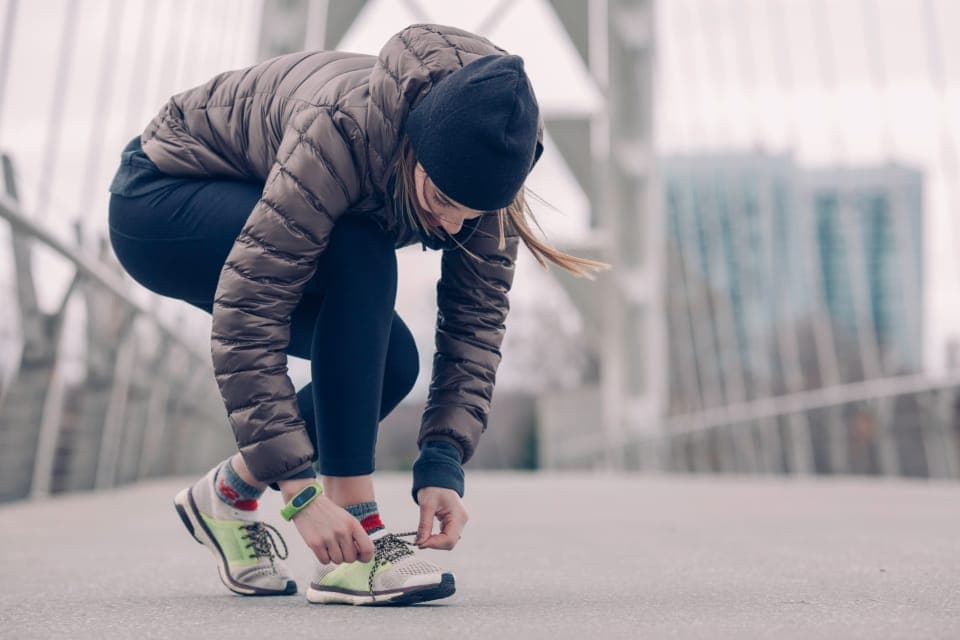 Best overall budgetSaguaro Chaser (Smart II / Vitality III)The roomiest of the budget marketplace brands - more space around the ankle and over the toes than WHITIN, which is the difference that matters if you have a thick foot. | High-volume feet; roomy stretch knit | |
| 2 |  Best for low volumeWHITIN Minimalist Trail RunnerA zero-drop, wide-toe-box knit shoe at roughly a third of what the established brands charge - and the cheapest honest way to find out if this suits you. | Slimmer feet; genuinely wide toes | |
| 3 | 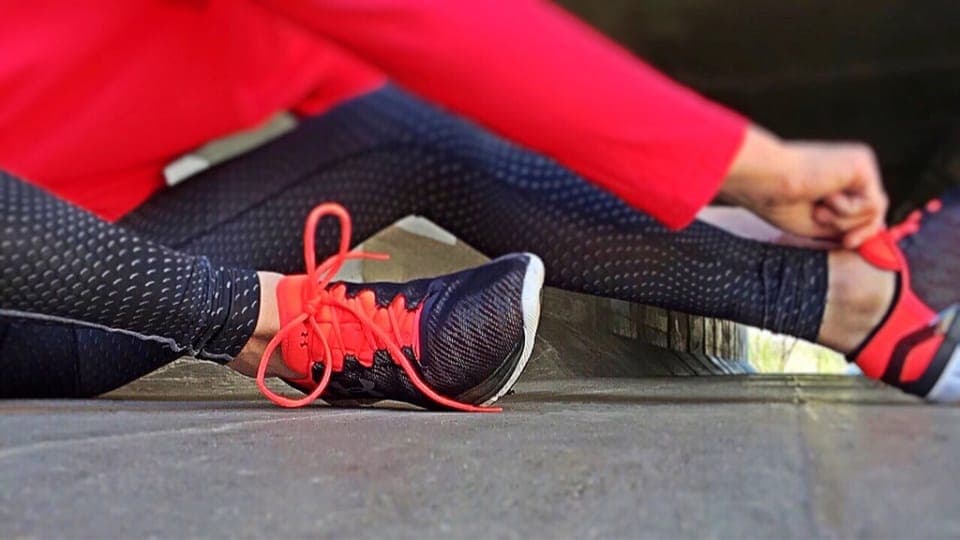 Best for the gymHOBIBEAR Barefoot Trail Running ShoesA zero-drop, wide-toe-box cross-trainer at marketplace prices, and the budget option most often recommended for gym and general training use. | Flat, stable platform for lifting | |
| 4 | 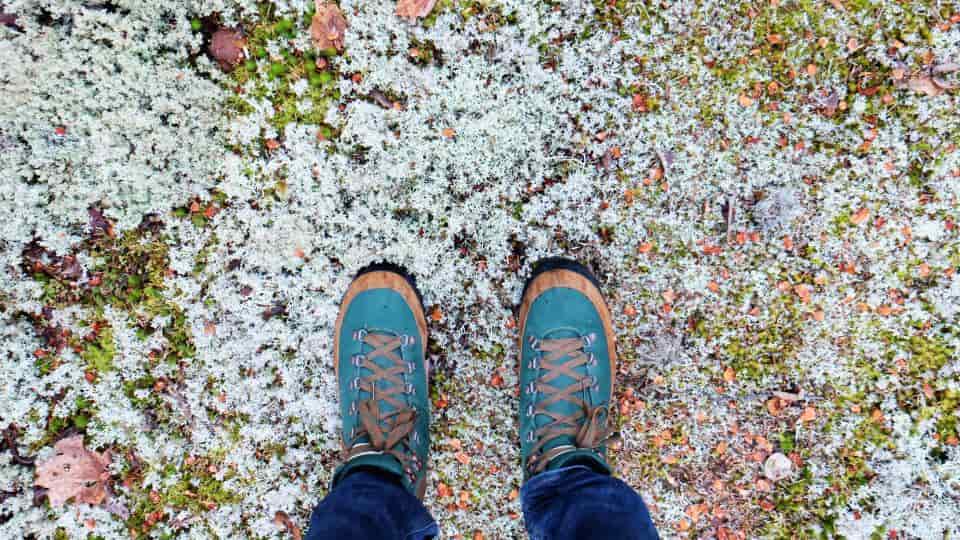 Best alternative lastJOOMRA Minimalist Trail RunnersThe third marketplace brand worth knowing - broadly WHITIN's equal, and the one to try when WHITIN's instep volume does not work for you. | When WHITIN pinches | |
| 5 |  Best step upXero Shoes PrioThe closest thing to a default first barefoot shoe: genuinely wide, genuinely flexible, and cheap enough that a failed experiment does not hurt. | When you know the category suits you |
#ad Prices come from the retailer and change; we never publish a figure we have not verified live. Affiliate disclosure.
The single best piece of advice for anyone new to this category is also the cheapest: do not spend $170 on your first pair. Buy a $40 shoe that is genuinely wide and genuinely flat, wear it for an hour a day for a fortnight, and find out whether a wide toe box and a flat sole suit your foot. That is the question you are actually asking, and it does not require a premium shoe to answer.
The one decision that matters: volume
The budget brands are all genuinely wide. Where they differ is volume — the depth of the shoe from sole to instep — and getting that wrong is the main reason a cheap pair gets returned.
WHITIN runs low-volume. If your foot is slim or shallow, this is the right pick, and if you have a high instep you will feel the laces within ten minutes. Saguaro runs roomier — the fit comparisons note it has more space around the ankle and over the toes than WHITIN — which makes it the better choice for a thicker foot. JOOMRA sits broadly alongside WHITIN and is the useful alternative if WHITIN's last pinches you specifically. HOBIBEAR is moderate, with knit uppers that accommodate a range of insteps, and covers kids and toddlers as well as adults.
If you do not know your volume, the symptom is diagnostic: a shoe that is fine at the toes and tight across the top means high volume; a shoe that is wide enough but slips at the heel means low. Cross-brand table.
How we chose
The criteria, applied in this order:
- Genuinely zero drop and genuinely wide. We have excluded shoes marketed as barefoot that fail the bend-and-twist test.
- Volume character identified, because that is the property that decides which budget brand works for you.
- A removable insole, so one cheap shoe still covers two stages of a transition.
- Easy returns, which matter most at this price point because sizing is least consistent here.
- Honest about durability. Every pick on this page has a shorter life than a premium shoe and we say so on each card.
- Currently sold in the US, verified at build time.
What the money actually buys at the premium end
Being fair to the expensive shoes: the difference is real, it is just not about whether the shoe is wide or flat.
- Durability. Thicker, better outsole compounds and uppers that do not fray. A $40 shoe is a season or two; a $160 one is years.
- Last consistency. Premium brands publish internal lengths and keep their lasts stable between generations. Marketplace brands change both without telling you — Saguaro's model names shift between generations, so a repeat purchase may not be the same shoe.
- Repairability. Softstar and Jim Green are resolable. Nothing on this page is.
- Width options and extremes. Lems, Freet and Softstar go wider than any budget brand.
- Traction. Vibram outsoles cost money and perform accordingly on wet rock.
None of that is a reason to start expensive. It is a reason to upgrade once you know the answer is yes.
The sizing caution specific to this price band
Marketplace brands are the least consistent on sizing in the whole category — reviewers report variation between styles and even between colorways within the same brand. Two consequences: read the specific listing's insole-length figure rather than the brand's general chart, and order where returns are frictionless. Sizing guide.
Before you order: fit and transition
Two things matter more than which shoe on this page you pick, and both are free.
Get the size right. Barefoot brands size from internal length rather than from a conventional size label, and you need roughly 10 to 15 mm beyond your longest toe — more than a normal fitting leaves. Measure your feet, then use the sizing guide and the cross-brand table. Sizing up to get a wider shoe does not work: lasts scale in length, so you get heel slip and toes sitting behind the widest part of the shoe.
Build up slowly. The documented risk in this category is bone stress injury from a rushed transition — in one MRI study of 36 runners, 10 of the 19 who spent 10 weeks moving into minimal shoes developed new bone-marrow edema, mostly without symptoms. Keep your current shoes, add minimal-shoe hours gradually, and judge by how your feet feel the next morning. The transition plan.
The picks in detail
Four budget picks differentiated mainly by volume, plus the shoe to upgrade to once you know this suits you.
1. Best overall budget
Saguaro Chaser (Smart II / Vitality III)
The roomiest of the budget marketplace brands - more space around the ankle and over the toes than WHITIN, which is the difference that matters if you have a thick foot.
What works
- More instep volume than WHITIN at the same price
- Whole-family sizing, including kids
- Very minimal sole for the money
What does not
- Thin, cheap outsole wears quickly on pavement
- Model naming changes between generations, so repeat purchases are a lottery
Skip these if: You have a low-volume or narrow foot - this will feel like a slipper.
Specifications as published by the maker and reported by Anya's Reviews, Saguaro barefoot shoes review. We have not measured them ourselves. Saguaro fit profile
2. Best for low volume
WHITIN Minimalist Trail Runner
A zero-drop, wide-toe-box knit shoe at roughly a third of what the established brands charge - and the cheapest honest way to find out if this suits you.
What works
- The lowest-risk way to test barefoot shoes at all
- Removable sockliner, so you can thin it out over time
- Wide toe box that genuinely is wide
What does not
- Low volume through the instep compared with Saguaro
- Build quality is what the price suggests - it will not last years
- Sizing is inconsistent between colorways
Skip these if: You have a high instep or a high-volume foot - WHITIN runs low and you will feel the laces.
Specifications as published by the maker and reported by That Fit Friend, WHITIN Minimalist Trail Runner review. We have not measured them ourselves. WHITIN fit profile
3. Best for the gym
HOBIBEAR Barefoot Trail Running Shoes
A zero-drop, wide-toe-box cross-trainer at marketplace prices, and the budget option most often recommended for gym and general training use.
What works
- Flat, stable platform that works for lifting as well as walking
- Wide toe box that lets toes splay under load
- Sold in both men's and women's sizing and in kids' sizes
What does not
- Outsole compound is soft and wears on abrasive surfaces
- No rock plate, so it is a poor real trail shoe despite the name
Skip these if: You want an actual trail shoe for rocky ground - the name oversells it.
Specifications as published by the maker and reported by HOBIBEAR barefoot trail running shoes product listing. We have not measured them ourselves. HOBIBEAR fit profile
4. Best alternative last
JOOMRA Minimalist Trail Runners
The third marketplace brand worth knowing - broadly WHITIN's equal, and the one to try when WHITIN's instep volume does not work for you.
What works
- A genuine alternative last if WHITIN pinches
- Several styles in the same low price band
- Removable insole
What does not
- Same durability ceiling as the other marketplace brands
- Minimal published specification data to verify
Skip these if: You want a shoe you will still be wearing in two years.
Specifications as published by the maker and reported by Anya's Reviews, best barefoot and minimalist sneakers. We have not measured them ourselves. All brand fit profiles
5. Best step up
Xero Shoes Prio
The closest thing to a default first barefoot shoe: genuinely wide, genuinely flexible, and cheap enough that a failed experiment does not hurt.
What works
- Removable 2 mm insole, so you can go thinner as your feet adapt
- Wide enough for most square and plateau foot shapes
- Flexes and rolls flat, which is the quickest way to spot a fake minimalist shoe
What does not
- The lacing panel can pressure a high instep
- Thin heel padding is noticeable on hard floors for the first week
Skip these if: You have a high-volume foot and dislike lace pressure across the top, or you need any cushioning at all on day one.
Specifications as published by the maker and reported by Xero Shoes Prio listing specifications. We have not measured them ourselves. Xero Shoes fit profile
Common questions
Are cheap barefoot shoes any good?
For finding out whether a wide toe box and a flat sole suit your foot, they are excellent and they answer the question for around $40. For durability and last consistency, they are exactly what the price suggests.
WHITIN or Saguaro?
Volume decides it. WHITIN runs low-volume, Saguaro runs roomier around the ankle and over the toes. High instep or a thick foot, choose Saguaro; slim or shallow foot, choose WHITIN.
How long do budget barefoot shoes last?
A season or two of regular wear, with the outsole usually going first. That is a reasonable trade for the price, and it is why we recommend them as a way in rather than as a destination.
Why is the sizing so inconsistent?
These are marketplace brands at a price point that does not support tight last control across dozens of styles. Read the individual listing's insole length every time, and buy where returns are easy.
When should I upgrade?
Once you know a wide, flat shoe suits your foot and you know your size. Then the money buys durability, last consistency, repairability, better traction and access to wider fittings.
Sources
- Outdoor Life, best barefoot shoes 2026 — stated stack heights and weights
- RunRepeat barefoot running shoes catalog
- Ridge et al., foot bone marrow edema after 10-week transition to minimal footwear
- Anya's Reviews, Saguaro barefoot shoes review — Saguaro vs WHITIN volume
- That Fit Friend, WHITIN Minimalist Trail Runner review
Accessed October 2026. Where a source is a manufacturer, the specification is theirs as published — we have not measured it.
Read next

Best Overall
The best barefoot shoes (October 2026)
Eight shoes from 4 mm to 25 mm underfoot, ranked on how many jobs each does well, with honest cons throughout.
By Brijon M. · Updated October 2026
Top pick: Xero Shoes Prio
Best for Beginners
Best barefoot shoes for beginners (October 2026)
Your first pair should be thicker than your fifth. Six forgiving picks with removable insoles and real stack height.
By Brijon M. · Updated October 2026
Top pick: Xero Shoes Scrambler Low

Cheapest Honest Option
WHITIN: fit, sizing and when to pick it over Saguaro
The cheapest genuinely wide barefoot shoe, its low-volume last, and the sizing inconsistency to plan around.
By Brijon M. · Updated October 2026
Top pick: WHITIN Minimalist Trail Runner

Roomiest Budget Brand
Saguaro: fit, sizing and the generation problem
The roomiest budget brand, how stretch knit changes sizing, and why repeat purchases are not always the same shoe.
By Brijon M. · Updated October 2026
Top pick: Saguaro Chaser (Smart II / Vitality III)

The most durable barefoot shoes
Thin soles wear faster. Why resolable is the only real long-term answer, and six things that extend any pair's life.
By Brijon M. · Updated October 2026
Top pick: Softstar Megagrip Primal RunAmoc
#ad — brand-direct link, we earn nothing on it. Why we still list it

Barefoot shoe sizing by brand
Every brand's toe box, volume and sizing behavior in one table, with a source per row and a last-verified date.
By Brijon M. · Updated October 2026
Top pick: Xero Shoes Prio