The most durable barefoot shoes
Less material means less to wear through. The resolable options are the only genuine long-term answer.
By Brijon M. · Updated October 2026
Barefoot shoes wear out faster than conventional ones because there is less material and the outsole is thinner. The genuine long-term answers are resolable: Softstar's made-to-order leather shoes and Jim Green's resolable boots both outlast their own outsoles.
How this page is funded: some links here are Amazon affiliate links, so we may earn a commission if you buy — at no extra cost to you. It never changes which products we include or how we rank them, and we take no payment from brands for placement. Full disclosure.

Quick picks
Tap any row to jump to the full write-up. Selection is specification-led, not wear-tested — how we choose.
| # | Product | Best for | Price |
|---|---|---|---|
| 1 |  Longest lastingSoftstar Megagrip Primal RunAmocA 9.5 mm Vibram Megagrip sole with no insole at all, made to order in the USA - the shoe to buy when every mass-market last has failed your foot. | Resolable, repairable, made to order | See it at Softstar #ad — brand-direct link, we earn nothing on it. Why we still list it |
| 2 |  Best value long-termJim Green African RangerA 15 mm-stack reinforced-toe boot in noticeably softer leather than the rest - the comfortable option when you are not required to wear a safety toe. | Resolable leather boot, 15 mm | |
| 3 | 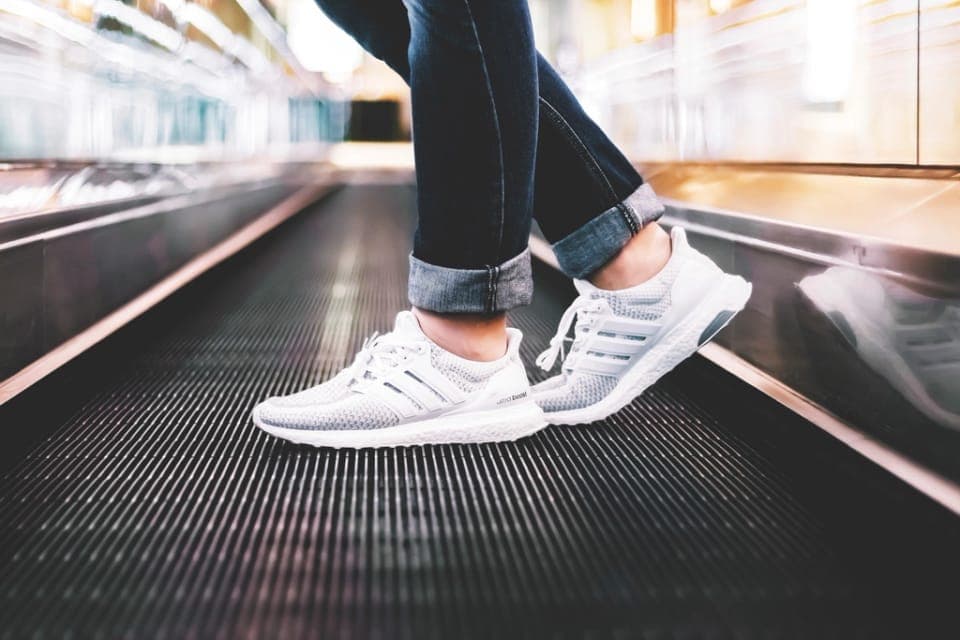 Toughest off the shelfMerrell Trail Glove 7A 14 mm stack, zero drop and a Vibram outsole - the most mainstream way to hike in a minimalist shoe, available waterproof or not. | Vibram outsole at 14 mm | |
| 4 | 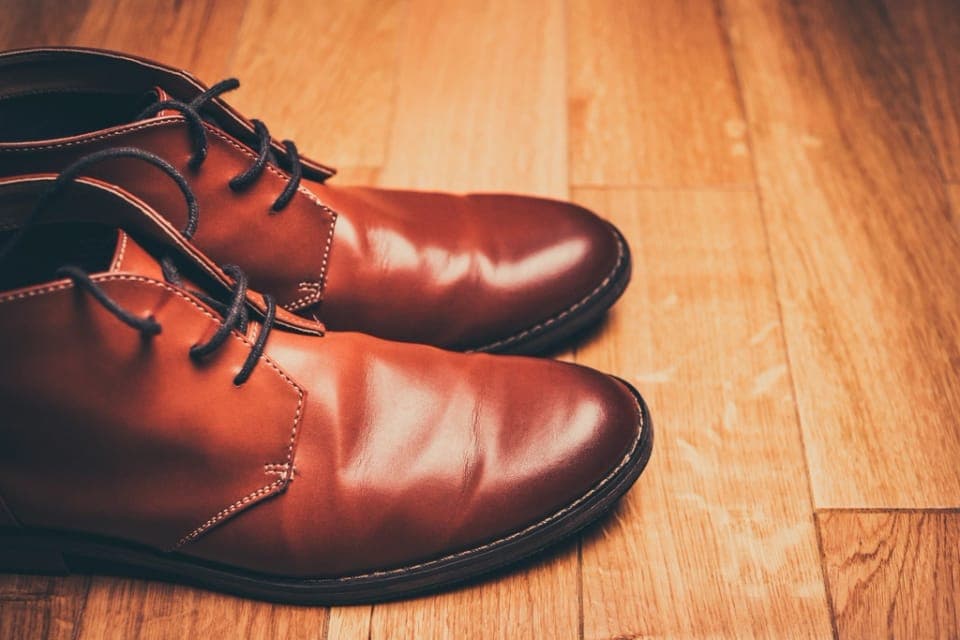 Best waterproofLems Boulder Boot GripA waterproof zero-drop boot that packs almost flat. It is a light work and farm boot, not safety footwear, and Lems does not claim otherwise. | Treated leather that survives weather | |
| 5 |  Best mainstreamXero Shoes PrioThe closest thing to a default first barefoot shoe: genuinely wide, genuinely flexible, and cheap enough that a failed experiment does not hurt. | Reasonable life at a reasonable price |
#ad Prices come from the retailer and change; we never publish a figure we have not verified live. Affiliate disclosure.
Durability is the cost of this category that nobody mentions in the roundups, so here it is plainly: barefoot shoes wear out faster than conventional shoes. There is less material, the outsole is thinner by design, and the budget end of the market is built to a price.
That is not a scandal — it is arithmetic. A 5 mm outsole has less rubber to lose than a 20 mm one before you are through it. But it changes how you should think about buying.
The thing that actually matters: resolable or not
On a thin shoe, the outsole is almost always the first thing to fail, and it usually fails while the upper is still perfectly good. Which means the single most important durability question is not "how long does the outsole last" but "can it be replaced?"
Softstar's shoes are made to order and repairable. Jim Green's boots are resolable. In both cases the shoe outlasts its own outsole, potentially several times over, and the cost per year collapses accordingly. Nothing in the budget end of the category is resolable, and that is the real difference between a $40 shoe and a $200 one — not the first year, the fifth.
Rough durability expectations
Six things that genuinely extend the life of any pair
- Rotate two pairs. The single biggest lever. Shoes need time to dry out, and alternating roughly doubles the life of both.
- Keep the insole in. It takes abrasion that would otherwise hit the shoe's footbed, and replacing an insole is far cheaper than replacing a shoe.
- Dry them properly, away from heat. Direct heat on a radiator hardens and cracks glue lines and leather. Room temperature, out of the shoe.
- Choose your surfaces where you can. Abrasive concrete and loose gravel are the hardest wear in the category. Dirt and grass are nearly free.
- Resole early. If the shoe is resolable, do it before you wear through into the midsole — once that is gone the repair is no longer viable.
- Walk the way the shoe wants. A shoe worn down hard at one edge usually means a gait quirk the shoe is absorbing; worth noticing rather than just replacing the shoe.
Buying for durability, honestly
Two legitimate strategies, and they point in opposite directions.
Buy cheap and replace. Two $40 shoes a year is $80 a year, and you get a fresh outsole every time. For someone still finding out what fits them, this is the rational choice, and the money you would have spent on a premium shoe is better spent after you know your size. Affordable picks.
Buy once and maintain. A resolable shoe at a premium price, resoled every couple of years. Cheaper over five years, better materials, and far less waste — provided you already know the last fits you.
What is not a strategy is buying a premium non-resolable shoe and expecting it to last like a conventional boot. The outsole is still thin.
Before you order: fit and transition
Two things matter more than which shoe on this page you pick, and both are free.
Get the size right. Barefoot brands size from internal length rather than from a conventional size label, and you need roughly 10 to 15 mm beyond your longest toe — more than a normal fitting leaves. Measure your feet, then use the sizing guide and the cross-brand table. Sizing up to get a wider shoe does not work: lasts scale in length, so you get heel slip and toes sitting behind the widest part of the shoe.
Build up slowly. The documented risk in this category is bone stress injury from a rushed transition — in one MRI study of 36 runners, 10 of the 19 who spent 10 weeks moving into minimal shoes developed new bone-marrow edema, mostly without symptoms. Keep your current shoes, add minimal-shoe hours gradually, and judge by how your feet feel the next morning. The transition plan.
The picks in detail
Ranked by expected service life, with the resolable options at the top because that is what actually decides cost per year.
1. Longest lasting
Softstar Megagrip Primal RunAmoc
A 9.5 mm Vibram Megagrip sole with no insole at all, made to order in the USA - the shoe to buy when every mass-market last has failed your foot.
What works
- Vibram Megagrip on a genuinely thin, insole-free sole
- Made to order, including wide and extra-wide options
- Repairable and resolable rather than disposable
What does not
- Moccasin styling will not suit everyone
- Lead time, and brand-direct only
- Premium price
Skip these if: You need the shoe this week, or you want something that looks like a sneaker.
Specifications as published by the maker and reported by Outdoor Life, best barefoot shoes 2026 stated specifications. We have not measured them ourselves. All brand fit profiles
2. Best value long-term
Jim Green African Ranger
A 15 mm-stack reinforced-toe boot in noticeably softer leather than the rest - the comfortable option when you are not required to wear a safety toe.
What works
- Softer leather means almost no break-in
- Resolable, so it outlasts its outsole
- 15 mm of stack for all-day standing
What does not
- No certification
- Softer leather scuffs and marks quickly
Skip these if: You need certified protection, or you want a boot that keeps a smart appearance.
Specifications as published by the maker and reported by Anya's Reviews, zero-drop and minimalist work boots. We have not measured them ourselves. All brand fit profiles
3. Toughest off the shelf
Merrell Trail Glove 7
A 14 mm stack, zero drop and a Vibram outsole - the most mainstream way to hike in a minimalist shoe, available waterproof or not.
What works
- Vibram traction that holds on wet rock
- Enough stack to hike a full day on mixed terrain
- Easy to find in stores and easy to return
What does not
- Toe box is moderate, not wide - Merrell's last is narrower than Xero's
- 14 mm is firm cushioning, not soft
Skip these if: You need a genuinely wide or extra-wide forefoot.
Specifications as published by the maker and reported by BikeHikeSafari, best barefoot shoes 2026 stated specifications. We have not measured them ourselves. Merrell fit profile
4. Best waterproof
Lems Boulder Boot Grip
A waterproof zero-drop boot that packs almost flat. It is a light work and farm boot, not safety footwear, and Lems does not claim otherwise.
What works
- Waterproof without feeling like a plastic bag
- Packs flatter than any other boot here
- Wide, rounded toe box with room for toe splay
What does not
- Soft toe offers no impact protection
- Thin sole underfoot for a boot of this height
Skip these if: Your site requires a safety toe. This boot will not pass an inspection.
Specifications as published by the maker and reported by Anya's Reviews, zero-drop and minimalist work boots. We have not measured them ourselves. Lems Shoes fit profile
5. Best mainstream
Xero Shoes Prio
The closest thing to a default first barefoot shoe: genuinely wide, genuinely flexible, and cheap enough that a failed experiment does not hurt.
What works
- Removable 2 mm insole, so you can go thinner as your feet adapt
- Wide enough for most square and plateau foot shapes
- Flexes and rolls flat, which is the quickest way to spot a fake minimalist shoe
What does not
- The lacing panel can pressure a high instep
- Thin heel padding is noticeable on hard floors for the first week
Skip these if: You have a high-volume foot and dislike lace pressure across the top, or you need any cushioning at all on day one.
Specifications as published by the maker and reported by Xero Shoes Prio listing specifications. We have not measured them ourselves. Xero Shoes fit profile
Common questions
How long do barefoot shoes last?
Budget marketplace pairs a season or two; mainstream brands a year or more; resolable shoes effectively years, because you replace the outsole rather than the shoe. The outsole is nearly always the first thing to fail.
What is the most durable barefoot shoe?
The resolable ones: Softstar's made-to-order leather shoes and Jim Green's boots. Off the shelf and non-resolable, a Vibram-soled Merrell Trail Glove 7 at 14 mm is among the toughest.
Why do barefoot shoes wear out so fast?
Less material. A 5 mm outsole has less rubber to lose before you are through it than a 20 mm one. It is construction arithmetic rather than poor quality.
Can barefoot shoes be resoled?
Some can — Softstar and Jim Green are built for it. Most cannot, which is the single biggest difference between tiers in this category over a five-year horizon.
Does rotating pairs really help?
It is the biggest free lever available. Shoes need time to dry out between wears, and alternating two pairs roughly doubles the life of both.
Sources
- Outdoor Life, best barefoot shoes 2026 — stated stack heights and weights
- RunRepeat barefoot running shoes catalog
- Ridge et al., foot bone marrow edema after 10-week transition to minimal footwear
- Anya's Reviews, zero-drop and minimalist work boots — resolability and construction notes
Accessed October 2026. Where a source is a manufacturer, the specification is theirs as published — we have not measured it.
Read next

Best Budget
Best affordable barefoot shoes (October 2026)
Five budget picks that are genuinely wide and flat, differentiated by volume — plus exactly which corners each cuts.
By Brijon M. · Updated October 2026
Top pick: Saguaro Chaser (Smart II / Vitality III)

Best Overall
The best barefoot shoes (October 2026)
Eight shoes from 4 mm to 25 mm underfoot, ranked on how many jobs each does well, with honest cons throughout.
By Brijon M. · Updated October 2026
Top pick: Xero Shoes Prio
Best Work Boots
Best barefoot work boots (October 2026)
Eight zero-drop work boots organized by certification, with each boot's published safety marking quoted exactly.
By Brijon M. · Updated October 2026
Top pick: Carets Determination Boot
#ad — brand-direct link, we earn nothing on it. Why we still list it
Best Winter Boots
Best barefoot winter boots (October 2026)
Thin soles conduct cold. The five warmest zero-drop boots, plus why waterproof is not the same as warm.
By Brijon M. · Updated October 2026
Top pick: HOBIBEAR Warm Wide Toe Box Barefoot Boots
Best for Everyday Use
Best barefoot shoes for everyday use (October 2026)
Six shoes chosen for ten-hour days on hard surfaces — where stack height matters more than ground feel.
By Brijon M. · Updated October 2026
Top pick: Xero Shoes Prio
Widest Toe Box
Lems Shoes: fit, sizing and the widest toe box off the shelf
One of the widest and tallest toe boxes sold off the shelf, why it runs long, and the heel-slip trade-off.
By Brijon M. · Updated October 2026
Top pick: Lems Primal Zen