Are barefoot shoes good for walking?
Yes — this is the use case where the benefits are most accessible and the risks are lowest.
By Brijon M. · Updated October 2026
Yes, and it is the best use for them. Walking provides nearly all the adaptation stimulus — foot muscles, calf length, toe splay — at a fraction of running's peak loading. The one variable that matters is matching stack height to your surface.
How this page is funded: some links here are Amazon affiliate links, so we may earn a commission if you buy — at no extra cost to you. It never changes which products we include or how we rank them, and we take no payment from brands for placement. Full disclosure.

Quick picks
Tap any row to jump to the full write-up. Selection is specification-led, not wear-tested — how we choose.
| # | Product | Best for | Price |
|---|---|---|---|
| 1 |  Best all-roundXero Shoes PrioThe closest thing to a default first barefoot shoe: genuinely wide, genuinely flexible, and cheap enough that a failed experiment does not hurt. | Mixed surfaces | |
| 2 | 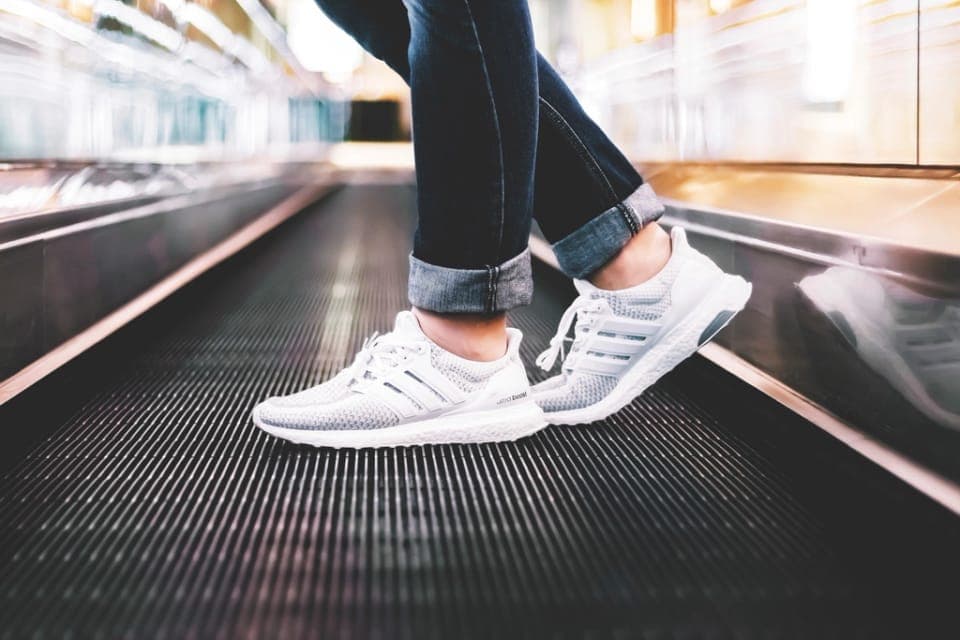 Best on concreteMerrell Trail Glove 7A 14 mm stack, zero drop and a Vibram outsole - the most mainstream way to hike in a minimalist shoe, available waterproof or not. | 14 mm with Vibram traction | |
| 3 | 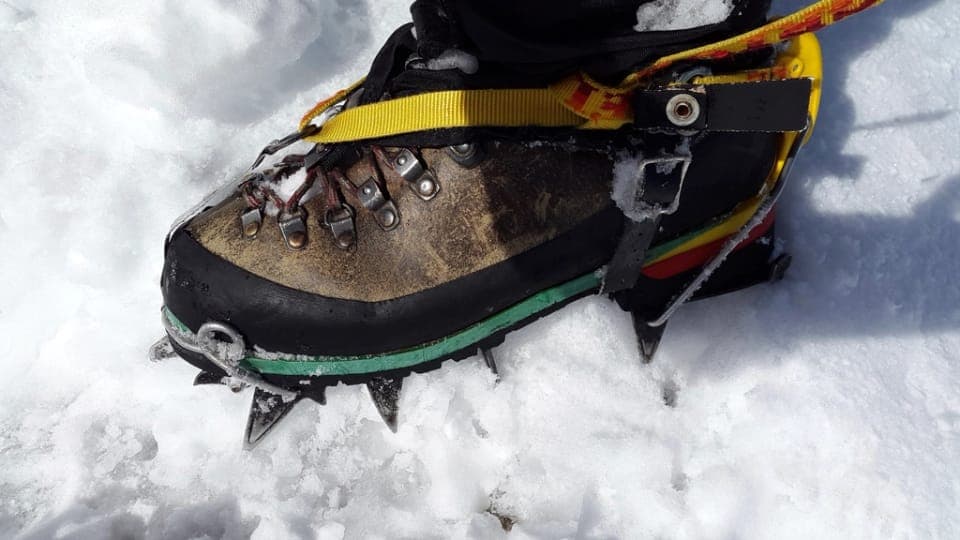 Best for beginnersXero Shoes Scrambler LowAn 11.5 mm stack with 4 mm of foam and a removable 3.5 mm insole - the most forgiving zero-drop shoe here, and the one we would hand a nervous switcher. | 11.5 mm with a removable insole |
#ad Prices come from the retailer and change; we never publish a figure we have not verified live. Affiliate disclosure.
Yes, and more than that: if you only use barefoot shoes for one activity, walking is the one to pick. It is where the benefit-to-risk ratio is best in the entire category.
Why walking specifically
Walking in minimal shoes delivers nearly all of the adaptation stimulus. Your intrinsic foot muscles work, your calf and Achilles lengthen, your toes splay under load. The strengthening evidence reflects this directly: in the randomized trial comparing a foot-strengthening program against minimal footwear against a control, the minimal-footwear arm was a walking intervention.
And it delivers that at a fraction of running's peak loading. The documented injuries in this category came from running transitions — the 2013 Ridge MRI study that found bone-marrow edema in 10 of 19 participants was a running protocol. Walking gets you the adaptation without the bone-loading problem that makes running a months-long project.
That is why every transition plan on this site is walking-first. Comfortable all-day walking is the gate before running, not an alternative to it.
The surface caveat
The one thing that decides whether walking in barefoot shoes is pleasant or miserable is stack height relative to your surface. Grass, dirt and park paths do their own cushioning; city concrete does not, and it is relentlessly repetitive.
The mistake is choosing stack height by ideology rather than by pavement. Walking picks by surface.
What walking in them actually changes
- Your toes spread on each step rather than being held together. Over a long walk this is the difference most people notice first.
- Your calf works through more range, which is why the first fortnight involves tightness and why the adaptation is real.
- Your foot's own arch mechanism loads and unloads, which is the mechanism behind the measured muscle growth.
- You feel the surface, which makes uneven ground more interesting and sharp gravel less so.
Who should be careful
Walking is low-risk, not no-risk. Anyone with reduced sensation in their feet should treat thin soles with caution regardless of activity, because the protection you give up is protection you cannot monitor by feel. Anyone currently in foot pain should get a diagnosis before changing footwear. And anyone with a history of metatarsal stress fracture should build up more slowly than the general advice suggests.
Before you order: fit and transition
Two things matter more than which shoe on this page you pick, and both are free.
Get the size right. Barefoot brands size from internal length rather than from a conventional size label, and you need roughly 10 to 15 mm beyond your longest toe — more than a normal fitting leaves. Measure your feet, then use the sizing guide and the cross-brand table. Sizing up to get a wider shoe does not work: lasts scale in length, so you get heel slip and toes sitting behind the widest part of the shoe.
Build up slowly. The documented risk in this category is bone stress injury from a rushed transition — in one MRI study of 36 runners, 10 of the 19 who spent 10 weeks moving into minimal shoes developed new bone-marrow edema, mostly without symptoms. Keep your current shoes, add minimal-shoe hours gradually, and judge by how your feet feel the next morning. The transition plan.
The picks in detail
Three shoes for walking, chosen by surface rather than by ranking.
1. Best all-round
Xero Shoes Prio
The closest thing to a default first barefoot shoe: genuinely wide, genuinely flexible, and cheap enough that a failed experiment does not hurt.
What works
- Removable 2 mm insole, so you can go thinner as your feet adapt
- Wide enough for most square and plateau foot shapes
- Flexes and rolls flat, which is the quickest way to spot a fake minimalist shoe
What does not
- The lacing panel can pressure a high instep
- Thin heel padding is noticeable on hard floors for the first week
Skip these if: You have a high-volume foot and dislike lace pressure across the top, or you need any cushioning at all on day one.
Specifications as published by the maker and reported by Xero Shoes Prio listing specifications. We have not measured them ourselves. Xero Shoes fit profile
2. Best on concrete
Merrell Trail Glove 7
A 14 mm stack, zero drop and a Vibram outsole - the most mainstream way to hike in a minimalist shoe, available waterproof or not.
What works
- Vibram traction that holds on wet rock
- Enough stack to hike a full day on mixed terrain
- Easy to find in stores and easy to return
What does not
- Toe box is moderate, not wide - Merrell's last is narrower than Xero's
- 14 mm is firm cushioning, not soft
Skip these if: You need a genuinely wide or extra-wide forefoot.
Specifications as published by the maker and reported by BikeHikeSafari, best barefoot shoes 2026 stated specifications. We have not measured them ourselves. Merrell fit profile
3. Best for beginners
Xero Shoes Scrambler Low
An 11.5 mm stack with 4 mm of foam and a removable 3.5 mm insole - the most forgiving zero-drop shoe here, and the one we would hand a nervous switcher.
What works
- The removable 3.5 mm insole gives you two shoes in one as your feet adapt
- Enough foam to survive a full day on concrete in week one
- Still flexes and still zero drop
What does not
- 11.5 mm is a lot of shoe if you came for ground feel
- Heavier than the rest of the line
Skip these if: You have already transitioned and want maximum ground feel - this will feel like a normal sneaker.
Specifications as published by the maker and reported by Outdoor Life, best barefoot shoes 2026 stated specifications. We have not measured them ourselves. Xero Shoes fit profile
Common questions
Are barefoot shoes good for walking long distances?
Once adapted, yes. During a transition, build from an hour upward. Fatigue compounds over distance, so a shoe comfortable at hour one may not be at hour six — which is an argument for more stack height on long walks, not less.
Is walking in barefoot shoes safer than running?
Substantially. The documented injuries in this category came from running transitions, where bone is the limiting tissue. Walking delivers nearly the same adaptation stimulus at much lower peak loads.
How much walking should I start with?
About an hour a day, on soft ground, with your normal shoes for everything else. Then grow it weekly, judged by how your feet feel the following morning.
Are barefoot shoes good for walking on pavement?
With enough stack height. Concrete is the least forgiving surface in the whole category. Start at 10 to 14 mm and reduce over months if you want to.
Will walking in them strengthen my feet?
The minimal-footwear arm of the randomized trial that measured intrinsic foot muscle cross-sectional area was a walking intervention, so yes — this is the activity the evidence most directly supports.
Sources
- Outdoor Life, best barefoot shoes 2026 — stated stack heights and weights
- RunRepeat barefoot running shoes catalog
- Ridge et al., foot bone marrow edema after 10-week transition to minimal footwear
- A Comparison of Foot Strengthening versus Minimal Footwear Use on Intrinsic Muscle Size and Strength
- Effects of Minimalist Shoes on Plantar Intrinsic Foot Muscle Size and Strength: A Review
Accessed October 2026. Where a source is a manufacturer, the specification is theirs as published — we have not measured it.
Read next

Best for Walking
Best barefoot shoes for walking (October 2026)
The best use for these shoes and the safest route to adaptation. Six picks matched to surface, from park paths to concrete.
By Brijon M. · Updated October 2026
Top pick: Xero Shoes Prio

How to transition to barefoot shoes
A concrete 16-week plan with numbers, built around the MRI study that found bone-marrow edema in 10 of 19 transitioning runners.
By Brijon M. · Updated October 2026
Top pick: Xero Shoes Scrambler Low

Do barefoot shoes strengthen your feet?
Yes — ultrasound studies measured 7-11% muscle size gains and 9-57% strength gains. What that means and how to get it safely.
By Brijon M. · Updated October 2026
Top pick: Vibram FiveFingers KSO EVO

Can you wear barefoot shoes every day?
Yes, once adapted. Three caveats — the ramp-up, hard surfaces, winter — and the one job the category does badly.
By Brijon M. · Updated October 2026
Top pick: Xero Shoes Prio
Are barefoot shoes good for running?
Yes for patient runners with no relevant injury history. The case for, the case against, and who should not bother.
By Brijon M. · Updated October 2026
Top pick: Xero Shoes HFS II
Are barefoot shoes good for standing all day?
Both sides of the standing question, the mechanism behind it, and a four-step way to test it without losing a week of work.
By Brijon M. · Updated October 2026
Top pick: Lems Primal Zen