Best for Walking
Best barefoot shoes for walking (October 2026)
The single best use for these shoes, and the safest way to build the adaptation that running demands.
By Brijon M. · Updated October 2026
Walking is where barefoot shoes make the most sense: full adaptation stimulus, a fraction of running's peak loading. Match stack height to surface — 8 mm is fine on park paths, 11 mm or more for city concrete, and the Xero Prio sits sensibly in between.
How this page is funded: some links here are Amazon affiliate links, so we may earn a commission if you buy — at no extra cost to you. It never changes which products we include or how we rank them, and we take no payment from brands for placement. Full disclosure.
Quick picks
Tap any row to jump to the full write-up. Selection is specification-led, not wear-tested — how we choose.
| # | Product | Best for | Price |
|---|---|---|---|
| 1 |  Best overallXero Shoes PrioThe closest thing to a default first barefoot shoe: genuinely wide, genuinely flexible, and cheap enough that a failed experiment does not hurt. | Mixed surfaces, most distances | |
| 2 | 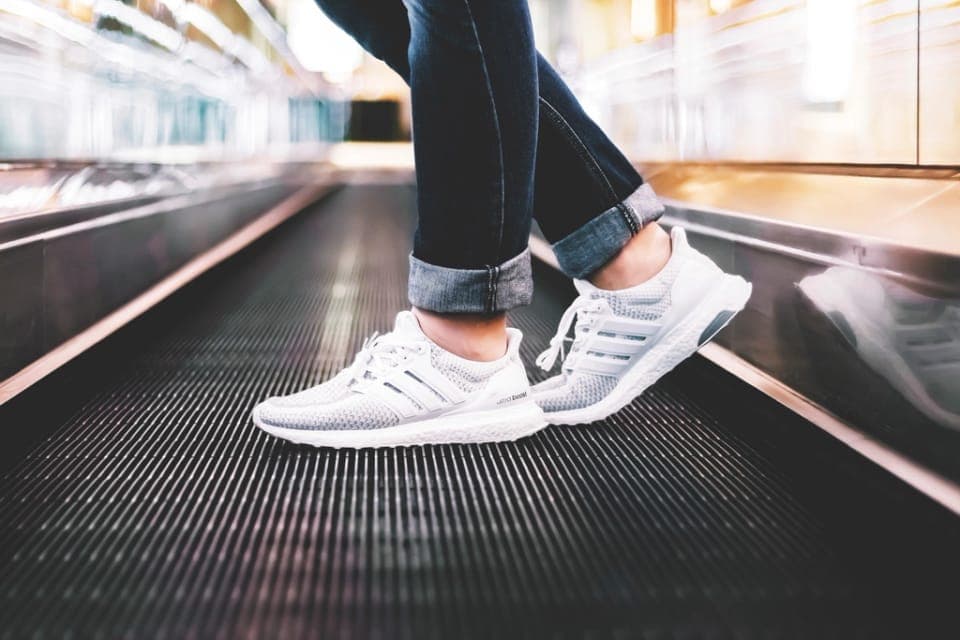 Best on concreteMerrell Trail Glove 7A 14 mm stack, zero drop and a Vibram outsole - the most mainstream way to hike in a minimalist shoe, available waterproof or not. | 14 mm and a durable Vibram outsole | |
| 3 |  Most comfortableLems Primal ZenLems builds one of the roomiest everyday lasts in the category - if other barefoot shoes still feel tight across the toes, start here. | Long walks, broad feet | |
| 4 | 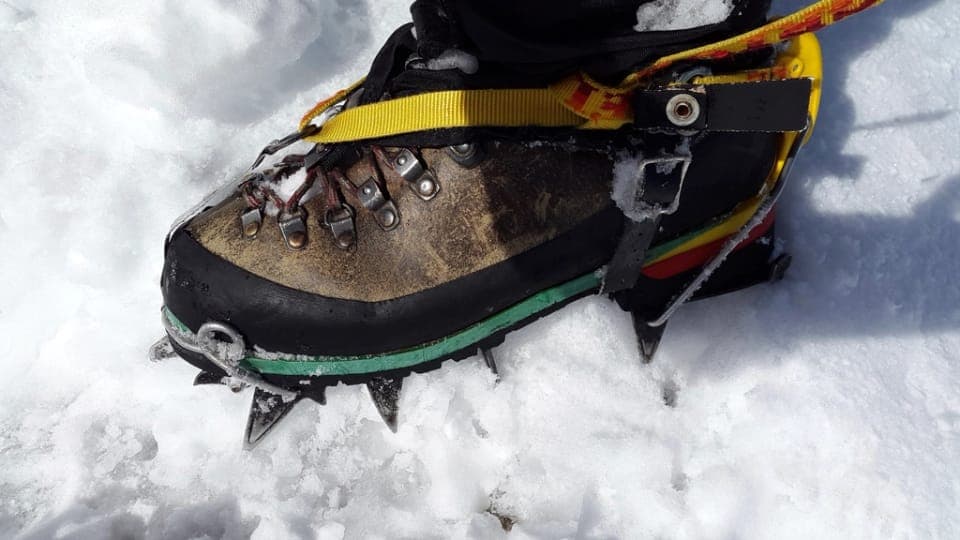 Best for new switchersXero Shoes Scrambler LowAn 11.5 mm stack with 4 mm of foam and a removable 3.5 mm insole - the most forgiving zero-drop shoe here, and the one we would hand a nervous switcher. | 11.5 mm with a removable insole | |
| 5 | 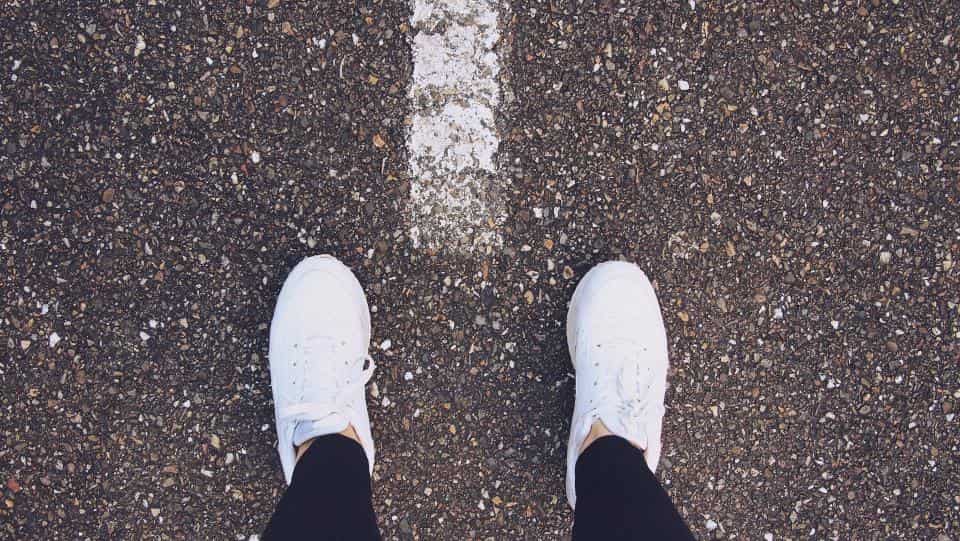 Best ground feelVivobarefoot Primus Lite IIIA 2 mm sole with 2 mm of tread at 7.9 oz. About as close to barefoot as a closed shoe gets, and the yardstick everything else is measured against. | Adapted feet, softer surfaces | |
| 6 |  Best budgetSaguaro Chaser (Smart II / Vitality III)The roomiest of the budget marketplace brands - more space around the ankle and over the toes than WHITIN, which is the difference that matters if you have a thick foot. | Daily walking on a low budget |
#ad Prices come from the retailer and change; we never publish a figure we have not verified live. Affiliate disclosure.
If you only ever use barefoot shoes for one thing, make it walking. It is the use case where the benefits are most accessible and the risks are lowest, and it is also the foundation everything else on this site is built on.
Why walking is the ideal use
Walking in minimal shoes gives you nearly all of the adaptation stimulus — your intrinsic foot muscles work, your calf lengthens, your toes splay — at a fraction of running's peak loading. The strengthening evidence reflects this: a randomized trial's minimal-shoe arm was a walking intervention, and it was measured against both a strengthening program and a control.
Meanwhile the documented injuries in this category came from running. The 2013 Ridge MRI study that found bone-marrow edema in 10 of 19 participants was a running transition. Walking is the same adaptation with far less of the risk.
This is also why every transition plan on this site is walking-first: comfortable all-day walking is the gate before running, not an alternative to it. The plan.
Match the stack height to the surface
The common mistake is choosing stack height by ideology rather than by pavement. If your walking is urban, start at the thicker end and work down over months. The adaptation comes from the flat platform and the wide toe box, both of which you get at 14 mm.
How we chose
The criteria, applied in this order:
- Enough stack height for hard surfaces, weighted toward 8 mm and up rather than toward the thinnest options.
- Outsole durability, because walking accumulates more miles than any other use on this site.
- Toe-box width, which over a long walk is the difference between comfort and a sore little toe.
- Upper comfort over hours: soft materials, minimal internal seams, adjustable lacing.
- Weight, which matters over distance even though it matters less than on a run.
- Currently sold in the US, verified at build time.
Before you order: fit and transition
Two things matter more than which shoe on this page you pick, and both are free.
Get the size right. Barefoot brands size from internal length rather than from a conventional size label, and you need roughly 10 to 15 mm beyond your longest toe — more than a normal fitting leaves. Measure your feet, then use the sizing guide and the cross-brand table. Sizing up to get a wider shoe does not work: lasts scale in length, so you get heel slip and toes sitting behind the widest part of the shoe.
Build up slowly. The documented risk in this category is bone stress injury from a rushed transition — in one MRI study of 36 runners, 10 of the 19 who spent 10 weeks moving into minimal shoes developed new bone-marrow edema, mostly without symptoms. Keep your current shoes, add minimal-shoe hours gradually, and judge by how your feet feel the next morning. The transition plan.
The picks in detail
Ranked on comfort over distance on hard surfaces, which is what walking actually asks of a shoe.
1. Best overall
Xero Shoes Prio
The closest thing to a default first barefoot shoe: genuinely wide, genuinely flexible, and cheap enough that a failed experiment does not hurt.
What works
- Removable 2 mm insole, so you can go thinner as your feet adapt
- Wide enough for most square and plateau foot shapes
- Flexes and rolls flat, which is the quickest way to spot a fake minimalist shoe
What does not
- The lacing panel can pressure a high instep
- Thin heel padding is noticeable on hard floors for the first week
Skip these if: You have a high-volume foot and dislike lace pressure across the top, or you need any cushioning at all on day one.
Specifications as published by the maker and reported by Xero Shoes Prio listing specifications. We have not measured them ourselves. Xero Shoes fit profile
2. Best on concrete
Merrell Trail Glove 7
A 14 mm stack, zero drop and a Vibram outsole - the most mainstream way to hike in a minimalist shoe, available waterproof or not.
What works
- Vibram traction that holds on wet rock
- Enough stack to hike a full day on mixed terrain
- Easy to find in stores and easy to return
What does not
- Toe box is moderate, not wide - Merrell's last is narrower than Xero's
- 14 mm is firm cushioning, not soft
Skip these if: You need a genuinely wide or extra-wide forefoot.
Specifications as published by the maker and reported by BikeHikeSafari, best barefoot shoes 2026 stated specifications. We have not measured them ourselves. Merrell fit profile
3. Most comfortable
Lems Primal Zen
Lems builds one of the roomiest everyday lasts in the category - if other barefoot shoes still feel tight across the toes, start here.
What works
- Among the widest forefoot shapes available off the shelf
- High enough toe box for a tall big toe or a hammer toe
- Flexes flat and packs small
What does not
- The width that makes it work looks bulbous to some people
- Heel can be loose on a narrow heel
Skip these if: You have a narrow foot - all that room becomes heel slip and a sloppy fit.
Specifications as published by the maker and reported by Lems Shoes product listing, Primal Zen. We have not measured them ourselves. Lems Shoes fit profile
4. Best for new switchers
Xero Shoes Scrambler Low
An 11.5 mm stack with 4 mm of foam and a removable 3.5 mm insole - the most forgiving zero-drop shoe here, and the one we would hand a nervous switcher.
What works
- The removable 3.5 mm insole gives you two shoes in one as your feet adapt
- Enough foam to survive a full day on concrete in week one
- Still flexes and still zero drop
What does not
- 11.5 mm is a lot of shoe if you came for ground feel
- Heavier than the rest of the line
Skip these if: You have already transitioned and want maximum ground feel - this will feel like a normal sneaker.
Specifications as published by the maker and reported by Outdoor Life, best barefoot shoes 2026 stated specifications. We have not measured them ourselves. Xero Shoes fit profile
5. Best ground feel
Vivobarefoot Primus Lite III
A 2 mm sole with 2 mm of tread at 7.9 oz. About as close to barefoot as a closed shoe gets, and the yardstick everything else is measured against.
What works
- The thinnest sole here that still works as an everyday shoe
- Genuinely wide forefoot with a rounded, foot-shaped last
- Ships with access to the brand's own barefoot fundamentals course
What does not
- 4 mm total underfoot is brutal on concrete until your feet adapt
- Low volume through the midfoot - not for a high instep
- The most expensive shoe in most of our roundups
Skip these if: You are transitioning, you have a high-volume foot, or you stand on concrete all day. All three are real reasons to start thicker.
Specifications as published by the maker and reported by Outdoor Life, best barefoot shoes 2026 stated specifications. We have not measured them ourselves. Vivobarefoot fit profile
6. Best budget
Saguaro Chaser (Smart II / Vitality III)
The roomiest of the budget marketplace brands - more space around the ankle and over the toes than WHITIN, which is the difference that matters if you have a thick foot.
What works
- More instep volume than WHITIN at the same price
- Whole-family sizing, including kids
- Very minimal sole for the money
What does not
- Thin, cheap outsole wears quickly on pavement
- Model naming changes between generations, so repeat purchases are a lottery
Skip these if: You have a low-volume or narrow foot - this will feel like a slipper.
Specifications as published by the maker and reported by Anya's Reviews, Saguaro barefoot shoes review. We have not measured them ourselves. Saguaro fit profile
Common questions
Are barefoot shoes good for walking?
They are arguably the best use for them: full adaptation stimulus at a fraction of running's peak loading. The one variable that matters is matching stack height to your surface — concrete asks for more than grass does.
How far can I walk in barefoot shoes?
Once adapted, as far as you like. During a transition, start at an hour and grow weekly, judging by how your feet feel the next morning rather than during the walk.
Are barefoot shoes good for walking on concrete?
Yes, with enough stack height. Concrete is the least forgiving surface and the one where thin soles feel worst. Start at 10 to 14 mm and reduce over months if you want to. More here.
Which barefoot shoe is best for long walks?
The Lems Primal Zen for comfort if your feet are broad, or the Merrell Trail Glove 7 at 14 mm if your route is hard-surfaced. The Xero Prio is the sensible middle for mixed surfaces.
Do I need different shoes for walking and running?
Not necessarily, but the priorities differ: walking rewards stack height and outsole durability, running rewards low weight. A good walking shoe is a reasonable first running shoe; the reverse is less true.
Sources
- Outdoor Life, best barefoot shoes 2026 — stated stack heights and weights
- RunRepeat barefoot running shoes catalog
- Ridge et al., foot bone marrow edema after 10-week transition to minimal footwear
- A Comparison of Foot Strengthening versus Minimal Footwear Use on Intrinsic Muscle Size and Strength
Accessed October 2026. Where a source is a manufacturer, the specification is theirs as published — we have not measured it.
Read next

Are barefoot shoes good for walking?
Yes — the best benefit-to-risk ratio in the category. Plus the surface table that decides which stack height you need.
By Brijon M. · Updated October 2026
Top pick: Xero Shoes Prio
Best for Everyday Use
Best barefoot shoes for everyday use (October 2026)
Six shoes chosen for ten-hour days on hard surfaces — where stack height matters more than ground feel.
By Brijon M. · Updated October 2026
Top pick: Xero Shoes Prio

How to transition to barefoot shoes
A concrete 16-week plan with numbers, built around the MRI study that found bone-marrow edema in 10 of 19 transitioning runners.
By Brijon M. · Updated October 2026
Top pick: Xero Shoes Scrambler Low

Best Overall
The best barefoot shoes (October 2026)
Eight shoes from 4 mm to 25 mm underfoot, ranked on how many jobs each does well, with honest cons throughout.
By Brijon M. · Updated October 2026
Top pick: Xero Shoes Prio
Best for Standing All Day
Best barefoot shoes for standing all day (October 2026)
Seven wide shoes for standing shifts, ranked by stack height instead of ground feel, with the anti-fatigue mat nobody else mentions.
By Brijon M. · Updated October 2026
Top pick: Lems Primal Zen
Barefoot shoe sizing, properly
Measure, do not convert. How much toe room to leave, why sizing up for width fails, and what to check when the box arrives.
By Brijon M. · Updated October 2026
Top pick: Xero Shoes Prio