Best Slip-On
The best slip-on barefoot shoes
Two shoes you genuinely step into, two that become step-ins once you set them up, and an honest note about what you give up.
By Brijon M. · Updated October 2026
The Xero Shoes Dillon Slip-On is the pick if you want a shoe with no laces at all: zero drop, a wide toe box and a soft textile upper that pulls on. The Saguaro Chaser's stretch knit is the budget answer. If heel hold matters to you, keep the laces and fit elastic lock laces instead - that is the better shoe for most people.
How this page is funded: some links here are Amazon affiliate links, so we may earn a commission if you buy — at no extra cost to you. It never changes which products we include or how we rank them, and we take no payment from brands for placement. Full disclosure.
Quick picks
Tap any row to jump to the full write-up. Selection is specification-led, not wear-tested — how we choose.
| # | Product | Best for | Price |
|---|---|---|---|
| 1 | 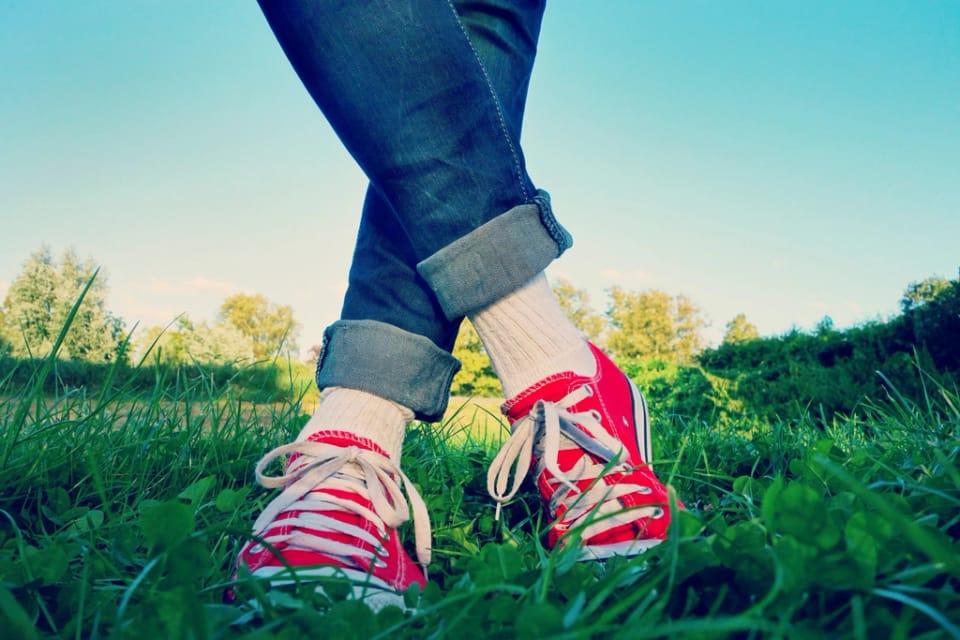 Best true slip-onXero Shoes Dillon (and Dillon Slip-On)A wide toe box in a shape that passes as a normal shoe, and - unusually for barefoot footwear - it works on a low-volume foot with the insole removed. | No laces, smart-casual, wide toe box | |
| 2 | 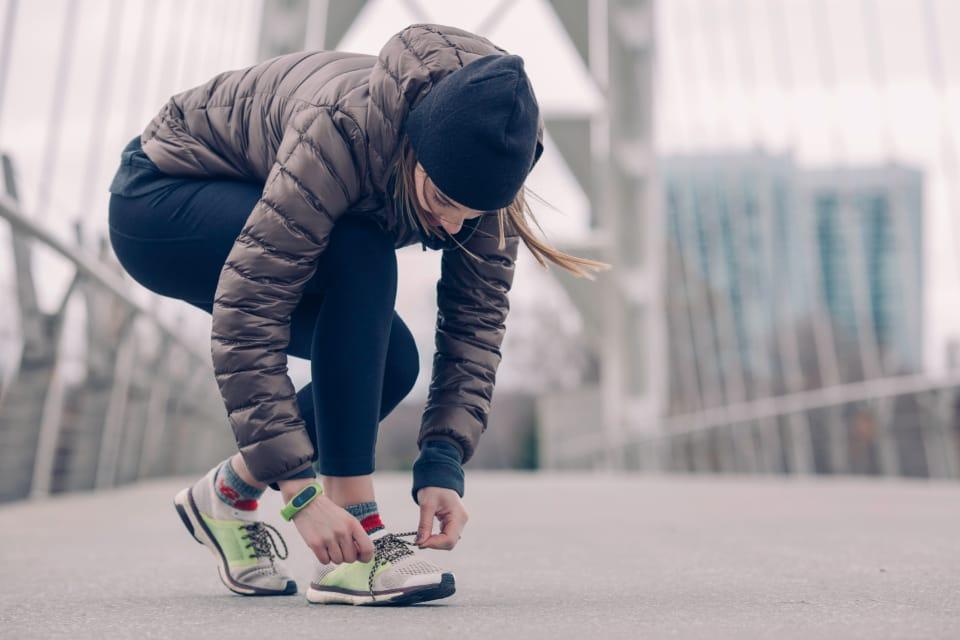 Best budgetSaguaro Chaser (Smart II / Vitality III)The roomiest of the budget marketplace brands - more space around the ankle and over the toes than WHITIN, which is the difference that matters if you have a thick foot. | Stretch knit you pull straight on | |
| 3 |  Best wide step-inLems Primal ZenLems builds one of the roomiest everyday lasts in the category - if other barefoot shoes still feel tight across the toes, start here. | Extra-wide last, slacken once and step in | |
| 4 | 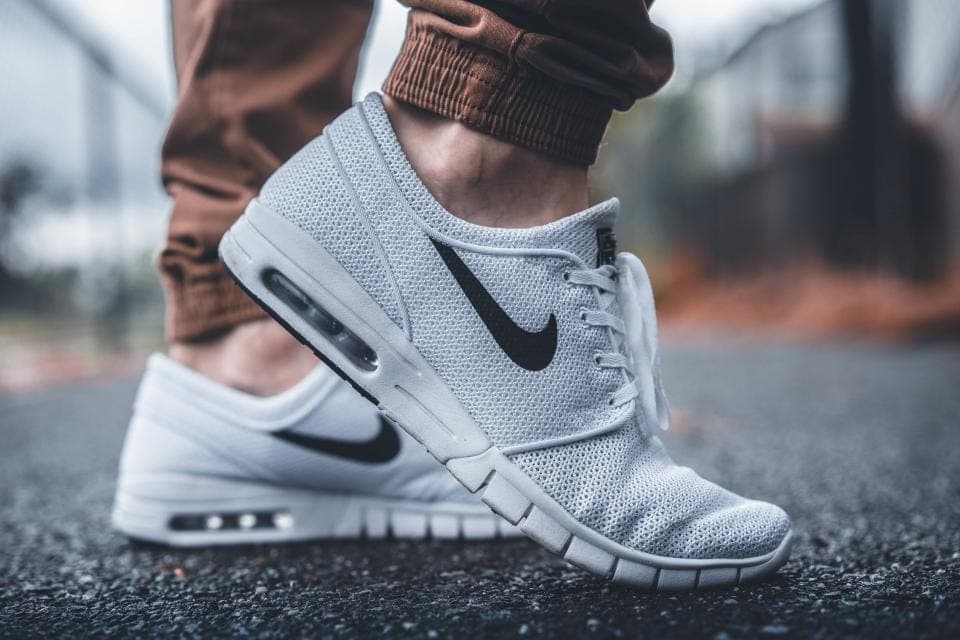 Best with lock lacesXero Shoes PrioThe closest thing to a default first barefoot shoe: genuinely wide, genuinely flexible, and cheap enough that a failed experiment does not hurt. | Real heel hold, converted to one-pull entry |
#ad Prices come from the retailer and change; we never publish a figure we have not verified live. Affiliate disclosure.
Start with the honest version: the genuinely lace-free barefoot shoe category is small. Barefoot brands lean on laces because a wide toe box plus a secure heel is hard to achieve without an adjustable closure, and a shoe you can step into is, by definition, a shoe your heel can step out of. So this page does two things — it names the shoes that really are slip-ons, and it shows you the cheap modification that gets you step-in convenience without giving up the fit.
If you want this because bending down is difficult, because you are in and out of shoes all day, or because a dress code means you are changing footwear at a door, that is a completely reasonable thing to buy for. It just pays to know which of the four shoes below is a slip-on and which is a lace-up behaving like one.
What a slip-on gives up, said plainly
A closure does one job: it stops your heel lifting out of the shoe while your forefoot stays put. Remove it and your foot has to be held by the shape of the upper alone, which works well on a foot that matches the last and poorly on one that does not.
Practically, the cost shows up in three places. Going downstairs, where a loose heel means your toes jam forward into the end of the shoe. Walking on a camber or a slope, where the foot slides laterally. And carrying anything heavy, where a slipping heel changes how you load the foot. If any of those is a daily part of your life, read the lock-lace section below before you buy a true slip-on.
How we chose
The criteria, applied in this order:
- Genuine step-in or pull-on entry, not a lace-up photographed with the laces hidden.
- Zero drop and a wide toe box, verified from published specifications - convenience does not buy an exemption.
- A collar or upper that holds the heel as well as a closure-free shoe can.
- A soft upper with no hard overlay over the instep, because that is what you drag your foot past on the way in.
- Honest labeling of the two shoes here that are lace-ups, with the modification that makes them behave like slip-ons.
- Currently sold in the US, with a budget option, and nothing invented to pad the list out.
The lock-lace conversion
This is the recommendation most people on this page actually need. Elastic laces with a spring toggle — sold everywhere for a few dollars, usually marketed to triathletes — replace the laces in any shoe here. You set the tension once, and from then on the shoe is a pull-on that still holds your heel exactly as it did before.
It costs less than a tenth of a new pair of shoes, it is reversible, and it works on the Prio, the Primal Zen and anything else with conventional eyelets. If your reason for wanting a slip-on is convenience rather than style, do this first and keep the shoe you already like. The only thing it does not solve is a dress code that objects to laces, which is the Dillon's job.
Who the true slip-ons are right for
Three groups, in our view. People whose mobility makes bending to a lace genuinely hard — the seniors roundup is the better starting point if that is you, and its picks overlap with this one. People who take shoes on and off repeatedly: a school, a studio, a home with a no-shoes rule, driving and walking in the same hour. And anyone late in pregnancy, where reaching your own feet is the constraint rather than fit — the pregnancy roundup covers that case specifically, including why heel hold is worth protecting then.
For a dress code where a slip-on has to look smart, the Dillon is the pick here, and barefoot dress shoes ranks the full set of formal options.
Before you order: fit and transition
Two things matter more than which shoe on this page you pick, and both are free.
Get the size right. Barefoot brands size from internal length rather than from a conventional size label, and you need roughly 10 to 15 mm beyond your longest toe — more than a normal fitting leaves. Measure your feet, then use the sizing guide and the cross-brand table. Sizing up to get a wider shoe does not work: lasts scale in length, so you get heel slip and toes sitting behind the widest part of the shoe.
Build up slowly. The documented risk in this category is bone stress injury from a rushed transition — in one MRI study of 36 runners, 10 of the 19 who spent 10 weeks moving into minimal shoes developed new bone-marrow edema, mostly without symptoms. Keep your current shoes, add minimal-shoe hours gradually, and judge by how your feet feel the next morning. The transition plan.
Slip-on-specific: size these at your measured length, not a half size up for easier entry. A slip-on that is already longer than your foot will slide, and a sliding foot in a laceless shoe is how toes get jammed on a staircase.
The picks in detail
Four shoes: the two true slip-ons first, then the two lace-ups worth converting.
1. Best true slip-on
Xero Shoes Dillon (and Dillon Slip-On)
A wide toe box in a shape that passes as a normal shoe, and - unusually for barefoot footwear - it works on a low-volume foot with the insole removed.
What works
- One of very few barefoot slip-ons that fits low-volume feet properly
- Reads as a normal casual shoe at an office that notices shoes
- Removable insole for volume adjustment
What does not
- Not a dress shoe - it will not pass with a suit
- Soft upper creases quickly
Skip these if: You need a genuine leather dress shoe, or you have a high-volume foot that needs the insole in.
Specifications as published by the maker and reported by Anya's Reviews, Xero Shoes Spring 2026 collection review. We have not measured them ourselves. Xero Shoes fit profile
2. Best budget
Saguaro Chaser (Smart II / Vitality III)
The roomiest of the budget marketplace brands - more space around the ankle and over the toes than WHITIN, which is the difference that matters if you have a thick foot.
What works
- More instep volume than WHITIN at the same price
- Whole-family sizing, including kids
- Very minimal sole for the money
What does not
- Thin, cheap outsole wears quickly on pavement
- Model naming changes between generations, so repeat purchases are a lottery
Skip these if: You have a low-volume or narrow foot - this will feel like a slipper.
Specifications as published by the maker and reported by Anya's Reviews, Saguaro barefoot shoes review. We have not measured them ourselves. Saguaro fit profile
3. Best wide step-in
Lems Primal Zen
Lems builds one of the roomiest everyday lasts in the category - if other barefoot shoes still feel tight across the toes, start here.
What works
- Among the widest forefoot shapes available off the shelf
- High enough toe box for a tall big toe or a hammer toe
- Flexes flat and packs small
What does not
- The width that makes it work looks bulbous to some people
- Heel can be loose on a narrow heel
Skip these if: You have a narrow foot - all that room becomes heel slip and a sloppy fit.
Specifications as published by the maker and reported by Lems Shoes product listing, Primal Zen. We have not measured them ourselves. Lems Shoes fit profile
4. Best with lock laces
Xero Shoes Prio
The closest thing to a default first barefoot shoe: genuinely wide, genuinely flexible, and cheap enough that a failed experiment does not hurt.
What works
- Removable 2 mm insole, so you can go thinner as your feet adapt
- Wide enough for most square and plateau foot shapes
- Flexes and rolls flat, which is the quickest way to spot a fake minimalist shoe
What does not
- The lacing panel can pressure a high instep
- Thin heel padding is noticeable on hard floors for the first week
Skip these if: You have a high-volume foot and dislike lace pressure across the top, or you need any cushioning at all on day one.
Specifications as published by the maker and reported by Xero Shoes Prio listing specifications. We have not measured them ourselves. Xero Shoes fit profile
Common questions
Are there slip-on barefoot shoes?
Yes, but not many. The Xero Shoes Dillon Slip-On is the clearest example, and stretch-knit shoes such as the Saguaro Chaser pull on without a closure. Most barefoot brands use laces because a wide toe box with a secure heel is hard to achieve otherwise.
What is the easiest barefoot shoe to put on?
A stretch-knit pull-on such as the Saguaro Chaser, or a true slip-on like the Xero Dillon. The cheapest route to the same convenience is fitting elastic lock laces to a lace-up shoe you already own, which keeps the heel hold you would otherwise lose.
Do slip-on shoes have worse heel hold?
Yes, by design. Without a closure, the upper shape alone has to stop your heel lifting. That shows up going downstairs, on cambered ground and when carrying something heavy. A stretch-knit collar mitigates it but does not eliminate it.
Can I make my barefoot shoes into slip-ons?
Usually. Elastic laces with a spring toggle cost a few dollars, fit any shoe with conventional eyelets, and let you set the tension once and then step in. It is the recommendation we would give most people asking this question.
Should I size up in a slip-on?
No. Fit them at your measured length with the usual 10 to 15 mm in front of your longest toe. A longer slip-on slides on the foot, and a sliding foot in a laceless shoe jams toes into the end of the shoe on stairs and descents.
Are slip-on barefoot shoes good for work?
For an office or a classroom, yes, and the Dillon is smart enough for most dress codes. For anything with a slip, puncture or impact hazard, no - certified safety footwear is the requirement, and the safety-toe roundup is the page for that.
Sources
- Outdoor Life, best barefoot shoes 2026 — stated stack heights and weights
- RunRepeat barefoot running shoes catalog
- Ridge et al., foot bone marrow edema after 10-week transition to minimal footwear
- Xero Shoes published specifications (stack heights and weights)
- Merrell published specifications, Trail Glove 7
Accessed October 2026. Where a source is a manufacturer, the specification is theirs as published — we have not measured it.
Read next
Best for Seniors
The best barefoot shoes for seniors (October 2026)
Five picks for toe room, easy entry and a forgiving stack height, with the balance and fall-risk caveat stated first.
By Brijon M. · Updated October 2026
Top pick: Xero Shoes Scrambler Low
Best Dress-Adjacent
Best barefoot dress shoes (October 2026)
A small, expensive market. What passes in a smart-casual office, what does not pass with tailoring, and the realistic workaround.
By Brijon M. · Updated October 2026
Top pick: Vivobarefoot Geo Court
Best for Pregnancy
The best barefoot shoes for pregnancy
Six wide, stable zero-drop shoes for pregnancy, ranked by heel hold and room to swell into rather than by thinness.
By Brijon M. · Updated October 2026
Top pick: Xero Shoes Scrambler Low
Best for Everyday Use
Best barefoot shoes for everyday use (October 2026)
Six shoes chosen for ten-hour days on hard surfaces — where stack height matters more than ground feel.
By Brijon M. · Updated October 2026
Top pick: Xero Shoes Prio
Best for Swollen Feet
The best barefoot shoes for swollen feet
Swelling is a volume problem, not a width problem. Five adjustable, high-volume picks, and the free insole fix to try first.
By Brijon M. · Updated October 2026
Top pick: Lems Primal Zen

Best Budget
Best affordable barefoot shoes (October 2026)
Five budget picks that are genuinely wide and flat, differentiated by volume — plus exactly which corners each cuts.
By Brijon M. · Updated October 2026
Top pick: Saguaro Chaser (Smart II / Vitality III)