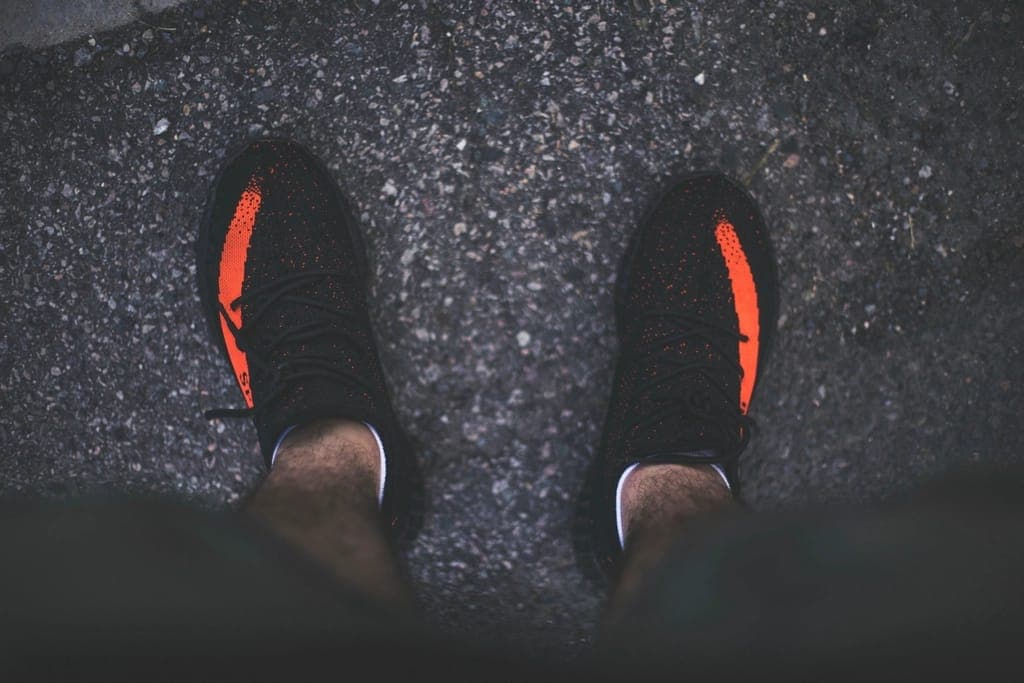
Barefoot vs Hoka
Barefoot shoes vs Hoka
The two extremes of running footwear, fairly compared — plus the wide zero-drop middle most people should try first.
By Brijon M. · Updated October 2026
Top pick: Altra Lone Peak 9
Running
The most rewarding place to use these shoes, and the easiest place to injure yourself doing it.
By Brijon M. · Updated October 2026

For road running, the Xero Shoes HFS II is the most practical true zero-drop option at 8.5 mm front and back. For the gym, a flat platform matters more than ground feel. Transition running volume over months, not weeks — the stress-injury evidence is specific to exactly this change.
Barefoot vs Hoka
The two extremes of running footwear, fairly compared — plus the wide zero-drop middle most people should try first.
By Brijon M. · Updated October 2026
Top pick: Altra Lone Peak 9
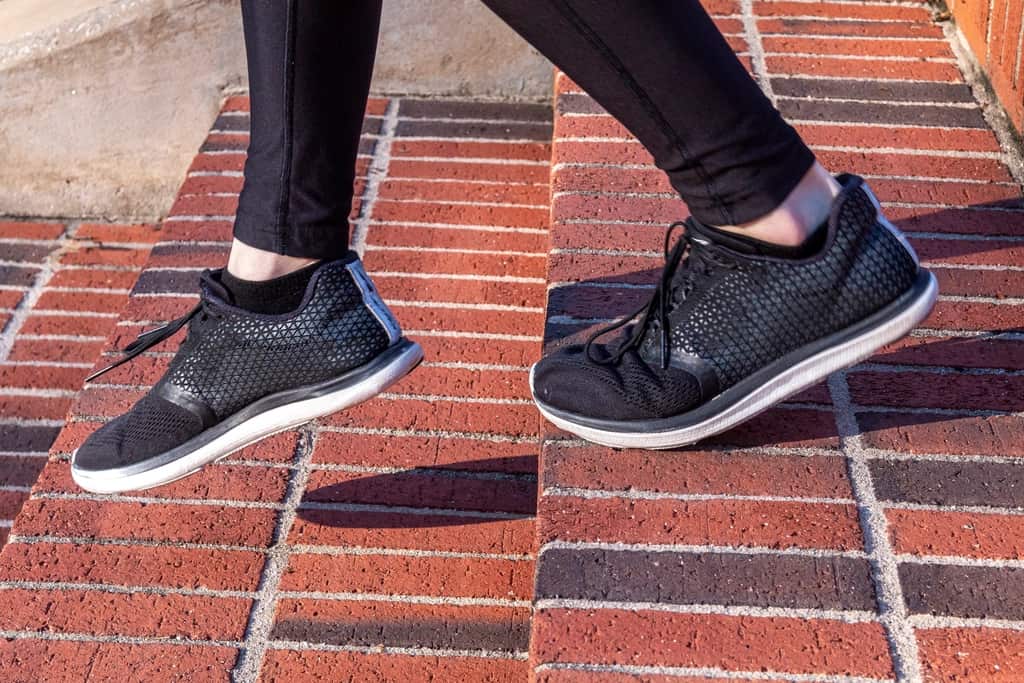
Barefoot vs Running Shoes
The most-studied comparison here. What the literature establishes about forefoot loading, and what it still does not settle.
By Brijon M. · Updated October 2026
Top pick: Xero Shoes HFS II

Best Barefoot Running Shoes
Six running shoes from 4 mm to 9.5 mm with published specs — and the transition evidence that should shape how you use them.
By Brijon M. · Updated October 2026
Top pick: Xero Shoes HFS II

Best Beginner Running Shoes
Thickest-first picks, a concrete eight-week progression, and the walking gate to clear before you buy at all.
By Brijon M. · Updated October 2026
Top pick: Topo Athletic ST-5
Best for Gym & Lifting
The lowest-risk, highest-value use in the category. Six picks, plus the honest squat-heel caveat.
By Brijon M. · Updated October 2026
Top pick: Vibram FiveFingers V-Train 2.0
Best for Treadmill
One surface, no camber, no debris, and a stop button. Why the belt is the best place to start, and five shoes for it.
By Brijon M. · Updated October 2026
Top pick: Xero Shoes HFS II

Best Minimalist Running Shoes
Thin and flat with a conventional last — the right answer for a slim foot that slips in wide barefoot shoes.
By Brijon M. · Updated October 2026
Top pick: Merrell Vapor Glove 6
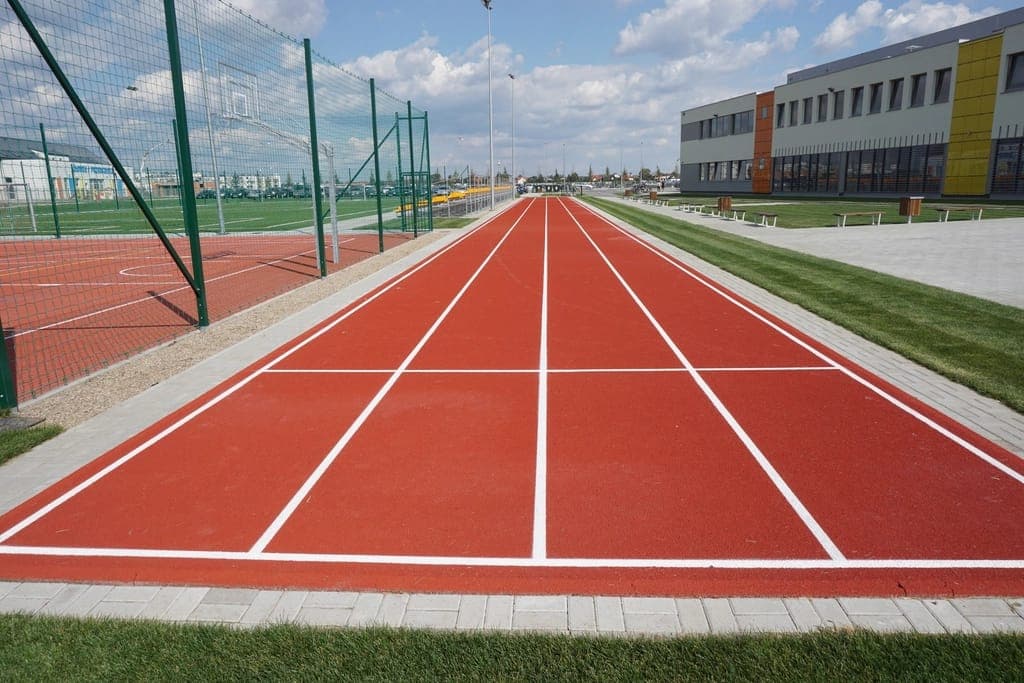
Best Zero-Drop Running Shoes
Zero drop with real cushioning: six shoes that change the geometry without the thin-sole adaptation project.
By Brijon M. · Updated October 2026
Top pick: Topo Athletic ST-5

Minimalist vs Cushioned
A trade-off between injury mechanisms, not a winner. Which tissue each option loads, and the middle both camps ignore.
By Brijon M. · Updated October 2026
Top pick: Xero Shoes HFS II
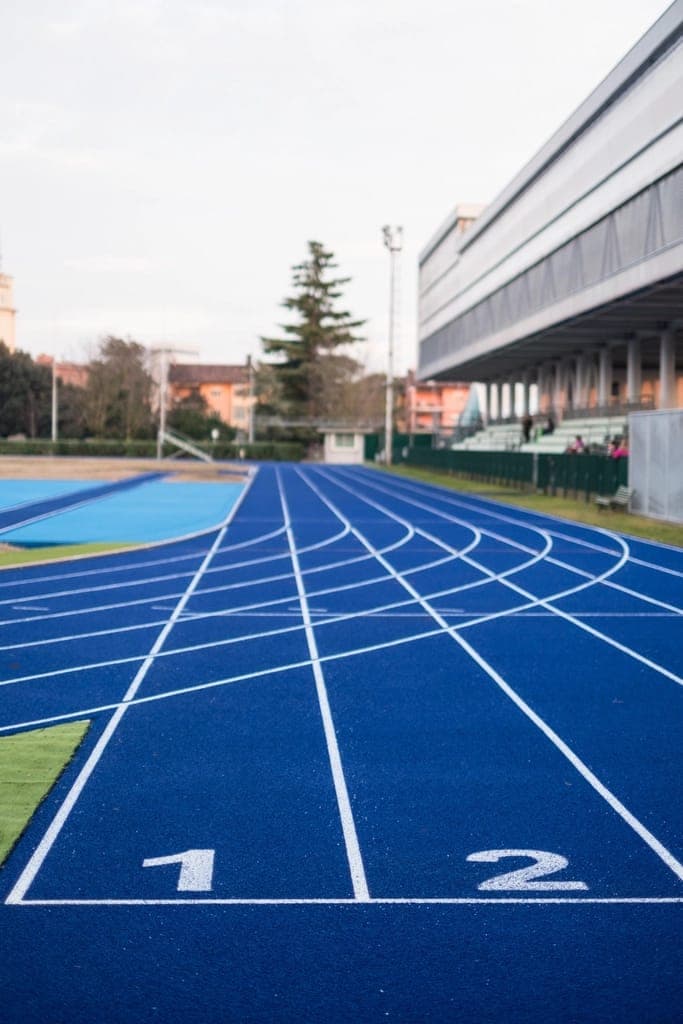
Yes for patient runners with no relevant injury history. The case for, the case against, and who should not bother.
By Brijon M. · Updated October 2026
Top pick: Xero Shoes HFS II

The hardest surface in the category. How much sole you need, why road distance builds separately, and what reduces loading.
By Brijon M. · Updated October 2026
Top pick: Merrell Trail Glove 7
Expected in the first weeks and actually informative. What is normal, six fixes, and why it says nothing about your bones.
By Brijon M. · Updated October 2026
Top pick: Topo Athletic ST-5

A six-month progression built on the bone-adaptation evidence, with the walking gate first and three stop signals.
By Brijon M. · Updated October 2026
Top pick: Topo Athletic ST-5
Running is where barefoot footwear earned both its reputation and its backlash. The reputation came first — a wave of enthusiasm around 2010 in which a lot of people threw out their cushioned shoes in a weekend. The backlash came about eighteen months later, when a lot of those people turned up at clinics with sore metatarsals.
Both halves of that story are informative. Minimal shoes genuinely change how most people land, and there is decent evidence that they build foot strength. They also move load onto your forefoot, and bone takes months to respond to new load. The people who did well were the people who were boring about it.
Road is the hardest surface and the most repetitive loading. It is also where stack height buys you the most. Most people's practical floor for regular road mileage is somewhere around 8 to 10 mm of sole — the Xero HFS II sits at 8.5 mm, which is about as thin as road running gets without a long build-up.
Trail is softer and more varied, which helps, but it introduces sharp rock. A thin sole with no rock plate is genuinely painful on gravel. That belongs in hiking as much as here.
Treadmill is the gentlest of the three and an underrated place to transition: consistent surface, no camber, and you can stop at any point without a walk home. If you are nervous about running in minimal shoes, start on a treadmill.
Gym and lifting is a different thing entirely, and arguably where minimal shoes make the most sense with the least risk. Under a loaded barbell you want a flat, stable, incompressible platform and toes that can spread to grip the floor. There is no repetitive impact loading to adapt to. The gym picks are here.
This distinction causes more confusion in running than anywhere else on the site. The Altra Lone Peak 9 is zero drop with around 25 mm of cushioning. The Vibram FiveFingers V-Run is zero drop with almost nothing. Both are described as "zero drop" and the experience could not be more different.
If what you want is a flat platform and a wide toe box without the adaptation project, a cushioned zero-drop shoe is a completely legitimate destination — not a halfway house you are supposed to be ashamed of. If what you want is ground feel and foot strength, you need the thin end, and you need to earn it. Barefoot vs zero drop lays out which is which.
Our practical sequence: get comfortable walking all day in minimal shoes first. Then run a fraction of your usual distance in them — a mile, not five — and keep the rest of your mileage in your old shoes. Then add to the minimal-shoe fraction every couple of weeks, judging by how your feet feel the following morning. The full running transition is here.
They can be, for people who transition slowly. They tend to encourage a shorter, less heel-driven stride and they build foot strength. They also increase forefoot loading, and the injury evidence is specific to runners who ramped up too quickly. Our full answer is here.
Commonly six months to a year for full mileage, starting from comfortable all-day walking in minimal shoes. That is slower than most people want to hear and faster than the people who get injured take.
Yes, but pavement is the least forgiving surface and the one where stack height matters most. Most people are better served starting on a treadmill or on packed dirt and bringing concrete in later. More here.
For lifting, they are arguably the best choice available: a flat, firm platform, no compressible heel, and toes free to spread and grip. Unlike running, there is no repetitive impact to adapt to, so the transition risk is much lower.
Accessed October 2026. Where a source is a manufacturer, the specification is theirs as published — we have not measured it.