Shoes vs Sandals
Barefoot shoes vs barefoot sandals
A sandal is the same sole with the upper deleted. That changes four things, and only one of them is comfort.
By Brijon M. · Updated October 2026
Buy the closed shoe first. A barefoot sandal gives you more ground feel, less weight and far better drying, but no toe protection, no warmth and nothing to stop grit getting underfoot. Most people end up owning both and wearing the shoe four days out of five.
How this page is funded: some links here are Amazon affiliate links, so we may earn a commission if you buy — at no extra cost to you. It never changes which products we include or how we rank them, and we take no payment from brands for placement. Full disclosure.
Quick picks
Tap any row to jump to the full write-up. Selection is specification-led, not wear-tested — how we choose.
| # | Product | Best for | Price |
|---|---|---|---|
| 1 | 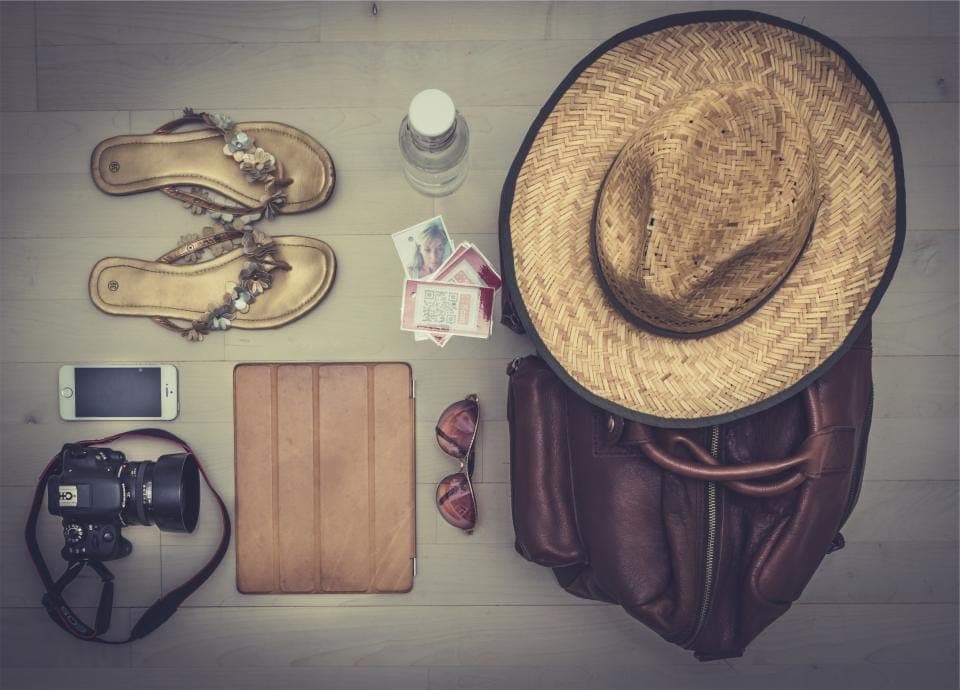 Best sandal overallXero Shoes Z-Trail EVAn 11 mm three-layer sole at under 11 oz that rolls up into a jacket pocket - the most practical barefoot sandal for people who are not sandal people. | 10.8 oz a pair, 11 mm sole | |
| 2 |  Lightest sandalEarth Runners Alpha Adventure SandalsAt 7.6 oz a pair with an 11 mm sole, this is the lightest thing on this page - vegan, with a lifetime warranty on the straps. | 7.6 oz a pair, 11 mm sole | |
| 3 | 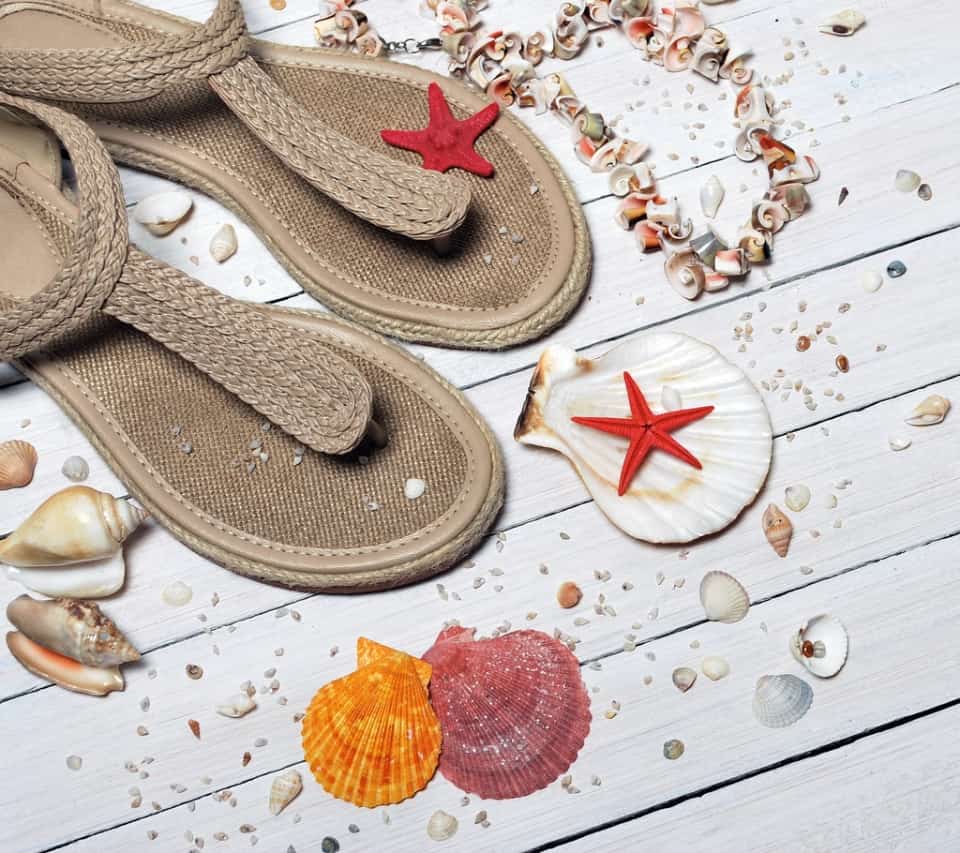 Best for rough groundLuna Sandals Middle BearA 9.4 mm bed with 4.5 mm Vibram Megagrip lugs at 14 oz - the unisex sandal that handles ground a thinner sandal cannot. | 9.4 mm plus 4.5 mm lugs | |
| 4 | 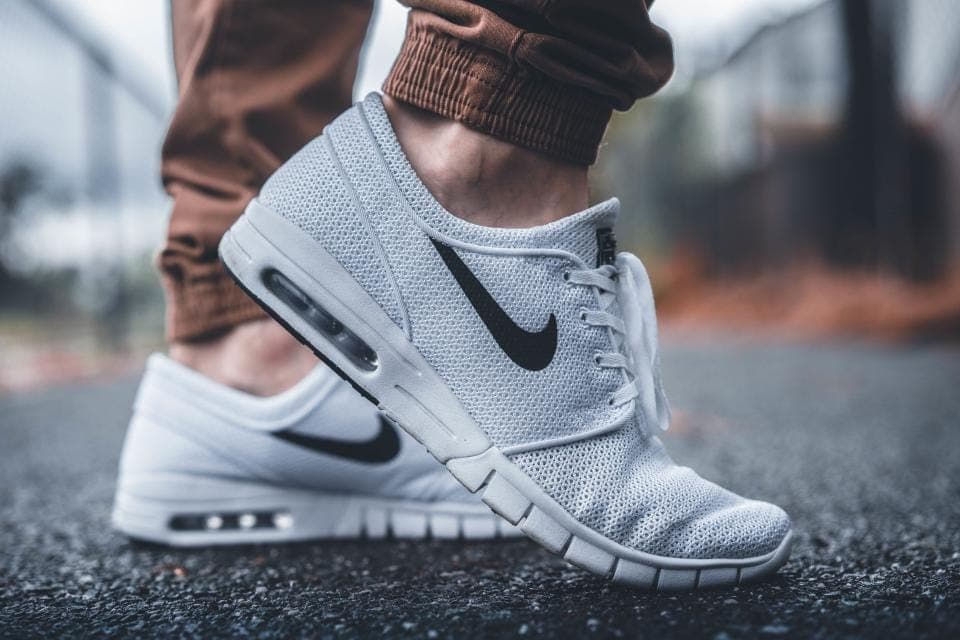 Best closed shoeXero Shoes PrioThe closest thing to a default first barefoot shoe: genuinely wide, genuinely flexible, and cheap enough that a failed experiment does not hurt. | The reference point for all of this |
#ad Prices come from the retailer and change; we never publish a figure we have not verified live. Affiliate disclosure.
A barefoot sandal is not a different category from a barefoot shoe. It is the same thin, flat, flexible sole with the upper removed and replaced by straps. Every property that makes a minimal shoe worth owning is still there — the zero drop, the ground feel, the room for your toes to splay — which is why the comparison is narrower than it first looks.
Deleting the upper changes exactly four things. Three of them are improvements.
What changes when the upper goes
Notice what is not on that list: comfort, support and foot strengthening are all essentially identical, because they come from the sole and the flat platform rather than from the upper. A sandal does not strengthen your feet more than a minimal shoe does.
Buy the closed shoe first
Two reasons, and they both come down to range.
A closed shoe does more jobs. It works in every season, in rain, with socks, at work, and on ground that has broken glass on it. A sandal covers a subset of that and covers it slightly better. If you are only buying one pair of minimal footwear, buying the one with the narrower range is a strange decision.
Heel retention is a skill. Most barefoot sandals are held on by a strap system that you need to adjust properly, and a sandal that slips is a sandal you grip with your toes to keep on — which is the exact opposite of what you came here for. Getting that adjustment right is easier once you already know what a correctly-fitting minimal shoe feels like. Flip-flops fail entirely on this point, and it is worth understanding why before you buy any open footwear.
Where the sandal wins outright
- Anything with water in it. River crossings, boats, beaches, canyons. Webbing and rubber drain and dry in minutes; a closed shoe holds water against your foot. Barefoot shoes vs water shoes goes further into this.
- Hot weather. No upper means no upper to sweat into, which matters more than any ventilation feature a mesh shoe can offer.
- Packing. A sandal rolls up to nothing, which is why one lives in the bag on every trip. Best barefoot travel shoes.
- Maximum toe splay. Nothing at all constrains the foot, which some people find is the thing they were looking for all along.
Where the sandal loses outright
- Cold. There is no version of this that works in winter.
- Protection. No toe bumper, no upper, nothing between the top of your foot and a rock. Rough trail in sandals is a real skill rather than a default.
- Grit. Anything that gets under your foot stays there until you stop and deal with it.
- Most workplaces. Open footwear is usually not an option, and never where there is a safety requirement. Barefoot work boots is the relevant page.
The practical end state for most people is one of each: a closed minimal shoe that does four or five days of the week, and a sandal for summer, water and packing. The full sandal roundup ranks seven of them if that is the half of the decision you have already made.
The picks in detail
Three sandals that take different approaches to retention and protection, plus the closed shoe they are all being compared against.
1. Best sandal overall
Xero Shoes Z-Trail EV
An 11 mm three-layer sole at under 11 oz that rolls up into a jacket pocket - the most practical barefoot sandal for people who are not sandal people.
What works
- Rolls up small enough to pack as a camp or travel second shoe
- The strap system adjusts in three places, which solves most volume problems
- Lightest practical choice for water and heat
What does not
- Strap break-in can rub the top of the foot
- Less grip on wet rock than a Vibram-soled sandal
Skip these if: You need technical traction for river crossings or scrambling - a Vibram Megagrip sandal is the better buy.
Specifications as published by the maker and reported by Greenbelly, best minimalist and running sandals specifications. We have not measured them ourselves. Xero Shoes fit profile
2. Lightest sandal
Earth Runners Alpha Adventure Sandals
At 7.6 oz a pair with an 11 mm sole, this is the lightest thing on this page - vegan, with a lifetime warranty on the straps.
What works
- Genuinely the lightest practical barefoot sandal
- Lifetime strap warranty, which the straps need
- Secure enough for hiking and water, per the roundups that measured it
What does not
- 11 mm and no lugs means limited traction on wet rock
- Flat strapping can hot-spot on a high instep
Skip these if: You want traction on technical wet terrain, or you need underfoot protection from sharp rock.
Specifications as published by the maker and reported by Greenbelly, best minimalist and running sandals specifications. We have not measured them ourselves. All brand fit profiles
3. Best for rough ground
Luna Sandals Middle Bear
A 9.4 mm bed with 4.5 mm Vibram Megagrip lugs at 14 oz - the unisex sandal that handles ground a thinner sandal cannot.
What works
- Vibram Megagrip is the best wet-rock compound in this category
- Deep lugs on a sandal, which almost nobody else does
- Unisex sizing simplifies buying
What does not
- Lugs feel odd on smooth pavement
- Premium price for a strap-and-sole product
Skip these if: Most of your wear is town and pavement.
Specifications as published by the maker and reported by Outdoor Life, best barefoot shoes 2026 stated specifications. We have not measured them ourselves. All brand fit profiles
4. Best closed shoe
Xero Shoes Prio
The closest thing to a default first barefoot shoe: genuinely wide, genuinely flexible, and cheap enough that a failed experiment does not hurt.
What works
- Removable 2 mm insole, so you can go thinner as your feet adapt
- Wide enough for most square and plateau foot shapes
- Flexes and rolls flat, which is the quickest way to spot a fake minimalist shoe
What does not
- The lacing panel can pressure a high instep
- Thin heel padding is noticeable on hard floors for the first week
Skip these if: You have a high-volume foot and dislike lace pressure across the top, or you need any cushioning at all on day one.
Specifications as published by the maker and reported by Xero Shoes Prio listing specifications. We have not measured them ourselves. Xero Shoes fit profile
Common questions
Are barefoot sandals as good as barefoot shoes?
For ground feel, toe splay, drying and weight, yes — slightly better in most cases. For protection, warmth and range of use, no. They are the same sole with the upper removed, so the differences are all about the upper.
Should I buy barefoot shoes or sandals first?
Shoes. A closed minimal shoe works in every season, in rain, with socks and at work; a sandal covers a narrower set of situations slightly better. Most people end up owning both.
Do barefoot sandals strengthen your feet more?
No. The strengthening argument rests on the thin, flexible sole and the flat platform, and those are identical in both. Removing the upper changes protection and drying, not what your foot muscles have to do.
Can you hike in barefoot sandals?
Yes, and some people do it for hundreds of miles — the Luna Middle Bear's 4.5 mm lugs exist for exactly that. It is a skill rather than a default, because you have no toe protection and grit gets underfoot.
Do barefoot sandals stay on your feet?
A correctly adjusted strap system does. A badly adjusted one slips, and then you grip with your toes to keep it on, which defeats the purpose. The retention system is the thing to research before buying any sandal.
Sources
- Outdoor Life, best barefoot shoes 2026 — stated stack heights and weights
- RunRepeat barefoot running shoes catalog
- Ridge et al., foot bone marrow edema after 10-week transition to minimal footwear
Accessed October 2026. Where a source is a manufacturer, the specification is theirs as published — we have not measured it.
Read next
Best Sandals
Best barefoot sandals (October 2026)
Six sandals from 7 mm to 14 mm, compared on sole, weight, traction and straps — plus the toe-post question.
By Brijon M. · Updated October 2026
Top pick: Xero Shoes Z-Trail EV
Barefoot vs Flip-Flops
Barefoot shoes vs flip-flops
Flip-flops pass the thin-and-flat tests and fail on retention: you grip the post with your toes, which is the opposite of toe splay.
By Brijon M. · Updated October 2026
Top pick: Xero Shoes Z-Trail EV
Best for Travel
The best barefoot travel shoes (October 2026)
Five packable minimal shoes ranked by published weight and by what each one lets you leave at home.
By Brijon M. · Updated October 2026
Top pick: Xero Shoes Z-Trail EV
Barefoot vs Water Shoes
Barefoot shoes vs water shoes
A water shoe is mostly a minimal shoe with drainage. Drying, drainage and wet grip are the only real differences.
By Brijon M. · Updated October 2026
Top pick: Saguaro Dive IV Water Shoes
Barefoot vs Birkenstock
Barefoot shoes vs Birkenstock
Contoured cork versus a flat footbed — opposite answers to the same question, plus the one Birkenstock that qualifies.
By Brijon M. · Updated October 2026
Top pick: Xero Shoes Z-Trail EV
Best Overall
The best barefoot shoes (October 2026)
Eight shoes from 4 mm to 25 mm underfoot, ranked on how many jobs each does well, with honest cons throughout.
By Brijon M. · Updated October 2026
Top pick: Xero Shoes Prio