Barefoot shoe sizing, properly
The single most common reason a good barefoot shoe gets returned is that it was bought at the buyer's usual size.
By Brijon M. · Updated October 2026
Do not order your usual size. Measure your foot length and width, then compare that number to the brand's published internal length and add 10 to 15 mm of room beyond your longest toe. Sizing up for width makes the shoe longer, not wider, and causes its own problems.
How this page is funded: some links here are Amazon affiliate links, so we may earn a commission if you buy — at no extra cost to you. It never changes which products we include or how we rank them, and we take no payment from brands for placement. Full disclosure.
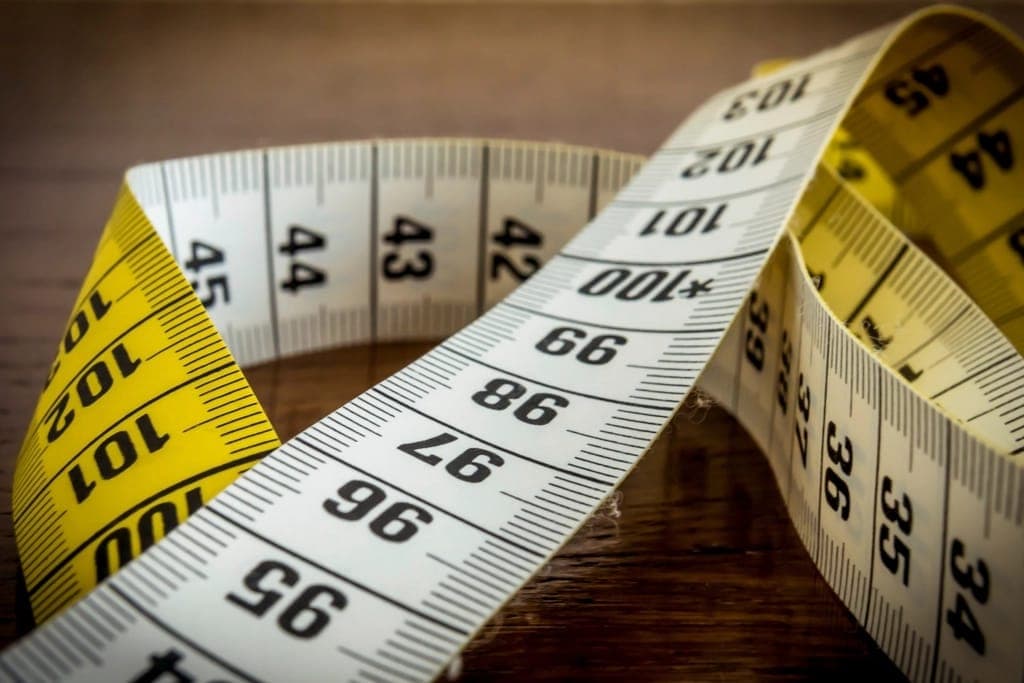
Conventional shoe sizing is a convention, not a measurement. A US 10 is not a fixed internal length — it varies by brand, by last and by category, and everybody who has ever owned shoes from two brands already knows this. Barefoot footwear makes the problem both worse and easier: worse because the brands are smaller and less standardized, easier because most of them publish an actual internal length per size, which is a real number you can compare against your real foot.
Step 1 — get your actual numbers
You need two measurements: length from the back of your heel to the tip of your longest toe, and width at the widest part of your forefoot. Take both standing, with weight on the foot, at the end of the day, on both feet. The full method, including the paper-tracing technique that is more reliable than a tape measure, is in how to measure your feet — it takes four minutes and it is the highest-value thing on this site.
Two details people skip and then regret. Your longest toe may not be your big toe — if your second toe is longer, that is the one that has to fit. And your feet are probably different sizes; buy for the larger one and take up the slack in the smaller with a slightly thicker sock or the insole left in.
Step 2 — add the right amount of room
Most barefoot brands recommend somewhere between 10 mm and 15 mm of space beyond your longest toe. That is noticeably more than a conventional shoe fitting, and there are three reasons for it.
- Your foot lengthens under load. It flattens and extends when you stand on it, and more again when you run. A shoe fitted to your unloaded foot is too short in motion.
- Your foot splays as it adapts. People who switch to minimal footwear commonly find their forefoot measurement grows over months. Buying with no margin means buying again.
- A thin shoe has no give. A cushioned shoe's foam compresses and its upper stretches; a 4 mm sole with a thin knit upper does neither in the directions you need.
So: measured length plus roughly 12 mm, then find the size whose published internal length is closest to that number without going under.
Step 3 — look up the brand, not the size
This is where our cross-brand sizing table exists to save you an afternoon: it puts the published internal lengths side by side with a source for each row, so you can see that the same nominal size is not the same shoe across Xero, Lems, Vivobarefoot and Be Lenka.
Some brands run notably long because their toe box extends forward — Lems is the common example, and reviewers frequently size down in it. Others run short. Do barefoot shoes run true to size covers the brand-by-brand picture.
Width is a brand decision, not a size decision
This is the mistake that generates the most returns, so it is worth being blunt: if a shoe is too narrow, going up a size will not fix it. Lasts scale mostly in length. You get a longer shoe with marginally more width, your heel starts slipping, your foot slides forward on descents, and your toes end up crowded anyway because they are now sitting behind the widest part of the shoe.
The fix is to buy from a brand whose last is genuinely wide at the ball of the foot. Roughly: Merrell's minimalist line is narrow; Vivobarefoot and Be Lenka are foot-shaped but low volume; Xero and Altra are wide with moderate volume; Lems, Freet and Softstar are the widest. Start at wide feet or extra-wide feet.
Volume — the dimension nobody publishes
Length and width are measurable and published. Volume — the depth of your foot from sole to instep — is neither, and it is the reason two people with identical foot measurements can have opposite experiences in the same shoe.
If you have a high instep, the symptom is lace pressure across the top of the foot within ten minutes, or a shoe that feels tight despite being wide enough at the toes. Vivobarefoot and WHITIN both run low-volume; Saguaro and Lems run roomier. If you have a low-volume foot the symptom is the reverse: heel slip, and a forefoot that feels sloppy. That is the case where a narrower minimalist shoe like the Merrell Vapor Glove is genuinely the better buy.
What to do when the shoe arrives
- Pull the insole out and stand on it barefoot. If your foot overhangs it at the ball, or your toes press its edge, the shoe is too narrow. Stop here and return it — nothing improves this.
- Check toe room standing, not sitting. Press down to find your longest toe through the upper. You want a clear gap, not a whisker.
- Walk on a hard floor for ten minutes. Lace pressure and heel slip both show up fast.
- Check the next morning. If your calves or arches are sore after ten minutes of walking, that is the transition talking, not the fit. Transition plan.
The picks in detail
Three shoes that are forgiving to size, which matters when you are buying your first pair online: all three have a removable insole, and all three come from brands that publish per-size internal lengths.
1. Easiest first order
Xero Shoes Prio
The closest thing to a default first barefoot shoe: genuinely wide, genuinely flexible, and cheap enough that a failed experiment does not hurt.
What works
- Removable 2 mm insole, so you can go thinner as your feet adapt
- Wide enough for most square and plateau foot shapes
- Flexes and rolls flat, which is the quickest way to spot a fake minimalist shoe
What does not
- The lacing panel can pressure a high instep
- Thin heel padding is noticeable on hard floors for the first week
Skip these if: You have a high-volume foot and dislike lace pressure across the top, or you need any cushioning at all on day one.
Specifications as published by the maker and reported by Xero Shoes Prio listing specifications. We have not measured them ourselves. Xero Shoes fit profile
2. If you need more width
Lems Primal Zen
Lems builds one of the roomiest everyday lasts in the category - if other barefoot shoes still feel tight across the toes, start here.
What works
- Among the widest forefoot shapes available off the shelf
- High enough toe box for a tall big toe or a hammer toe
- Flexes flat and packs small
What does not
- The width that makes it work looks bulbous to some people
- Heel can be loose on a narrow heel
Skip these if: You have a narrow foot - all that room becomes heel slip and a sloppy fit.
Specifications as published by the maker and reported by Lems Shoes product listing, Primal Zen. We have not measured them ourselves. Lems Shoes fit profile
3. Most forgiving fit
Saguaro Chaser (Smart II / Vitality III)
The roomiest of the budget marketplace brands - more space around the ankle and over the toes than WHITIN, which is the difference that matters if you have a thick foot.
What works
- More instep volume than WHITIN at the same price
- Whole-family sizing, including kids
- Very minimal sole for the money
What does not
- Thin, cheap outsole wears quickly on pavement
- Model naming changes between generations, so repeat purchases are a lottery
Skip these if: You have a low-volume or narrow foot - this will feel like a slipper.
Specifications as published by the maker and reported by Anya's Reviews, Saguaro barefoot shoes review. We have not measured them ourselves. Saguaro fit profile
Common questions
Should I size up in barefoot shoes?
Usually yes relative to your conventional size, because you need 10-15 mm beyond your longest toe rather than the 5-8 mm a conventional fitting leaves. But do not size up as a rule — measure, then look up the brand's internal length.
How much toe room should barefoot shoes have?
Around 10-15 mm beyond your longest toe. Your foot lengthens under load and splays as it adapts, and a thin shoe has no give to absorb the difference.
Can I size up to get a wider shoe?
No. Lasts scale mostly in length, so you get a longer shoe with a slipping heel and your toes end up behind the widest part of the shoe. Change brand instead.
What if my feet are two different sizes?
Buy for the larger foot and take up the slack in the smaller one — a thicker sock, or leaving the removable insole in on that side only. Most people's feet differ by a few millimeters and it is not a problem to solve, just to accommodate.
Do I measure my feet in socks or barefoot?
Barefoot, then add for socks if you intend to wear thick ones. Measuring in a thick sock bakes an assumption into the number that you then cannot adjust.
Why do barefoot brands not just use normal sizing?
They mostly do use normal size labels — the problem is that normal size labels were never standardized to a length in the first place. Publishing internal lengths is the brands being more honest than the convention, not less.
Sources
- Anya's Reviews, Xero Shoes Spring 2026 collection review — per-model fit and volume notes
- Anya's Reviews, Saguaro barefoot shoes review — volume comparison with WHITIN
- That Fit Friend, WHITIN Minimalist Trail Runner review — sizing consistency
Accessed October 2026. Where a source is a manufacturer, the specification is theirs as published — we have not measured it.
Read next
How to measure your feet
Paper, pen, four minutes. The standing-trace method, the two mistakes that cost you millimeters, and what to do with the numbers.
By Brijon M. · Updated October 2026

Barefoot shoe sizing by brand
Every brand's toe box, volume and sizing behavior in one table, with a source per row and a last-verified date.
By Brijon M. · Updated October 2026
Top pick: Xero Shoes Prio
Do barefoot shoes run true to size?
Mostly no. Which brands run long, which vary between styles, and why erring long beats erring short.
By Brijon M. · Updated October 2026
Top pick: Xero Shoes Prio

Foot shape types, and the toe box each one needs
Four toe-length patterns, how to spot yours on a tracing, and which brands' lasts suit each — crossed against what you need the shoes for.
By Brijon M. · Updated October 2026
Top pick: Lems Primal Zen
Best for Wide Feet
Best barefoot shoes for wide feet (October 2026)
Seven wide lasts across everyday, trail, work and budget — and why sizing up gains you length, not width.
By Brijon M. · Updated October 2026
Top pick: Lems Primal Zen