Best Barefoot Running Shoes
Best barefoot running shoes (October 2026)
Six shoes with published specs, ranked for road and mixed running — and the transition evidence that should shape how you use them.
By Brijon M. · Updated October 2026
The Xero Shoes HFS II is the most practical true barefoot running shoe at 8.5 mm front and back — about as thin as most people can run road in without a long build-up. The Speed Force II is lighter at 7 mm, and the Vibram V-Run gives the most ground feel.
How this page is funded: some links here are Amazon affiliate links, so we may earn a commission if you buy — at no extra cost to you. It never changes which products we include or how we rank them, and we take no payment from brands for placement. Full disclosure.
Quick picks
Tap any row to jump to the full write-up. Selection is specification-led, not wear-tested — how we choose.
| # | Product | Best for | Price |
|---|---|---|---|
| 1 | 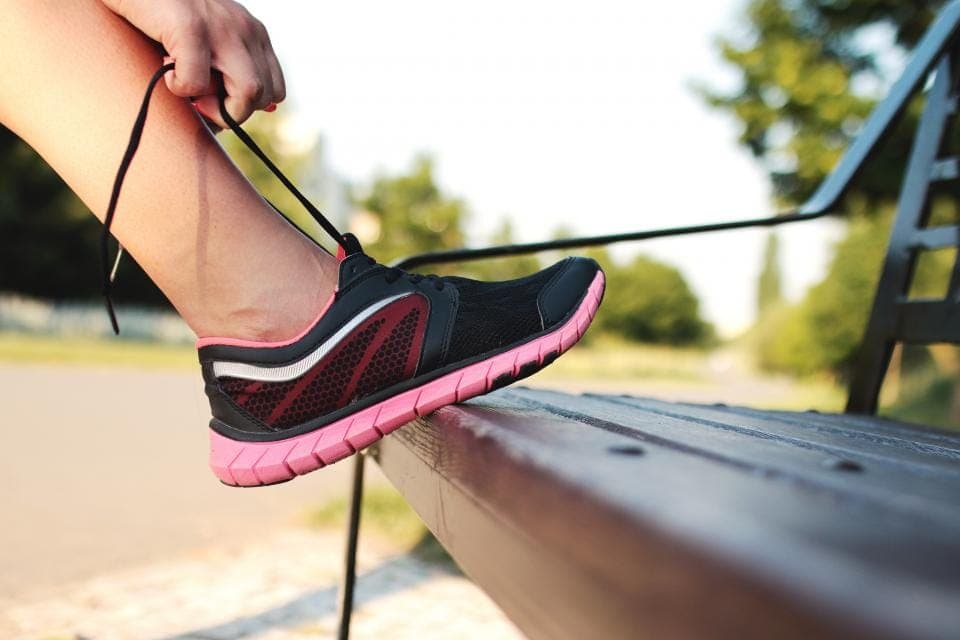 Best overallXero Shoes HFS IIA true zero-drop road shoe with an 8.5 mm stack at both ends, which is about as thin as most people can run pavement in without a long build-up. | Road running at 8.5 mm, zero drop both ends | |
| 2 |  LightestXero Shoes Speed Force IIAt roughly 6.5 oz a shoe this is the lightest thing in the Xero running line, and it feels closer to a racing flat than a trainer. | About 6.5 oz a shoe at 7 mm | |
| 3 |  Best for narrow feetMerrell Vapor Glove 6An 8 mm stack with a Vibram outsole and a deliberately snug toe box - which makes it the wrong shoe for splay and the right shoe for a narrow foot. | 8 mm, Vibram, secure heel | |
| 4 |  Most ground feelVibram FiveFingers V-RunIndividual toe pockets and almost nothing underfoot. Nothing teaches you how you actually land faster, and nothing punishes a rushed transition harder. | Toe independence and maximum feedback | |
| 5 |  ThinnestVivobarefoot Primus Lite IIIA 2 mm sole with 2 mm of tread at 7.9 oz. About as close to barefoot as a closed shoe gets, and the yardstick everything else is measured against. | Short runs once fully adapted | |
| 6 |  Easiest transitionTopo Athletic ST-5A zero-drop road shoe from a brand that builds anatomically wide toe boxes without the barefoot ideology - a soft landing for skeptics. | Zero drop with conventional structure |
#ad Prices come from the retailer and change; we never publish a figure we have not verified live. Affiliate disclosure.
Road running is the hardest use for a thin shoe: the most repetitive loading, on the least forgiving surface, for the longest continuous periods. It is also where stack height buys you the most, and where the difference between 7 mm and 14 mm is something you feel in your metatarsals rather than as a preference.
How we chose
The criteria, applied in this order:
- Measured zero drop, verified against published specifications — not just a brand claim.
- Stack height reported as published, with a deliberate spread from about 4 mm to 9.5 mm so there is a shoe for each stage.
- Weight, which matters more in running than anywhere else on this site.
- Toe-box width, because toes splay on landing and a tapered box fights that.
- Heel hold, since a shoe that slips at speed is unusable regardless of its sole.
- Currently sold in the US, verified at build time.
How thin can you actually run?
For most people the practical floor for regular road mileage is somewhere around 8 to 10 mm. The Xero HFS II sits at 8.5 mm at both ends, which is why it tops this list — it is about as thin as road running gets without an extended build-up.
Below that, you are into shoes best used for short efforts and for people who have been in minimal footwear for a long time. The Vivobarefoot Primus Lite III at roughly 4 mm total is a magnificent shoe and a poor first running shoe.
Above it, you are into zero-drop-but-cushioned territory, which is a completely legitimate destination. The Topo ST-5 is on this list precisely so there is an option that lets you keep your current mileage while changing shoes. Barefoot vs zero drop.
Surface matters more than the roundups admit
A treadmill is the gentlest place to run in minimal shoes — consistent surface, no camber, and you can stop at any point without a walk home. Packed dirt is next. Road is harder. Loose sharp gravel is brutal in anything without a rock plate, and no shoe on this list has one.
If you are nervous, start on a treadmill. Treadmill picks and running on pavement.
Before you order: fit and transition
Two things matter more than which shoe on this page you pick, and both are free.
Get the size right. Barefoot brands size from internal length rather than from a conventional size label, and you need roughly 10 to 15 mm beyond your longest toe — more than a normal fitting leaves. Measure your feet, then use the sizing guide and the cross-brand table. Sizing up to get a wider shoe does not work: lasts scale in length, so you get heel slip and toes sitting behind the widest part of the shoe.
Build up slowly. The documented risk in this category is bone stress injury from a rushed transition — in one MRI study of 36 runners, 10 of the 19 who spent 10 weeks moving into minimal shoes developed new bone-marrow edema, mostly without symptoms. Keep your current shoes, add minimal-shoe hours gradually, and judge by how your feet feel the next morning. The transition plan.
Running-specific: start at a fraction of your usual distance — a mile, not five — and keep the rest of your mileage in your old shoes. Grow the minimal share every couple of weeks. Full previous mileage commonly takes six months to a year.
The picks in detail
Ranked for road and mixed running, with published specifications attributed on each card.
1. Best overall
Xero Shoes HFS II
A true zero-drop road shoe with an 8.5 mm stack at both ends, which is about as thin as most people can run pavement in without a long build-up.
What works
- Measured zero drop at both ends, not a marketing claim
- Noticeably lighter and more road-focused than the Prio
- Holds the heel without a stiff counter
What does not
- Toe box is narrower than Xero's casual lasts
- 8.5 mm underfoot is unforgiving on broken pavement
Skip these if: Your forefoot is genuinely wide or extra-wide - the HFS II is one of Xero's narrower shoes.
Specifications as published by the maker and reported by RunRepeat lab specifications, Xero Shoes HFS II. We have not measured them ourselves. Xero Shoes fit profile
2. Lightest
Xero Shoes Speed Force II
At roughly 6.5 oz a shoe this is the lightest thing in the Xero running line, and it feels closer to a racing flat than a trainer.
What works
- Genuinely light, which changes how a zero-drop shoe feels at speed
- Sock-like upper has almost no pressure points
- Packs flat for travel
What does not
- 7 mm and no rock plate is a short-distance proposition for most people
- Knit upper offers little structure if you need lateral support
Skip these if: You want one shoe for everything - this one is specialized and wears out faster than the Prio.
Specifications as published by the maker and reported by BikeHikeSafari, best barefoot shoes 2026 stated specifications. We have not measured them ourselves. Xero Shoes fit profile
3. Best for narrow feet
Merrell Vapor Glove 6
An 8 mm stack with a Vibram outsole and a deliberately snug toe box - which makes it the wrong shoe for splay and the right shoe for a narrow foot.
What works
- Vibram outsole grips far better than the price suggests
- Fits a narrow foot without heel slip, which most barefoot shoes cannot do
- Very low stack with real ground feel
What does not
- Restrictive toe box - it is not a wide-toe-box shoe and does not claim to be
- Minimal protection underfoot
Skip these if: You are buying barefoot shoes because your toes are cramped. This shoe will cramp them.
Specifications as published by the maker and reported by Outdoor Life, best barefoot shoes 2026 stated specifications. We have not measured them ourselves. Merrell fit profile
4. Most ground feel
Vibram FiveFingers V-Run
Individual toe pockets and almost nothing underfoot. Nothing teaches you how you actually land faster, and nothing punishes a rushed transition harder.
What works
- Each toe moves independently, which no conventional toe box allows
- Immediate, unmistakable feedback on how you are landing
- Packs down to nothing
What does not
- Sizing is unforgiving: toe length matters, not just foot length
- The highest stress-injury risk in this whole category if you ramp up quickly
- Socially divisive - people will comment
Skip these if: You are new to minimal footwear. Start somewhere with a conventional toe box and come back to these.
Specifications as published by the maker and reported by RunRepeat catalog, Vibram FiveFingers V-Run. We have not measured them ourselves. Vibram FiveFingers fit profile
5. Thinnest
Vivobarefoot Primus Lite III
A 2 mm sole with 2 mm of tread at 7.9 oz. About as close to barefoot as a closed shoe gets, and the yardstick everything else is measured against.
What works
- The thinnest sole here that still works as an everyday shoe
- Genuinely wide forefoot with a rounded, foot-shaped last
- Ships with access to the brand's own barefoot fundamentals course
What does not
- 4 mm total underfoot is brutal on concrete until your feet adapt
- Low volume through the midfoot - not for a high instep
- The most expensive shoe in most of our roundups
Skip these if: You are transitioning, you have a high-volume foot, or you stand on concrete all day. All three are real reasons to start thicker.
Specifications as published by the maker and reported by Outdoor Life, best barefoot shoes 2026 stated specifications. We have not measured them ourselves. Vivobarefoot fit profile
6. Easiest transition
Topo Athletic ST-5
A zero-drop road shoe from a brand that builds anatomically wide toe boxes without the barefoot ideology - a soft landing for skeptics.
What works
- Wide toe box with a conventional running-shoe heel fit
- Enough midsole to run road mileage immediately
- Measured and scored in RunRepeat's lab catalog
What does not
- More shoe than most barefoot buyers want
- Narrower size range than the big running brands
Skip these if: You want ground feel. This is a running shoe that happens to be flat.
Specifications as published by the maker and reported by RunRepeat barefoot running shoes catalog. We have not measured them ourselves. All brand fit profiles
Common questions
What is the best barefoot running shoe?
The Xero Shoes HFS II for most people: measured zero drop at 8.5 mm front and back, which is about as thin as regular road running gets without a very long build-up. The Speed Force II is lighter at 7 mm for shorter efforts.
How thin a sole can I run in?
For regular road mileage, most people's practical floor is 8 to 10 mm. Below that is short-effort territory for feet that have been in minimal footwear a long time.
Are barefoot running shoes bad for your feet?
Rushing into them is. The documented findings are specific: bone-marrow edema in 10 of 19 runners over a 10-week transition, mostly without symptoms, and moderate evidence of increased metatarsal stress-fracture risk. Transitioned over months, they are a reasonable choice.
Do I need a rock plate?
No shoe on this list has one, which is why loose sharp gravel is the surface to avoid. If your routes are gravelly, a thicker trail shoe is the right tool. Hiking and trail.
Should I change my running form?
Most people's landing naturally moves back from the heel in a zero-drop shoe — that is the consistent direction in the biomechanics literature. Deliberately forcing a forefoot strike is a good way to overload your calf and Achilles at the same time as your bones.
Sources
- Outdoor Life, best barefoot shoes 2026 — stated stack heights and weights
- RunRepeat barefoot running shoes catalog
- Ridge et al., foot bone marrow edema after 10-week transition to minimal footwear
- Ridge et al., foot bone marrow edema after 10-week transition to minimal footwear
- How Does Running in Minimalist Shoes Affect Injury Risk? A Systematic Review
- Systematic Review of the Role of Footwear Constructions in Running Biomechanics
- The Re-emergence of the Minimal Running Shoe (JOSPT)
Accessed October 2026. Where a source is a manufacturer, the specification is theirs as published — we have not measured it.
Read next

How to transition to barefoot running
A six-month progression built on the bone-adaptation evidence, with the walking gate first and three stop signals.
By Brijon M. · Updated October 2026
Top pick: Topo Athletic ST-5

Best Minimalist Running Shoes
Best minimalist running shoes (October 2026)
Thin and flat with a conventional last — the right answer for a slim foot that slips in wide barefoot shoes.
By Brijon M. · Updated October 2026
Top pick: Merrell Vapor Glove 6
Are barefoot shoes good for running?
Yes for patient runners with no relevant injury history. The case for, the case against, and who should not bother.
By Brijon M. · Updated October 2026
Top pick: Xero Shoes HFS II

Best Beginner Running Shoes
Best barefoot running shoes for beginners (October 2026)
Thickest-first picks, a concrete eight-week progression, and the walking gate to clear before you buy at all.
By Brijon M. · Updated October 2026
Top pick: Topo Athletic ST-5
Barefoot shoe sizing, properly
Measure, do not convert. How much toe room to leave, why sizing up for width fails, and what to check when the box arrives.
By Brijon M. · Updated October 2026
Top pick: Xero Shoes Prio
Barefoot vs Running Shoes
Barefoot shoes vs running shoes
The most-studied comparison here. What the literature establishes about forefoot loading, and what it still does not settle.
By Brijon M. · Updated October 2026
Top pick: Xero Shoes HFS II