Barefoot running on pavement
The hardest surface, the most repetitive loading, and the place where stack height stops being an ideological question.
By Brijon M. · Updated October 2026
Pavement is unforgiving and relentlessly repetitive, which is why most people's practical floor for regular road mileage is 8 to 10 mm of sole. Build road distance separately from treadmill or trail distance — the adaptation does not transfer fully.
How this page is funded: some links here are Amazon affiliate links, so we may earn a commission if you buy — at no extra cost to you. It never changes which products we include or how we rank them, and we take no payment from brands for placement. Full disclosure.

Quick picks
Tap any row to jump to the full write-up. Selection is specification-led, not wear-tested — how we choose.
| # | Product | Best for | Price |
|---|---|---|---|
| 1 | 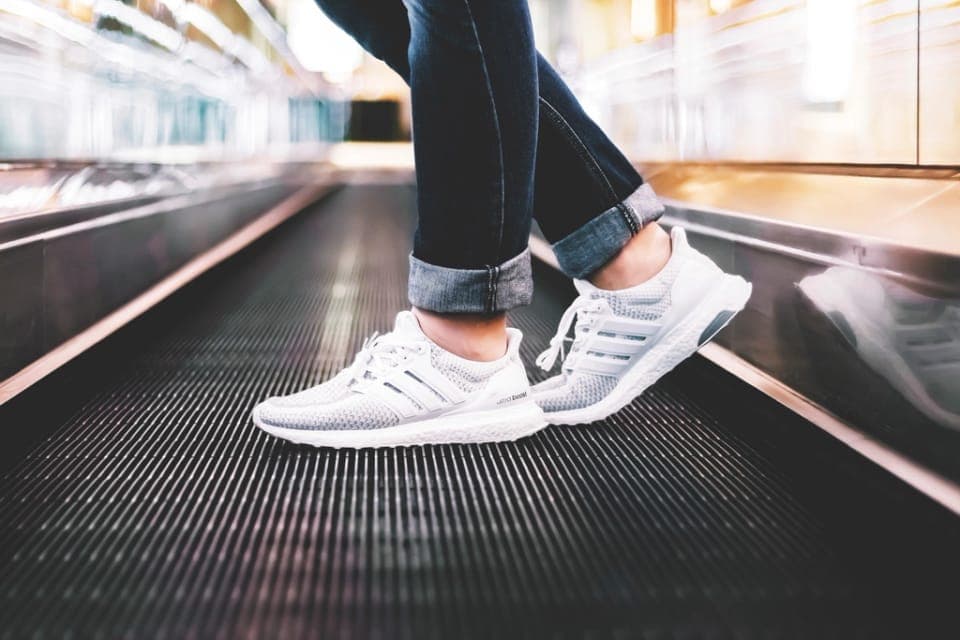 Most protectiveMerrell Trail Glove 7A 14 mm stack, zero drop and a Vibram outsole - the most mainstream way to hike in a minimalist shoe, available waterproof or not. | 14 mm with a durable Vibram outsole | |
| 2 |  Easiest on the legsTopo Athletic ST-5A zero-drop road shoe from a brand that builds anatomically wide toe boxes without the barefoot ideology - a soft landing for skeptics. | Zero drop with real cushioning | |
| 3 | 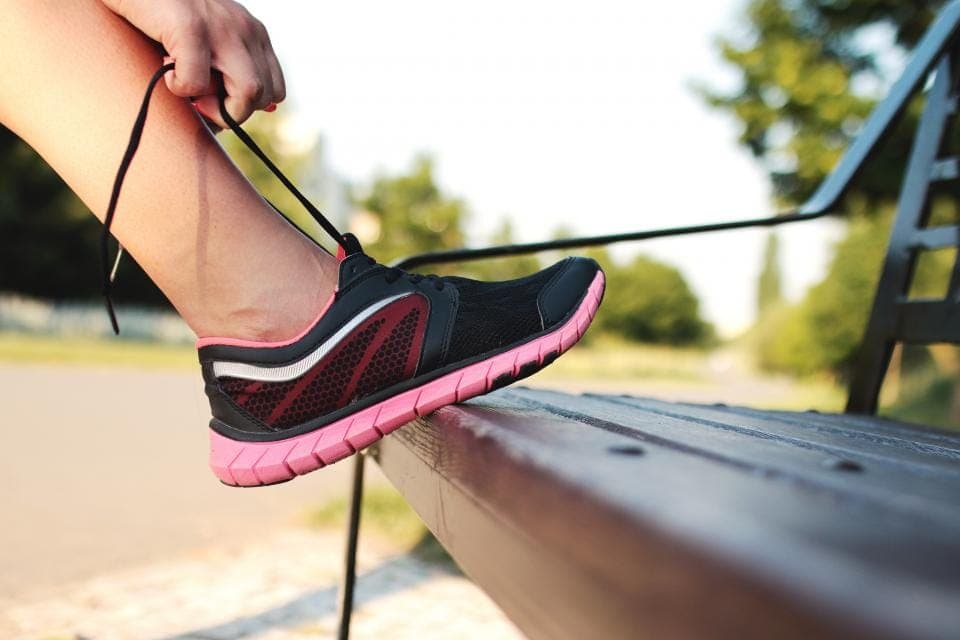 Thinnest practicalXero Shoes HFS IIA true zero-drop road shoe with an 8.5 mm stack at both ends, which is about as thin as most people can run pavement in without a long build-up. | 8.5 mm, measured zero drop | |
| 4 |  For short effortsXero Shoes Speed Force IIAt roughly 6.5 oz a shoe this is the lightest thing in the Xero running line, and it feels closer to a racing flat than a trainer. | 7 mm, light, not for long road runs |
#ad Prices come from the retailer and change; we never publish a figure we have not verified live. Affiliate disclosure.
Pavement is where minimal running is hardest, and it is worth being specific about why rather than just saying "concrete is hard."
Three things that make pavement harder than trail
- No compliance. Dirt and grass deform under your foot and absorb a share of each landing. Concrete does not deform at all, so your foot and the sole absorb everything.
- Relentless repetition. On trail, every stride is slightly different — different angle, different pressure distribution, brief micro-rests for different tissues. On a road, every stride loads the same structures the same way, thousands of times.
- Camber. Roads are domed to drain. Run along one for an hour and one foot has been pronating more than the other for an hour.
Point two is the one people underestimate. Variety is protective, and pavement removes it.
How much sole you actually need
For regular road mileage, most people's practical floor is 8 to 10 mm. The Xero HFS II at 8.5 mm front and back is about as thin as road running gets without an extended build-up; the Speed Force II at 7 mm is a shorter-distance proposition.
This is the point in this category where stack height stops being an ideological question and becomes a load-management one. Systematic reviews report moderate evidence that minimalist shoes increase forefoot pressure relative to conventional running shoes, and thereby metatarsal stress-fracture risk. Concrete is where that pressure is highest.
Build road distance separately
A mistake worth avoiding: treating treadmill, trail and road mileage as interchangeable. They are not. A belt is softer, consistent, and partly pulls your leg back for you. Trail is softer and more varied. Road is harder and more repetitive than both.
So when you add road, add it at roughly half your established distance elsewhere, and grow it on its own progression. Treadmill picks and the full running transition.
Four things that reduce road loading
- Raise your cadence slightly. A quicker, shorter stride reduces peak force per step. This is the one form cue worth working on deliberately — unlike forcing a forefoot strike, which loads your calf and metatarsals harder at the same time.
- Run on the flattest part of the road or on the pavement center. Avoid spending whole runs on the camber, and swap sides periodically if you must use it.
- Mix surfaces within the week. Some road, some trail, some treadmill. The variety is protective in itself.
- Keep a cushioned pair for your longest runs. The split is a permanent, perfectly respectable setup rather than an unfinished transition.
What about actually barefoot on pavement?
People do it, and plantar skin genuinely toughens over months. It also exposes you to glass, metal, thermal burns from hot asphalt and infection risk from cuts you did not notice — and it removes the one thing a thin sole was still providing. We are not going to recommend it, and we are not going to lecture anyone who does it carefully on surfaces they know.
What we would say: if you want the strengthening stimulus, a 4 mm shoe gets you most of the way there with none of the laceration risk.
The picks in detail
Four shoes for road, ordered by how much protection each gives on the least forgiving surface in this category.
1. Thinnest practical
Xero Shoes HFS II
A true zero-drop road shoe with an 8.5 mm stack at both ends, which is about as thin as most people can run pavement in without a long build-up.
What works
- Measured zero drop at both ends, not a marketing claim
- Noticeably lighter and more road-focused than the Prio
- Holds the heel without a stiff counter
What does not
- Toe box is narrower than Xero's casual lasts
- 8.5 mm underfoot is unforgiving on broken pavement
Skip these if: Your forefoot is genuinely wide or extra-wide - the HFS II is one of Xero's narrower shoes.
Specifications as published by the maker and reported by RunRepeat lab specifications, Xero Shoes HFS II. We have not measured them ourselves. Xero Shoes fit profile
2. Easiest on the legs
Topo Athletic ST-5
A zero-drop road shoe from a brand that builds anatomically wide toe boxes without the barefoot ideology - a soft landing for skeptics.
What works
- Wide toe box with a conventional running-shoe heel fit
- Enough midsole to run road mileage immediately
- Measured and scored in RunRepeat's lab catalog
What does not
- More shoe than most barefoot buyers want
- Narrower size range than the big running brands
Skip these if: You want ground feel. This is a running shoe that happens to be flat.
Specifications as published by the maker and reported by RunRepeat barefoot running shoes catalog. We have not measured them ourselves. All brand fit profiles
3. Most protective
Merrell Trail Glove 7
A 14 mm stack, zero drop and a Vibram outsole - the most mainstream way to hike in a minimalist shoe, available waterproof or not.
What works
- Vibram traction that holds on wet rock
- Enough stack to hike a full day on mixed terrain
- Easy to find in stores and easy to return
What does not
- Toe box is moderate, not wide - Merrell's last is narrower than Xero's
- 14 mm is firm cushioning, not soft
Skip these if: You need a genuinely wide or extra-wide forefoot.
Specifications as published by the maker and reported by BikeHikeSafari, best barefoot shoes 2026 stated specifications. We have not measured them ourselves. Merrell fit profile
4. For short efforts
Xero Shoes Speed Force II
At roughly 6.5 oz a shoe this is the lightest thing in the Xero running line, and it feels closer to a racing flat than a trainer.
What works
- Genuinely light, which changes how a zero-drop shoe feels at speed
- Sock-like upper has almost no pressure points
- Packs flat for travel
What does not
- 7 mm and no rock plate is a short-distance proposition for most people
- Knit upper offers little structure if you need lateral support
Skip these if: You want one shoe for everything - this one is specialized and wears out faster than the Prio.
Specifications as published by the maker and reported by BikeHikeSafari, best barefoot shoes 2026 stated specifications. We have not measured them ourselves. Xero Shoes fit profile
Common questions
Can you run on pavement in barefoot shoes?
Yes, with enough sole and a separate build-up. Most people's practical floor for regular road mileage is 8 to 10 mm, because concrete does not deform and the loading is relentlessly repetitive.
Is concrete bad for barefoot running?
It is the hardest case: no compliance, no stride variety, and a camber that loads your feet asymmetrically. Not off-limits, but the surface where stack height matters most.
Does treadmill or trail adaptation transfer to road?
Only partly. Add road at roughly half your established distance elsewhere and grow it on its own progression.
Should I change my form for pavement?
Raise your cadence slightly — shorter, quicker strides reduce peak force per step. Do not deliberately force a forefoot strike; that increases calf, Achilles and metatarsal loading simultaneously.
Should I run actually barefoot on pavement?
We would not recommend it. Plantar skin does toughen, but glass, metal, hot asphalt and unnoticed cuts are real risks, and a 4 mm shoe gives you nearly the same stimulus without them.
Sources
- Ridge et al., foot bone marrow edema after 10-week transition to minimal footwear
- How Does Running in Minimalist Shoes Affect Injury Risk? A Systematic Review
- Systematic Review of the Role of Footwear Constructions in Running Biomechanics
- The Re-emergence of the Minimal Running Shoe (JOSPT)
Accessed October 2026. Where a source is a manufacturer, the specification is theirs as published — we have not measured it.
Read next

Best Barefoot Running Shoes
Best barefoot running shoes (October 2026)
Six running shoes from 4 mm to 9.5 mm with published specs — and the transition evidence that should shape how you use them.
By Brijon M. · Updated October 2026
Top pick: Xero Shoes HFS II
Best for Treadmill
Best barefoot shoes for the treadmill (October 2026)
One surface, no camber, no debris, and a stop button. Why the belt is the best place to start, and five shoes for it.
By Brijon M. · Updated October 2026
Top pick: Xero Shoes HFS II

How to transition to barefoot running
A six-month progression built on the bone-adaptation evidence, with the walking gate first and three stop signals.
By Brijon M. · Updated October 2026
Top pick: Topo Athletic ST-5
Are barefoot shoes good for running?
Yes for patient runners with no relevant injury history. The case for, the case against, and who should not bother.
By Brijon M. · Updated October 2026
Top pick: Xero Shoes HFS II

Are barefoot shoes good for walking?
Yes — the best benefit-to-risk ratio in the category. Plus the surface table that decides which stack height you need.
By Brijon M. · Updated October 2026
Top pick: Xero Shoes Prio
Calf pain from barefoot running
Expected in the first weeks and actually informative. What is normal, six fixes, and why it says nothing about your bones.
By Brijon M. · Updated October 2026
Top pick: Topo Athletic ST-5