How to transition to barefoot running
Months, not weeks. The limiting tissue is bone, and bone does not warn you.
By Brijon M. · Updated October 2026
Clear the walking gate first, then start at roughly 10 percent of your usual mileage in minimal shoes with the rest in your old shoes, adding every two weeks. Full previous mileage commonly takes six months to a year because bone remodels slowly.
How this page is funded: some links here are Amazon affiliate links, so we may earn a commission if you buy — at no extra cost to you. It never changes which products we include or how we rank them, and we take no payment from brands for placement. Full disclosure.

Quick picks
Tap any row to jump to the full write-up. Selection is specification-led, not wear-tested — how we choose.
| # | Product | Best for | Price |
|---|---|---|---|
| 1 |  Weeks 1-8Topo Athletic ST-5A zero-drop road shoe from a brand that builds anatomically wide toe boxes without the barefoot ideology - a soft landing for skeptics. | Flat with running-shoe cushioning | |
| 2 | 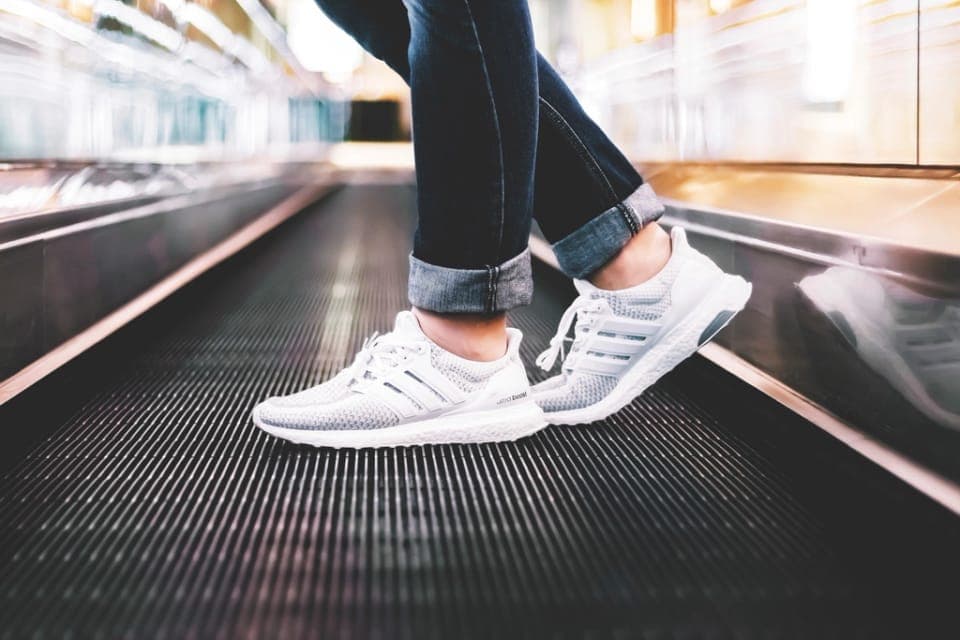 Weeks 1-16Merrell Trail Glove 7A 14 mm stack, zero drop and a Vibram outsole - the most mainstream way to hike in a minimalist shoe, available waterproof or not. | 14 mm with Vibram traction | |
| 3 | 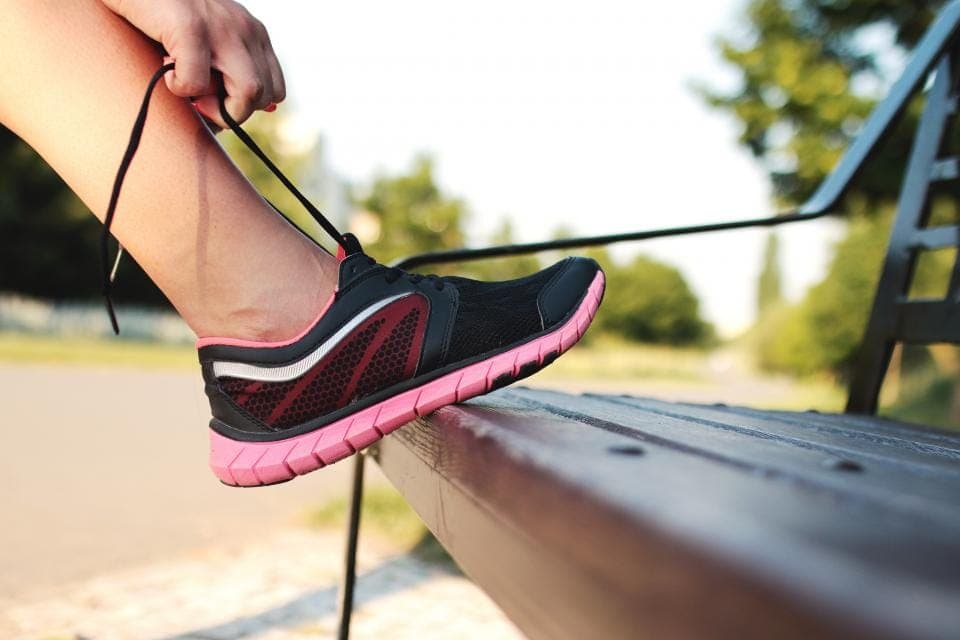 Month 4 onwardXero Shoes HFS IIA true zero-drop road shoe with an 8.5 mm stack at both ends, which is about as thin as most people can run pavement in without a long build-up. | 8.5 mm once you have a base | |
| 4 |  Keep throughoutAltra Lone Peak 9Zero drop with 25 mm of cushioning underneath. Not a barefoot shoe and not pretending to be - it is the zero-drop shoe you hike 2,000 miles in. | The rest of your mileage |
#ad Prices come from the retailer and change; we never publish a figure we have not verified live. Affiliate disclosure.
Note the word "gradually" in that study description. The protocol was not reckless, and 10 of 19 participants still showed bone changes. That is the fact this plan is organized around: your subjective experience is not a reliable guide to how your bones are coping.
The plan
Clear the gate first: walk all day in minimal shoes comfortably
This typically takes 8 to 16 weeks of gradual build-up and it is the single most effective step available. Running before this is the pattern the documented injuries came from. Walking transition.
Pick the thickest minimal shoe you will tolerate
Start at 8.5 mm or more, not 4 mm. You get the zero drop and the wide toe box immediately; the sole still absorbs a meaningful share of each landing while bone adapts. Thinner comes later or never.
Weeks 1-4: one mile, twice a week, treadmill or packed dirt
Keep every other mile in your usual shoes. A treadmill is the gentlest option — consistent surface, no camber, no debris, and you can stop at any point without a walk home.
Weeks 5-8: 1.5 to 2 miles, twice a week, introduce road
Add road gradually and at a shorter distance than your treadmill runs. A belt is softer and does some of the work of pulling your leg back, so the adaptation does not fully transfer.
Weeks 9-16: grow about 10 percent a week, up to a third of your mileage
Cap the minimal share at roughly a third of your weekly volume for now. The rest stays in conventional shoes. Resist adding speed work in minimal shoes at this stage.
Months 5-6: up to half your mileage, add easy pace variation
If every increase has been clean, grow the minimal share toward half your weekly volume. Introduce easy pace changes before any hard efforts.
Months 6-12: full previous mileage, if you want it
Most runners who get here take six months to a year from the first mile. Some stay at a permanent split between minimal and cushioned shoes, which is a perfectly good end state rather than a failure.
Judge every increase by the next morning, not by the run
Bone complains late and sometimes not at all. In the 2013 Ridge MRI study most of the runners with new bone-marrow edema had no symptoms. Stiff or sore feet the morning after means hold at the previous volume.
Stop for these three patterns
A specific point of pain on the top of the foot you can press and reproduce. Pain that worsens during a run rather than warming up. Pain that wakes you at night. All three describe bone and all three need assessment, not perseverance.
Why bone sets the pace
Walking in minimal shoes mainly loads muscle and tendon — your calf, Achilles and intrinsic foot muscles — and those adapt in weeks. Running adds repeated impact loading to the forefoot, where the limiting tissue is bone, and bone remodels over months.
You cannot feel bone adapting. You frequently cannot feel it failing either, until it does. That asymmetry is the entire reason a running transition is measured in months while a walking one is measured in weeks. Timeline detail.
Do not change your form deliberately
Most people's landing moves back from the heel in a zero-drop shoe on its own — that is the consistent direction in the biomechanics literature. Consciously forcing a forefoot strike is a mistake, because it loads your calf, Achilles and metatarsals all at once, at exactly the moment all three are already adapting.
Let the shoe change your gait rather than trying to change it yourself. If you want something to work on deliberately, work on cadence — a slightly quicker, shorter stride reduces peak loading per step and is far safer to cue.
Do the strength work
Foot and calf strengthening builds the capacity this plan demands without adding impact loading. A randomized trial compared a foot-strengthening program against minimal-shoe walking against a control, measuring intrinsic foot muscle cross-sectional area by ultrasound — so the exercise route is evidenced in its own right. Fifteen minutes three times a week is the best-value part of this whole process. Exercises.
Before you order: fit and transition
Two things matter more than which shoe on this page you pick, and both are free.
Get the size right. Barefoot brands size from internal length rather than from a conventional size label, and you need roughly 10 to 15 mm beyond your longest toe — more than a normal fitting leaves. Measure your feet, then use the sizing guide and the cross-brand table. Sizing up to get a wider shoe does not work: lasts scale in length, so you get heel slip and toes sitting behind the widest part of the shoe.
Build up slowly. The documented risk in this category is bone stress injury from a rushed transition — in one MRI study of 36 runners, 10 of the 19 who spent 10 weeks moving into minimal shoes developed new bone-marrow edema, mostly without symptoms. Keep your current shoes, add minimal-shoe hours gradually, and judge by how your feet feel the next morning. The transition plan.
The picks in detail
Shoes mapped to the stages above: the thick first running shoe, the protective middle, the thinner graduation, and the cushioned pair that carries the rest of your mileage throughout.
1. Weeks 1-8
Topo Athletic ST-5
A zero-drop road shoe from a brand that builds anatomically wide toe boxes without the barefoot ideology - a soft landing for skeptics.
What works
- Wide toe box with a conventional running-shoe heel fit
- Enough midsole to run road mileage immediately
- Measured and scored in RunRepeat's lab catalog
What does not
- More shoe than most barefoot buyers want
- Narrower size range than the big running brands
Skip these if: You want ground feel. This is a running shoe that happens to be flat.
Specifications as published by the maker and reported by RunRepeat barefoot running shoes catalog. We have not measured them ourselves. All brand fit profiles
2. Weeks 1-16
Merrell Trail Glove 7
A 14 mm stack, zero drop and a Vibram outsole - the most mainstream way to hike in a minimalist shoe, available waterproof or not.
What works
- Vibram traction that holds on wet rock
- Enough stack to hike a full day on mixed terrain
- Easy to find in stores and easy to return
What does not
- Toe box is moderate, not wide - Merrell's last is narrower than Xero's
- 14 mm is firm cushioning, not soft
Skip these if: You need a genuinely wide or extra-wide forefoot.
Specifications as published by the maker and reported by BikeHikeSafari, best barefoot shoes 2026 stated specifications. We have not measured them ourselves. Merrell fit profile
3. Month 4 onward
Xero Shoes HFS II
A true zero-drop road shoe with an 8.5 mm stack at both ends, which is about as thin as most people can run pavement in without a long build-up.
What works
- Measured zero drop at both ends, not a marketing claim
- Noticeably lighter and more road-focused than the Prio
- Holds the heel without a stiff counter
What does not
- Toe box is narrower than Xero's casual lasts
- 8.5 mm underfoot is unforgiving on broken pavement
Skip these if: Your forefoot is genuinely wide or extra-wide - the HFS II is one of Xero's narrower shoes.
Specifications as published by the maker and reported by RunRepeat lab specifications, Xero Shoes HFS II. We have not measured them ourselves. Xero Shoes fit profile
4. Keep throughout
Altra Lone Peak 9
Zero drop with 25 mm of cushioning underneath. Not a barefoot shoe and not pretending to be - it is the zero-drop shoe you hike 2,000 miles in.
What works
- Zero drop with real cushioning - the combination almost nobody else offers
- The de facto standard on long-distance hiking trails
- Genuinely wide forefoot in standard width
What does not
- 25 mm of foam means essentially no ground feel
- Outsoles are known to wear out faster than the uppers
Skip these if: You want ground feel or foot strengthening. This shoe gives you neither - it gives you zero drop and comfort.
Specifications as published by the maker and reported by BikeHikeSafari, best barefoot shoes 2026 stated specifications. We have not measured them ourselves. Altra fit profile
Common questions
How long does it take to transition to barefoot running?
Commonly six months to a year to reach full previous mileage, starting from comfortable all-day walking in minimal shoes. Bone remodels slowly and bone is the limiting tissue in running.
How far should my first barefoot run be?
About a mile, twice a week, with every other mile in your usual shoes. A treadmill or packed dirt is the gentlest place to do it.
Should I change to a forefoot strike?
No, not deliberately. Most people's landing moves back from the heel on its own in a zero-drop shoe. Forcing it loads your calf, Achilles and metatarsals simultaneously while all three are adapting. Work on cadence instead.
How do I know if I am progressing too fast?
How your feet feel the next morning. Stiff or sore means hold. In the Ridge study most of the runners with bone changes had no symptoms, so during-run comfort is not a reliable signal.
Do I have to move all my mileage into minimal shoes?
No, and plenty of runners settle at a permanent split. That is a good end state rather than an incomplete transition.
Sources
- Ridge et al., foot bone marrow edema after 10-week transition to minimal footwear
- How Does Running in Minimalist Shoes Affect Injury Risk? A Systematic Review
- Systematic Review of the Role of Footwear Constructions in Running Biomechanics
- The Re-emergence of the Minimal Running Shoe (JOSPT)
- Counseling Runners on Safely Transitioning to Minimal Shoes (University of Florida PM&R)
- A Comparison of Foot Strengthening versus Minimal Footwear Use on Intrinsic Muscle Size and Strength
Accessed October 2026. Where a source is a manufacturer, the specification is theirs as published — we have not measured it.
Read next

How to transition to barefoot shoes
A concrete 16-week plan with numbers, built around the MRI study that found bone-marrow edema in 10 of 19 transitioning runners.
By Brijon M. · Updated October 2026
Top pick: Xero Shoes Scrambler Low

Best Beginner Running Shoes
Best barefoot running shoes for beginners (October 2026)
Thickest-first picks, a concrete eight-week progression, and the walking gate to clear before you buy at all.
By Brijon M. · Updated October 2026
Top pick: Topo Athletic ST-5
Calf pain from barefoot running
Expected in the first weeks and actually informative. What is normal, six fixes, and why it says nothing about your bones.
By Brijon M. · Updated October 2026
Top pick: Topo Athletic ST-5
Best for Treadmill
Best barefoot shoes for the treadmill (October 2026)
One surface, no camber, no debris, and a stop button. Why the belt is the best place to start, and five shoes for it.
By Brijon M. · Updated October 2026
Top pick: Xero Shoes HFS II

Foot strengthening exercises for the transition
Six exercises, fifteen minutes, three times a week — building the capacity minimal shoes demand without the loading risk.
By Brijon M. · Updated October 2026
Top pick: Correct Toes Toe Spacers
Are barefoot shoes good for running?
Yes for patient runners with no relevant injury history. The case for, the case against, and who should not bother.
By Brijon M. · Updated October 2026
Top pick: Xero Shoes HFS II