Best Wide-Foot Runners
Best barefoot running shoes for wide feet (October 2026)
The uncomfortable truth about this category: the thinnest running shoes are usually the narrowest. Seven that are not.
By Brijon M. · Updated October 2026
The Topo Athletic ST-5 is the best wide-forefoot zero-drop road shoe, and the Xero Shoes Mesa Summit is the pick for trail. If you want cushioning with the toe room, the Altra Lone Peak 9. The popular thin road shoes — the Xero HFS II, Merrell Vapor Glove and Vibram V-Run — all run moderate to narrow.
How this page is funded: some links here are Amazon affiliate links, so we may earn a commission if you buy — at no extra cost to you. It never changes which products we include or how we rank them, and we take no payment from brands for placement. Full disclosure.
Quick picks
Tap any row to jump to the full write-up. Selection is specification-led, not wear-tested — how we choose.
| # | Product | Best for | Price |
|---|---|---|---|
| 1 | 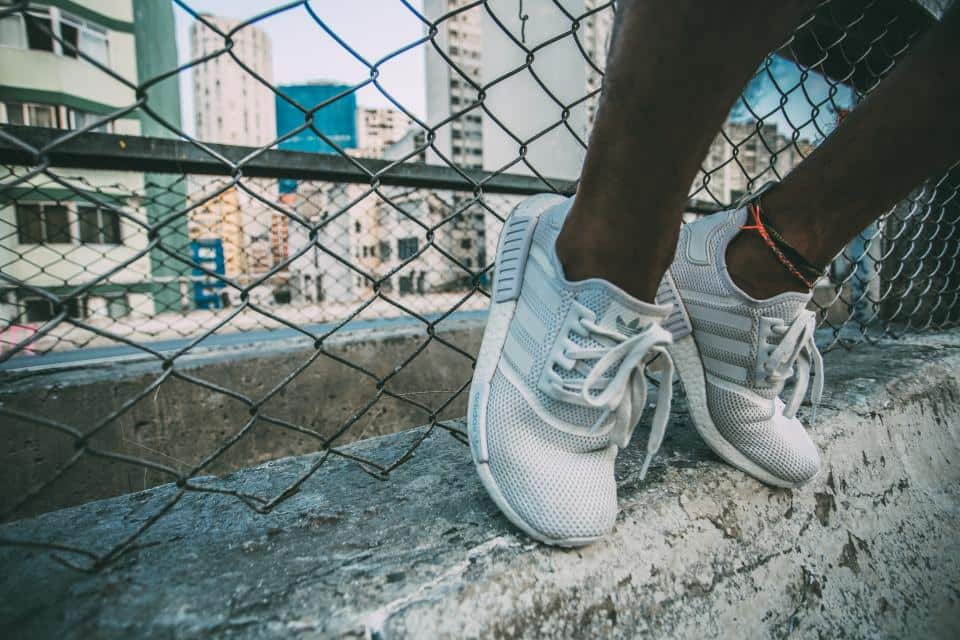 Best overallTopo Athletic ST-5A zero-drop road shoe from a brand that builds anatomically wide toe boxes without the barefoot ideology - a soft landing for skeptics. | Road mileage, wide forefoot, conventional heel | |
| 2 | 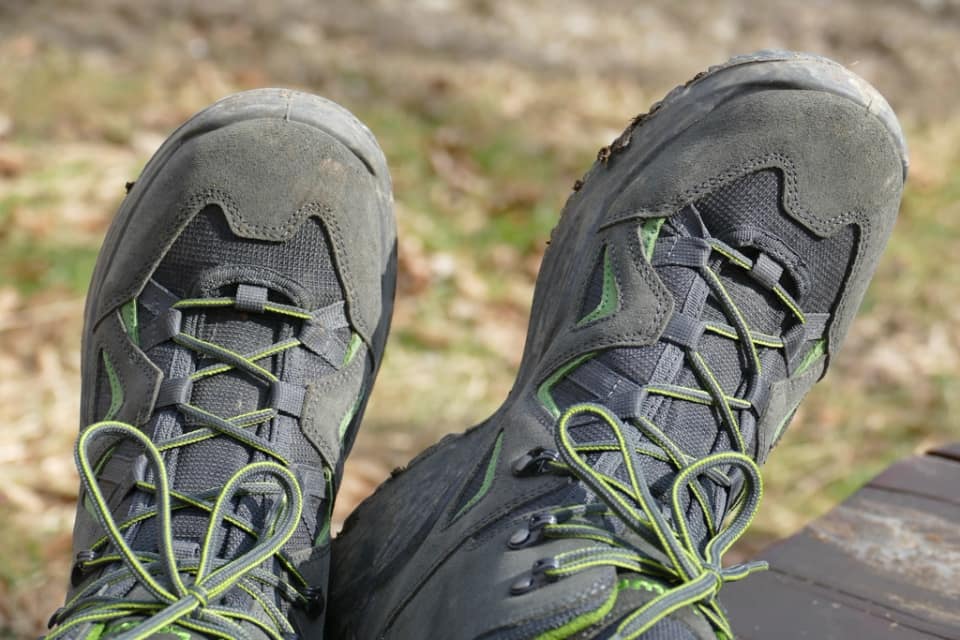 Best trail shoeXero Shoes Mesa SummitXero's more protective trail shoe: still 0 mm drop, but 9.5 mm at both ends, which is the difference between finishing a rocky descent and limping it. | 9.5 mm both ends with a real toe bumper | |
| 3 |  Best cushionedAltra Lone Peak 9Zero drop with 25 mm of cushioning underneath. Not a barefoot shoe and not pretending to be - it is the zero-drop shoe you hike 2,000 miles in. | Wide toes and 25 mm of foam, long distances | |
| 4 | 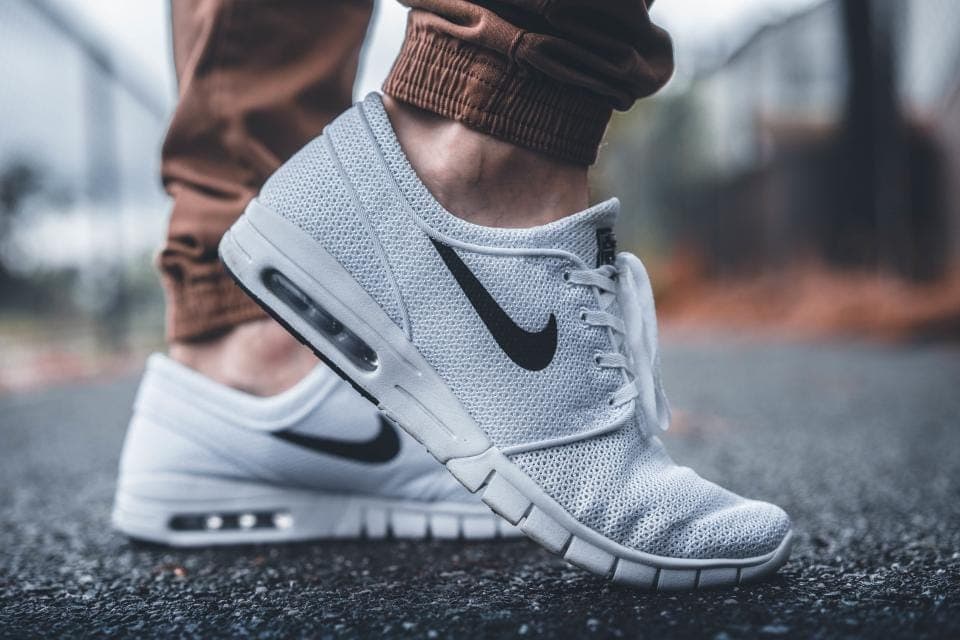 Best value all-rounderXero Shoes PrioThe closest thing to a default first barefoot shoe: genuinely wide, genuinely flexible, and cheap enough that a failed experiment does not hurt. | Shorter runs plus everything else you do | |
| 5 | 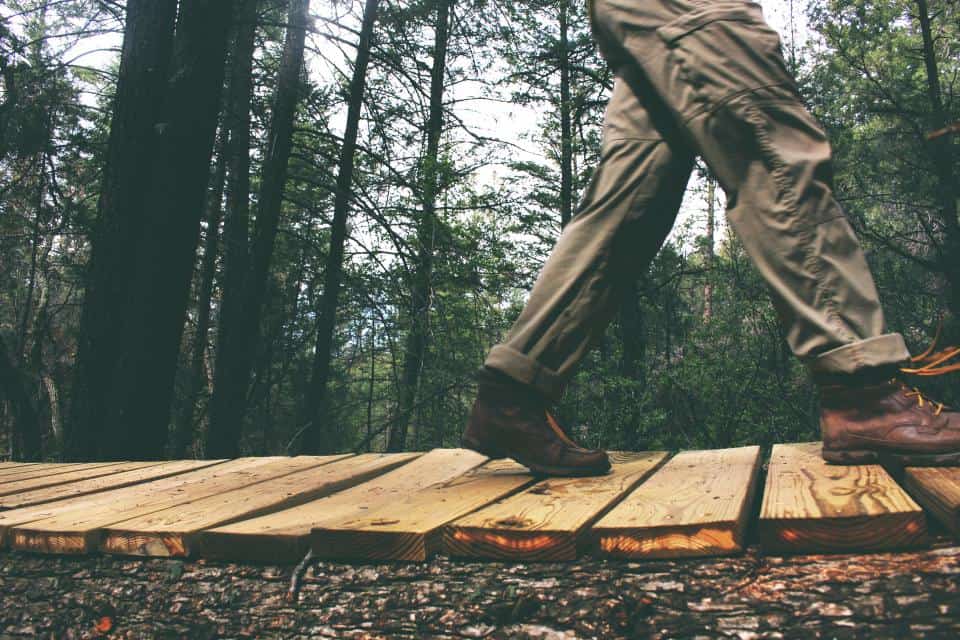 ThinnestVivobarefoot Primus Trail III All Weather FGThe top-scoring barefoot shoe in RunRepeat's lab-tested catalog, and the one genuinely thin trail shoe that handles mud and cold rain. | Wide, minimal and genuinely grippy in mud | |
| 6 |  Best budgetWHITIN Minimalist Trail RunnerA zero-drop, wide-toe-box knit shoe at roughly a third of what the established brands charge - and the cheapest honest way to find out if this suits you. | Wide forefoot, shallow instep, very little money | |
| 7 | 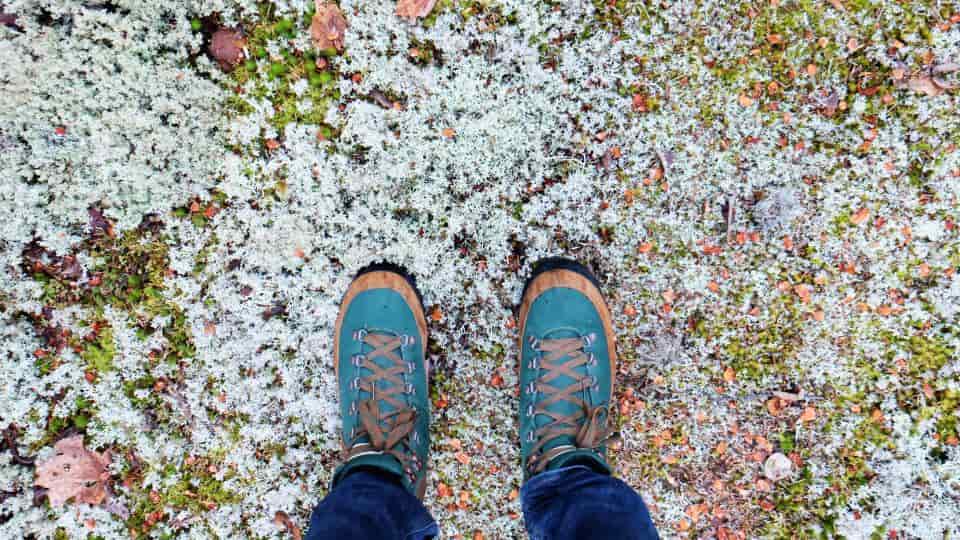 Best budget alternativeJOOMRA Minimalist Trail RunnersThe third marketplace brand worth knowing - broadly WHITIN's equal, and the one to try when WHITIN's instep volume does not work for you. | A second cheap last if WHITIN pinches |
#ad Prices come from the retailer and change; we never publish a figure we have not verified live. Affiliate disclosure.
There is a trap in this corner of the category, and it catches wide-footed runners specifically: a brand's running last is usually narrower than its casual last. The same company that sells you a gloriously wide everyday shoe will sell you a road shoe built to hold the foot at speed, and holding the foot means less room across the forefoot.
You can see it inside single brands. Xero's casual and trail lasts are wide; its HFS road line is narrower by its own description. Merrell's Vapor Glove 6 is flat, thin and specified as narrow. Vibram FiveFingers gives each toe its own pocket, which is a different and genuinely good answer, but across the ball of the foot it is moderate rather than wide. All three are excellent shoes and all three appear on the main barefoot running roundup — and if your forefoot is broad, all three are likely to disappoint you.
So this page applies one filter the other running pages do not: every pick has a wide forefoot and is a shoe you can actually run in. That filter removes most of the thin road shoes and leaves a list that leans trail, which is not a coincidence — trail lasts are roomier because feet swell and slide on descents.
How we chose
The criteria, applied in this order:
- A wide forefoot, verified against the published fit assessment for that specific model rather than for the brand. Brand-level width claims are what cause this problem in the first place.
- Runnable as sold — enough underfoot and enough structure for repeated road or trail mileage, not a casual shoe we are stretching to fit the brief.
- Zero drop, confirmed at heel and forefoot where the figure is published at both ends.
- A spread of stack height, because a wide foot is not a signal about how much sole you want. There is a 4 mm option and a 25 mm option here on purpose.
- Surface honesty — a shoe recommended for road has to be sensible on road, and the trail picks are labeled as trail rather than sold as do-everything.
- A real option under $60, since the cheapest way to discover a last does not fit should not be an expensive way.
Width is not the only dimension that fails
Most people who describe their feet as wide are describing one of two different problems, and the fix is different for each.
Forefoot width is the horizontal measurement across the ball of your foot and the one every brand advertises. Volume is the depth from sole to instep, almost nobody publishes it, and it is what is wrong when a shoe is clearly wide enough but the laces bite across the top of your foot after two miles. A wide, low-volume shoe fits a broad flat foot and hurts a thick one.
Among the picks here: WHITIN runs wide but low, so a high instep will feel the laces. Xero's Prio is wide with moderate volume, but its huarache-style lacing panel is the most common source of instep complaints in the whole Xero line. Topo and Altra both pair a wide forefoot with a conventional, moderate-volume midfoot, which is why they tend to work for people who have been defeated by thinner shoes. If this is your problem, toe box shapes explained and foot shape types are the two pages to read before ordering anything.
Pick by surface first
Width narrows the field enough that the remaining decision is simply where you run.
Why the top pick is not a barefoot shoe
The Topo Athletic ST-5 leads this list and it is worth being straight about what it is: a zero-drop running shoe with an anatomically wide forefoot, not a barefoot shoe. It has a conventional heel fit and enough midsole to run road mileage from the first day, and its own card says plainly that if ground feel is what you want, this is the wrong shoe.
It leads anyway because of what the alternatives are. For a broad forefoot on pavement, the genuinely thin options are narrow, and a narrow shoe at running volumes does not merely feel tight — it is where blisters, numb toes and nail problems come from. A wide zero-drop trainer you can run in every day beats a thin shoe you abandon after three runs. If you want the thin sole and the width together on road, the honest answer is the Xero Prio for shorter distances while you adapt, then reassess.
If you have come here from cushioned trainers and want to keep the cushioning, the Altra Lone Peak 9 is the shoe that makes that a legitimate position rather than a compromise — same flat platform, same wide forefoot, 25 mm of foam. Minimalist vs cushioned running shoes sets out what you keep and what you lose, and barefoot vs zero drop explains why those two things are separable at all.
The mileage question
Wide feet do not change the transition rules, but running does make them matter more. Running loads the foot at several times body weight, repeatedly, and the documented risk in this category is bone stress injury from moving into minimal shoes too fast — in one MRI study of 36 runners, 10 of the 19 who spent 10 weeks transitioning developed new bone-marrow edema, mostly without any symptoms to warn them.
The practical version: keep your current running shoes, add the new ones for a short easy run or two per week, and increase only when your feet and calves feel normal the next morning. Calves complain first and loudest — that is expected, and calf pain from barefoot running covers what is normal and what is not. Top-of-foot pain that persists is the one to stop for. The full running transition plan is the page to read before your first run, not after it.
Before you order: fit and transition
Two things matter more than which shoe on this page you pick, and both are free.
Get the size right. Barefoot brands size from internal length rather than from a conventional size label, and you need roughly 10 to 15 mm beyond your longest toe — more than a normal fitting leaves. Measure your feet, then use the sizing guide and the cross-brand table. Sizing up to get a wider shoe does not work: lasts scale in length, so you get heel slip and toes sitting behind the widest part of the shoe.
Build up slowly. The documented risk in this category is bone stress injury from a rushed transition — in one MRI study of 36 runners, 10 of the 19 who spent 10 weeks moving into minimal shoes developed new bone-marrow edema, mostly without symptoms. Keep your current shoes, add minimal-shoe hours gradually, and judge by how your feet feel the next morning. The transition plan.
One extra step for running specifically: size with your running socks on, late in the day, and check that your longest toe does not reach the end when you flex the shoe hard. Feet swell measurably over a run, and a shoe that is perfect at rest can be short at mile five.
The picks in detail
Seven zero-drop running shoes with a genuinely wide forefoot, ranked by how many jobs each one does well. Published specs, honest cons and a reason to skip on every one.
1. Best overall
Topo Athletic ST-5
A zero-drop road shoe from a brand that builds anatomically wide toe boxes without the barefoot ideology - a soft landing for skeptics.
What works
- Wide toe box with a conventional running-shoe heel fit
- Enough midsole to run road mileage immediately
- Measured and scored in RunRepeat's lab catalog
What does not
- More shoe than most barefoot buyers want
- Narrower size range than the big running brands
Skip these if: You want ground feel. This is a running shoe that happens to be flat.
Specifications as published by the maker and reported by RunRepeat barefoot running shoes catalog. We have not measured them ourselves. All brand fit profiles
2. Best trail shoe
Xero Shoes Mesa Summit
Xero's more protective trail shoe: still 0 mm drop, but 9.5 mm at both ends, which is the difference between finishing a rocky descent and limping it.
What works
- The extra millimeter over the Mesa Trail is noticeable on rock
- Proper toe bumper, which thin trail shoes usually skip
- Zero drop confirmed at both ends
What does not
- Heavier than the rest of the Xero trail line
- Less ground feel, which is the point but will disappoint purists
Skip these if: Ground feel is your primary reason for buying barefoot shoes at all.
Specifications as published by the maker and reported by REI product specifications, Xero Shoes Mesa Summit. We have not measured them ourselves. Xero Shoes fit profile
3. Best cushioned
Altra Lone Peak 9
Zero drop with 25 mm of cushioning underneath. Not a barefoot shoe and not pretending to be - it is the zero-drop shoe you hike 2,000 miles in.
What works
- Zero drop with real cushioning - the combination almost nobody else offers
- The de facto standard on long-distance hiking trails
- Genuinely wide forefoot in standard width
What does not
- 25 mm of foam means essentially no ground feel
- Outsoles are known to wear out faster than the uppers
Skip these if: You want ground feel or foot strengthening. This shoe gives you neither - it gives you zero drop and comfort.
Specifications as published by the maker and reported by BikeHikeSafari, best barefoot shoes 2026 stated specifications. We have not measured them ourselves. Altra fit profile
4. Best value all-rounder
Xero Shoes Prio
The closest thing to a default first barefoot shoe: genuinely wide, genuinely flexible, and cheap enough that a failed experiment does not hurt.
What works
- Removable 2 mm insole, so you can go thinner as your feet adapt
- Wide enough for most square and plateau foot shapes
- Flexes and rolls flat, which is the quickest way to spot a fake minimalist shoe
What does not
- The lacing panel can pressure a high instep
- Thin heel padding is noticeable on hard floors for the first week
Skip these if: You have a high-volume foot and dislike lace pressure across the top, or you need any cushioning at all on day one.
Specifications as published by the maker and reported by Xero Shoes Prio listing specifications. We have not measured them ourselves. Xero Shoes fit profile
5. Thinnest
Vivobarefoot Primus Trail III All Weather FG
The top-scoring barefoot shoe in RunRepeat's lab-tested catalog, and the one genuinely thin trail shoe that handles mud and cold rain.
What works
- Aggressive firm-ground lugs that clear mud instead of packing it
- All-weather upper without a stiff waterproof membrane
- Scores highest of any barefoot shoe in RunRepeat's measured catalog
What does not
- Thin sole plus aggressive lugs is a strange feel on hard-packed trail
- Premium price for a shoe you will wear out
Skip these if: Most of your miles are road or hard-packed gravel.
Specifications as published by the maker and reported by RunRepeat barefoot running shoes catalog. We have not measured them ourselves. Vivobarefoot fit profile
6. Best budget
WHITIN Minimalist Trail Runner
A zero-drop, wide-toe-box knit shoe at roughly a third of what the established brands charge - and the cheapest honest way to find out if this suits you.
What works
- The lowest-risk way to test barefoot shoes at all
- Removable sockliner, so you can thin it out over time
- Wide toe box that genuinely is wide
What does not
- Low volume through the instep compared with Saguaro
- Build quality is what the price suggests - it will not last years
- Sizing is inconsistent between colorways
Skip these if: You have a high instep or a high-volume foot - WHITIN runs low and you will feel the laces.
Specifications as published by the maker and reported by That Fit Friend, WHITIN Minimalist Trail Runner review. We have not measured them ourselves. WHITIN fit profile
7. Best budget alternative
JOOMRA Minimalist Trail Runners
The third marketplace brand worth knowing - broadly WHITIN's equal, and the one to try when WHITIN's instep volume does not work for you.
What works
- A genuine alternative last if WHITIN pinches
- Several styles in the same low price band
- Removable insole
What does not
- Same durability ceiling as the other marketplace brands
- Minimal published specification data to verify
Skip these if: You want a shoe you will still be wearing in two years.
Specifications as published by the maker and reported by Anya's Reviews, best barefoot and minimalist sneakers. We have not measured them ourselves. All brand fit profiles
Common questions
What are the best barefoot running shoes for wide feet?
The Topo Athletic ST-5 for road and the Xero Shoes Mesa Summit for trail, both zero drop with a genuinely wide forefoot. For cushioning with the toe room, the Altra Lone Peak 9. For a cheap first pair, the WHITIN Minimalist Trail Runner.
Are barefoot running shoes wider than normal running shoes?
Usually, but less than you would expect, and not consistently within a brand. Barefoot casual shoes are reliably wide; barefoot running shoes are often built on narrower lasts to hold the foot at speed. The Merrell Vapor Glove 6 is specified as narrow and the Xero HFS line is narrower than Xero's casual shoes.
Should I size up in barefoot running shoes if I have wide feet?
No. Lasts scale in length, so sizing up gives you a longer shoe rather than a wider one, plus heel slip that matters more when running. Pick a different last instead. Do leave 10 to 15 mm beyond your longest toe for length, and allow for feet swelling over a run.
Can I run on pavement in wide barefoot shoes?
Yes, with a build-up. The thinner the sole the longer that build-up needs to be, which is why a wide zero-drop trainer like the Topo ST-5 is the easier pavement entry than a 7 mm shoe. Road running in minimal shoes is the highest-load thing you can ask of an unadapted foot.
Why do my toes go numb in barefoot running shoes?
Most often because the shoe is wide enough across the forefoot but too shallow through the instep, so the laces compress the top of the foot. Loosen the forefoot lacing first. If that does not fix it, the shoe is low-volume for your foot and you need a different last rather than a different size.
Sources
- Outdoor Life, best barefoot shoes 2026 — stated stack heights and weights
- RunRepeat barefoot running shoes catalog
- Ridge et al., foot bone marrow edema after 10-week transition to minimal footwear
- Effects of Minimalist Shoes on Plantar Intrinsic Foot Muscle Size and Strength: A Review
Accessed October 2026. Where a source is a manufacturer, the specification is theirs as published — we have not measured it.
Read next

Best Barefoot Running Shoes
Best barefoot running shoes (October 2026)
Six running shoes from 4 mm to 9.5 mm with published specs — and the transition evidence that should shape how you use them.
By Brijon M. · Updated October 2026
Top pick: Xero Shoes HFS II
Best for Wide Feet
Best barefoot shoes for wide feet (October 2026)
Seven wide lasts across everyday, trail, work and budget — and why sizing up gains you length, not width.
By Brijon M. · Updated October 2026
Top pick: Lems Primal Zen
How to transition to barefoot running
A six-month progression built on the bone-adaptation evidence, with the walking gate first and three stop signals.
By Brijon M. · Updated October 2026
Top pick: Topo Athletic ST-5
Best Brands
Best barefoot shoe brands (October 2026)
Ten barefoot shoe brands ranked by last shape — which brand fits a wide, narrow, low-volume or high-volume foot, and the catch on each.
By Brijon M. · Updated October 2026
Top pick: Xero Shoes Prio
Barefoot shoe sizing, properly
Measure, do not convert. How much toe room to leave, why sizing up for width fails, and what to check when the box arrives.
By Brijon M. · Updated October 2026
Top pick: Xero Shoes Prio
Minimalist vs Cushioned
Minimalist vs cushioned running shoes
A trade-off between injury mechanisms, not a winner. Which tissue each option loads, and the middle both camps ignore.
By Brijon M. · Updated October 2026
Top pick: Xero Shoes HFS II