Best for CrossFit
The best barefoot shoes for CrossFit
A flat platform for the lifts, enough upper to survive a rope, and enough sole for the part of the session that is a 400 meter run.
By Brijon M. · Updated October 2026
The Xero Shoes Prio is the pick for most CrossFit athletes: zero drop, 7 to 8 mm underfoot, a wide toe box and a lacing panel that genuinely locks the midfoot. If your programming is lifting-heavy, the Vibram V-Train 2.0 is flatter at 4 mm. If it has real running in it, take the Merrell Trail Glove 7 and its 14 mm instead.
How this page is funded: some links here are Amazon affiliate links, so we may earn a commission if you buy — at no extra cost to you. It never changes which products we include or how we rank them, and we take no payment from brands for placement. Full disclosure.
Quick picks
Tap any row to jump to the full write-up. Selection is specification-led, not wear-tested — how we choose.
| # | Product | Best for | Price |
|---|---|---|---|
| 1 | 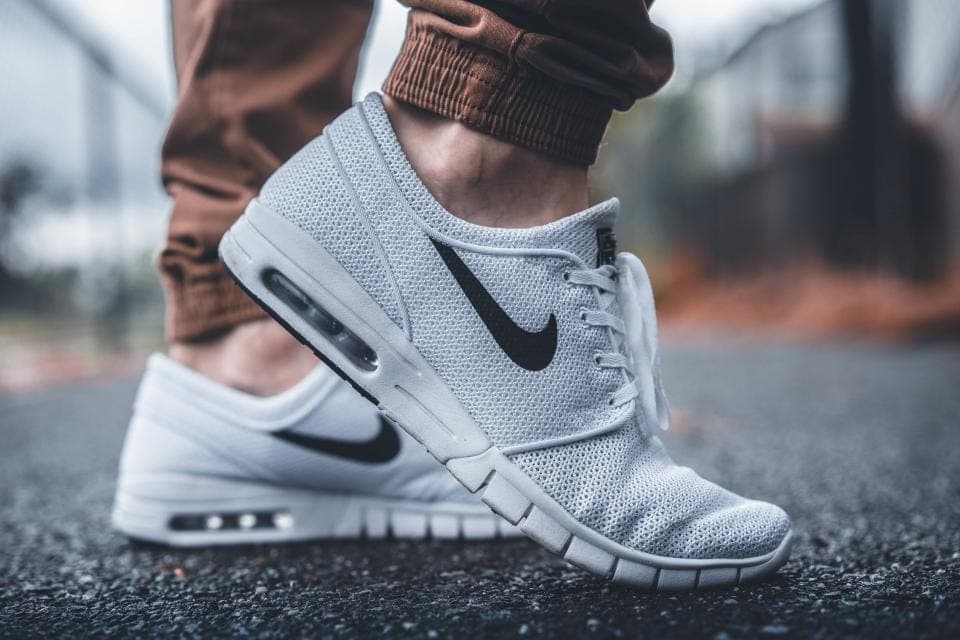 Best overallXero Shoes PrioThe closest thing to a default first barefoot shoe: genuinely wide, genuinely flexible, and cheap enough that a failed experiment does not hurt. | Mixed-modal classes, wide feet, 7-8 mm | |
| 2 |  Best for lifting-heavy programmingVibram FiveFingers V-Train 2.0A 4 mm sole built for the gym floor rather than the road - the most stable FiveFingers for loaded movement. | 4 mm, reinforced upper, toe pockets | |
| 3 | 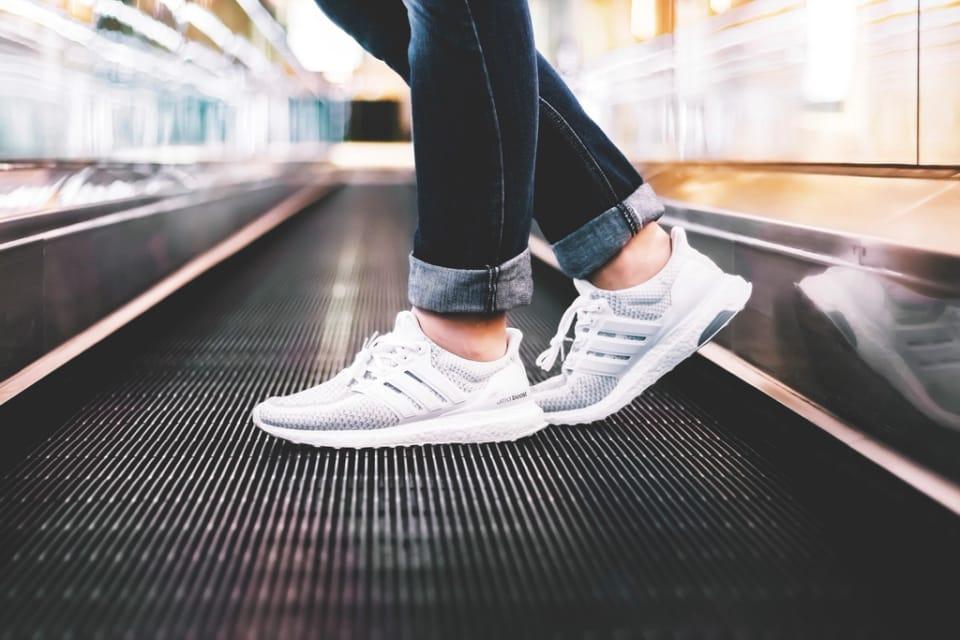 Most underfootMerrell Trail Glove 7A 14 mm stack, zero drop and a Vibram outsole - the most mainstream way to hike in a minimalist shoe, available waterproof or not. | Box jumps and sessions with real running | |
| 4 | 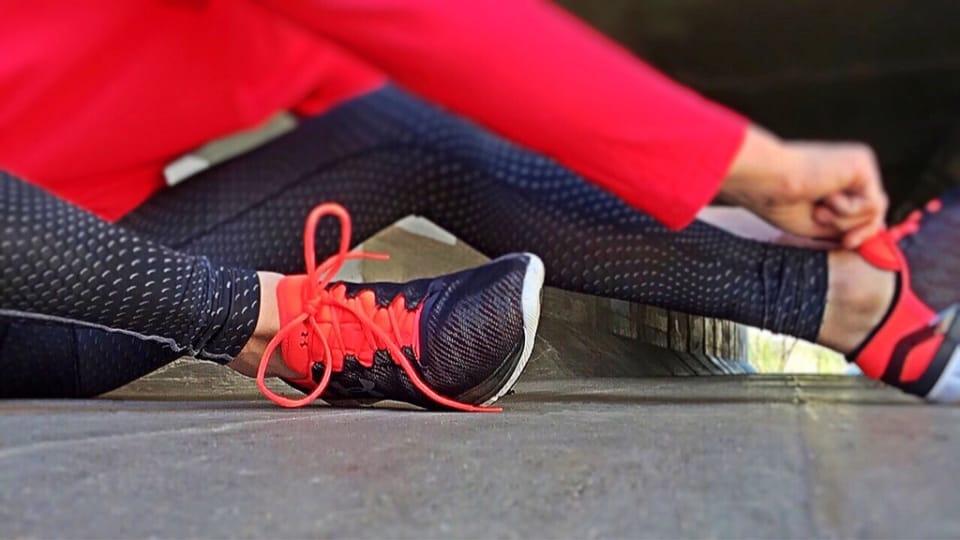 Best budgetHOBIBEAR Barefoot Trail Running ShoesA zero-drop, wide-toe-box cross-trainer at marketplace prices, and the budget option most often recommended for gym and general training use. | A second pair that lives in the gym bag | |
| 5 | 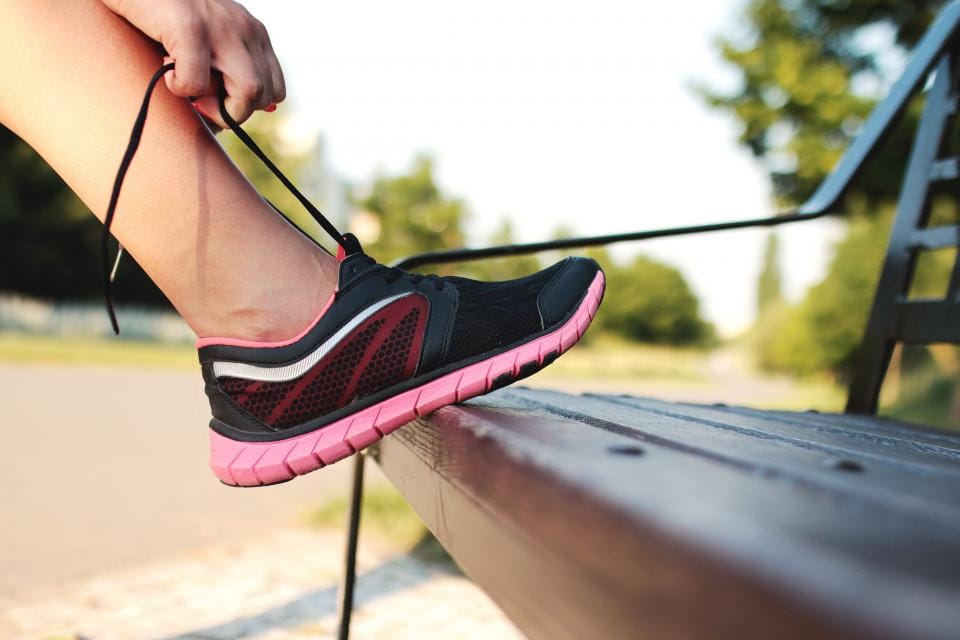 Best when the running mattersXero Shoes HFS IIA true zero-drop road shoe with an 8.5 mm stack at both ends, which is about as thin as most people can run pavement in without a long build-up. | 8.5 mm, engineered mesh, road-biased |
#ad Prices come from the retailer and change; we never publish a figure we have not verified live. Affiliate disclosure.
CrossFit is the hardest use case in this category to buy one shoe for, and the reason is in the name of the sport: it is mixed-modal. A barbell wants a flat, stable, thin platform. A 400 meter run wants some material under your heel. A rope climb wants an upper that will not shred, and a box jump wants an outsole that will not skate off a rubber edge. No shoe is best at all four.
So the honest answer is not a single winner — it is the shoe that matches your programming. The picks below are ordered by that rather than by price, and the first question to settle is how much running your box actually makes you do.
What the workout actually asks of a shoe
Break a typical class into its parts and the specification writes itself.
Read down the right-hand column and the conflict is obvious: the lifting rows want 4 mm and the running rows want 14. The Prio sits at 7 to 8 mm because that is the middle of the argument, which is exactly why it is the pick for most people rather than the best at any one thing.
How we chose
The criteria, applied in this order:
- Zero drop, verified from published specifications - a heel lift changes a squat and we will not guess at a number.
- A sole thin and firm enough to lift on. Soft foam under a heavy barbell is the thing a lifter is trying to get away from.
- An upper that survives abrasion, judged from the stated upper material rather than from how it photographs.
- A toe box that lets the foot spread under load, which is the whole reason a barefoot shoe is in this conversation.
- A real option at each end of the running spectrum, because a box that runs every session needs a different shoe from one that does not.
- Currently sold in the US, with a genuine budget pick, because a gym shoe takes abuse and gets replaced.
Why not a dedicated lifting shoe
A weightlifting shoe with a raised heel is a genuinely good tool for a squat and a clean, and it is the wrong tool for everything else in a class. You cannot run in it, you cannot skip in it, and the heel it adds is the opposite of what this site exists for. If your training is purely barbell work, buy the dedicated shoe and ignore this page. If your training is mixed, a flat shoe is the better compromise, and the gym and lifting roundup goes deeper on the pure-strength end of it.
The other common question is whether to train barefoot. For deadlifts and presses on a clean platform, bare feet are excellent and free. Most boxes will not allow it, and nobody should do box jumps or rope climbs without a shoe, which is the practical limit on that argument.
The upper is what you are really buying
Outsoles in this category rarely wear out in a gym; uppers do. A rope climb drags a loaded foot across braided nylon, and open mesh frays exactly where the rope sits. That is why the Vibram V-Train 2.0 holds the lifting-heavy slot rather than the all-round one — its reinforced synthetic upper is built for that abrasion, at 4 mm underfoot and 15.6 oz per pair.
It comes with the trade this site always states: individual toe pockets take getting used to, and the registry entry says plainly that if you mostly run, this is not your shoe. The Prio and its huarache-style lacing panel is the better general answer, and the HOBIBEAR knit is the one to buy if you would rather replace a cheap pair twice a year than nurse an expensive one. Most durable barefoot shoes has the longer argument about what actually fails first.
Before you order: fit and transition
Two things matter more than which shoe on this page you pick, and both are free.
Get the size right. Barefoot brands size from internal length rather than from a conventional size label, and you need roughly 10 to 15 mm beyond your longest toe — more than a normal fitting leaves. Measure your feet, then use the sizing guide and the cross-brand table. Sizing up to get a wider shoe does not work: lasts scale in length, so you get heel slip and toes sitting behind the widest part of the shoe.
Build up slowly. The documented risk in this category is bone stress injury from a rushed transition — in one MRI study of 36 runners, 10 of the 19 who spent 10 weeks moving into minimal shoes developed new bone-marrow edema, mostly without symptoms. Keep your current shoes, add minimal-shoe hours gradually, and judge by how your feet feel the next morning. The transition plan.
CrossFit-specific: do not make a class the place where you discover your new shoes are half a size short. Feet swell during a metcon, and 10 to 15 mm of length in front of the longest toe is the allowance that keeps a landing comfortable at minute fourteen.
The picks in detail
Five shoes, ordered by how much running your programming contains rather than by price.
1. Best overall
Xero Shoes Prio
The closest thing to a default first barefoot shoe: genuinely wide, genuinely flexible, and cheap enough that a failed experiment does not hurt.
What works
- Removable 2 mm insole, so you can go thinner as your feet adapt
- Wide enough for most square and plateau foot shapes
- Flexes and rolls flat, which is the quickest way to spot a fake minimalist shoe
What does not
- The lacing panel can pressure a high instep
- Thin heel padding is noticeable on hard floors for the first week
Skip these if: You have a high-volume foot and dislike lace pressure across the top, or you need any cushioning at all on day one.
Specifications as published by the maker and reported by Xero Shoes Prio listing specifications. We have not measured them ourselves. Xero Shoes fit profile
2. Best for lifting-heavy programming
Vibram FiveFingers V-Train 2.0
A 4 mm sole built for the gym floor rather than the road - the most stable FiveFingers for loaded movement.
What works
- 4 mm is thin enough to feel the platform and thick enough to survive it
- Tougher upper than the running models
- Excellent for balance and single-leg work
What does not
- Heavier than the running FiveFingers
- Still a toe shoe, so still a sizing project
Skip these if: You mostly run. Get a conventional-toe-box road shoe instead.
Specifications as published by the maker and reported by BikeHikeSafari, best barefoot shoes 2026 stated specifications. We have not measured them ourselves. Vibram FiveFingers fit profile
3. Most underfoot
Merrell Trail Glove 7
A 14 mm stack, zero drop and a Vibram outsole - the most mainstream way to hike in a minimalist shoe, available waterproof or not.
What works
- Vibram traction that holds on wet rock
- Enough stack to hike a full day on mixed terrain
- Easy to find in stores and easy to return
What does not
- Toe box is moderate, not wide - Merrell's last is narrower than Xero's
- 14 mm is firm cushioning, not soft
Skip these if: You need a genuinely wide or extra-wide forefoot.
Specifications as published by the maker and reported by BikeHikeSafari, best barefoot shoes 2026 stated specifications. We have not measured them ourselves. Merrell fit profile
4. Best budget
HOBIBEAR Barefoot Trail Running Shoes
A zero-drop, wide-toe-box cross-trainer at marketplace prices, and the budget option most often recommended for gym and general training use.
What works
- Flat, stable platform that works for lifting as well as walking
- Wide toe box that lets toes splay under load
- Sold in both men's and women's sizing and in kids' sizes
What does not
- Outsole compound is soft and wears on abrasive surfaces
- No rock plate, so it is a poor real trail shoe despite the name
Skip these if: You want an actual trail shoe for rocky ground - the name oversells it.
Specifications as published by the maker and reported by HOBIBEAR barefoot trail running shoes product listing. We have not measured them ourselves. HOBIBEAR fit profile
5. Best when the running matters
Xero Shoes HFS II
A true zero-drop road shoe with an 8.5 mm stack at both ends, which is about as thin as most people can run pavement in without a long build-up.
What works
- Measured zero drop at both ends, not a marketing claim
- Noticeably lighter and more road-focused than the Prio
- Holds the heel without a stiff counter
What does not
- Toe box is narrower than Xero's casual lasts
- 8.5 mm underfoot is unforgiving on broken pavement
Skip these if: Your forefoot is genuinely wide or extra-wide - the HFS II is one of Xero's narrower shoes.
Specifications as published by the maker and reported by RunRepeat lab specifications, Xero Shoes HFS II. We have not measured them ourselves. Xero Shoes fit profile
Common questions
Are barefoot shoes good for CrossFit?
For the lifting and bodyweight parts, yes - a flat, thin, stable platform is what a barbell wants, and a wide toe box lets your foot spread under load. The limit is running volume and box jumps, where a 4 mm sole gets punishing. Match stack height to how much running your programming has.
What stack height should a CrossFit shoe have?
Between 4 and 8 mm if your sessions are lifting-led, and 8 to 14 mm if they regularly include 400 m or longer runs. The Vibram V-Train 2.0 sits at 4 mm, the Xero Prio at 7 to 8 mm and the Merrell Trail Glove 7 at 14 mm, which brackets the useful range.
Can you do rope climbs in barefoot shoes?
Yes, but the upper decides how long the shoe lasts. Rope work abrades the medial midfoot, so a reinforced synthetic upper survives far better than open mesh. Expect a mesh gym shoe to show rope wear within months if you climb regularly.
Do I need weightlifting shoes as well?
Only if you compete in weightlifting or squat near your limit regularly. A raised-heel lifting shoe helps a deep squat and is useless for everything else in a class, so most athletes are better served by one flat shoe than by swapping mid-session.
Are Vibram FiveFingers allowed in CrossFit classes?
Almost always, and they are a long-standing choice for lifting-heavy training. Check with your box only if it has a specific footwear rule. The adaptation period is real: individual toe pockets need a few sessions before they feel normal.
Can I switch to barefoot shoes while starting CrossFit?
We would not. Both are new loads on the same tissue, and the documented downside of a fast footwear transition is bone stress injury - in one MRI study, 10 of the 19 runners who moved into minimal shoes over 10 weeks developed new bone-marrow edema, mostly without symptoms. Start the sport first.
Sources
- Outdoor Life, best barefoot shoes 2026 — stated stack heights and weights
- RunRepeat barefoot running shoes catalog
- Ridge et al., foot bone marrow edema after 10-week transition to minimal footwear
- Xero Shoes published specifications (stack heights and weights)
- Merrell published specifications, Trail Glove 7
Accessed October 2026. Where a source is a manufacturer, the specification is theirs as published — we have not measured it.
Read next
Best for Gym & Lifting
Best barefoot shoes for the gym and lifting (October 2026)
The lowest-risk, highest-value use in the category. Six picks, plus the honest squat-heel caveat.
By Brijon M. · Updated October 2026
Top pick: Vibram FiveFingers V-Train 2.0

Best Run and Walk
The best barefoot shoes for running and walking
Five barefoot shoes that handle both running and walking, and the mileage at which one pair stops being the right answer.
By Brijon M. · Updated October 2026
Top pick: Xero Shoes Prio
How to choose barefoot shoes
Five decisions in order: measure, stack height by stage, width and volume, the three-part test, then brand.
By Brijon M. · Updated October 2026
Top pick: Xero Shoes Scrambler Low

How to transition to barefoot shoes
A concrete 16-week plan with numbers, built around the MRI study that found bone-marrow edema in 10 of 19 transitioning runners.
By Brijon M. · Updated October 2026
Top pick: Xero Shoes Scrambler Low
Barefoot vs Zero Drop
Barefoot vs zero drop: which do you actually want?
Every barefoot shoe is zero drop; most zero-drop shoes are not barefoot. A side-by-side table and a pick for each answer.
By Brijon M. · Updated October 2026
Top pick: Vivobarefoot Primus Lite III
The most durable barefoot shoes
Thin soles wear faster. Why resolable is the only real long-term answer, and six things that extend any pair's life.
By Brijon M. · Updated October 2026
Top pick: Softstar Megagrip Primal RunAmoc
#ad — brand-direct link, we earn nothing on it. Why we still list it