Are barefoot shoes good for running?
For patient runners with no relevant injury history, yes. The qualifiers in that sentence are doing real work.
By Brijon M. · Updated October 2026
They can be, for runners who transition over months. They build measurable foot strength and tend to shift landing back from the heel. They also increase forefoot pressure, and moderate evidence links them to higher metatarsal stress-fracture risk.
How this page is funded: some links here are Amazon affiliate links, so we may earn a commission if you buy — at no extra cost to you. It never changes which products we include or how we rank them, and we take no payment from brands for placement. Full disclosure.
Quick picks
Tap any row to jump to the full write-up. Selection is specification-led, not wear-tested — how we choose.
| # | Product | Best for | Price |
|---|---|---|---|
| 1 | 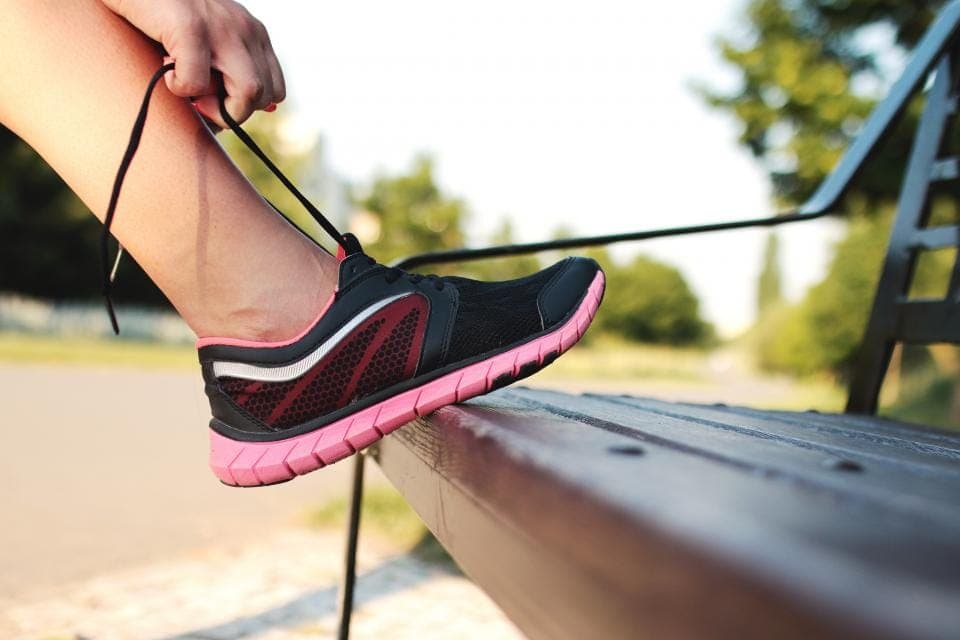 If the answer is yesXero Shoes HFS IIA true zero-drop road shoe with an 8.5 mm stack at both ends, which is about as thin as most people can run pavement in without a long build-up. | 8.5 mm, measured zero drop | |
| 2 |  If you want protectionMerrell Trail Glove 7A 14 mm stack, zero drop and a Vibram outsole - the most mainstream way to hike in a minimalist shoe, available waterproof or not. | 14 mm with Vibram | |
| 3 |  If you want the smaller changeTopo Athletic ST-5A zero-drop road shoe from a brand that builds anatomically wide toe boxes without the barefoot ideology - a soft landing for skeptics. | Flat with real cushioning | |
| 4 |  If mileage comes firstAltra Lone Peak 9Zero drop with 25 mm of cushioning underneath. Not a barefoot shoe and not pretending to be - it is the zero-drop shoe you hike 2,000 miles in. | 25 mm, zero drop, wide |
#ad Prices come from the retailer and change; we never publish a figure we have not verified live. Affiliate disclosure.
Our honest answer: for a patient runner with no history of metatarsal, Achilles or plantar problems, yes — and the transition matters more than the shoe. For everyone else the answer ranges from "probably, more slowly" to "ask a physiotherapist first."
The case for
Measured foot strength. The best-evidenced claim in the category: reviews of minimalist footwear report significant increases in intrinsic foot muscle strength, volume and cross-sectional area, assessed by ultrasound. Stronger feet are plausibly useful to a runner even if the downstream injury effect is unproven.
A landing pattern shift. The biomechanics reviews find footwear construction changes landing in consistent directions, with minimal shoes tending to move the strike back from the heel for most runners.
Toe room on landing. Your foot splays under load, and a tapered toe box fights that on every step. This one is mechanical and immediate rather than adaptive.
Lower weight. 5 to 8 oz versus 8 to 11 oz, lifted thousands of times per run. A real if modest advantage.
The case against
Increased forefoot pressure. Systematic reviews report moderate evidence that minimalist shoes increase forefoot pressure relative to conventional running shoes, and thereby the risk of developing metatarsal stress fractures. This is the most consistent negative finding.
Documented transition injury. In the 2013 Ridge MRI study, 10 of 19 experienced runners transitioning gradually over 10 weeks developed new bone-marrow edema in at least one foot bone, two as stress fractures, and most without symptoms.
No demonstrated injury-rate benefit. A systematic review on minimalist shoes and injury risk exists precisely because this was unclear, and it remains so. If someone tells you minimal shoes reduce running injuries, they are ahead of the evidence.
No demonstrated performance benefit beyond the weight saving.
Who should probably not
- Anyone with a history of metatarsal stress fracture. Minimal shoes load exactly that tissue.
- Anyone with current Achilles or plantar heel problems. Zero drop plus impact increases demand on both.
- Anyone with reduced sensation in their feet. The feedback argument does not apply, and the protection cost remains.
- Anyone with a race in under six months who is not already adapted. The timeline does not fit.
- Anyone unwilling to spend months on it. This is the commonest honest no and it is not a failing.
The version that suits most runners
If you want the geometry without the bone-remodeling project, a wide, zero-drop, cushioned shoe is the answer: level platform, genuine toe room, real cushioning, a few weeks of calf adaptation. The Altra Lone Peak and Topo ST-5 are both exactly this, and for a large share of runners asking this question it is the right purchase.
If you want the thin sole and the foot-strength stimulus, the route is well mapped and it takes months: walk first, start at a mile, add slowly, judge by the next morning. The plan.
The picks in detail
Four shoes spanning the two honest answers, from fully minimal road to fully cushioned zero drop.
1. If the answer is yes
Xero Shoes HFS II
A true zero-drop road shoe with an 8.5 mm stack at both ends, which is about as thin as most people can run pavement in without a long build-up.
What works
- Measured zero drop at both ends, not a marketing claim
- Noticeably lighter and more road-focused than the Prio
- Holds the heel without a stiff counter
What does not
- Toe box is narrower than Xero's casual lasts
- 8.5 mm underfoot is unforgiving on broken pavement
Skip these if: Your forefoot is genuinely wide or extra-wide - the HFS II is one of Xero's narrower shoes.
Specifications as published by the maker and reported by RunRepeat lab specifications, Xero Shoes HFS II. We have not measured them ourselves. Xero Shoes fit profile
2. If you want the smaller change
Topo Athletic ST-5
A zero-drop road shoe from a brand that builds anatomically wide toe boxes without the barefoot ideology - a soft landing for skeptics.
What works
- Wide toe box with a conventional running-shoe heel fit
- Enough midsole to run road mileage immediately
- Measured and scored in RunRepeat's lab catalog
What does not
- More shoe than most barefoot buyers want
- Narrower size range than the big running brands
Skip these if: You want ground feel. This is a running shoe that happens to be flat.
Specifications as published by the maker and reported by RunRepeat barefoot running shoes catalog. We have not measured them ourselves. All brand fit profiles
3. If you want protection
Merrell Trail Glove 7
A 14 mm stack, zero drop and a Vibram outsole - the most mainstream way to hike in a minimalist shoe, available waterproof or not.
What works
- Vibram traction that holds on wet rock
- Enough stack to hike a full day on mixed terrain
- Easy to find in stores and easy to return
What does not
- Toe box is moderate, not wide - Merrell's last is narrower than Xero's
- 14 mm is firm cushioning, not soft
Skip these if: You need a genuinely wide or extra-wide forefoot.
Specifications as published by the maker and reported by BikeHikeSafari, best barefoot shoes 2026 stated specifications. We have not measured them ourselves. Merrell fit profile
4. If mileage comes first
Altra Lone Peak 9
Zero drop with 25 mm of cushioning underneath. Not a barefoot shoe and not pretending to be - it is the zero-drop shoe you hike 2,000 miles in.
What works
- Zero drop with real cushioning - the combination almost nobody else offers
- The de facto standard on long-distance hiking trails
- Genuinely wide forefoot in standard width
What does not
- 25 mm of foam means essentially no ground feel
- Outsoles are known to wear out faster than the uppers
Skip these if: You want ground feel or foot strengthening. This shoe gives you neither - it gives you zero drop and comfort.
Specifications as published by the maker and reported by BikeHikeSafari, best barefoot shoes 2026 stated specifications. We have not measured them ourselves. Altra fit profile
Common questions
Are barefoot shoes good for running?
For a patient runner with no history of metatarsal, Achilles or plantar problems, yes — with a transition measured in months. They build measurable foot strength and shift landing back from the heel; they also increase forefoot loading.
Do barefoot shoes reduce running injuries?
The literature does not support that. A systematic review on the question exists because the answer was unclear. What is better evidenced is that minimal shoes change where load goes rather than reducing it.
Will I run faster in barefoot shoes?
Lower weight helps marginally. There is no good evidence that the overall package improves performance for most runners.
Is it bad to run on concrete in barefoot shoes?
Concrete is the least forgiving surface and the one where stack height matters most. Most people's practical road floor is 8 to 10 mm. Running on pavement.
Who should not run in barefoot shoes?
Anyone with a history of metatarsal stress fracture, current Achilles or plantar heel problems, reduced foot sensation, a race inside six months, or no patience for a months-long ramp.
Sources
- Ridge et al., foot bone marrow edema after 10-week transition to minimal footwear
- How Does Running in Minimalist Shoes Affect Injury Risk? A Systematic Review
- Systematic Review of the Role of Footwear Constructions in Running Biomechanics
- The Re-emergence of the Minimal Running Shoe (JOSPT)
- Effects of Minimalist Shoes on Plantar Intrinsic Foot Muscle Size and Strength: A Review
Accessed October 2026. Where a source is a manufacturer, the specification is theirs as published — we have not measured it.
Read next

How to transition to barefoot running
A six-month progression built on the bone-adaptation evidence, with the walking gate first and three stop signals.
By Brijon M. · Updated October 2026
Top pick: Topo Athletic ST-5
Barefoot vs Running Shoes
Barefoot shoes vs running shoes
The most-studied comparison here. What the literature establishes about forefoot loading, and what it still does not settle.
By Brijon M. · Updated October 2026
Top pick: Xero Shoes HFS II

Best Barefoot Running Shoes
Best barefoot running shoes (October 2026)
Six running shoes from 4 mm to 9.5 mm with published specs — and the transition evidence that should shape how you use them.
By Brijon M. · Updated October 2026
Top pick: Xero Shoes HFS II

Minimalist vs Cushioned
Minimalist vs cushioned running shoes
A trade-off between injury mechanisms, not a winner. Which tissue each option loads, and the middle both camps ignore.
By Brijon M. · Updated October 2026
Top pick: Xero Shoes HFS II

Are barefoot shoes good for you?
Foot strength: good evidence. Posture and knees: thin evidence. Rushed transitions: documented bone stress injury. The honest version.
By Brijon M. · Updated October 2026
Top pick: Xero Shoes Scrambler Low

Barefoot running on pavement
The hardest surface in the category. How much sole you need, why road distance builds separately, and what reduces loading.
By Brijon M. · Updated October 2026
Top pick: Merrell Trail Glove 7