Best Beginner Running Shoes
Best barefoot running shoes for beginners (October 2026)
The honest version: before you buy a running shoe, you should already be walking comfortably in minimal shoes all day.
By Brijon M. · Updated October 2026
Your first minimal running shoe should be the thickest you will tolerate, not the thinnest you can find. The Topo ST-5 and Merrell Trail Glove 7 at 14 mm are the sensible entry points, with the Xero HFS II at 8.5 mm as the next step.
How this page is funded: some links here are Amazon affiliate links, so we may earn a commission if you buy — at no extra cost to you. It never changes which products we include or how we rank them, and we take no payment from brands for placement. Full disclosure.

Quick picks
Tap any row to jump to the full write-up. Selection is specification-led, not wear-tested — how we choose.
| # | Product | Best for | Price |
|---|---|---|---|
| 1 |  Best first shoeTopo Athletic ST-5A zero-drop road shoe from a brand that builds anatomically wide toe boxes without the barefoot ideology - a soft landing for skeptics. | Zero drop with running-shoe structure | |
| 2 | 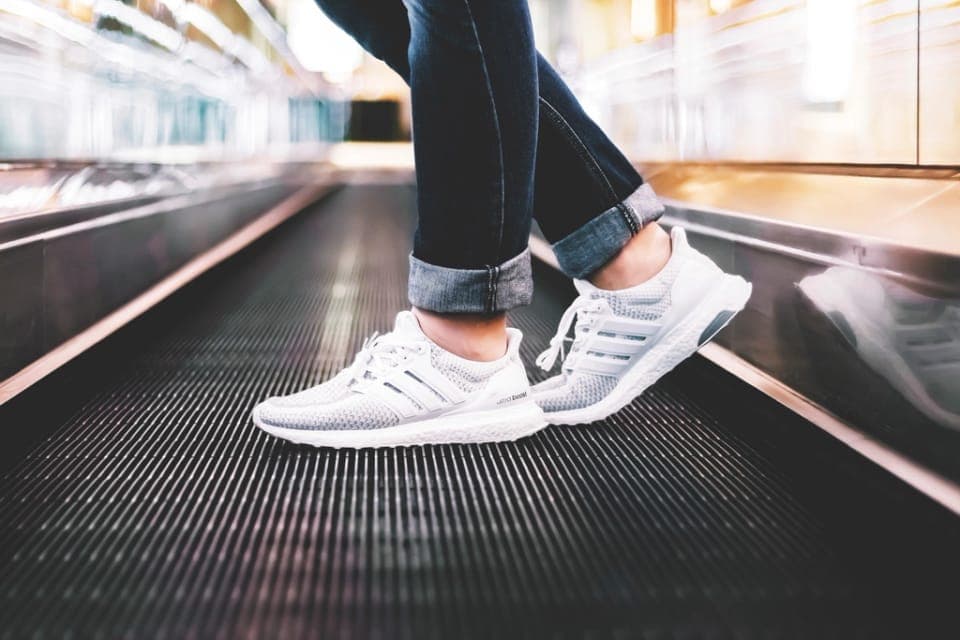 Most protective minimalMerrell Trail Glove 7A 14 mm stack, zero drop and a Vibram outsole - the most mainstream way to hike in a minimalist shoe, available waterproof or not. | 14 mm with Vibram traction | |
| 3 | 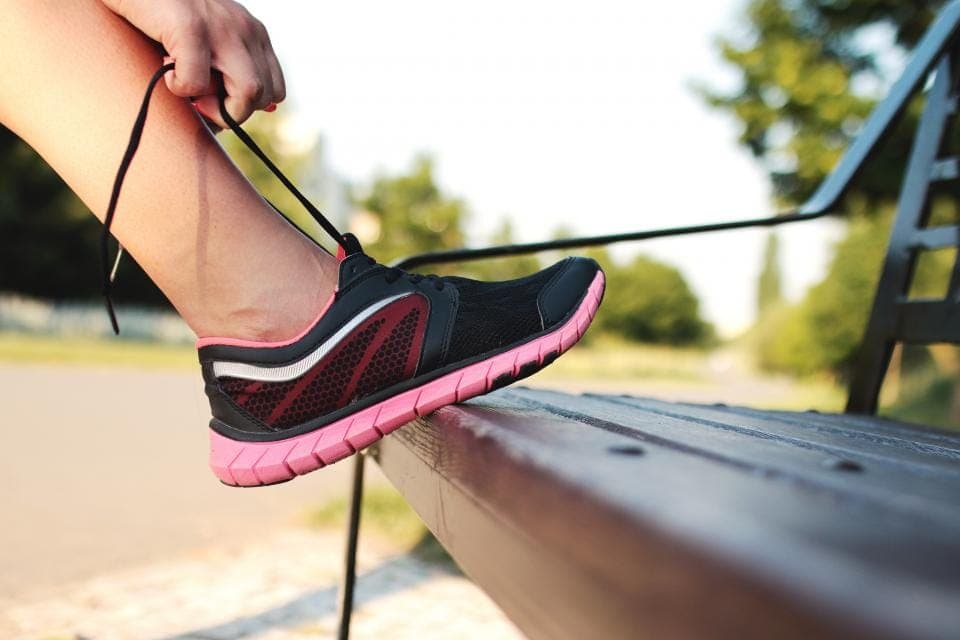 Best second shoeXero Shoes HFS IIA true zero-drop road shoe with an 8.5 mm stack at both ends, which is about as thin as most people can run pavement in without a long build-up. | 8.5 mm once you have a base | |
| 4 |  Most versatileXero Shoes PrioThe closest thing to a default first barefoot shoe: genuinely wide, genuinely flexible, and cheap enough that a failed experiment does not hurt. | Walking, gym and short runs | |
| 5 |  Keep in rotationAltra Lone Peak 9Zero drop with 25 mm of cushioning underneath. Not a barefoot shoe and not pretending to be - it is the zero-drop shoe you hike 2,000 miles in. | Mileage while you adapt |
#ad Prices come from the retailer and change; we never publish a figure we have not verified live. Affiliate disclosure.
The structure of this page is deliberately inverted from what you might expect. The most useful thing we can tell a beginner is not which shoe to buy — it is that the shoe matters less than the ramp-up, and that the right first running shoe is the thickest minimal shoe you will tolerate rather than the thinnest you can find.
Why thicker, for running specifically
The limiting tissue in running is bone, and bone remodels over months. Systematic reviews report moderate evidence that minimalist shoes increase forefoot pressure relative to conventional running shoes, and with it metatarsal stress-fracture risk.
A 14 mm shoe gives you zero drop, a wide toe box and a flexible sole while still absorbing a meaningful share of each landing. You get the gait and fit changes immediately and the bone-loading change gradually. That is the whole argument, and it is why the Topo ST-5 and the Merrell Trail Glove 7 sit above the thinner shoes on this list.
A first eight weeks of running, concretely
Note what is constant down that table: the rest of your mileage stays in your old shoes. This is additive, not a switch. Full running transition.
How we chose
The criteria, applied in this order:
- More stack height, not less — weighted deliberately toward 8.5 mm and up.
- Zero drop, verified against published specifications.
- A wide toe box, because toes splay on landing.
- Secure heel hold, since a slipping shoe at speed causes its own problems.
- Easy returns, as a first running shoe in this category is a high-risk purchase.
- Currently sold in the US, verified at build time.
Before you order: fit and transition
Two things matter more than which shoe on this page you pick, and both are free.
Get the size right. Barefoot brands size from internal length rather than from a conventional size label, and you need roughly 10 to 15 mm beyond your longest toe — more than a normal fitting leaves. Measure your feet, then use the sizing guide and the cross-brand table. Sizing up to get a wider shoe does not work: lasts scale in length, so you get heel slip and toes sitting behind the widest part of the shoe.
Build up slowly. The documented risk in this category is bone stress injury from a rushed transition — in one MRI study of 36 runners, 10 of the 19 who spent 10 weeks moving into minimal shoes developed new bone-marrow edema, mostly without symptoms. Keep your current shoes, add minimal-shoe hours gradually, and judge by how your feet feel the next morning. The transition plan.
The picks in detail
Ordered from most protective to least, which for a beginner is the order that matters.
1. Best first shoe
Topo Athletic ST-5
A zero-drop road shoe from a brand that builds anatomically wide toe boxes without the barefoot ideology - a soft landing for skeptics.
What works
- Wide toe box with a conventional running-shoe heel fit
- Enough midsole to run road mileage immediately
- Measured and scored in RunRepeat's lab catalog
What does not
- More shoe than most barefoot buyers want
- Narrower size range than the big running brands
Skip these if: You want ground feel. This is a running shoe that happens to be flat.
Specifications as published by the maker and reported by RunRepeat barefoot running shoes catalog. We have not measured them ourselves. All brand fit profiles
2. Most protective minimal
Merrell Trail Glove 7
A 14 mm stack, zero drop and a Vibram outsole - the most mainstream way to hike in a minimalist shoe, available waterproof or not.
What works
- Vibram traction that holds on wet rock
- Enough stack to hike a full day on mixed terrain
- Easy to find in stores and easy to return
What does not
- Toe box is moderate, not wide - Merrell's last is narrower than Xero's
- 14 mm is firm cushioning, not soft
Skip these if: You need a genuinely wide or extra-wide forefoot.
Specifications as published by the maker and reported by BikeHikeSafari, best barefoot shoes 2026 stated specifications. We have not measured them ourselves. Merrell fit profile
3. Best second shoe
Xero Shoes HFS II
A true zero-drop road shoe with an 8.5 mm stack at both ends, which is about as thin as most people can run pavement in without a long build-up.
What works
- Measured zero drop at both ends, not a marketing claim
- Noticeably lighter and more road-focused than the Prio
- Holds the heel without a stiff counter
What does not
- Toe box is narrower than Xero's casual lasts
- 8.5 mm underfoot is unforgiving on broken pavement
Skip these if: Your forefoot is genuinely wide or extra-wide - the HFS II is one of Xero's narrower shoes.
Specifications as published by the maker and reported by RunRepeat lab specifications, Xero Shoes HFS II. We have not measured them ourselves. Xero Shoes fit profile
4. Most versatile
Xero Shoes Prio
The closest thing to a default first barefoot shoe: genuinely wide, genuinely flexible, and cheap enough that a failed experiment does not hurt.
What works
- Removable 2 mm insole, so you can go thinner as your feet adapt
- Wide enough for most square and plateau foot shapes
- Flexes and rolls flat, which is the quickest way to spot a fake minimalist shoe
What does not
- The lacing panel can pressure a high instep
- Thin heel padding is noticeable on hard floors for the first week
Skip these if: You have a high-volume foot and dislike lace pressure across the top, or you need any cushioning at all on day one.
Specifications as published by the maker and reported by Xero Shoes Prio listing specifications. We have not measured them ourselves. Xero Shoes fit profile
5. Keep in rotation
Altra Lone Peak 9
Zero drop with 25 mm of cushioning underneath. Not a barefoot shoe and not pretending to be - it is the zero-drop shoe you hike 2,000 miles in.
What works
- Zero drop with real cushioning - the combination almost nobody else offers
- The de facto standard on long-distance hiking trails
- Genuinely wide forefoot in standard width
What does not
- 25 mm of foam means essentially no ground feel
- Outsoles are known to wear out faster than the uppers
Skip these if: You want ground feel or foot strengthening. This shoe gives you neither - it gives you zero drop and comfort.
Specifications as published by the maker and reported by BikeHikeSafari, best barefoot shoes 2026 stated specifications. We have not measured them ourselves. Altra fit profile
Common questions
Which barefoot running shoe should a beginner buy?
The thickest minimal shoe you will tolerate. The Topo ST-5 or Merrell Trail Glove 7 at 14 mm are sensible entry points; the Xero HFS II at 8.5 mm is the step after that.
How far should my first run in them be?
About a mile, twice a week, with the rest of your mileage in your usual shoes. Then grow roughly 10% a week, judged by how your feet feel the next morning.
Do I need to walk in them first?
Yes, and it is the most effective step available. Comfortable all-day walking in minimal shoes — typically 8 to 16 weeks of build-up — is the gate before running.
Should I run on a treadmill first?
It is the gentlest option: consistent surface, no camber, and you can stop at any point without a walk home. A good place to start if you are nervous.
How do I know if I am going too fast?
How your feet feel the next morning. Stiff or sore means hold at the previous week's volume. A specific reproducible point of pain on the top of the foot means stop and get it assessed.
Sources
- Outdoor Life, best barefoot shoes 2026 — stated stack heights and weights
- RunRepeat barefoot running shoes catalog
- Ridge et al., foot bone marrow edema after 10-week transition to minimal footwear
- Ridge et al., foot bone marrow edema after 10-week transition to minimal footwear
- How Does Running in Minimalist Shoes Affect Injury Risk? A Systematic Review
- Systematic Review of the Role of Footwear Constructions in Running Biomechanics
- The Re-emergence of the Minimal Running Shoe (JOSPT)
Accessed October 2026. Where a source is a manufacturer, the specification is theirs as published — we have not measured it.
Read next

How to transition to barefoot running
A six-month progression built on the bone-adaptation evidence, with the walking gate first and three stop signals.
By Brijon M. · Updated October 2026
Top pick: Topo Athletic ST-5
Best Barefoot Running Shoes
Best barefoot running shoes (October 2026)
Six running shoes from 4 mm to 9.5 mm with published specs — and the transition evidence that should shape how you use them.
By Brijon M. · Updated October 2026
Top pick: Xero Shoes HFS II

How to transition to barefoot shoes
A concrete 16-week plan with numbers, built around the MRI study that found bone-marrow edema in 10 of 19 transitioning runners.
By Brijon M. · Updated October 2026
Top pick: Xero Shoes Scrambler Low
Best for Treadmill
Best barefoot shoes for the treadmill (October 2026)
One surface, no camber, no debris, and a stop button. Why the belt is the best place to start, and five shoes for it.
By Brijon M. · Updated October 2026
Top pick: Xero Shoes HFS II
Calf pain from barefoot running
Expected in the first weeks and actually informative. What is normal, six fixes, and why it says nothing about your bones.
By Brijon M. · Updated October 2026
Top pick: Topo Athletic ST-5
Best for Beginners
Best barefoot shoes for beginners (October 2026)
Your first pair should be thicker than your fifth. Six forgiving picks with removable insoles and real stack height.
By Brijon M. · Updated October 2026
Top pick: Xero Shoes Scrambler Low