Can you run a marathon in barefoot shoes?
Physically possible, rarely sensible, and the deciding factor is years of adaptation rather than the shoe.
By Brijon M. · Updated October 2026
Yes, people do it, and for most runners it is the wrong goal. A marathon in a 4 mm sole asks your calves, Achilles and forefoot to absorb 26.2 miles of load with no help, and the adaptation takes years rather than months. If you want a flat shoe for a marathon, a cushioned zero-drop shoe is the sane version of this plan.
How this page is funded: some links here are Amazon affiliate links, so we may earn a commission if you buy — at no extra cost to you. It never changes which products we include or how we rank them, and we take no payment from brands for placement. Full disclosure.
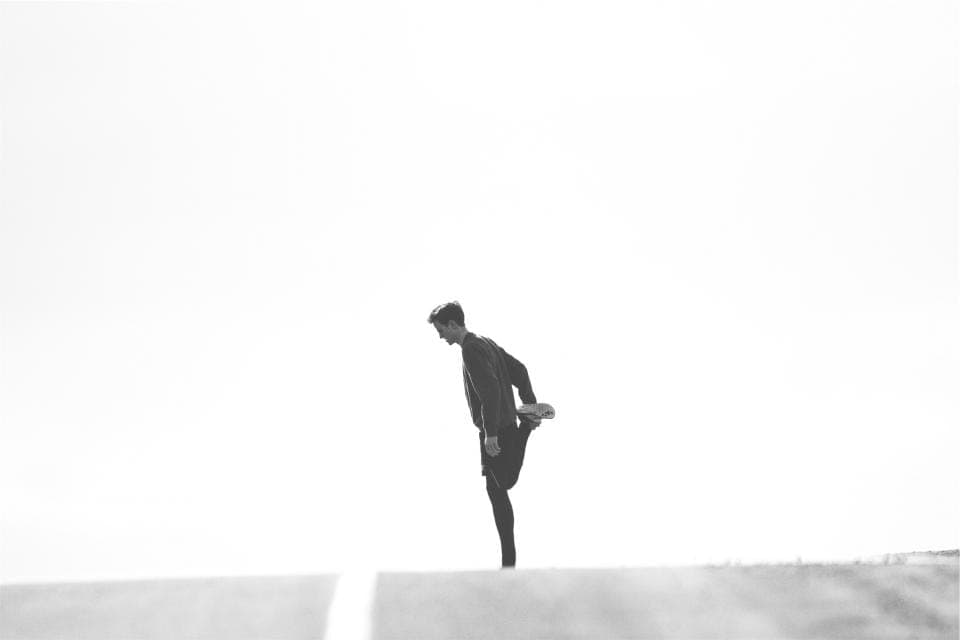
Yes. People finish marathons in Vibram FiveFingers and in 4 mm Vivobarefoot soles, and a handful run them genuinely barefoot. That is the honest answer to the question and it is also the least useful part of this page, because the thing you are actually deciding is whether you should, and the answer to that is usually no — or at least, not this year.
What 26.2 miles actually asks of a minimal shoe
Roughly 30,000 to 40,000 foot strikes, every one of them absorbed by tissue rather than foam. In a conventional trainer a large share of that impact is managed by the midsole. In a 4 mm shoe, essentially none of it is: your foot's arch, your calf and your Achilles are the suspension.
Those structures do adapt, and the adaptation is real — a review of minimalist footwear and plantar intrinsic foot muscle size and strength found encouraging results for thin, flexible shoes specifically. What the same literature makes clear is the timescale. Muscle adapts in weeks. Tendon takes months. Bone takes longest of all, and bone is what fails in this category when people move too quickly.
That asymmetry is the trap. Your legs feel fine at mile 8 of a long run because your aerobic fitness and your muscles have caught up. Your metatarsals have not, and they do not send a warning until they do.
What a realistic timeline looks like
There is no published protocol for this and anyone handing you a week-by-week schedule for marathon distance in minimal shoes is inventing it. What the evidence and the general principles support is an order of operations rather than a calendar:
- Walk in minimal shoes for months before you run in them at all. All-day comfortable walking is the entry requirement, not an achievement.
- Move drop before you move stack. Run in a cushioned zero-drop shoe first, for a full training cycle, and let your calves and Achilles meet the flat platform while the foam still does the impact work.
- Add minimal-shoe running in minutes, not miles. Ten minutes at the end of an easy run, twice a week, on forgiving ground.
- Keep your cushioned shoes for the long runs for far longer than you expect to need them. Most of the people who get hurt here got hurt on a long run.
- Judge by the next morning, every time. Diffuse muscle soreness that eases is normal. Localized bony tenderness in the forefoot is a reason to stop and get imaged.
- Only then consider distance. If a 20-mile run in the shoe is not comfortable and repeatable, race day will not be either.
The version of this plan that usually works
Most people asking this question do not actually want thin soles at mile 22. They want what zero drop and a wide toe box give them: no heel lift, toes that are not crushed as the forefoot swells, and a foot that can work. All three are available in a cushioned zero-drop shoe, and that is a completely legitimate way to run a marathon.
The Altra Lone Peak 9 is zero drop with 25 mm of cushioning and a genuinely wide forefoot — it is the de facto standard on long-distance hiking trails for a reason, and on road it is the most forgiving flat shoe here. The Topo Athletic ST-5 is the road-trainer version of the same idea: zero drop, anatomically wide toe box, and enough midsole to run real mileage immediately. Both give you the flat platform without asking your bones to absorb a marathon.
If you are committed to a thin shoe and already well adapted, the Xero Shoes HFS II is the most road-appropriate thin option in our registry at 8.5 mm at both ends — with the honest caveat that its toe box is narrower than Xero's casual lasts and 8.5 mm is unforgiving on broken pavement. Nothing thinner than that belongs in a marathon conversation for a first attempt.
For the shoes themselves in more depth, the zero-drop running roundup and the main running roundup are the relevant pages, and minimalist versus cushioned is the argument in full.
Three things that will go wrong on race day if you ignore them
Your feet will be bigger than they are now. Feet swell over marathon distance, and a thin shoe fitted snugly in October is a tight shoe at mile 20. Fit for the swollen foot, which in practice means half a size longer than your training-run fit.
Your form will degrade when you tire, and a minimal shoe punishes that. The shortened stride and flatter landing that make zero-drop running work are things you do consciously at first. At mile 23 they are the first things to go, and heel-striking hard in a shoe with no heel is how late-race injuries happen.
Road camber will become the dominant feature of your day. You feel it in a thin shoe in a way you do not in a trainer, and 26 miles of consistent lateral tilt loads one leg differently from the other. More on running on pavement specifically.
Before you order: fit and transition
Two things matter more than which shoe on this page you pick, and both are free.
Get the size right. Barefoot brands size from internal length rather than from a conventional size label, and you need roughly 10 to 15 mm beyond your longest toe — more than a normal fitting leaves. Measure your feet, then use the sizing guide and the cross-brand table. Sizing up to get a wider shoe does not work: lasts scale in length, so you get heel slip and toes sitting behind the widest part of the shoe.
Build up slowly. The documented risk in this category is bone stress injury from a rushed transition — in one MRI study of 36 runners, 10 of the 19 who spent 10 weeks moving into minimal shoes developed new bone-marrow edema, mostly without symptoms. Keep your current shoes, add minimal-shoe hours gradually, and judge by how your feet feel the next morning. The transition plan.
Marathon-specific: whatever you choose, it must have done a 20-mile training run on your feet. Race day is not the day to find out how a shoe behaves at hour three, and this is the one piece of advice on this page that applies regardless of how minimal the shoe is.
The picks in detail
Three shoes for a flat-platform marathon, ordered from the most forgiving to the most minimal we would put in this conversation.
Altra Lone Peak 9
Zero drop with 25 mm of cushioning underneath. Not a barefoot shoe and not pretending to be - it is the zero-drop shoe you hike 2,000 miles in.
What works
- Zero drop with real cushioning - the combination almost nobody else offers
- The de facto standard on long-distance hiking trails
- Genuinely wide forefoot in standard width
What does not
- 25 mm of foam means essentially no ground feel
- Outsoles are known to wear out faster than the uppers
Skip these if: You want ground feel or foot strengthening. This shoe gives you neither - it gives you zero drop and comfort.
Specifications as published by the maker and reported by BikeHikeSafari, best barefoot shoes 2026 stated specifications. We have not measured them ourselves. Altra fit profile
Topo Athletic ST-5
A zero-drop road shoe from a brand that builds anatomically wide toe boxes without the barefoot ideology - a soft landing for skeptics.
What works
- Wide toe box with a conventional running-shoe heel fit
- Enough midsole to run road mileage immediately
- Measured and scored in RunRepeat's lab catalog
What does not
- More shoe than most barefoot buyers want
- Narrower size range than the big running brands
Skip these if: You want ground feel. This is a running shoe that happens to be flat.
Specifications as published by the maker and reported by RunRepeat barefoot running shoes catalog. We have not measured them ourselves. All brand fit profiles
Xero Shoes HFS II
A true zero-drop road shoe with an 8.5 mm stack at both ends, which is about as thin as most people can run pavement in without a long build-up.
What works
- Measured zero drop at both ends, not a marketing claim
- Noticeably lighter and more road-focused than the Prio
- Holds the heel without a stiff counter
What does not
- Toe box is narrower than Xero's casual lasts
- 8.5 mm underfoot is unforgiving on broken pavement
Skip these if: Your forefoot is genuinely wide or extra-wide - the HFS II is one of Xero's narrower shoes.
Specifications as published by the maker and reported by RunRepeat lab specifications, Xero Shoes HFS II. We have not measured them ourselves. Xero Shoes fit profile
Common questions
Can you run a marathon in barefoot shoes?
Yes, people do. For most runners it is the wrong goal, because the limiting tissue is bone and tendon rather than fitness, and that adaptation takes years. A cushioned zero-drop shoe gives you the flat platform and the toe room without the bone-loading risk.
How long does it take to transition to running a marathon in minimal shoes?
There is no published protocol and we are not going to invent a number. What the evidence supports is an order: months of walking, then a full training cycle in cushioned zero drop, then minimal-shoe running added in minutes rather than miles.
Is it safe to run long distances in barefoot shoes?
It carries a documented risk if the build-up is fast. In an MRI study of 36 runners, 10 of the 19 who transitioned over 10 weeks developed new bone-marrow edema in the foot, mostly without symptoms - meaning the warning sign may not arrive.
What is the best zero-drop shoe for a marathon?
The Altra Lone Peak 9 or the Topo Athletic ST-5 for most people: zero drop and a wide toe box with real cushioning underneath. If you are already well adapted and want thin, the Xero Shoes HFS II at 8.5 mm is the most road-appropriate thin option here.
Should I race in the shoes I trained in?
Yes, always, and this matters more than how minimal the shoe is. Whatever you run the marathon in should already have done a 20-mile training run on your feet. A thin shoe behaves differently at hour three than at minute twenty.
Sources
- Outdoor Life, best barefoot shoes 2026 — stated stack heights and weights
- RunRepeat barefoot running shoes catalog
- Ridge et al., foot bone marrow edema after 10-week transition to minimal footwear
- Effects of Minimalist Shoes on Plantar Intrinsic Foot Muscle Size and Strength: A Review
Accessed October 2026. Where a source is a manufacturer, the specification is theirs as published — we have not measured it.
Read next
Best Barefoot Running Shoes
Best barefoot running shoes (October 2026)
Six running shoes from 4 mm to 9.5 mm with published specs — and the transition evidence that should shape how you use them.
By Brijon M. · Updated October 2026
Top pick: Xero Shoes HFS II
Best Zero-Drop Running Shoes
Best zero-drop running shoes (October 2026)
Zero drop with real cushioning: six shoes that change the geometry without the thin-sole adaptation project.
By Brijon M. · Updated October 2026
Top pick: Topo Athletic ST-5
Minimalist vs Cushioned
Minimalist vs cushioned running shoes
A trade-off between injury mechanisms, not a winner. Which tissue each option loads, and the middle both camps ignore.
By Brijon M. · Updated October 2026
Top pick: Xero Shoes HFS II
Barefoot running on pavement
The hardest surface in the category. How much sole you need, why road distance builds separately, and what reduces loading.
By Brijon M. · Updated October 2026
Top pick: Merrell Trail Glove 7
How to transition to barefoot running
A six-month progression built on the bone-adaptation evidence, with the walking gate first and three stop signals.
By Brijon M. · Updated October 2026
Top pick: Topo Athletic ST-5
Calf pain from barefoot running
Expected in the first weeks and actually informative. What is normal, six fixes, and why it says nothing about your bones.
By Brijon M. · Updated October 2026
Top pick: Topo Athletic ST-5