Best FiveFingers Alternatives
Vibram FiveFingers alternatives
What toe shoes do that nothing else does - and the closest conventional zero-drop shoes for each of the three different things people actually want from them.
By Brijon M. · Updated October 2026
The Vivobarefoot Primus Lite III is the thinnest conventional shoe here at a published 4 mm total, and the closest thing to FiveFingers ground feel without toe pockets. For the gym, the HOBIBEAR trail shoe gives you a flat platform for a fraction of the price. If toe separation was the actual goal, a wide shoe plus Correct Toes does it better.
How this page is funded: some links here are Amazon affiliate links, so we may earn a commission if you buy — at no extra cost to you. It never changes which products we include or how we rank them, and we take no payment from brands for placement. Full disclosure.
Quick picks
Tap any row to jump to the full write-up. Selection is specification-led, not wear-tested — how we choose.
| # | Product | Best for | Price |
|---|---|---|---|
| 1 |  Best overall alternativeVivobarefoot Primus Lite IIIA 2 mm sole with 2 mm of tread at 7.9 oz. About as close to barefoot as a closed shoe gets, and the yardstick everything else is measured against. | 4 mm total - the closest ground feel without toe pockets | |
| 2 |  Closest in fitMerrell Vapor Glove 6An 8 mm stack with a Vibram outsole and a deliberately snug toe box - which makes it the wrong shoe for splay and the right shoe for a narrow foot. | A snug 8 mm shoe with a Vibram outsole | |
| 3 |  Best everyday alternativeXero Shoes PrioThe closest thing to a default first barefoot shoe: genuinely wide, genuinely flexible, and cheap enough that a failed experiment does not hurt. | Wearable anywhere, and nobody comments | |
| 4 | 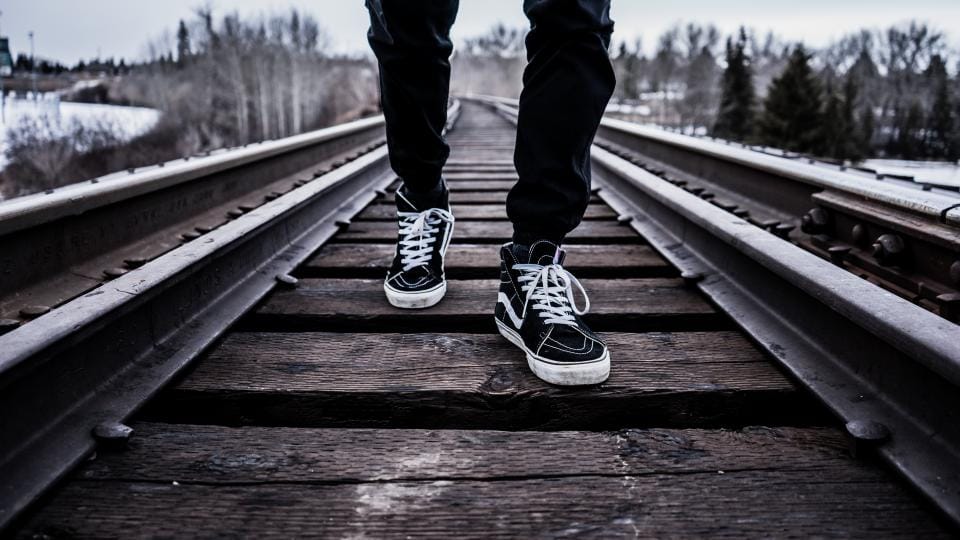 Best budgetWHITIN Minimalist Trail RunnerA zero-drop, wide-toe-box knit shoe at roughly a third of what the established brands charge - and the cheapest honest way to find out if this suits you. | Testing the idea without a sizing project | |
| 5 | 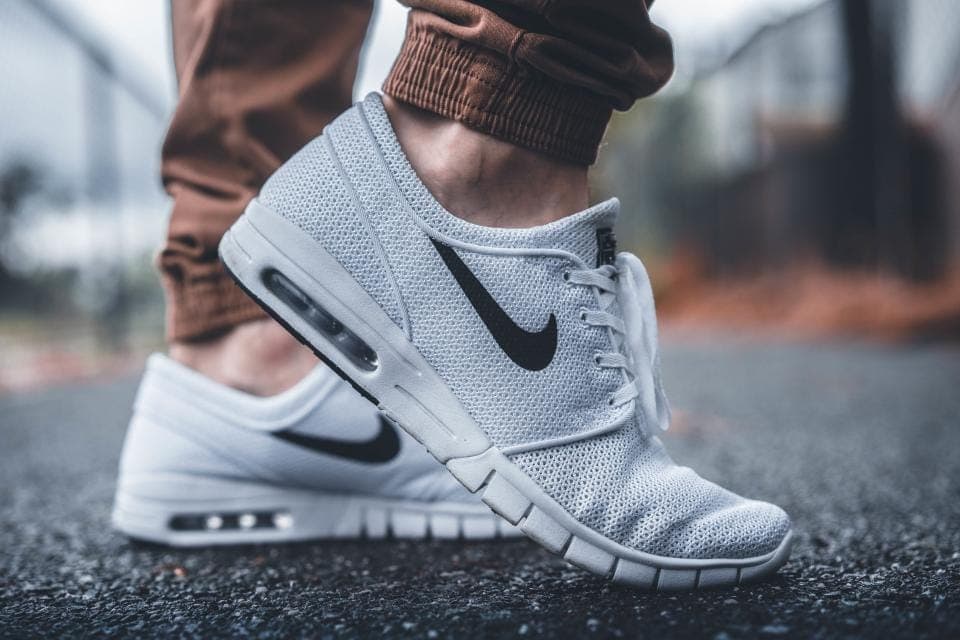 Best instead of the V-RunXero Shoes Speed Force IIAt roughly 6.5 oz a shoe this is the lightest thing in the Xero running line, and it feels closer to a racing flat than a trainer. | About 6.5 oz a shoe, closer to a racing flat | |
| 6 | 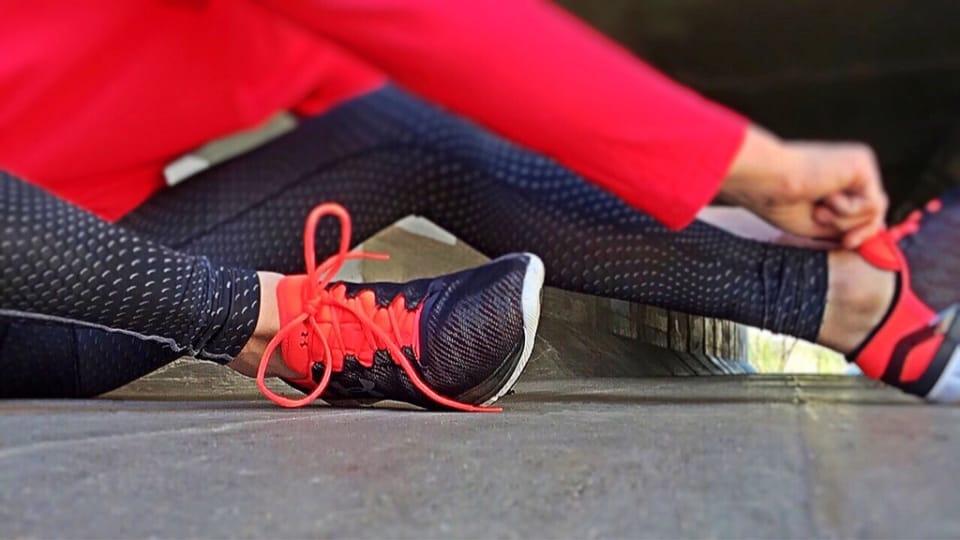 Best instead of the KSO EVOHOBIBEAR Barefoot Trail Running ShoesA zero-drop, wide-toe-box cross-trainer at marketplace prices, and the budget option most often recommended for gym and general training use. | A flat, stable platform for lifting, cheaply | |
| 7 |  Best for actual toe separationCorrect Toes Toe SpacersMedical-grade silicone spacers designed by a podiatrist to be worn inside shoes - which is the whole difference from the gel spacers sold for pedicures. | The one thing a conventional shoe cannot do alone | |
| 8 | 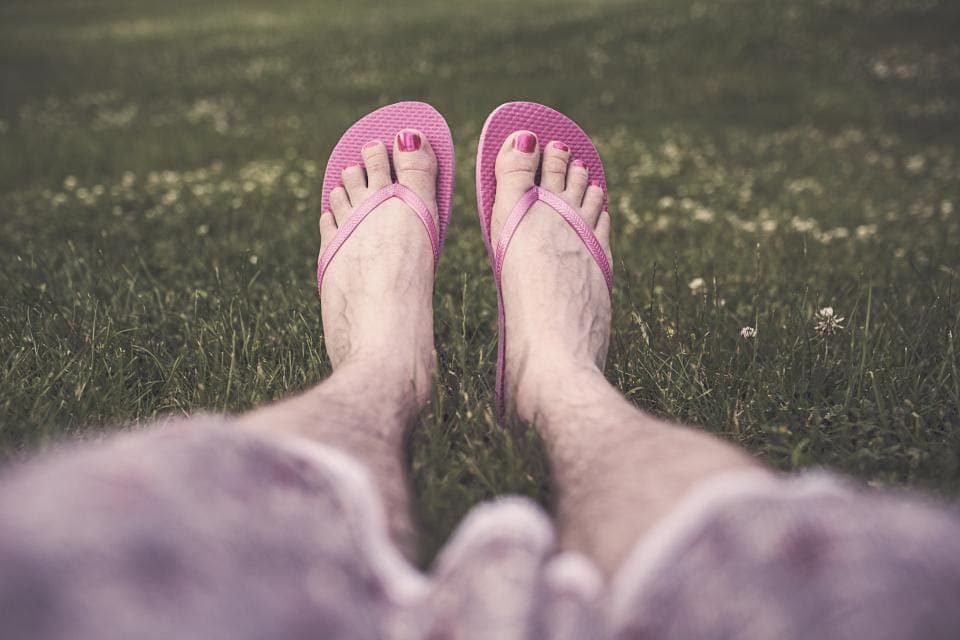 Best open alternativeBedrock Cairn Adventure SandalsA 14 mm Vibram sole at 15 oz with a toe post that actually holds on descents - the sandal you hike in rather than the sandal you pack. | A toe post and completely free toes outdoors |
#ad Prices come from the retailer and change; we never publish a figure we have not verified live. Affiliate disclosure.
Almost everybody searching for a FiveFingers alternative wants one of three different things, and conflating them is why so many people end up with a shoe that disappoints. Ground feel, toe independence and wearability are separable - and only one of the three actually requires toe pockets.
So before the list: decide which of the three sent you here. If it is ground feel, a conventional shoe can get within about 4 mm of a FiveFingers. If it is wearability, almost anything on this page is an upgrade. If it is genuine toe independence, no conventional toe box will give you that, and the honest answer is a wide shoe plus toe spacers rather than a shoe alone.
What FiveFingers genuinely do that nothing else does
Vibram has been building these since 2005 and they remain the only mainstream footwear with individual toe pockets. Three things follow from that, and all three are real.
- Each toe moves independently. It can press, grip and spread on its own. For balance work, single-leg stability and lifting, that is a functional difference no conventional toe box reproduces.
- Unmatched feedback. Nothing teaches you faster how you are actually landing, precisely because the shoe is unforgiving about it.
- They are frequently the footwear the research used. When studies measured changes in intrinsic foot muscle size, minimal footwear of this type was often the intervention - and the 2013 MRI transition study that found new bone-marrow edema in 10 of 19 runners used FiveFingers too. The evidence cuts both ways.
If you have not yet decided against toe shoes, read barefoot shoes vs toe shoes first - it is the which-should-I-buy page, and it carries two FiveFingers models among its picks. This page assumes that decision has already gone the other way. Our Vibram fit profile has the sizing procedure.
The three reasons people want out
How we chose
The criteria, applied in this order:
- Zero drop, verified. Every pick is published at 0 mm drop by its maker or a cited retailer listing - the same baseline FiveFingers sets.
- Ranked on how close it gets to the specific thing FiveFingers does. Thinness for ground feel, flatness and stability for lifting, room plus spacers for splay. A thick, structured shoe is not an alternative however comfortable it is.
- One measurement to fit. The point of leaving a toe shoe is usually that the sizing is a project, so every pick here fits on measured foot length against the brand's published internal length.
- Currently purchasable in the US, re-checked 2026-11-07. Brand-direct items are labeled and earn us nothing.
- Published specifications we could attribute, with figures omitted rather than estimated. Note that Vibram does not publish a stack figure for the V-Run and the KSO EVO in a form we could verify, so those comparisons below are on drop and construction rather than on millimeters.
If you want the ground feel
This is the closest any conventional shoe gets, and it gets close. The Vivobarefoot Primus Lite III is published at 2 mm of sole plus 2 mm of tread at 7.9 oz in a men's 9 - four millimeters total, in a shoe you can wear to a restaurant. It is the yardstick the rest of the category is measured against, and in practical terms it is the FiveFingers experience minus the toe pockets.
Two honest cautions on it. It is the most expensive shoe in most of our roundups, and it is documented as low volume through the midfoot, so a deep foot or high instep will feel the laces. If that is you, Vivobarefoot alternatives covers where to go instead.
The Merrell Vapor Glove 6 is the other close call, and for FiveFingers wearers specifically it may be the better fit. It is 8 mm with a Vibram outsole - the same rubber on the bottom - and its toe box is deliberately snug rather than wide, which is closer to how a FiveFingers holds your foot than most barefoot shoes are. The flip side is the obvious one: if toe splay is why you are here, this shoe will cramp your toes and we would rather say so than sell it to you.
If you want to be able to wear them anywhere
The friction of owning toe shoes is underrated and it is why so many pairs sit in a closet: toe socks or no socks, thirty to sixty seconds of fiddling to get them on, and a conversation every time you wear them somewhere new.
The Xero Shoes Prio is the default answer. Zero drop, 7 to 8 mm total with a removable 2 mm insole, genuinely wide, and completely unremarkable to look at. It is the shoe we would hand someone who liked what FiveFingers did for their feet and disliked everything about owning them. The WHITIN Minimalist Trail Runner does broadly the same job for a fraction of the price, with a shorter life and lower instep volume - the cheapest way to confirm you still want this after the toe shoes.
If you want something smarter than a knit sneaker, the best barefoot dress shoes and the barefoot shoes for the office roundup go further than this page does.
If you want it for running or for the gym
These are different problems and the FiveFingers line splits them too - the V-Run for road, the KSO EVO and V-Train 2.0 for the gym floor.
Instead of the V-Run: the Xero Shoes Speed Force II, at a published 7 mm stack and roughly 6.5 oz per shoe. It feels closer to a racing flat than a trainer, which is the nearest a conventional shoe comes to the V-Run's character. Honest limits: 7 mm with no rock plate is a short-distance proposition for most people, and the knit upper gives little lateral structure. The barefoot running shoes roundup covers the longer-distance options.
Instead of the KSO EVO or V-Train 2.0: the HOBIBEAR Barefoot Trail Running Shoes. Not a trail shoe despite the name - no rock plate - but a flat, stable, wide platform that works for squats and deadlifts at a budget price, which is exactly the job the FiveFingers gym models do. You lose the toes-gripping-the-floor effect, which for loaded single-leg work is a genuine loss. The gym and lifting roundup ranks the alternatives properly.
If what you actually wanted was toe separation
This is the case where the usual advice is wrong, so it gets its own section. If you bought FiveFingers because your toes are crowded - a bunion, a drifting big toe, toes that overlap - then what you were buying was separation, and a wide toe box does not provide it. It provides room. Your toes are free to splay in it and, after years in tapered shoes, they mostly do not.
The combination that does work is a genuinely wide shoe plus in-shoe toe spacers. Correct Toes are medical-grade silicone spacers designed by a podiatrist to be worn inside footwear rather than at rest on the sofa, which is the whole difference from the gel spacers sold for pedicures. Worn in a shoe with real room, they hold the splay a toe shoe would impose.
Two honest caveats, both of which we would rather state than bury. They only work inside a shoe that already has the room - spacers plus a tapered toe box is worse than neither - and the first few sessions are uncomfortable. Toe spacers with barefoot shoes covers how to introduce them without making your forefoot sore, and the best barefoot shoes for bunions is the roundup if that is the underlying reason.
The other route to genuinely free toes is simply not to enclose them. The Bedrock Cairn Adventure Sandals put a 14 mm Vibram sole under your foot with a toe post that holds on descents and nothing at all over your toes - more toe freedom than any closed shoe, with the trade that the post needs real break-in and not everybody adapts to it. The best barefoot sandals ranks the rest.
Model for model: the closest swap for each FiveFingers
Before you order: fit and transition
Two things matter more than which shoe on this page you pick, and both are free.
Get the size right. Barefoot brands size from internal length rather than from a conventional size label, and you need roughly 10 to 15 mm beyond your longest toe — more than a normal fitting leaves. Measure your feet, then use the sizing guide and the cross-brand table. Sizing up to get a wider shoe does not work: lasts scale in length, so you get heel slip and toes sitting behind the widest part of the shoe.
Build up slowly. The documented risk in this category is bone stress injury from a rushed transition — in one MRI study of 36 runners, 10 of the 19 who spent 10 weeks moving into minimal shoes developed new bone-marrow edema, mostly without symptoms. Keep your current shoes, add minimal-shoe hours gradually, and judge by how your feet feel the next morning. The transition plan.
One piece of good news specific to leaving toe shoes: the sizing gets much easier. A conventional barefoot shoe fits on one measurement - heel to longest toe, plus 10 to 15 mm - rather than on the length of each individual toe. Measure once, then work from the brand's published internal length instead of converting your FiveFingers size, which will not transfer.
The picks in detail
The eight alternatives in rank order, each matched to the FiveFingers job it replaces.
1. Best overall alternative
Vivobarefoot Primus Lite III
A 2 mm sole with 2 mm of tread at 7.9 oz. About as close to barefoot as a closed shoe gets, and the yardstick everything else is measured against.
What works
- The thinnest sole here that still works as an everyday shoe
- Genuinely wide forefoot with a rounded, foot-shaped last
- Ships with access to the brand's own barefoot fundamentals course
What does not
- 4 mm total underfoot is brutal on concrete until your feet adapt
- Low volume through the midfoot - not for a high instep
- The most expensive shoe in most of our roundups
Skip these if: You are transitioning, you have a high-volume foot, or you stand on concrete all day. All three are real reasons to start thicker.
Specifications as published by the maker and reported by Outdoor Life, best barefoot shoes 2026 stated specifications. We have not measured them ourselves. Vivobarefoot fit profile
2. Closest in fit
Merrell Vapor Glove 6
An 8 mm stack with a Vibram outsole and a deliberately snug toe box - which makes it the wrong shoe for splay and the right shoe for a narrow foot.
What works
- Vibram outsole grips far better than the price suggests
- Fits a narrow foot without heel slip, which most barefoot shoes cannot do
- Very low stack with real ground feel
What does not
- Restrictive toe box - it is not a wide-toe-box shoe and does not claim to be
- Minimal protection underfoot
Skip these if: You are buying barefoot shoes because your toes are cramped. This shoe will cramp them.
Specifications as published by the maker and reported by Outdoor Life, best barefoot shoes 2026 stated specifications. We have not measured them ourselves. Merrell fit profile
3. Best everyday alternative
Xero Shoes Prio
The closest thing to a default first barefoot shoe: genuinely wide, genuinely flexible, and cheap enough that a failed experiment does not hurt.
What works
- Removable 2 mm insole, so you can go thinner as your feet adapt
- Wide enough for most square and plateau foot shapes
- Flexes and rolls flat, which is the quickest way to spot a fake minimalist shoe
What does not
- The lacing panel can pressure a high instep
- Thin heel padding is noticeable on hard floors for the first week
Skip these if: You have a high-volume foot and dislike lace pressure across the top, or you need any cushioning at all on day one.
Specifications as published by the maker and reported by Xero Shoes Prio listing specifications. We have not measured them ourselves. Xero Shoes fit profile
4. Best budget
WHITIN Minimalist Trail Runner
A zero-drop, wide-toe-box knit shoe at roughly a third of what the established brands charge - and the cheapest honest way to find out if this suits you.
What works
- The lowest-risk way to test barefoot shoes at all
- Removable sockliner, so you can thin it out over time
- Wide toe box that genuinely is wide
What does not
- Low volume through the instep compared with Saguaro
- Build quality is what the price suggests - it will not last years
- Sizing is inconsistent between colorways
Skip these if: You have a high instep or a high-volume foot - WHITIN runs low and you will feel the laces.
Specifications as published by the maker and reported by That Fit Friend, WHITIN Minimalist Trail Runner review. We have not measured them ourselves. WHITIN fit profile
5. Best instead of the V-Run
Xero Shoes Speed Force II
At roughly 6.5 oz a shoe this is the lightest thing in the Xero running line, and it feels closer to a racing flat than a trainer.
What works
- Genuinely light, which changes how a zero-drop shoe feels at speed
- Sock-like upper has almost no pressure points
- Packs flat for travel
What does not
- 7 mm and no rock plate is a short-distance proposition for most people
- Knit upper offers little structure if you need lateral support
Skip these if: You want one shoe for everything - this one is specialized and wears out faster than the Prio.
Specifications as published by the maker and reported by BikeHikeSafari, best barefoot shoes 2026 stated specifications. We have not measured them ourselves. Xero Shoes fit profile
6. Best instead of the KSO EVO
HOBIBEAR Barefoot Trail Running Shoes
A zero-drop, wide-toe-box cross-trainer at marketplace prices, and the budget option most often recommended for gym and general training use.
What works
- Flat, stable platform that works for lifting as well as walking
- Wide toe box that lets toes splay under load
- Sold in both men's and women's sizing and in kids' sizes
What does not
- Outsole compound is soft and wears on abrasive surfaces
- No rock plate, so it is a poor real trail shoe despite the name
Skip these if: You want an actual trail shoe for rocky ground - the name oversells it.
Specifications as published by the maker and reported by HOBIBEAR barefoot trail running shoes product listing. We have not measured them ourselves. HOBIBEAR fit profile
7. Best for actual toe separation
Correct Toes Toe Spacers
Medical-grade silicone spacers designed by a podiatrist to be worn inside shoes - which is the whole difference from the gel spacers sold for pedicures.
What works
- Designed to be worn inside a shoe, not just at rest
- Medical-grade silicone holds its shape through repeated washing
- Adjustable - the spacing posts can be trimmed
What does not
- They only work in a shoe with enough toe-box room, which means a barefoot shoe anyway
- Expensive next to generic silicone spacers
- Uncomfortable for the first few sessions
Skip these if: Your current shoes have a tapered toe box. Spacers plus a narrow shoe is worse than neither.
Specifications as published by the maker and reported by Correct Toes in-shoe toe spacers product page. We have not measured them ourselves. All brand fit profiles
8. Best open alternative
Bedrock Cairn Adventure Sandals
A 14 mm Vibram sole at 15 oz with a toe post that actually holds on descents - the sandal you hike in rather than the sandal you pack.
What works
- Vibram rubber grips wet rock properly
- The toe post stops the foot sliding forward on steep descents
- Repairable and resolable rather than disposable
What does not
- Heaviest sandal here
- The toe post needs real break-in and not everyone adapts to it
Skip these if: You cannot tolerate anything between your toes, or you want a sandal that packs small.
Specifications as published by the maker and reported by Greenbelly, best minimalist and running sandals specifications. We have not measured them ourselves. All brand fit profiles
Common questions
What is the closest shoe to Vibram FiveFingers without toes?
The Vivobarefoot Primus Lite III, on ground feel - a published 2 mm sole plus 2 mm tread, which is as close to barefoot as a closed shoe gets. On fit and hold, the Merrell Vapor Glove 6 is arguably closer: 8 mm, a Vibram outsole, and a deliberately snug toe box rather than a wide one.
Is there a cheap alternative to FiveFingers?
Yes. The WHITIN Minimalist Trail Runner and the HOBIBEAR barefoot trail shoe are both genuinely zero drop with wide toe boxes at budget prices - WHITIN for everyday wear, HOBIBEAR for a flat gym platform. Neither gives toe independence, and both trade build quality for the price.
Can a wide toe box replace toe shoes?
For splay, partly; for independence, no. A wide toe box gives your toes room to spread together but they still move as a unit. If separation is the point - crowded toes, a bunion, overlapping toes - the better combination is a genuinely wide shoe with in-shoe toe spacers such as Correct Toes, which hold the position a toe shoe would impose.
Why are FiveFingers so hard to size?
Because each toe needs a pocket of the right length, so your overall foot length tells you very little about whether a given size will fit your second toe. Vibram publishes a dedicated measuring procedure for this reason and exchanges are common. Every alternative on this page fits on a single foot-length measurement instead.
What should I wear for lifting instead of FiveFingers?
A flat, stable, wide shoe. The HOBIBEAR barefoot trail shoe is the budget answer and the Xero Shoes Prio is the more durable one. You lose the ability to grip the floor with individual toes, which matters most for loaded single-leg and balance work - if that is the bulk of your training, the FiveFingers gym models remain genuinely hard to replace.
Are FiveFingers better for foot strength than wide-toe-box shoes?
They allow more toe independence, which plausibly means more stimulus, but the strengthening literature covers minimal footwear broadly rather than isolating toe shoes as superior. We would not claim a measured advantage, and we would not claim the opposite either.
Sources
- Outdoor Life, best barefoot shoes 2026 — stated stack heights and weights
- RunRepeat barefoot running shoes catalog
- Ridge et al., foot bone marrow edema after 10-week transition to minimal footwear
- Outdoor Life, best barefoot shoes 2026 - FiveFingers KSO EVO and Vapor Glove specifications
- RunRepeat catalog, Vibram FiveFingers V-Run
- Correct Toes in-shoe toe spacers product page
- Greenbelly, best minimalist and running sandals specifications
Accessed October 2026. Where a source is a manufacturer, the specification is theirs as published — we have not measured it.
Read next
Maximum Ground Feel
Vibram FiveFingers: fit, sizing and the transition risk
Toe-pocket sizing explained, why toe length matters as much as foot length, and the transition risk to take seriously.
By Brijon M. · Updated October 2026
Top pick: Vibram FiveFingers V-Run
Barefoot vs Toe Shoes
Barefoot shoes vs toe shoes
Toe shoes give more ground feel and toe independence; conventional barefoot shoes are far easier to size and live with.
By Brijon M. · Updated October 2026
Top pick: Vibram FiveFingers V-Run
Best Vivobarefoot Alternatives
Vivobarefoot alternatives
Nine zero-drop alternatives to Vivobarefoot, sorted by the four reasons people leave: price, instep volume, 4 mm on concrete, and buying it in the US.
By Brijon M. · Updated October 2026
Top pick: Xero Shoes Prio
Best for Gym & Lifting
Best barefoot shoes for the gym and lifting (October 2026)
The lowest-risk, highest-value use in the category. Six picks, plus the honest squat-heel caveat.
By Brijon M. · Updated October 2026
Top pick: Vibram FiveFingers V-Train 2.0
Toe spacers with barefoot shoes
In-shoe spacers need a shoe with real room. How to build tolerance, and the honest limits on what they can do.
By Brijon M. · Updated October 2026
Top pick: Correct Toes Toe Spacers

How to transition to barefoot shoes
A concrete 16-week plan with numbers, built around the MRI study that found bone-marrow edema in 10 of 19 transitioning runners.
By Brijon M. · Updated October 2026
Top pick: Xero Shoes Scrambler Low