Barefoot vs Hoka
Barefoot shoes vs Hoka
The two extremes of modern running footwear. Worth comparing precisely because they disagree about everything.
By Brijon M. · Updated October 2026
Hoka's maximalist approach uses thick, soft midsoles with a modest drop to absorb impact. Barefoot shoes remove the midsole and the drop to make your foot absorb it. One asks less of your foot, the other asks more — and both are coherent positions.
How this page is funded: some links here are Amazon affiliate links, so we may earn a commission if you buy — at no extra cost to you. It never changes which products we include or how we rank them, and we take no payment from brands for placement. Full disclosure.
Quick picks
Tap any row to jump to the full write-up. Selection is specification-led, not wear-tested — how we choose.
| # | Product | Best for | Price |
|---|---|---|---|
| 1 |  Closest to the middleAltra Lone Peak 9Zero drop with 25 mm of cushioning underneath. Not a barefoot shoe and not pretending to be - it is the zero-drop shoe you hike 2,000 miles in. | Zero drop, 25 mm, genuinely wide | |
| 2 |  Best road middle groundTopo Athletic ST-5A zero-drop road shoe from a brand that builds anatomically wide toe boxes without the barefoot ideology - a soft landing for skeptics. | Flat with running-shoe cushioning | |
| 3 | 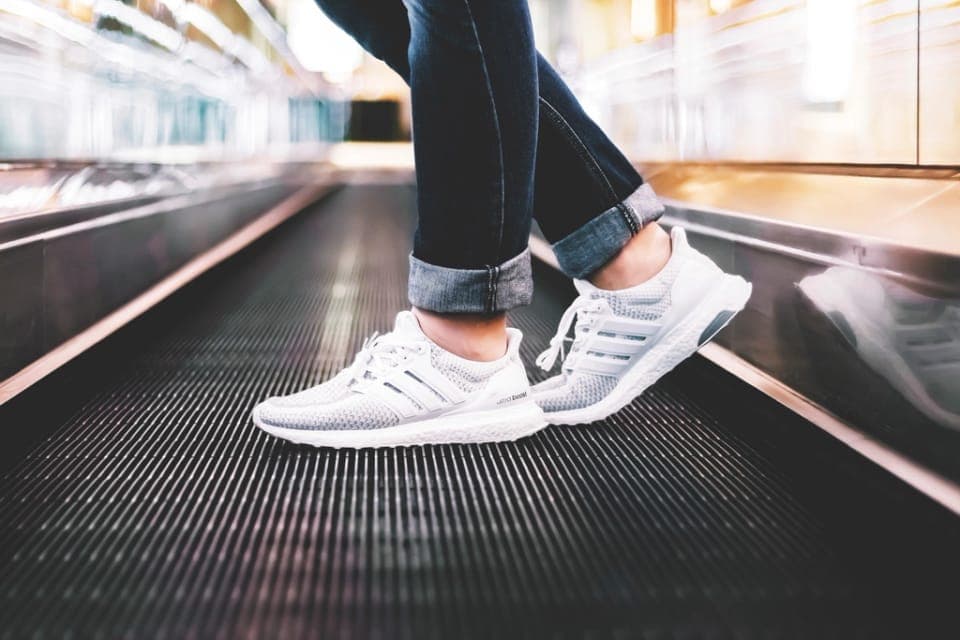 Minimal but protectiveMerrell Trail Glove 7A 14 mm stack, zero drop and a Vibram outsole - the most mainstream way to hike in a minimalist shoe, available waterproof or not. | 14 mm with Vibram | |
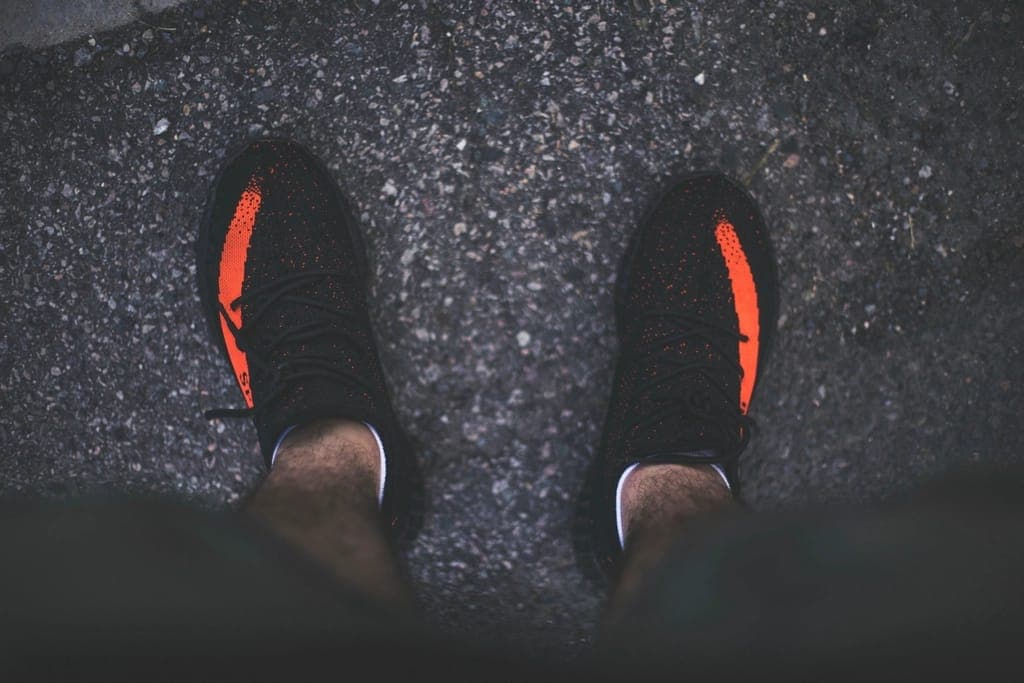
| 4 | 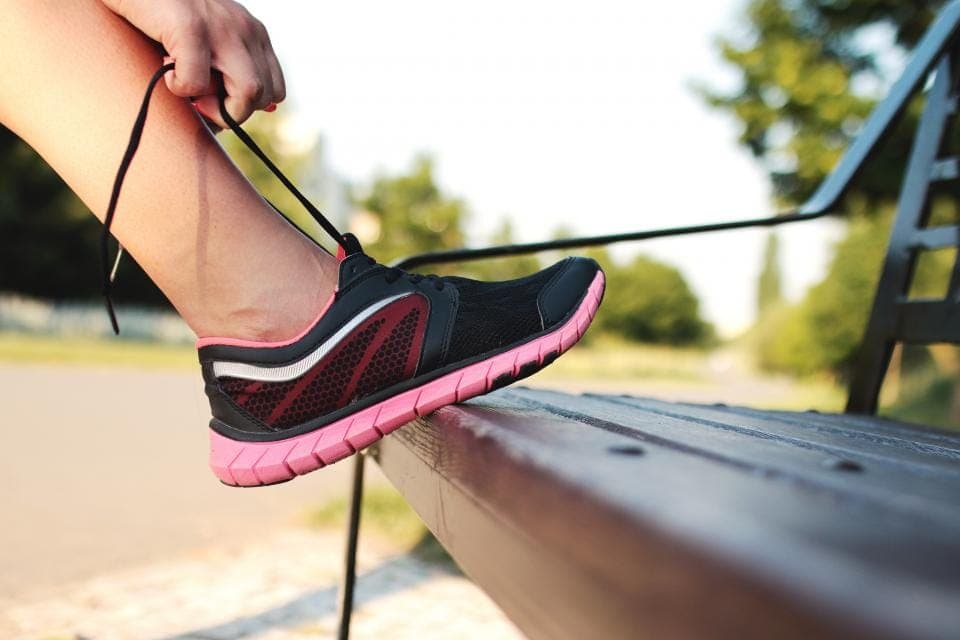 The thin endXero Shoes HFS IIA true zero-drop road shoe with an 8.5 mm stack at both ends, which is about as thin as most people can run pavement in without a long build-up. | 8.5 mm road running |
#ad Prices come from the retailer and change; we never publish a figure we have not verified live. Affiliate disclosure.
If you drew modern running footwear as a line, Hoka and barefoot shoes would be the two ends of it. Hoka's maximalist approach uses a thick, soft midsole to absorb as much of each landing as possible. Barefoot shoes remove the midsole so your foot does that work. They are not slightly different; they are the two coherent answers to the same question.
Side by side
The case for maximalist cushioning
It deserves a fair hearing rather than a straw man. A thick soft midsole genuinely reduces the peak forces reaching your foot and up the chain. For a high-mileage runner on concrete, for someone returning from a lower-limb injury, or for anyone who finds hard surfaces uncomfortable, that is a real and immediate benefit requiring no adaptation whatsoever.
It is also worth noting that the evidence base for cushioning preventing injury is not stronger than the evidence base for minimal shoes. Both are weaker than their advocates claim. Maximalist is the default rather than the proven option.
The case for barefoot
The best-evidenced benefit in this category: reviews of minimalist footwear report significant increases in intrinsic foot muscle strength, volume and cross-sectional area measured by ultrasound. A thick midsole does the foot's job; remove it and the foot trains.
Plus toe room, a level platform, ground feel on uneven terrain, and lower weight. The cost is the months-long transition and the increased forefoot loading the literature documents.
The middle, which is where most people should probably be
A wide, zero-drop, cushioned shoe sits between them and takes the most useful property from each: the level platform and genuine toe room from the barefoot side, real impact absorption from the maximalist side. The Altra Lone Peak 9 at roughly 25 mm and the Topo ST-5 are both exactly this.
If you are reading a Hoka-versus-barefoot comparison because something about your current shoes is not working, the middle is usually the better experiment than either extreme. Zero-drop running shoes.
Can you use both?
Yes, and it is a sensible setup: maximalist for long runs on concrete, minimal for short runs, gym work and everyday wear. You get the foot-strength stimulus without putting it under your highest-mileage sessions, which is exactly where the stress-injury risk lives.
The picks in detail
Four shoes, from the middle ground to the thin end. We do not list maximalist shoes — this is a barefoot site and we are not going to pretend to assess a category we do not cover.
1. The thin end
Xero Shoes HFS II
A true zero-drop road shoe with an 8.5 mm stack at both ends, which is about as thin as most people can run pavement in without a long build-up.
What works
- Measured zero drop at both ends, not a marketing claim
- Noticeably lighter and more road-focused than the Prio
- Holds the heel without a stiff counter
What does not
- Toe box is narrower than Xero's casual lasts
- 8.5 mm underfoot is unforgiving on broken pavement
Skip these if: Your forefoot is genuinely wide or extra-wide - the HFS II is one of Xero's narrower shoes.
Specifications as published by the maker and reported by RunRepeat lab specifications, Xero Shoes HFS II. We have not measured them ourselves. Xero Shoes fit profile
2. Closest to the middle
Altra Lone Peak 9
Zero drop with 25 mm of cushioning underneath. Not a barefoot shoe and not pretending to be - it is the zero-drop shoe you hike 2,000 miles in.
What works
- Zero drop with real cushioning - the combination almost nobody else offers
- The de facto standard on long-distance hiking trails
- Genuinely wide forefoot in standard width
What does not
- 25 mm of foam means essentially no ground feel
- Outsoles are known to wear out faster than the uppers
Skip these if: You want ground feel or foot strengthening. This shoe gives you neither - it gives you zero drop and comfort.
Specifications as published by the maker and reported by BikeHikeSafari, best barefoot shoes 2026 stated specifications. We have not measured them ourselves. Altra fit profile
3. Best road middle ground
Topo Athletic ST-5
A zero-drop road shoe from a brand that builds anatomically wide toe boxes without the barefoot ideology - a soft landing for skeptics.
What works
- Wide toe box with a conventional running-shoe heel fit
- Enough midsole to run road mileage immediately
- Measured and scored in RunRepeat's lab catalog
What does not
- More shoe than most barefoot buyers want
- Narrower size range than the big running brands
Skip these if: You want ground feel. This is a running shoe that happens to be flat.
Specifications as published by the maker and reported by RunRepeat barefoot running shoes catalog. We have not measured them ourselves. All brand fit profiles
4. Minimal but protective
Merrell Trail Glove 7
A 14 mm stack, zero drop and a Vibram outsole - the most mainstream way to hike in a minimalist shoe, available waterproof or not.
What works
- Vibram traction that holds on wet rock
- Enough stack to hike a full day on mixed terrain
- Easy to find in stores and easy to return
What does not
- Toe box is moderate, not wide - Merrell's last is narrower than Xero's
- 14 mm is firm cushioning, not soft
Skip these if: You need a genuinely wide or extra-wide forefoot.
Specifications as published by the maker and reported by BikeHikeSafari, best barefoot shoes 2026 stated specifications. We have not measured them ourselves. Merrell fit profile
Common questions
Is Hoka or barefoot better for running?
They answer different questions. Hoka reduces the forces reaching your foot; barefoot shoes train your foot to handle them. For high mileage on concrete, cushioning. For foot strength and ground feel, minimal. For most people, something in between.
Are Hokas bad for your feet?
No evidence supports that, and we are not going to claim it. A thick midsole does reduce the demand on your foot muscles, which matters if foot strength is a goal — and does not if it is not.
Can I go straight from Hoka to barefoot shoes?
That is the largest possible change in running footwear and the one most likely to produce injury. Go via a wide zero-drop cushioned shoe and build the minimal share over months.
Is there a shoe between the two?
Yes, and it is a large category: wide, zero-drop, cushioned shoes like the Altra Lone Peak and Topo ST-5. Level platform, real toe room, real cushioning.
Can I own both?
Yes, and it is a good setup. Cushioned for long runs on concrete, minimal for short runs, gym and everyday. You get the adaptation without putting it under your highest-mileage sessions.
Sources
- Ridge et al., foot bone marrow edema after 10-week transition to minimal footwear
- How Does Running in Minimalist Shoes Affect Injury Risk? A Systematic Review
- Systematic Review of the Role of Footwear Constructions in Running Biomechanics
- The Re-emergence of the Minimal Running Shoe (JOSPT)
- Effects of Minimalist Shoes on Plantar Intrinsic Foot Muscle Size and Strength: A Review
Accessed October 2026. Where a source is a manufacturer, the specification is theirs as published — we have not measured it.
Read next

Minimalist vs Cushioned
Minimalist vs cushioned running shoes
A trade-off between injury mechanisms, not a winner. Which tissue each option loads, and the middle both camps ignore.
By Brijon M. · Updated October 2026
Top pick: Xero Shoes HFS II
Best Zero-Drop Running Shoes
Best zero-drop running shoes (October 2026)
Zero drop with real cushioning: six shoes that change the geometry without the thin-sole adaptation project.
By Brijon M. · Updated October 2026
Top pick: Topo Athletic ST-5
Barefoot vs Zero Drop
Barefoot vs zero drop: which do you actually want?
Every barefoot shoe is zero drop; most zero-drop shoes are not barefoot. A side-by-side table and a pick for each answer.
By Brijon M. · Updated October 2026
Top pick: Vivobarefoot Primus Lite III
Barefoot vs Running Shoes
Barefoot shoes vs running shoes
The most-studied comparison here. What the literature establishes about forefoot loading, and what it still does not settle.
By Brijon M. · Updated October 2026
Top pick: Xero Shoes HFS II

Zero Drop With Cushion
Altra: zero drop with cushioning, not a barefoot brand
Wide toe boxes and a flat platform with full cushioning — why zero drop is not barefoot, and when that is what you want.
By Brijon M. · Updated October 2026
Top pick: Altra Lone Peak 9
Best Barefoot Running Shoes
Best barefoot running shoes (October 2026)
Six running shoes from 4 mm to 9.5 mm with published specs — and the transition evidence that should shape how you use them.
By Brijon M. · Updated October 2026
Top pick: Xero Shoes HFS II