Running vs Hiking Shoes
Barefoot running shoes vs hiking shoes
Three real differences, and one honest answer about whether you need both.
By Brijon M. · Updated October 2026
The differences are outsole compound and lug depth, toe protection, and durability — not drop or toe-box shape. For day hiking on reasonable trail, a minimal trail-running shoe genuinely does both jobs; for rock and heavy loads, it does not.
How this page is funded: some links here are Amazon affiliate links, so we may earn a commission if you buy — at no extra cost to you. It never changes which products we include or how we rank them, and we take no payment from brands for placement. Full disclosure.

Quick picks
Tap any row to jump to the full write-up. Selection is specification-led, not wear-tested — how we choose.
| # | Product | Best for | Price |
|---|---|---|---|
| 1 | 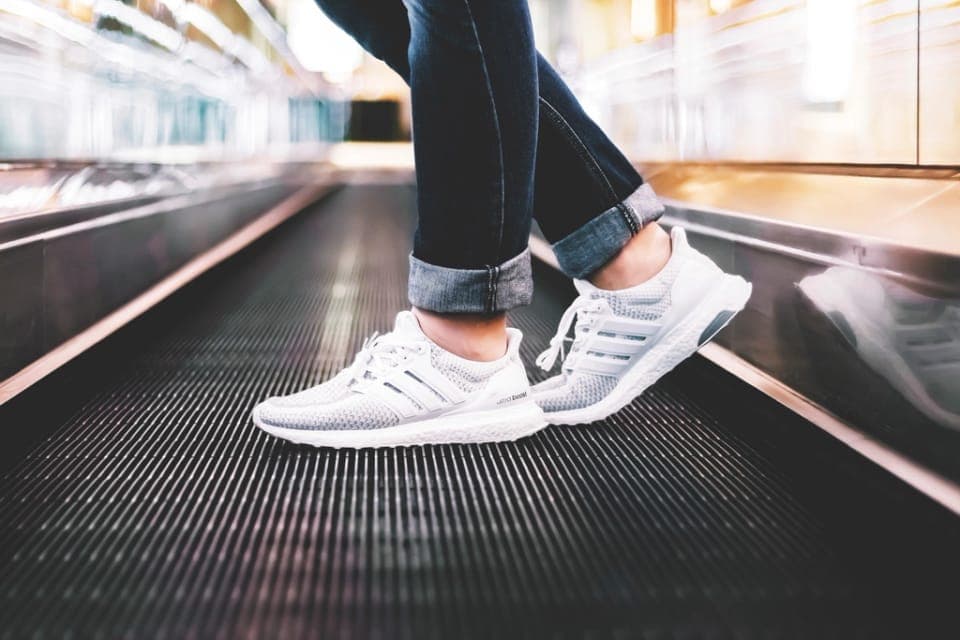 Best one-pair answerMerrell Trail Glove 7A 14 mm stack, zero drop and a Vibram outsole - the most mainstream way to hike in a minimalist shoe, available waterproof or not. | 14 mm, Vibram, runs and hikes | |
| 2 |  Best trail specialistXero Shoes Mesa SummitXero's more protective trail shoe: still 0 mm drop, but 9.5 mm at both ends, which is the difference between finishing a rocky descent and limping it. | 9.5 mm with a toe bumper | |
| 3 | 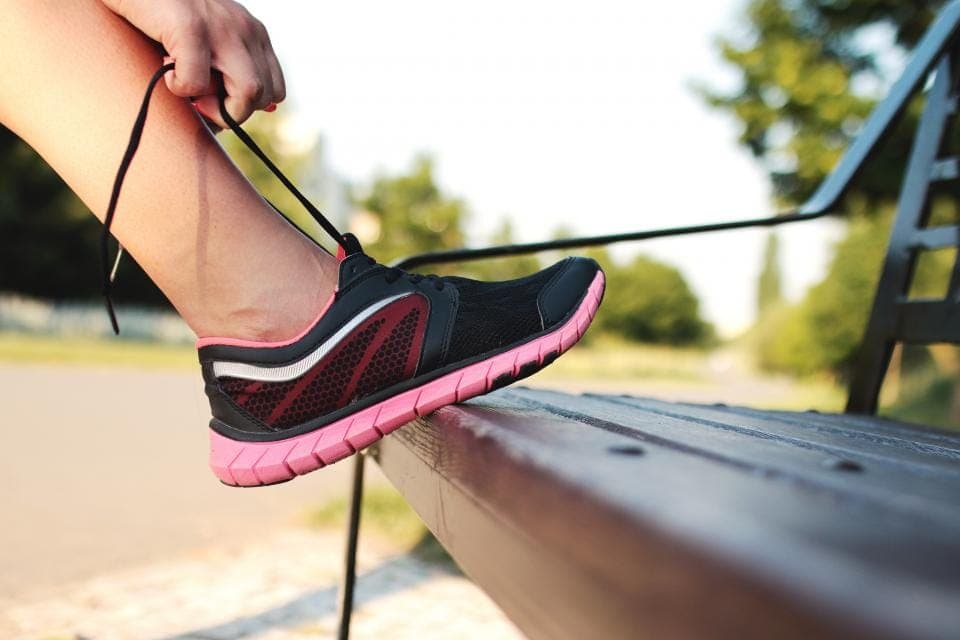 Best road specialistXero Shoes HFS IIA true zero-drop road shoe with an 8.5 mm stack at both ends, which is about as thin as most people can run pavement in without a long build-up. | 8.5 mm, measured zero drop | |
| 4 | 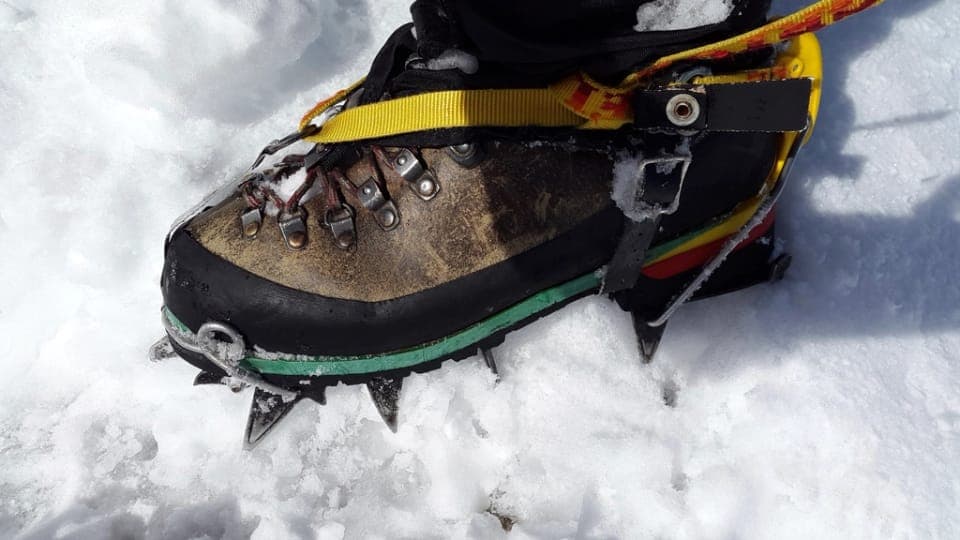 Most forgivingXero Shoes Scrambler LowAn 11.5 mm stack with 4 mm of foam and a removable 3.5 mm insole - the most forgiving zero-drop shoe here, and the one we would hand a nervous switcher. | 11.5 mm, removable insole, both jobs |
#ad Prices come from the retailer and change; we never publish a figure we have not verified live. Affiliate disclosure.
In conventional footwear, running shoes and hiking shoes are genuinely different products. In minimal footwear the gap is much narrower, because both are flat, flexible and wide — and the marketing distinction is wider than the engineering one.
The three differences that are real
1. Outsole compound and lug depth. A road shoe has a shallow, hard-wearing tread optimized for tarmac. A trail shoe has deeper lugs for soft ground and a softer, stickier compound for wet rock. This is the biggest difference and the one you feel first on a wet descent.
2. Toe protection. Trail shoes often add a toe bumper — the Xero Mesa Summit has one. Road shoes almost never do, because nothing on a road kicks back. Stub a toe on a rock in a road shoe once and you will understand the feature.
3. Durability and upper structure. Trail uppers are reinforced against abrasion and grit; road uppers prioritize breathability and low weight. Hiking also means more hours per outing, so the outsole wears differently.
The differences that are not real
- Drop. Zero in both, if you are shopping this category at all.
- Toe-box shape. Determined by the brand's last, not by the intended activity.
- Flexibility. Both flex and twist; neither has a shank or a rock plate.
- Stack height. Overlaps almost completely — 8 mm to 14 mm covers both.
So do you need two pairs?
For day hiking on reasonable trail: no. A minimal trail-running shoe with a Vibram outsole does both jobs properly. The Merrell Trail Glove 7 at 14 mm is the clearest example — it is sold as a minimalist hiking shoe, it runs perfectly well, and it is the sensible one-pair answer.
For road running plus serious hiking: yes, two. Lugs wear quickly on tarmac and feel odd underfoot, and a road shoe's shallow tread is genuinely unsafe on wet rock. These are different enough that one pair compromises both.
For rock, scree or heavy loads: a different shoe entirely, and probably not a minimal one. Rocky terrain and thru-hiking.
If you are buying one pair
Buy the trail shoe. A trail shoe on a road is slightly noisy, slightly odd underfoot and wears faster. A road shoe on wet rock is a traction problem, and traction problems have consequences that tread wear does not.
The exception is if the overwhelming majority of your mileage is road, in which case buy the road shoe and accept that your occasional trail outing is on easy ground.
Before you order: fit and transition
Two things matter more than which shoe on this page you pick, and both are free.
Get the size right. Barefoot brands size from internal length rather than from a conventional size label, and you need roughly 10 to 15 mm beyond your longest toe — more than a normal fitting leaves. Measure your feet, then use the sizing guide and the cross-brand table. Sizing up to get a wider shoe does not work: lasts scale in length, so you get heel slip and toes sitting behind the widest part of the shoe.
Build up slowly. The documented risk in this category is bone stress injury from a rushed transition — in one MRI study of 36 runners, 10 of the 19 who spent 10 weeks moving into minimal shoes developed new bone-marrow edema, mostly without symptoms. Keep your current shoes, add minimal-shoe hours gradually, and judge by how your feet feel the next morning. The transition plan.
Shared-pair note: build road and trail distance on separate progressions. Road is harder and more repetitive, trail is softer and more varied, and adaptation to one does not fully transfer to the other.
The picks in detail
One shoe that genuinely does both, one trail specialist, one road specialist, and a forgiving first option.
1. Best one-pair answer
Merrell Trail Glove 7
A 14 mm stack, zero drop and a Vibram outsole - the most mainstream way to hike in a minimalist shoe, available waterproof or not.
What works
- Vibram traction that holds on wet rock
- Enough stack to hike a full day on mixed terrain
- Easy to find in stores and easy to return
What does not
- Toe box is moderate, not wide - Merrell's last is narrower than Xero's
- 14 mm is firm cushioning, not soft
Skip these if: You need a genuinely wide or extra-wide forefoot.
Specifications as published by the maker and reported by BikeHikeSafari, best barefoot shoes 2026 stated specifications. We have not measured them ourselves. Merrell fit profile
2. Best trail specialist
Xero Shoes Mesa Summit
Xero's more protective trail shoe: still 0 mm drop, but 9.5 mm at both ends, which is the difference between finishing a rocky descent and limping it.
What works
- The extra millimeter over the Mesa Trail is noticeable on rock
- Proper toe bumper, which thin trail shoes usually skip
- Zero drop confirmed at both ends
What does not
- Heavier than the rest of the Xero trail line
- Less ground feel, which is the point but will disappoint purists
Skip these if: Ground feel is your primary reason for buying barefoot shoes at all.
Specifications as published by the maker and reported by REI product specifications, Xero Shoes Mesa Summit. We have not measured them ourselves. Xero Shoes fit profile
3. Best road specialist
Xero Shoes HFS II
A true zero-drop road shoe with an 8.5 mm stack at both ends, which is about as thin as most people can run pavement in without a long build-up.
What works
- Measured zero drop at both ends, not a marketing claim
- Noticeably lighter and more road-focused than the Prio
- Holds the heel without a stiff counter
What does not
- Toe box is narrower than Xero's casual lasts
- 8.5 mm underfoot is unforgiving on broken pavement
Skip these if: Your forefoot is genuinely wide or extra-wide - the HFS II is one of Xero's narrower shoes.
Specifications as published by the maker and reported by RunRepeat lab specifications, Xero Shoes HFS II. We have not measured them ourselves. Xero Shoes fit profile
4. Most forgiving
Xero Shoes Scrambler Low
An 11.5 mm stack with 4 mm of foam and a removable 3.5 mm insole - the most forgiving zero-drop shoe here, and the one we would hand a nervous switcher.
What works
- The removable 3.5 mm insole gives you two shoes in one as your feet adapt
- Enough foam to survive a full day on concrete in week one
- Still flexes and still zero drop
What does not
- 11.5 mm is a lot of shoe if you came for ground feel
- Heavier than the rest of the line
Skip these if: You have already transitioned and want maximum ground feel - this will feel like a normal sneaker.
Specifications as published by the maker and reported by Outdoor Life, best barefoot shoes 2026 stated specifications. We have not measured them ourselves. Xero Shoes fit profile
Common questions
Can I use barefoot running shoes for hiking?
On easy trail, yes. On wet rock, a road shoe's shallow tread is a genuine traction problem, and without a toe bumper you will feel the first rock you kick.
Can I run in barefoot hiking shoes?
Yes, easily. Lugs wear faster on tarmac and feel slightly odd, but a minimal trail shoe runs perfectly well. This is why the trail shoe is the better one-pair choice.
What is the actual difference?
Outsole compound and lug depth, toe protection, and upper durability. Drop, toe-box shape, flexibility and stack height overlap almost completely in this category.
If I buy one pair, which should it be?
The trail shoe. A trail shoe on road wears faster; a road shoe on wet rock is a traction risk, and the consequences are not comparable.
Does my trail adaptation transfer to road?
Only partly. Road is harder and far more repetitive. Build the two on separate progressions rather than assuming distance carries over.
Sources
- Outdoor Life, best barefoot shoes 2026 — stated stack heights and weights
- RunRepeat barefoot running shoes catalog
- Ridge et al., foot bone marrow edema after 10-week transition to minimal footwear
- BikeHikeSafari, best barefoot minimalist shoes for hiking and backpacking 2026
- Anya's Reviews, best barefoot hiking boots and shoes
- Outdoor Life, best barefoot shoes 2026 — stated stack heights and weights
Accessed October 2026. Where a source is a manufacturer, the specification is theirs as published — we have not measured it.
Read next
Best Hiking Shoes
Best barefoot hiking shoes (October 2026)
Seven hiking shoes ranked by the terrain each actually handles, with a stack-height ladder and the honest limits.
By Brijon M. · Updated October 2026
Top pick: Merrell Trail Glove 7

Best Barefoot Running Shoes
Best barefoot running shoes (October 2026)
Six running shoes from 4 mm to 9.5 mm with published specs — and the transition evidence that should shape how you use them.
By Brijon M. · Updated October 2026
Top pick: Xero Shoes HFS II
Best Zero-Drop Trail Shoes
Best zero-drop trail running shoes (October 2026)
Six zero-drop trail shoes from 8 mm to 25 mm, with the lugs-versus-stack trade-off and an honest note on rock plates.
By Brijon M. · Updated October 2026
Top pick: Xero Shoes Mesa Summit

Barefoot running on pavement
The hardest surface in the category. How much sole you need, why road distance builds separately, and what reduces loading.
By Brijon M. · Updated October 2026
Top pick: Merrell Trail Glove 7

Barefoot shoes on rocky terrain
The clearest limit in the category, with a specific cause: no rock plate. Which rock is a problem, and how much stack you need.
By Brijon M. · Updated October 2026
Top pick: Altra Lone Peak 9

The most durable barefoot shoes
Thin soles wear faster. Why resolable is the only real long-term answer, and six things that extend any pair's life.
By Brijon M. · Updated October 2026
Top pick: Softstar Megagrip Primal RunAmoc
#ad — brand-direct link, we earn nothing on it. Why we still list it