Best for Thru-Hiking
Best shoes for thru-hiking (October 2026)
The one page where we recommend against the thin end of our own category, and explain why.
By Brijon M. · Updated October 2026
The Altra Lone Peak 9 is the de facto standard thru-hiking shoe: zero drop, genuinely wide, with about 25 mm of cushioning for 2,000 miles under a pack. Genuinely minimal shoes are a specialist choice for experienced ultralight hikers, not a default.
How this page is funded: some links here are Amazon affiliate links, so we may earn a commission if you buy — at no extra cost to you. It never changes which products we include or how we rank them, and we take no payment from brands for placement. Full disclosure.

Quick picks
Tap any row to jump to the full write-up. Selection is specification-led, not wear-tested — how we choose.
| # | Product | Best for | Price |
|---|---|---|---|
| 1 |  Best overallAltra Lone Peak 9Zero drop with 25 mm of cushioning underneath. Not a barefoot shoe and not pretending to be - it is the zero-drop shoe you hike 2,000 miles in. | 25 mm, zero drop, the long-trail standard | |
| 2 | 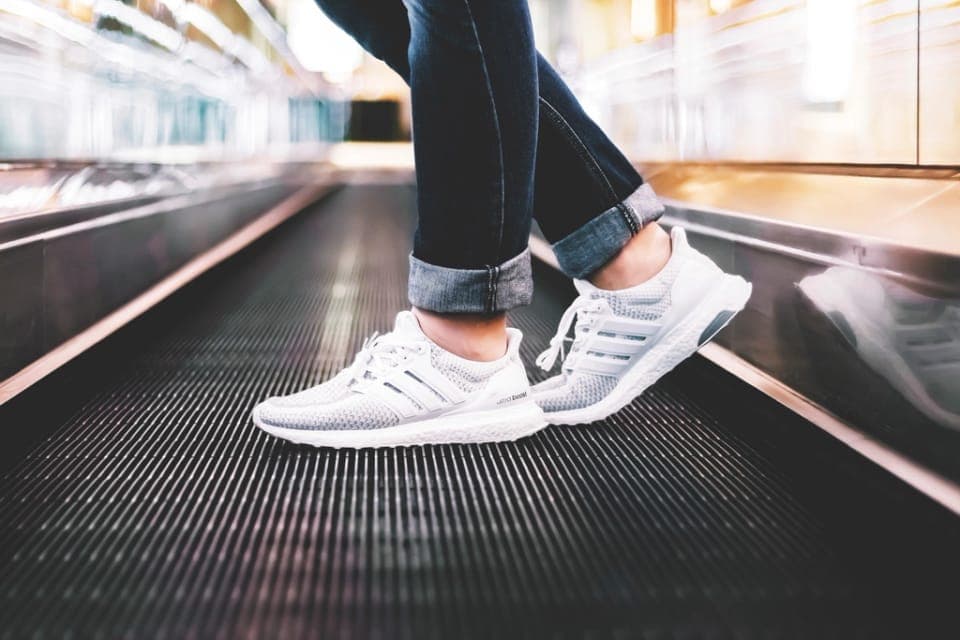 Best minimal optionMerrell Trail Glove 7A 14 mm stack, zero drop and a Vibram outsole - the most mainstream way to hike in a minimalist shoe, available waterproof or not. | 14 mm with Vibram, lighter packs | |
| 3 |  For ultralight hikersXero Shoes Mesa SummitXero's more protective trail shoe: still 0 mm drop, but 9.5 mm at both ends, which is the difference between finishing a rocky descent and limping it. | 9.5 mm; experienced minimal hikers only | |
| 4 | 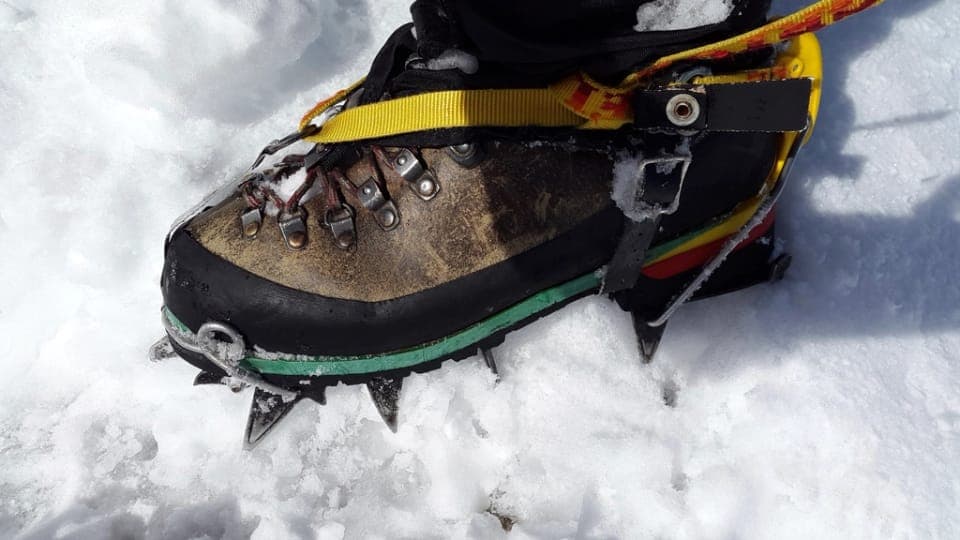 Best compromiseXero Shoes Scrambler LowAn 11.5 mm stack with 4 mm of foam and a removable 3.5 mm insole - the most forgiving zero-drop shoe here, and the one we would hand a nervous switcher. | 11.5 mm with a removable insole | |
| 5 |  Best boot optionVivobarefoot Tracker (Leather AT / Tracker II)Roughly a pound a pair, zero drop, water-resistant leather over the ankle. The default answer when someone wants a real boot that is still a barefoot shoe. | Over-the-ankle weather protection |
#ad Prices come from the retailer and change; we never publish a figure we have not verified live. Affiliate disclosure.
This is the page where our recommendation points away from the thin end of the category, and we would rather explain that than pretend otherwise.
The dominant shoe on long-distance trails is zero drop and heavily cushioned, not minimal. The Altra Lone Peak has become the de facto standard on the long American trails, and the reason is that carrying 10 to 20 kg for weeks changes the arithmetic entirely.
Why weight and duration change everything
- A pack multiplies every landing force. Your foot is absorbing your body weight plus the pack, repeatedly, for eight to twelve hours a day. A thin sole transmits more of that, and there is no rest day.
- Cumulative loading has no recovery window. The transition evidence in this category assumes build-up weeks with easy days in between. A thru-hike is a build-up with no easy days for five months.
- Feet swell dramatically over weeks. Most long-trail hikers go up half to a full size during a thru-hike. Room matters more than ground feel.
- Terrain is not negotiable. You get whatever the trail gives you — talus, scree, miles of gravel — and you cannot route around it when the route is the point.
- Resupply logistics. Shoes get replaced two or three times on a long trail. Availability matters, and the Lone Peak is stocked in trail towns.
Against that, what the barefoot proposition offers — foot strength adaptation, ground feel — is a training benefit on a trip that is not a training block.
What zero drop still gets you under a pack
All of the geometry benefits survive, which is why the Lone Peak rather than a conventional boot is the standard: a genuinely wide toe box for feet that will swell for weeks, a flat platform so the shoe is not pitching you forward with a pack on, and low weight for the thousands of lifts per day.
That is the useful lesson of this page for the whole site: zero drop and wide are the properties that scale to hard use. Thin is the property that does not. Barefoot vs zero drop.
When a genuinely minimal shoe does work
It is not never. Experienced ultralight hikers with base weights under about 5 kg, years of minimal-footwear adaptation, and routes they have chosen for surface do thru-hike in thin shoes successfully. The Xero Mesa Summit at 9.5 mm is on this list for exactly those people.
If that is not a description of you, it is not the shoe for your first long trail. Starting a thru-hike as your minimal-footwear transition is the single worst version of the mistake this site keeps warning about.
How we chose
The criteria, applied in this order:
- Load capability first — stack height and outsole durability under a pack, which inverts our usual ordering.
- Toe-box room for weeks of swelling, weighted heavily.
- Zero drop, retained because the geometry benefits do scale.
- Outsole durability and resupply availability, because you will replace these shoes mid-trail.
- Drainage, since a long trail means wet feet repeatedly.
- Currently sold in the US, verified at build time.
Before you order: fit and transition
Two things matter more than which shoe on this page you pick, and both are free.
Get the size right. Barefoot brands size from internal length rather than from a conventional size label, and you need roughly 10 to 15 mm beyond your longest toe — more than a normal fitting leaves. Measure your feet, then use the sizing guide and the cross-brand table. Sizing up to get a wider shoe does not work: lasts scale in length, so you get heel slip and toes sitting behind the widest part of the shoe.
Build up slowly. The documented risk in this category is bone stress injury from a rushed transition — in one MRI study of 36 runners, 10 of the 19 who spent 10 weeks moving into minimal shoes developed new bone-marrow edema, mostly without symptoms. Keep your current shoes, add minimal-shoe hours gradually, and judge by how your feet feel the next morning. The transition plan.
Thru-hiking-specific: do not start a long trail in footwear you have not already walked several hundred miles in. And buy at least a half size up from your usual, because your feet will spread over the trail.
The picks in detail
Ranked for load capability and durability rather than minimalism — the reverse of every other roundup on this site.
1. Best overall
Altra Lone Peak 9
Zero drop with 25 mm of cushioning underneath. Not a barefoot shoe and not pretending to be - it is the zero-drop shoe you hike 2,000 miles in.
What works
- Zero drop with real cushioning - the combination almost nobody else offers
- The de facto standard on long-distance hiking trails
- Genuinely wide forefoot in standard width
What does not
- 25 mm of foam means essentially no ground feel
- Outsoles are known to wear out faster than the uppers
Skip these if: You want ground feel or foot strengthening. This shoe gives you neither - it gives you zero drop and comfort.
Specifications as published by the maker and reported by BikeHikeSafari, best barefoot shoes 2026 stated specifications. We have not measured them ourselves. Altra fit profile
2. Best minimal option
Merrell Trail Glove 7
A 14 mm stack, zero drop and a Vibram outsole - the most mainstream way to hike in a minimalist shoe, available waterproof or not.
What works
- Vibram traction that holds on wet rock
- Enough stack to hike a full day on mixed terrain
- Easy to find in stores and easy to return
What does not
- Toe box is moderate, not wide - Merrell's last is narrower than Xero's
- 14 mm is firm cushioning, not soft
Skip these if: You need a genuinely wide or extra-wide forefoot.
Specifications as published by the maker and reported by BikeHikeSafari, best barefoot shoes 2026 stated specifications. We have not measured them ourselves. Merrell fit profile
3. For ultralight hikers
Xero Shoes Mesa Summit
Xero's more protective trail shoe: still 0 mm drop, but 9.5 mm at both ends, which is the difference between finishing a rocky descent and limping it.
What works
- The extra millimeter over the Mesa Trail is noticeable on rock
- Proper toe bumper, which thin trail shoes usually skip
- Zero drop confirmed at both ends
What does not
- Heavier than the rest of the Xero trail line
- Less ground feel, which is the point but will disappoint purists
Skip these if: Ground feel is your primary reason for buying barefoot shoes at all.
Specifications as published by the maker and reported by REI product specifications, Xero Shoes Mesa Summit. We have not measured them ourselves. Xero Shoes fit profile
4. Best compromise
Xero Shoes Scrambler Low
An 11.5 mm stack with 4 mm of foam and a removable 3.5 mm insole - the most forgiving zero-drop shoe here, and the one we would hand a nervous switcher.
What works
- The removable 3.5 mm insole gives you two shoes in one as your feet adapt
- Enough foam to survive a full day on concrete in week one
- Still flexes and still zero drop
What does not
- 11.5 mm is a lot of shoe if you came for ground feel
- Heavier than the rest of the line
Skip these if: You have already transitioned and want maximum ground feel - this will feel like a normal sneaker.
Specifications as published by the maker and reported by Outdoor Life, best barefoot shoes 2026 stated specifications. We have not measured them ourselves. Xero Shoes fit profile
5. Best boot option
Vivobarefoot Tracker (Leather AT / Tracker II)
Roughly a pound a pair, zero drop, water-resistant leather over the ankle. The default answer when someone wants a real boot that is still a barefoot shoe.
What works
- Over-the-ankle leather that actually sheds weather
- Puncture-resistant outsole, which almost no thin boot offers
- Ankle padding without an ankle-stiffening cuff
What does not
- Thinner underfoot than the work boots it gets compared to
- Low volume - a wide foot with a high instep will struggle
- No safety toe, so it is not site-legal work footwear
Skip these if: You need a safety-rated toe cap, or you carry heavy loads over rock and want underfoot protection.
Specifications as published by the maker and reported by Anya's Reviews, zero-drop and minimalist work boots. We have not measured them ourselves. Vivobarefoot fit profile
Common questions
Can you thru-hike in barefoot shoes?
Experienced ultralight hikers do, with years of adaptation and routes chosen for surface. It is a specialist choice rather than a default — the dominant long-trail shoe is zero drop and heavily cushioned.
Why is the Altra Lone Peak so popular on long trails?
It combines zero drop and a genuinely wide toe box with about 25 mm of cushioning, which is the combination almost nobody else offers. Feet swell for weeks, packs multiply landing forces, and there are no rest days.
Should I size up for a thru-hike?
Yes. Most long-trail hikers go up half to a full size over a thru-hike as their feet spread and swell. Buy with that in mind rather than fitting your day-one foot.
How many pairs will I need?
Thin and cushioned trail shoes both typically last a few hundred miles under a pack, so two or three pairs on a long trail is normal. Availability in trail towns is a real selection criterion.
Can I use a thru-hike to transition to barefoot shoes?
No, and this is the clearest no on the site. A thru-hike is cumulative loading with no recovery days, which is the exact opposite of what a safe transition requires.
Sources
- Outdoor Life, best barefoot shoes 2026 — stated stack heights and weights
- RunRepeat barefoot running shoes catalog
- Ridge et al., foot bone marrow edema after 10-week transition to minimal footwear
- BikeHikeSafari, best barefoot minimalist shoes for hiking and backpacking 2026
- Anya's Reviews, best barefoot hiking boots and shoes
- Outdoor Life, best barefoot shoes 2026 — stated stack heights and weights
Accessed October 2026. Where a source is a manufacturer, the specification is theirs as published — we have not measured it.
Read next
Best Hiking Shoes
Best barefoot hiking shoes (October 2026)
Seven hiking shoes ranked by the terrain each actually handles, with a stack-height ladder and the honest limits.
By Brijon M. · Updated October 2026
Top pick: Merrell Trail Glove 7
Best Zero-Drop Trail Shoes
Best zero-drop trail running shoes (October 2026)
Six zero-drop trail shoes from 8 mm to 25 mm, with the lugs-versus-stack trade-off and an honest note on rock plates.
By Brijon M. · Updated October 2026
Top pick: Xero Shoes Mesa Summit

Zero Drop With Cushion
Altra: zero drop with cushioning, not a barefoot brand
Wide toe boxes and a flat platform with full cushioning — why zero drop is not barefoot, and when that is what you want.
By Brijon M. · Updated October 2026
Top pick: Altra Lone Peak 9
Barefoot vs Zero Drop
Barefoot vs zero drop: which do you actually want?
Every barefoot shoe is zero drop; most zero-drop shoes are not barefoot. A side-by-side table and a pick for each answer.
By Brijon M. · Updated October 2026
Top pick: Vivobarefoot Primus Lite III

Barefoot shoes on rocky terrain
The clearest limit in the category, with a specific cause: no rock plate. Which rock is a problem, and how much stack you need.
By Brijon M. · Updated October 2026
Top pick: Altra Lone Peak 9
Best Zero-Drop Running Shoes
Best zero-drop running shoes (October 2026)
Zero drop with real cushioning: six shoes that change the geometry without the thin-sole adaptation project.
By Brijon M. · Updated October 2026
Top pick: Topo Athletic ST-5