Barefoot shoes on rocky terrain
The clearest limitation in this category, with a specific mechanical cause rather than a vague one.
By Brijon M. · Updated October 2026
Loose sharp rock is where thin soles genuinely fail, because no minimal shoe has a rock plate — the rigid midsole layer that spreads point loads in conventional trail shoes. On that ground your only protection is stack height.
How this page is funded: some links here are Amazon affiliate links, so we may earn a commission if you buy — at no extra cost to you. It never changes which products we include or how we rank them, and we take no payment from brands for placement. Full disclosure.

Quick picks
Tap any row to jump to the full write-up. Selection is specification-led, not wear-tested — how we choose.
| # | Product | Best for | Price |
|---|---|---|---|
| 1 |  Best on rockAltra Lone Peak 9Zero drop with 25 mm of cushioning underneath. Not a barefoot shoe and not pretending to be - it is the zero-drop shoe you hike 2,000 miles in. | 25 mm, zero drop, genuinely rocky routes | |
| 2 | 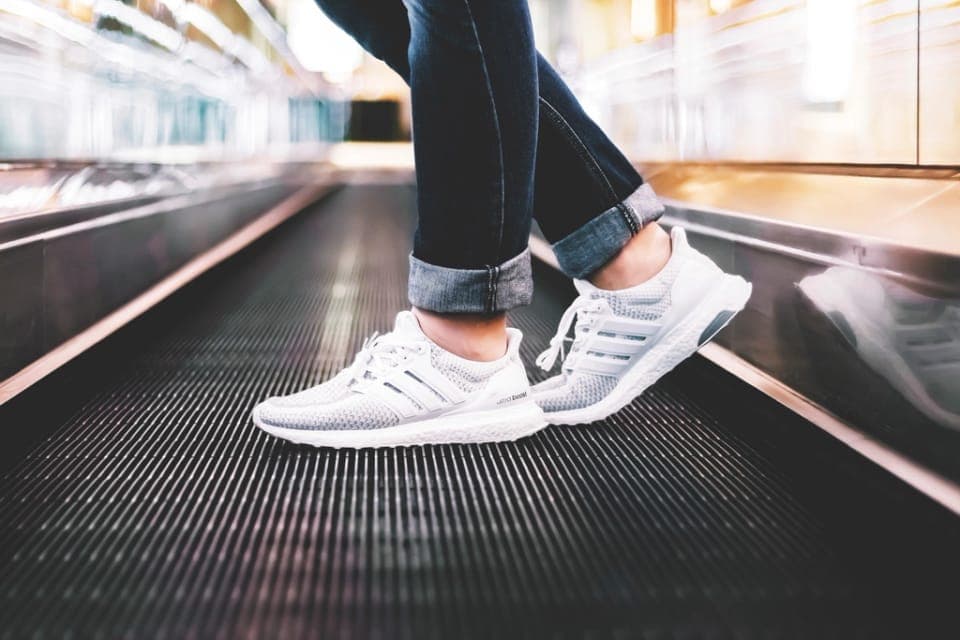 Best minimal optionMerrell Trail Glove 7A 14 mm stack, zero drop and a Vibram outsole - the most mainstream way to hike in a minimalist shoe, available waterproof or not. | 14 mm with a tough Vibram outsole | |
| 3 |  Best bootVivobarefoot Tracker (Leather AT / Tracker II)Roughly a pound a pair, zero drop, water-resistant leather over the ankle. The default answer when someone wants a real boot that is still a barefoot shoe. | Puncture-resistant outsole, ankle protection | |
| 4 |  Thinnest viableXero Shoes Mesa SummitXero's more protective trail shoe: still 0 mm drop, but 9.5 mm at both ends, which is the difference between finishing a rocky descent and limping it. | 9.5 mm with a toe bumper; short rock sections |
#ad Prices come from the retailer and change; we never publish a figure we have not verified live. Affiliate disclosure.
Every category has a limitation, and in minimal footwear this is it. Rather than talk around it, here is the mechanism, the threshold, and what to do about it.
The mechanism: no rock plate
Conventional trail shoes include a rock plate — a thin, rigid layer, often TPU or a nylon weave, sandwiched in the midsole. Its job is to spread a point load. When you stand on a sharp stone, the plate distributes that force across a wide area of your foot rather than letting it concentrate under one spot.
A rigid plate directly contradicts the flexibility that defines minimal footwear. You cannot have a sole that bends to 90 degrees by hand and also resists point loading. So none of these shoes has one, and that is a design consequence rather than an oversight.
What is left is stack height. More material between your foot and the stone spreads the load a little and absorbs a little, and that is the whole mechanism available.
Rock types are not equivalent
Notice that scrambling on big rock is one of the better uses for a minimal shoe — toes that can feel and grip an edge are a real advantage over a stiff boot. It is loose, sharp, small rock that is the problem. People conflate the two and reach the wrong conclusion in both directions.
How much stack height for rock
Our honest read from the published stack heights: 8 mm is not enough for loose sharp ground; 11.5 mm is tolerable for short sections; 14 mm with a tough outsole handles most mixed terrain with embedded rock; 25 mm of cushioned zero drop handles genuinely rocky routes.
If your routes are consistently rocky, the sensible move is the cushioned zero-drop shoe. You keep the wide toe box and the flat platform — the properties that scale to hard use — and give up the ground feel, which is the property that does not. Zero-drop trail shoes.
Things that help a bit
- A thicker insole. Free, reversible, and worth a couple of millimeters on a known rocky day.
- Shorter steps on bad ground. Reduces peak force per footfall and gives you more time to place each foot.
- Actually looking where you step. A thin sole rewards foot placement far more than a boot does, and this is a skill that improves.
- Choosing your line. The side of the trail is often softer than the center.
- Accepting slower. Rock sections in minimal shoes take longer, and fighting that is how you stone-bruise a heel.
And one thing that does not help
Toughening up. Plantar skin and tissue do adapt over months, and that genuinely helps with abrasion and with small stones. It does not change what a sharp edge does through 5 mm of rubber, and persevering through sharp-rock pain is how people get stone bruises and plantar irritation rather than adaptation.
This is a tool-selection problem, not a toughness problem. Problems, by symptom.
The picks in detail
Ordered by underfoot protection on rock, which inverts our usual ranking because on this ground protection is the only variable that matters.
1. Best on rock
Altra Lone Peak 9
Zero drop with 25 mm of cushioning underneath. Not a barefoot shoe and not pretending to be - it is the zero-drop shoe you hike 2,000 miles in.
What works
- Zero drop with real cushioning - the combination almost nobody else offers
- The de facto standard on long-distance hiking trails
- Genuinely wide forefoot in standard width
What does not
- 25 mm of foam means essentially no ground feel
- Outsoles are known to wear out faster than the uppers
Skip these if: You want ground feel or foot strengthening. This shoe gives you neither - it gives you zero drop and comfort.
Specifications as published by the maker and reported by BikeHikeSafari, best barefoot shoes 2026 stated specifications. We have not measured them ourselves. Altra fit profile
2. Best minimal option
Merrell Trail Glove 7
A 14 mm stack, zero drop and a Vibram outsole - the most mainstream way to hike in a minimalist shoe, available waterproof or not.
What works
- Vibram traction that holds on wet rock
- Enough stack to hike a full day on mixed terrain
- Easy to find in stores and easy to return
What does not
- Toe box is moderate, not wide - Merrell's last is narrower than Xero's
- 14 mm is firm cushioning, not soft
Skip these if: You need a genuinely wide or extra-wide forefoot.
Specifications as published by the maker and reported by BikeHikeSafari, best barefoot shoes 2026 stated specifications. We have not measured them ourselves. Merrell fit profile
3. Thinnest viable
Xero Shoes Mesa Summit
Xero's more protective trail shoe: still 0 mm drop, but 9.5 mm at both ends, which is the difference between finishing a rocky descent and limping it.
What works
- The extra millimeter over the Mesa Trail is noticeable on rock
- Proper toe bumper, which thin trail shoes usually skip
- Zero drop confirmed at both ends
What does not
- Heavier than the rest of the Xero trail line
- Less ground feel, which is the point but will disappoint purists
Skip these if: Ground feel is your primary reason for buying barefoot shoes at all.
Specifications as published by the maker and reported by REI product specifications, Xero Shoes Mesa Summit. We have not measured them ourselves. Xero Shoes fit profile
4. Best boot
Vivobarefoot Tracker (Leather AT / Tracker II)
Roughly a pound a pair, zero drop, water-resistant leather over the ankle. The default answer when someone wants a real boot that is still a barefoot shoe.
What works
- Over-the-ankle leather that actually sheds weather
- Puncture-resistant outsole, which almost no thin boot offers
- Ankle padding without an ankle-stiffening cuff
What does not
- Thinner underfoot than the work boots it gets compared to
- Low volume - a wide foot with a high instep will struggle
- No safety toe, so it is not site-legal work footwear
Skip these if: You need a safety-rated toe cap, or you carry heavy loads over rock and want underfoot protection.
Specifications as published by the maker and reported by Anya's Reviews, zero-drop and minimalist work boots. We have not measured them ourselves. Vivobarefoot fit profile
Common questions
Can you hike on rocky terrain in barefoot shoes?
Smooth slabs and large stable boulders are fine and sometimes better than boots. Loose sharp gravel, scree and extended talus are where thin soles genuinely fail, because no minimal shoe has a rock plate.
What is a rock plate and why does it matter?
A thin rigid layer in the midsole that spreads point loads from stones across your foot. It contradicts the flexibility that defines minimal footwear, so none of these shoes has one — leaving stack height as your only protection.
How much stack height do I need for rocky trails?
8 mm is not enough for loose sharp ground; 11.5 mm tolerates short sections; 14 mm with a tough outsole handles most mixed terrain; 25 mm of cushioned zero drop handles genuinely rocky routes.
Will my feet toughen up enough for gravel?
Plantar skin does adapt over months, which helps with abrasion and small stones. It does not change what a sharp edge does through 5 mm of rubber. Persevering produces stone bruises, not adaptation.
Are minimal shoes good for scrambling?
On large stable rock, genuinely yes — toes that can feel and grip an edge beat a stiff boot. It is loose sharp small rock that is the problem, and people conflate the two.
Sources
- Outdoor Life, best barefoot shoes 2026 — stated stack heights and weights
- RunRepeat barefoot running shoes catalog
- Ridge et al., foot bone marrow edema after 10-week transition to minimal footwear
- BikeHikeSafari, best barefoot minimalist shoes for hiking and backpacking 2026
- Anya's Reviews, best barefoot hiking boots and shoes
- Outdoor Life, best barefoot shoes 2026 — stated stack heights and weights
Accessed October 2026. Where a source is a manufacturer, the specification is theirs as published — we have not measured it.
Read next
Are barefoot shoes good for hiking?
A terrain-by-terrain verdict table, why soft ground suits them, and the missing rock plate that explains the failures.
By Brijon M. · Updated October 2026
Top pick: Merrell Trail Glove 7
Best Zero-Drop Trail Shoes
Best zero-drop trail running shoes (October 2026)
Six zero-drop trail shoes from 8 mm to 25 mm, with the lugs-versus-stack trade-off and an honest note on rock plates.
By Brijon M. · Updated October 2026
Top pick: Xero Shoes Mesa Summit

Best for Thru-Hiking
Best shoes for thru-hiking (October 2026)
Why the long-trail standard is zero drop and cushioned rather than minimal — and when thin genuinely works.
By Brijon M. · Updated October 2026
Top pick: Altra Lone Peak 9
Best Hiking Shoes
Best barefoot hiking shoes (October 2026)
Seven hiking shoes ranked by the terrain each actually handles, with a stack-height ladder and the honest limits.
By Brijon M. · Updated October 2026
Top pick: Merrell Trail Glove 7
Barefoot shoe problems, and what they mean
Symptom by symptom: which problems are the adaptation working, and the three patterns that mean stop.
By Brijon M. · Updated October 2026
Top pick: Xero Shoes Scrambler Low
Barefoot vs Hiking Boots
Barefoot shoes vs hiking boots
Load and terrain decide it. The ankle-support argument given a fair hearing from both sides, plus two middle options.
By Brijon M. · Updated October 2026
Top pick: Vivobarefoot Tracker (Leather AT / Tracker II)