Best Brands
Best barefoot shoe brands (October 2026)
Ten brands ranked by last shape rather than by reputation, with the lead model and the honest catch for each one.
By Brijon M. · Updated October 2026
Xero Shoes is the best barefoot brand for most people: the broadest range, the most consistent zero-drop claims and the easiest returns. Lems is the pick for a genuinely wide foot, Vivobarefoot for the thinnest soles, Merrell for a narrow one, and Saguaro if you want to find out cheaply.
How this page is funded: some links here are Amazon affiliate links, so we may earn a commission if you buy — at no extra cost to you. It never changes which products we include or how we rank them, and we take no payment from brands for placement. Full disclosure.
Quick picks
Tap any row to jump to the full write-up. Selection is specification-led, not wear-tested — how we choose.
| # | Product | Best for | Price |
|---|---|---|---|
| 1 |  Best overall brandXero Shoes PrioThe closest thing to a default first barefoot shoe: genuinely wide, genuinely flexible, and cheap enough that a failed experiment does not hurt. | Xero Shoes — widest range, easiest first purchase | |
| 2 |  Best for wide feetLems Primal ZenLems builds one of the roomiest everyday lasts in the category - if other barefoot shoes still feel tight across the toes, start here. | Lems — the roomiest last you can buy off the shelf | |
| 3 |  Thinnest solesVivobarefoot Primus Lite IIIA 2 mm sole with 2 mm of tread at 7.9 oz. About as close to barefoot as a closed shoe gets, and the yardstick everything else is measured against. | Vivobarefoot — 4 mm total, for feet already adapted | |
| 4 |  Best zero drop with cushioningAltra Lone Peak 9Zero drop with 25 mm of cushioning underneath. Not a barefoot shoe and not pretending to be - it is the zero-drop shoe you hike 2,000 miles in. | Altra — wide toes, flat platform, 25 mm of foam | |
| 5 | 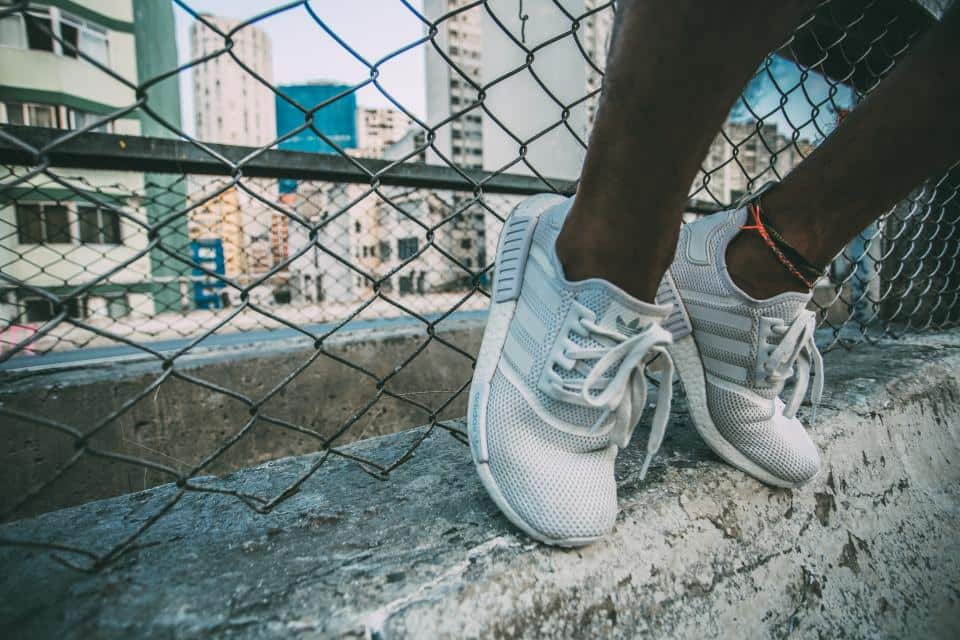 Best for runningTopo Athletic ST-5A zero-drop road shoe from a brand that builds anatomically wide toe boxes without the barefoot ideology - a soft landing for skeptics. | Topo Athletic — wide forefoot, conventional heel fit | |
| 6 |  Best for narrow feetMerrell Vapor Glove 6An 8 mm stack with a Vibram outsole and a deliberately snug toe box - which makes it the wrong shoe for splay and the right shoe for a narrow foot. | Merrell — flat and thin on a conventional last | |
| 7 | 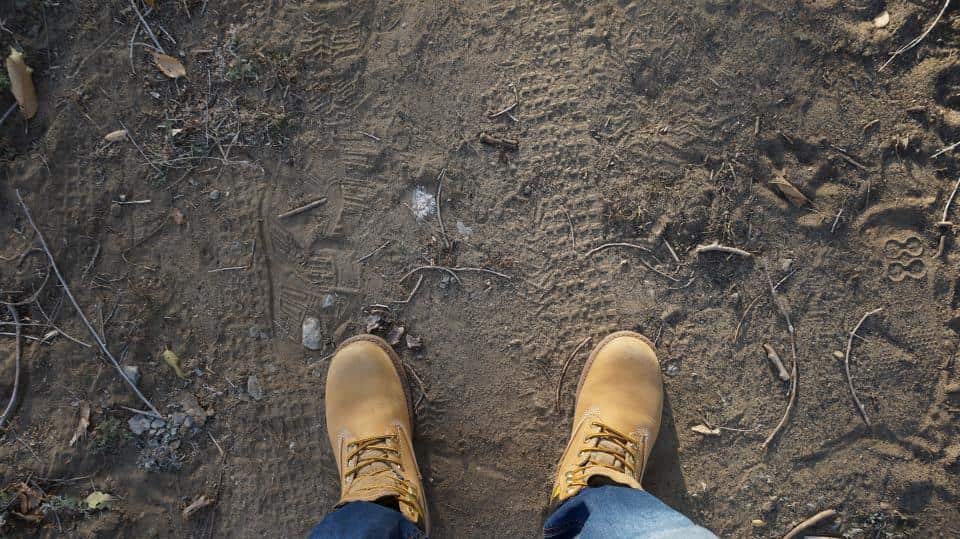 Most ground feelVibram FiveFingers V-RunIndividual toe pockets and almost nothing underfoot. Nothing teaches you how you actually land faster, and nothing punishes a rushed transition harder. | Vibram FiveFingers — individual toe pockets | |
| 8 | 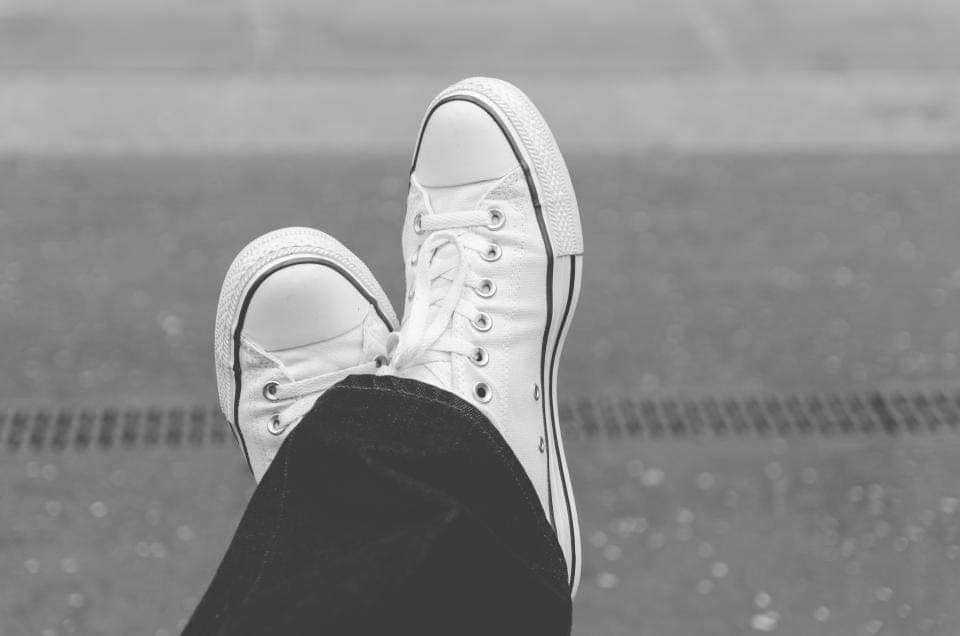 Best lookingBe Lenka Prime 2.0A clean, low-profile sneaker that reads as fashion rather than footwear-as-ideology - the shoe for someone who refuses to look like a barefoot convert. | Be Lenka — foot-shaped shoes you can wear to work | See it at Be #ad — brand-direct link, we earn nothing on it. Why we still list it |
| 9 |  Best budget brandSaguaro Chaser (Smart II / Vitality III)The roomiest of the budget marketplace brands - more space around the ankle and over the toes than WHITIN, which is the difference that matters if you have a thick foot. | Saguaro — wide and high-volume for very little money | |
| 10 |  Best budget runner-upWHITIN Minimalist Trail RunnerA zero-drop, wide-toe-box knit shoe at roughly a third of what the established brands charge - and the cheapest honest way to find out if this suits you. | WHITIN — same price band, lower volume last |
#ad Prices come from the retailer and change; we never publish a figure we have not verified live. Affiliate disclosure.
Ranking barefoot brands on quality produces a useless list, because quality is not what goes wrong. Almost every brand here makes a competent zero-drop shoe with a flexible sole. What differs — and what decides whether the box goes in your closet or back to the depot — is the last: the form the shoe is built around.
A brand works from a small number of lasts, and those lasts have a consistent character across the range. So if a brand's last suits your foot, most of its catalog will suit your foot. If it does not, no model in the range will rescue it. That is why this page ranks brands by who they fit rather than by how well they are made, and why the "best" brand is a different brand depending on the shape of your foot.
If you have not measured your feet yet, do that first — it takes two minutes and it changes which half of this page is relevant to you. How to measure your feet, then foot shape types.
How we chose
The criteria, applied in this order:
- Last shape and toe-box width, judged from the published fit assessments cited on each brand profile. This is weighted highest because it is the variable that decides whether the shoe gets worn.
- Volume — the depth from sole to instep. The least documented dimension in the category and the most common cause of "it is wide enough but the laces dig in."
- Range breadth, because a brand whose last fits you is only useful if it also makes the kind of shoe you need. A perfect last in one style is a narrower recommendation than a good last in twelve.
- Whether the brand publishes usable sizing data — internal length measurements beat a size conversion chart, and brands that publish neither cost you a return.
- Real US availability, verified at build time. Brands sold only in Europe are mentioned where they matter and are not ranked.
- A genuine option at every price band, since the cheapest honest way to find out whether this category suits you should not cost $170.
The map: which brand for which foot
Read down the first column until you find your foot, not your budget. Budget is the easiest constraint to work around here; last shape is not.
Why Xero Shoes is the default answer
Not because its shoes are the best made — Lems and Vivobarefoot both build a more substantial shoe — but because Xero is the lowest-risk first purchase in the category, and the first purchase is the one that goes wrong.
Three reasons. The range is wide enough that one brand covers everyday, trail, running, sandals and a dress-adjacent option, so you are not learning four different sizing systems at once. The zero-drop claims hold up when independent reviewers measure them, which is not universally true in this category. And the price band is mid, with removable insoles on most models, so a half size up is recoverable and a wrong guess is survivable.
The catch is real and worth saying: Xero is wide but not the widest. Lems, Freet and Softstar all go further. And the huarache-style lacing panel on the Prio can pressure a high instep, which is the single most common Xero complaint. Full detail on the Xero Shoes fit profile.
Where each group of brands actually earns its place
Widest and roomiest: Lems, Freet, Softstar
This is the group to move to when a shoe marketed as wide still presses on the outside of your forefoot. Lems is the one we rank, because it is the only member of the group with a straightforward US Amazon presence and a mid price band. The Primal Zen is the roomiest everyday shoe in this whole roundup and the honest first answer for a square or plateau foot.
Freet and Softstar are both unranked here and both matter. Freet is extra-wide and brand-direct in practice; Softstar makes shoes to order, which produces the most accurate fit available anywhere and takes correspondingly longer. We earn nothing on either link and recommend them anyway when they are the right answer — the extra-wide roundup covers both properly.
Thinnest soles: Vivobarefoot, Be Lenka
Vivobarefoot builds the thinnest soles that still function as real shoes — the Primus Lite III is 2 mm of sole plus 2 mm of tread — on a genuinely foot-shaped last with a pronounced big-toe allowance. It is also low volume, which reviewers warn about consistently, and the low stack makes it a poor first shoe. Buy this second, not first. Vivobarefoot fit profile.
Be Lenka solves a different problem: barefoot shoes that do not announce themselves. It is the best-looking brand in the category and the one to pick if your obstacle is a dress code rather than a dimension. It ships from Europe, it is brand-direct in practice, and it runs low volume like Vivobarefoot. Be Lenka fit profile, and the dress shoe roundup if that is the whole reason you are here.
Zero drop without the thin sole: Altra, Topo Athletic
Neither is a barefoot brand and neither pretends to be. Both build zero-drop shoes with anatomically wide forefeet and conventional amounts of foam, and for a large share of the people who arrive here that is the entire answer they needed. If your reason for reading this is toe room and a flat platform, you can have both from Altra or Topo and skip the transition almost completely.
Altra's Lone Peak 9 is the de facto standard shoe on long-distance hiking trails, which makes its sizing advice unusually reliable. Topo's ST-5 is the better road trainer, with a wide forefoot and a normal running-shoe heel. What neither gives you is ground feel or sole flexibility, which is what the foot-strengthening evidence is actually built on. Altra fit profile, and barefoot vs zero drop for the distinction in full.
For narrow feet: Merrell, and Vibram in a category of one
Merrell's minimalist line is the brand almost nobody recommends and some people need. It is flat and thin on a conventional, narrow last, which is the right answer for a narrow foot that cannot get a secure fit in a wide shoe — and the wrong answer if toe splay is the reason you are switching at all. The Vapor Glove 6 is the clearest example: 8 mm, zero drop, and narrow by its own specification. Merrell fit profile and the narrow-feet roundup.
Vibram FiveFingers sits outside the comparison entirely, because width is per toe rather than across the forefoot. It gives more ground feel than anything else here and demands more adaptation than anything else here, and the people who get on with it tend to be emphatic about it. Vibram fit profile and barefoot shoes vs toe shoes.
Budget and marketplace-native: Saguaro, WHITIN, HOBIBEAR, JOOMRA
These brands exist on Amazon rather than in stores, they cost roughly a third of what the established brands charge, and their toe boxes are genuinely wide. They are the cheapest honest way to find out whether this category suits your feet before spending real money, and recommending them costs us commission rather than earning it.
The one distinction that matters between them is volume. Saguaro runs roomier; WHITIN runs lower. If the laces of one dig into your instep, the other is the next thing to try, and HOBIBEAR and JOOMRA both give you a third and fourth last in the same price band. What you give up is durability — build quality is what the price suggests, and sizing can vary between colorways of the same model. Saguaro profile, WHITIN profile, HOBIBEAR profile, and the affordable roundup.
Brands we did not rank, and why
- Freet and Softstar — extra-wide and genuinely excellent, but brand-direct with no meaningful US marketplace presence. Ranked in the extra-wide roundup instead, where the audience is already committed enough to order direct.
- Bedrock, Luna, Shamma, Earth Runners — sandal specialists, not shoe brands. They belong in the sandal roundup, where they compete against each other rather than against closed shoes.
- Gaucho Ninja, Wide Load, Bearfoot, Jim Green — work and safety specialists with narrow catalogs. Covered in the work boot roundup and the safety-toe roundup.
- The large mainstream athletic brands — most of them launched a minimalist line around 2011 and withdrew it, and Altra and Topo are the two that stayed. What Adidas actually offers is the worked example, because it is the one people search for most, and barefoot shoes vs Hoka covers the opposite end of the spectrum.
- Birkenstock — zero drop in name only on most models, and a contoured footbed that is the opposite of a flat, flexible sole. The comparison is here.
Brand-direct or Amazon?
Amazon for a first pair, almost always. Not because the shoes are better there — they are the same shoes — but because the returns process is the only thing that makes buying an unfamiliar last reasonable, and you will probably use it. Xero, Merrell, Vibram, Altra, Topo, Lems, WHITIN, Saguaro, HOBIBEAR and JOOMRA all have a real Amazon presence; Vivobarefoot appears there through third-party listings.
Brand-direct makes sense once you know your size in a brand, and it is the only option for Be Lenka, Freet, Softstar and most of the work specialists. We link those to the brand's own store and tell you plainly that we earn nothing on the click, because the alternative — steering you to a worse-fitting shoe that pays — is how affiliate sites lose the only thing they have.
Before you order: fit and transition
Two things matter more than which shoe on this page you pick, and both are free.
Get the size right. Barefoot brands size from internal length rather than from a conventional size label, and you need roughly 10 to 15 mm beyond your longest toe — more than a normal fitting leaves. Measure your feet, then use the sizing guide and the cross-brand table. Sizing up to get a wider shoe does not work: lasts scale in length, so you get heel slip and toes sitting behind the widest part of the shoe.
Build up slowly. The documented risk in this category is bone stress injury from a rushed transition — in one MRI study of 36 runners, 10 of the 19 who spent 10 weeks moving into minimal shoes developed new bone-marrow edema, mostly without symptoms. Keep your current shoes, add minimal-shoe hours gradually, and judge by how your feet feel the next morning. The transition plan.
Brand sizing is the specific trap here. Your size in Xero is not your size in Lems and neither is your size in Vivobarefoot, because all three size from internal length rather than from a conventional label. The cross-brand sizing table puts them side by side with a source on every row.
The picks in detail
The lead model from each brand — the one that best represents the last, not necessarily the one the brand sells most of. Published specs, honest cons and a reason to skip on every one.
1. Best overall brand
Xero Shoes Prio
The closest thing to a default first barefoot shoe: genuinely wide, genuinely flexible, and cheap enough that a failed experiment does not hurt.
What works
- Removable 2 mm insole, so you can go thinner as your feet adapt
- Wide enough for most square and plateau foot shapes
- Flexes and rolls flat, which is the quickest way to spot a fake minimalist shoe
What does not
- The lacing panel can pressure a high instep
- Thin heel padding is noticeable on hard floors for the first week
Skip these if: You have a high-volume foot and dislike lace pressure across the top, or you need any cushioning at all on day one.
Specifications as published by the maker and reported by Xero Shoes Prio listing specifications. We have not measured them ourselves. Xero Shoes fit profile
2. Best for wide feet
Lems Primal Zen
Lems builds one of the roomiest everyday lasts in the category - if other barefoot shoes still feel tight across the toes, start here.
What works
- Among the widest forefoot shapes available off the shelf
- High enough toe box for a tall big toe or a hammer toe
- Flexes flat and packs small
What does not
- The width that makes it work looks bulbous to some people
- Heel can be loose on a narrow heel
Skip these if: You have a narrow foot - all that room becomes heel slip and a sloppy fit.
Specifications as published by the maker and reported by Lems Shoes product listing, Primal Zen. We have not measured them ourselves. Lems Shoes fit profile
3. Thinnest soles
Vivobarefoot Primus Lite III
A 2 mm sole with 2 mm of tread at 7.9 oz. About as close to barefoot as a closed shoe gets, and the yardstick everything else is measured against.
What works
- The thinnest sole here that still works as an everyday shoe
- Genuinely wide forefoot with a rounded, foot-shaped last
- Ships with access to the brand's own barefoot fundamentals course
What does not
- 4 mm total underfoot is brutal on concrete until your feet adapt
- Low volume through the midfoot - not for a high instep
- The most expensive shoe in most of our roundups
Skip these if: You are transitioning, you have a high-volume foot, or you stand on concrete all day. All three are real reasons to start thicker.
Specifications as published by the maker and reported by Outdoor Life, best barefoot shoes 2026 stated specifications. We have not measured them ourselves. Vivobarefoot fit profile
4. Best zero drop with cushioning
Altra Lone Peak 9
Zero drop with 25 mm of cushioning underneath. Not a barefoot shoe and not pretending to be - it is the zero-drop shoe you hike 2,000 miles in.
What works
- Zero drop with real cushioning - the combination almost nobody else offers
- The de facto standard on long-distance hiking trails
- Genuinely wide forefoot in standard width
What does not
- 25 mm of foam means essentially no ground feel
- Outsoles are known to wear out faster than the uppers
Skip these if: You want ground feel or foot strengthening. This shoe gives you neither - it gives you zero drop and comfort.
Specifications as published by the maker and reported by BikeHikeSafari, best barefoot shoes 2026 stated specifications. We have not measured them ourselves. Altra fit profile
5. Best for running
Topo Athletic ST-5
A zero-drop road shoe from a brand that builds anatomically wide toe boxes without the barefoot ideology - a soft landing for skeptics.
What works
- Wide toe box with a conventional running-shoe heel fit
- Enough midsole to run road mileage immediately
- Measured and scored in RunRepeat's lab catalog
What does not
- More shoe than most barefoot buyers want
- Narrower size range than the big running brands
Skip these if: You want ground feel. This is a running shoe that happens to be flat.
Specifications as published by the maker and reported by RunRepeat barefoot running shoes catalog. We have not measured them ourselves. All brand fit profiles
6. Best for narrow feet
Merrell Vapor Glove 6
An 8 mm stack with a Vibram outsole and a deliberately snug toe box - which makes it the wrong shoe for splay and the right shoe for a narrow foot.
What works
- Vibram outsole grips far better than the price suggests
- Fits a narrow foot without heel slip, which most barefoot shoes cannot do
- Very low stack with real ground feel
What does not
- Restrictive toe box - it is not a wide-toe-box shoe and does not claim to be
- Minimal protection underfoot
Skip these if: You are buying barefoot shoes because your toes are cramped. This shoe will cramp them.
Specifications as published by the maker and reported by Outdoor Life, best barefoot shoes 2026 stated specifications. We have not measured them ourselves. Merrell fit profile
7. Most ground feel
Vibram FiveFingers V-Run
Individual toe pockets and almost nothing underfoot. Nothing teaches you how you actually land faster, and nothing punishes a rushed transition harder.
What works
- Each toe moves independently, which no conventional toe box allows
- Immediate, unmistakable feedback on how you are landing
- Packs down to nothing
What does not
- Sizing is unforgiving: toe length matters, not just foot length
- The highest stress-injury risk in this whole category if you ramp up quickly
- Socially divisive - people will comment
Skip these if: You are new to minimal footwear. Start somewhere with a conventional toe box and come back to these.
Specifications as published by the maker and reported by RunRepeat catalog, Vibram FiveFingers V-Run. We have not measured them ourselves. Vibram FiveFingers fit profile
8. Best looking
Be Lenka Prime 2.0
A clean, low-profile sneaker that reads as fashion rather than footwear-as-ideology - the shoe for someone who refuses to look like a barefoot convert.
What works
- Genuinely good-looking in a category that mostly is not
- Wide toe box hidden inside a slim silhouette
- Multiple colorways including all-black for work
What does not
- No cushioning at all
- Brand-direct, with EU-to-US shipping and returns
Skip these if: You stand on hard floors all day or you want an easy returns process.
Specifications as published by the maker and reported by Be Lenka Prime 2.0 retailer listing. We have not measured them ourselves. Be Lenka fit profile
9. Best budget brand
Saguaro Chaser (Smart II / Vitality III)
The roomiest of the budget marketplace brands - more space around the ankle and over the toes than WHITIN, which is the difference that matters if you have a thick foot.
What works
- More instep volume than WHITIN at the same price
- Whole-family sizing, including kids
- Very minimal sole for the money
What does not
- Thin, cheap outsole wears quickly on pavement
- Model naming changes between generations, so repeat purchases are a lottery
Skip these if: You have a low-volume or narrow foot - this will feel like a slipper.
Specifications as published by the maker and reported by Anya's Reviews, Saguaro barefoot shoes review. We have not measured them ourselves. Saguaro fit profile
10. Best budget runner-up
WHITIN Minimalist Trail Runner
A zero-drop, wide-toe-box knit shoe at roughly a third of what the established brands charge - and the cheapest honest way to find out if this suits you.
What works
- The lowest-risk way to test barefoot shoes at all
- Removable sockliner, so you can thin it out over time
- Wide toe box that genuinely is wide
What does not
- Low volume through the instep compared with Saguaro
- Build quality is what the price suggests - it will not last years
- Sizing is inconsistent between colorways
Skip these if: You have a high instep or a high-volume foot - WHITIN runs low and you will feel the laces.
Specifications as published by the maker and reported by That Fit Friend, WHITIN Minimalist Trail Runner review. We have not measured them ourselves. WHITIN fit profile
Common questions
What is the best barefoot shoe brand?
Xero Shoes for most people: the broadest range, zero-drop claims that hold up when measured, removable insoles and an easy return. For a genuinely wide foot, Lems. For the thinnest soles, Vivobarefoot. For a narrow foot, Merrell. For a tight budget, Saguaro.
Which barefoot brand is widest?
Softstar, because it builds to your measurements. Off the shelf, Lems and Freet have the roomiest lasts, with Lems the easier of the two to buy and return in the US. Xero and Altra are wide but not the widest, and Vivobarefoot is wide in outline while running low in volume.
Are expensive barefoot brands better than cheap ones?
For materials and durability, usually yes. For fit, not at all. A $40 Saguaro that matches your foot shape will be worn far more than a $170 shoe that does not, and fit is the variable that decides whether a pair gets used. Buy the cheap pair first if you are unsure about the category.
Does Adidas make barefoot shoes?
No. Adidas's Adipure minimalist line was reviewed in 2012 and is long out of the lineup, and current Adidas running shoes sit around a 10 mm drop. Of the large mainstream brands, Altra and Topo are the two that stayed in zero drop. The full answer is here.
How many barefoot brands should I try?
One at a time, and expect the first to be wrong roughly as often as it is right. Order a single pair from the brand whose last matches your measured foot, wear it indoors, and judge it on instep pressure and little-toe contact rather than on length. Returning one pair is cheaper than keeping two that nearly fit.
Sources
- Outdoor Life, best barefoot shoes 2026 — stated stack heights and weights
- RunRepeat barefoot running shoes catalog
- Ridge et al., foot bone marrow edema after 10-week transition to minimal footwear
- Effects of Minimalist Shoes on Plantar Intrinsic Foot Muscle Size and Strength: A Review
Accessed October 2026. Where a source is a manufacturer, the specification is theirs as published — we have not measured it.
Read next
Barefoot shoe sizing by brand
Every brand's toe box, volume and sizing behavior in one table, with a source per row and a last-verified date.
By Brijon M. · Updated October 2026
Top pick: Xero Shoes Prio
Best Overall
The best barefoot shoes (October 2026)
Eight shoes from 4 mm to 25 mm underfoot, ranked on how many jobs each does well, with honest cons throughout.
By Brijon M. · Updated October 2026
Top pick: Xero Shoes Prio
How to choose barefoot shoes
Five decisions in order: measure, stack height by stage, width and volume, the three-part test, then brand.
By Brijon M. · Updated October 2026
Top pick: Xero Shoes Scrambler Low

Best Budget
Best affordable barefoot shoes (October 2026)
Five budget picks that are genuinely wide and flat, differentiated by volume — plus exactly which corners each cuts.
By Brijon M. · Updated October 2026
Top pick: Saguaro Chaser (Smart II / Vitality III)
Adidas barefoot shoes: what Adidas actually sells
Adidas has no current barefoot or zero-drop shoe. What the Adipure line was, why the search leads nowhere, and the five shoes that answer it instead.
By Brijon M. · Updated October 2026
Top pick: Topo Athletic ST-5
Best Wide-Foot Runners
Best barefoot running shoes for wide feet (October 2026)
Seven zero-drop running shoes with a genuinely wide forefoot, and why the thinnest barefoot road shoes are usually the narrowest.
By Brijon M. · Updated October 2026
Top pick: Topo Athletic ST-5