Best for Narrow Feet
Best barefoot shoes for narrow feet (October 2026)
The category is built around wide feet. If yours is slim, the wide shoes everybody recommends will slip on you.
By Brijon M. · Updated October 2026
For a narrow foot, the Merrell Vapor Glove 6 is the standard answer: zero drop, 8 mm, Vibram-soled, with a deliberately snug toe box and a secure heel. WHITIN and the Xero Dillon slip-on are the low-volume alternatives, and a thinner insole tightens any of them.
How this page is funded: some links here are Amazon affiliate links, so we may earn a commission if you buy — at no extra cost to you. It never changes which products we include or how we rank them, and we take no payment from brands for placement. Full disclosure.
Quick picks
Tap any row to jump to the full write-up. Selection is specification-led, not wear-tested — how we choose.
| # | Product | Best for | Price |
|---|---|---|---|
| 1 |  Best overallMerrell Vapor Glove 6An 8 mm stack with a Vibram outsole and a deliberately snug toe box - which makes it the wrong shoe for splay and the right shoe for a narrow foot. | A slim foot that needs a secure hold | |
| 2 | 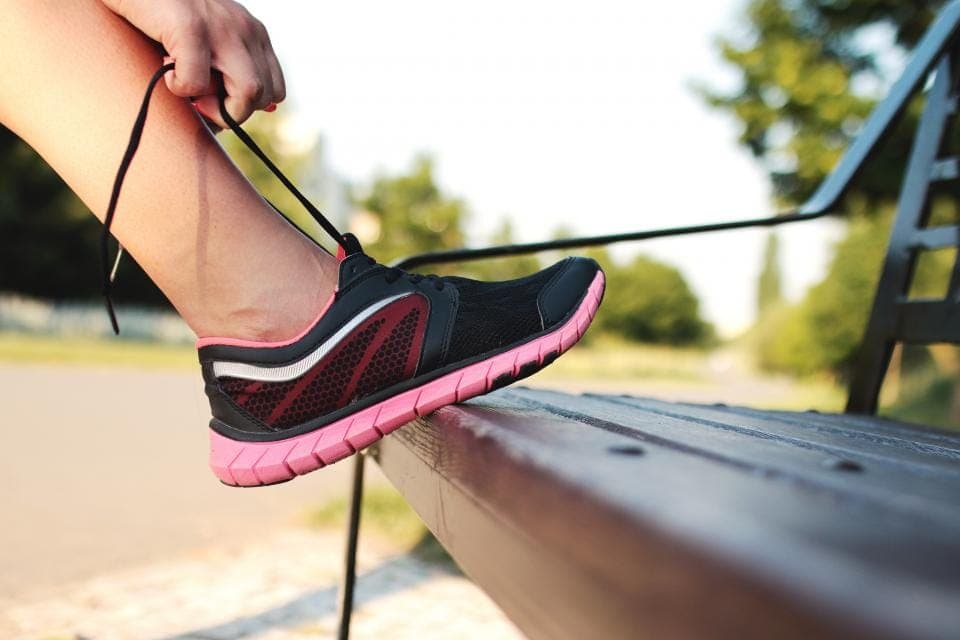 Best for runningXero Shoes HFS IIA true zero-drop road shoe with an 8.5 mm stack at both ends, which is about as thin as most people can run pavement in without a long build-up. | Xero's narrowest last | |
| 3 |  Best budgetWHITIN Minimalist Trail RunnerA zero-drop, wide-toe-box knit shoe at roughly a third of what the established brands charge - and the cheapest honest way to find out if this suits you. | Low-volume feet, low spend | |
| 4 |  Best slip-onXero Shoes Dillon (and Dillon Slip-On)A wide toe box in a shape that passes as a normal shoe, and - unusually for barefoot footwear - it works on a low-volume foot with the insole removed. | Low volume with the insole out | |
| 5 |  Thinnest optionVivobarefoot Primus Lite IIIA 2 mm sole with 2 mm of tread at 7.9 oz. About as close to barefoot as a closed shoe gets, and the yardstick everything else is measured against. | Low-volume feet wanting ground feel | |
| 6 | 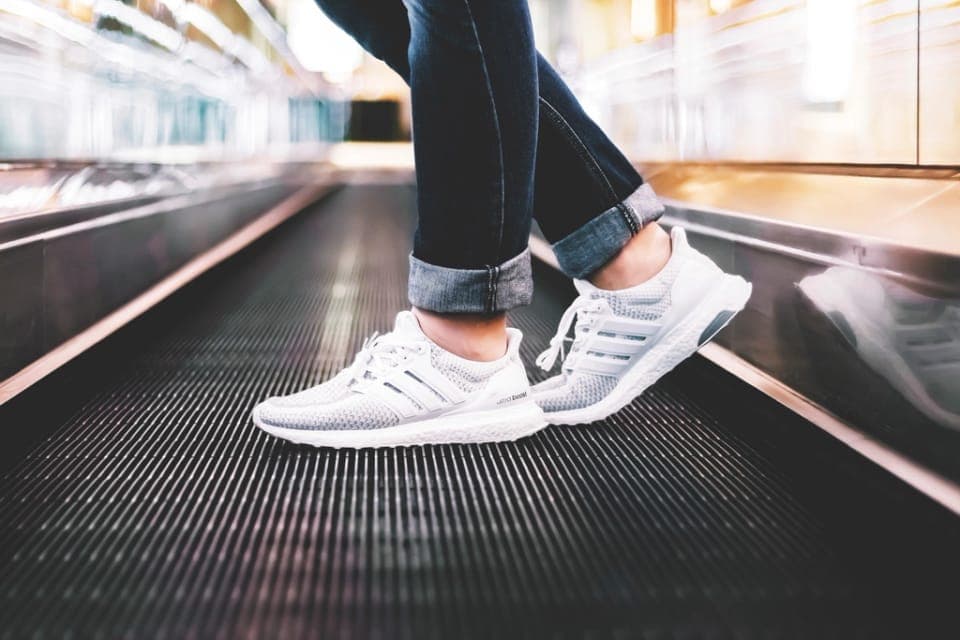 Best for trailMerrell Trail Glove 7A 14 mm stack, zero drop and a Vibram outsole - the most mainstream way to hike in a minimalist shoe, available waterproof or not. | Narrow foot, real traction |
#ad Prices come from the retailer and change; we never publish a figure we have not verified live. Affiliate disclosure.
This category has a blind spot, and if you have a narrow foot you have already walked into it. Barefoot footwear is built around the complaint that conventional shoes are too narrow — so almost every recommendation, review and roundup optimizes for width. Follow that advice with a slim foot and you get heel slip, a sloppy forefoot and a shoe you cannot run in.
A narrow foot is a real foot. The good news is that the properties you actually want from this category — zero drop, a thin flexible sole, no toe spring — are entirely available without a wide last.
How we chose
The criteria, applied in this order:
- A last that holds a slim foot, with a heel that does not slip. This is the binding constraint and it rules out most of the category.
- Low volume, because a narrow foot is usually also a shallow one and a high-volume shoe gapes.
- Zero drop and real sole flexibility — we are not trading the category's actual benefits away to get a fit.
- An insole that can be swapped for a thicker one, which is the cheapest way to take up remaining volume.
- Conventional sizing where possible, so a slim foot can buy with confidence online.
- Currently sold in the US, verified at build time.
Narrow versus low-volume — they are not the same
Worth separating, because the fixes differ. Narrow means slim across the ball of the foot — a width problem. Low-volume means shallow from sole to instep — a depth problem. Many people have both; plenty have one.
If you are narrow but normal-volume, a conventional-last minimalist shoe like the Merrell Vapor Glove is the answer. If you are low-volume but normal-width, you can wear a wide barefoot shoe and take up the depth: leave the insole in, add a thicker one, or use a thicker sock. The Xero Dillon slip-on is specifically noted for working on low-volume feet with the insole removed, which is the reverse adjustment.
How to tell a shoe will hold your foot
- Heel first. Put the shoe on, lace it normally, and walk up a slope or a staircase. Heel lift shows up on an incline before it shows up on the flat.
- Check the lacing range. A shoe you can cinch tight has adjustment available; a knit slip-on does not.
- Look at where the eyelets sit. Eyelets set wide apart suggest a last built for a broad foot — when they pull almost together on your foot, the shoe is too wide for you.
- Put the thicker insole in before you judge it. Half the slip in a slightly-too-roomy shoe disappears with 3 mm more under the foot.
What you give up, and what you do not
Be clear about the trade: a conventional-last minimalist shoe does not give you toe splay. The Merrell Vapor Glove's toe box is explicitly restrictive, and if your reason for being here is cramped toes then this page is the wrong one — you want width and you should accept some looseness elsewhere to get it.
But if your reason is the heel lift, the cushioning or the stiffness of conventional shoes, you lose nothing by buying a narrow minimalist shoe. Zero drop, ground feel and a flexible sole are all fully present, and the foot-strengthening stimulus does not depend on toe-box width. Minimalist vs barefoot covers the distinction properly.
Before you order: fit and transition
Two things matter more than which shoe on this page you pick, and both are free.
Get the size right. Barefoot brands size from internal length rather than from a conventional size label, and you need roughly 10 to 15 mm beyond your longest toe — more than a normal fitting leaves. Measure your feet, then use the sizing guide and the cross-brand table. Sizing up to get a wider shoe does not work: lasts scale in length, so you get heel slip and toes sitting behind the widest part of the shoe.
Build up slowly. The documented risk in this category is bone stress injury from a rushed transition — in one MRI study of 36 runners, 10 of the 19 who spent 10 weeks moving into minimal shoes developed new bone-marrow edema, mostly without symptoms. Keep your current shoes, add minimal-shoe hours gradually, and judge by how your feet feel the next morning. The transition plan.
The picks in detail
Ranked by how securely each one holds a slim foot, with one deliberately wide option at the end for readers who are low-volume rather than narrow.
1. Best overall
Merrell Vapor Glove 6
An 8 mm stack with a Vibram outsole and a deliberately snug toe box - which makes it the wrong shoe for splay and the right shoe for a narrow foot.
What works
- Vibram outsole grips far better than the price suggests
- Fits a narrow foot without heel slip, which most barefoot shoes cannot do
- Very low stack with real ground feel
What does not
- Restrictive toe box - it is not a wide-toe-box shoe and does not claim to be
- Minimal protection underfoot
Skip these if: You are buying barefoot shoes because your toes are cramped. This shoe will cramp them.
Specifications as published by the maker and reported by Outdoor Life, best barefoot shoes 2026 stated specifications. We have not measured them ourselves. Merrell fit profile
2. Best for running
Xero Shoes HFS II
A true zero-drop road shoe with an 8.5 mm stack at both ends, which is about as thin as most people can run pavement in without a long build-up.
What works
- Measured zero drop at both ends, not a marketing claim
- Noticeably lighter and more road-focused than the Prio
- Holds the heel without a stiff counter
What does not
- Toe box is narrower than Xero's casual lasts
- 8.5 mm underfoot is unforgiving on broken pavement
Skip these if: Your forefoot is genuinely wide or extra-wide - the HFS II is one of Xero's narrower shoes.
Specifications as published by the maker and reported by RunRepeat lab specifications, Xero Shoes HFS II. We have not measured them ourselves. Xero Shoes fit profile
3. Best budget
WHITIN Minimalist Trail Runner
A zero-drop, wide-toe-box knit shoe at roughly a third of what the established brands charge - and the cheapest honest way to find out if this suits you.
What works
- The lowest-risk way to test barefoot shoes at all
- Removable sockliner, so you can thin it out over time
- Wide toe box that genuinely is wide
What does not
- Low volume through the instep compared with Saguaro
- Build quality is what the price suggests - it will not last years
- Sizing is inconsistent between colorways
Skip these if: You have a high instep or a high-volume foot - WHITIN runs low and you will feel the laces.
Specifications as published by the maker and reported by That Fit Friend, WHITIN Minimalist Trail Runner review. We have not measured them ourselves. WHITIN fit profile
4. Best slip-on
Xero Shoes Dillon (and Dillon Slip-On)
A wide toe box in a shape that passes as a normal shoe, and - unusually for barefoot footwear - it works on a low-volume foot with the insole removed.
What works
- One of very few barefoot slip-ons that fits low-volume feet properly
- Reads as a normal casual shoe at an office that notices shoes
- Removable insole for volume adjustment
What does not
- Not a dress shoe - it will not pass with a suit
- Soft upper creases quickly
Skip these if: You need a genuine leather dress shoe, or you have a high-volume foot that needs the insole in.
Specifications as published by the maker and reported by Anya's Reviews, Xero Shoes Spring 2026 collection review. We have not measured them ourselves. Xero Shoes fit profile
5. Thinnest option
Vivobarefoot Primus Lite III
A 2 mm sole with 2 mm of tread at 7.9 oz. About as close to barefoot as a closed shoe gets, and the yardstick everything else is measured against.
What works
- The thinnest sole here that still works as an everyday shoe
- Genuinely wide forefoot with a rounded, foot-shaped last
- Ships with access to the brand's own barefoot fundamentals course
What does not
- 4 mm total underfoot is brutal on concrete until your feet adapt
- Low volume through the midfoot - not for a high instep
- The most expensive shoe in most of our roundups
Skip these if: You are transitioning, you have a high-volume foot, or you stand on concrete all day. All three are real reasons to start thicker.
Specifications as published by the maker and reported by Outdoor Life, best barefoot shoes 2026 stated specifications. We have not measured them ourselves. Vivobarefoot fit profile
6. Best for trail
Merrell Trail Glove 7
A 14 mm stack, zero drop and a Vibram outsole - the most mainstream way to hike in a minimalist shoe, available waterproof or not.
What works
- Vibram traction that holds on wet rock
- Enough stack to hike a full day on mixed terrain
- Easy to find in stores and easy to return
What does not
- Toe box is moderate, not wide - Merrell's last is narrower than Xero's
- 14 mm is firm cushioning, not soft
Skip these if: You need a genuinely wide or extra-wide forefoot.
Specifications as published by the maker and reported by BikeHikeSafari, best barefoot shoes 2026 stated specifications. We have not measured them ourselves. Merrell fit profile
Common questions
Are barefoot shoes bad for narrow feet?
Wide barefoot shoes are, because they slip. But the properties that define the category — zero drop, thin flexible soles, no toe spring — are available in conventional-last minimalist shoes that hold a slim foot properly.
Which barefoot brand runs narrowest?
Merrell's minimalist line, clearly. Within Xero's range the HFS road line is the narrowest. WHITIN runs low-volume, which helps if depth rather than width is your issue.
Can I make a wide barefoot shoe fit a narrow foot?
Partly. A thicker insole, a thicker sock and tighter lacing take up depth and some width. They do not fix a heel cup that is too wide, which is where the slip comes from.
What is the difference between narrow and low-volume?
Narrow is slim across the ball of the foot; low-volume is shallow from sole to instep. A narrow foot needs a narrower last. A low-volume foot can often wear a wide shoe with a thicker insole.
Do I still get the benefits in a narrow minimalist shoe?
Zero drop, ground feel and the foot-strengthening stimulus, yes — none of those depend on toe-box width. Toe splay, no. If splay is the goal, buy width and accept some looseness.
Sources
- Outdoor Life, best barefoot shoes 2026 — stated stack heights and weights
- RunRepeat barefoot running shoes catalog
- Ridge et al., foot bone marrow edema after 10-week transition to minimal footwear
- Anya's Reviews, Xero Shoes Spring 2026 collection review — Dillon low-volume fit
- That Fit Friend, WHITIN Minimalist Trail Runner review — low-volume fit
Accessed October 2026. Where a source is a manufacturer, the specification is theirs as published — we have not measured it.
Read next

Minimalist vs Barefoot
Minimalist vs barefoot shoes
Minimalist means thin and flat; barefoot adds the wide, foot-shaped last. Which one fits depends on whether your foot is narrow or broad.
By Brijon M. · Updated October 2026
Top pick: Merrell Vapor Glove 6

Barefoot shoe sizing by brand
Every brand's toe box, volume and sizing behavior in one table, with a source per row and a last-verified date.
By Brijon M. · Updated October 2026
Top pick: Xero Shoes Prio

Easiest to Buy
Merrell barefoot: fit, sizing and the toe-box catch
Genuinely thin and zero drop with Vibram outsoles, on a narrow last — right for narrow feet, wrong for splay.
By Brijon M. · Updated October 2026
Top pick: Merrell Trail Glove 7

Foot shape types, and the toe box each one needs
Four toe-length patterns, how to spot yours on a tracing, and which brands' lasts suit each — crossed against what you need the shoes for.
By Brijon M. · Updated October 2026
Top pick: Lems Primal Zen

Best Minimalist Running Shoes
Best minimalist running shoes (October 2026)
Thin and flat with a conventional last — the right answer for a slim foot that slips in wide barefoot shoes.
By Brijon M. · Updated October 2026
Top pick: Merrell Vapor Glove 6
Barefoot shoe sizing, properly
Measure, do not convert. How much toe room to leave, why sizing up for width fails, and what to check when the box arrives.
By Brijon M. · Updated October 2026
Top pick: Xero Shoes Prio