Barefoot shoe problems, and what they mean
A symptom-by-symptom guide, including the three patterns that mean stop rather than persevere.
By Brijon M. · Updated October 2026
Most early problems are the expected adaptation: diffuse calf tightness, tired arches, general foot fatigue. Three patterns are not, and mean stop: a specific reproducible point of pain on the top of the foot, pain that worsens during activity, and pain that wakes you.
How this page is funded: some links here are Amazon affiliate links, so we may earn a commission if you buy — at no extra cost to you. It never changes which products we include or how we rank them, and we take no payment from brands for placement. Full disclosure.
Quick picks
Tap any row to jump to the full write-up. Selection is specification-led, not wear-tested — how we choose.
| # | Product | Best for | Price |
|---|---|---|---|
| 1 | 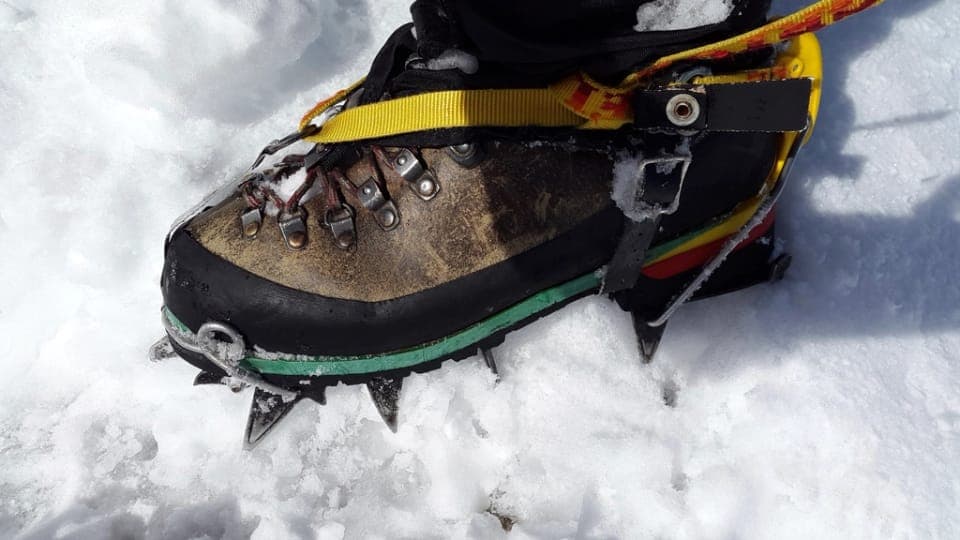 Best step backXero Shoes Scrambler LowAn 11.5 mm stack with 4 mm of foam and a removable 3.5 mm insole - the most forgiving zero-drop shoe here, and the one we would hand a nervous switcher. | 11.5 mm, still flat and wide | |
| 2 |  Most protectiveAltra Lone Peak 9Zero drop with 25 mm of cushioning underneath. Not a barefoot shoe and not pretending to be - it is the zero-drop shoe you hike 2,000 miles in. | When thin soles are the problem | |
| 3 |  Widest fitLems Primal ZenLems builds one of the roomiest everyday lasts in the category - if other barefoot shoes still feel tight across the toes, start here. | When pressure and numbness are the problem |
#ad Prices come from the retailer and change; we never publish a figure we have not verified live. Affiliate disclosure.
Barefoot shoes cause problems. That sentence is not a reason to avoid them — most of the problems are the adaptation working, and most of them resolve. But some are warnings, and the difference matters enough to be specific about.
We have organized this by symptom, because that is how you will arrive at it.
Calf and Achilles tightness
Expected. The commonest first-fortnight experience, caused by your calf working at a longer length than a heeled shoe allowed. Diffuse rather than pointed, worse the morning after, improving week on week. Reduce volume, do slow calf raises, alternate footwear within the day. Full page.
Sore, tired arches
Usually expected. Your intrinsic foot muscles are doing work the shoe used to share — which is the mechanism behind the measured increases in foot muscle size and strength that reviews of minimalist footwear report. Should settle overnight.
Not expected if it is sharp heel pain, worst on the first steps out of bed, and getting worse week on week. That pattern is the classic plantar heel pain presentation and it wants assessment rather than perseverance. Plantar fasciitis, honestly.
Top-of-foot pain
The one to take most seriously. The metatarsals sit just under the skin on the top of your foot, and they are the specific bones the transition literature is concerned with — systematic reviews report moderate evidence that minimalist shoes increase forefoot pressure and metatarsal stress-fracture risk relative to conventional shoes.
If you can press one spot and reproduce the pain, stop and get it assessed. If it is diffuse aching across the top of the foot after a long day, that is more likely lace pressure or general fatigue — slacken the lacing, try window lacing around the pressure point, and see whether it changes.
Numbness or pins and needles
Not adaptation. Nothing about getting stronger feet involves numbness. It is nearly always pressure: lacing too tight, a shoe too narrow for your foot, or toe spacers too thick for the available space.
Check the fit properly — pull the insole out and stand on it barefoot to see whether your foot overhangs. If it persists after you have fixed the obvious, see a clinician. Sizing guide.
Blisters and hot spots
A fit or friction problem, not an adaptation. Thin uppers have fewer layers between a seam and your skin, and a shoe slightly too long lets your foot slide. Check length, check lacing, and consider a thin sock if you have been going without.
Heel blisters specifically usually mean heel slip, which means the heel cup is too wide for you. Heel-lock lacing solves most cases. Narrow feet.
Knee, hip or back pain
Honest answer: we do not know. Changing footwear changes how load travels up the chain, and it could plausibly go either way for any given person. The controlled evidence that would let anyone speak confidently about this is not there, and we are not going to pretend otherwise.
Practically: if new knee or back pain arrives with new shoes, reduce the minimal-shoe hours and see whether it changes. If it does not, the shoes are probably not the cause and something else is worth investigating.
Cold feet
Real, and under-discussed. A 4 mm sole is a poor insulator and thin uppers do not help. Winter is the season people quietly abandon this category. Options: wool socks, a thicker-soled winter model, or accepting that January is boots season. Winter boots.
Stone bruises and feeling every pebble
Expected in a thin shoe, and a legitimate reason to go thicker. Plantar skin and tissue do toughen over months, but there is no obligation to earn it. If gravel paths are part of your life, a 14 mm shoe with a tougher outsole is not a failure — it is the right tool.
The picks in detail
Most problems on this page are solved by going thicker for a while rather than by persevering. These are the three steps back.
1. Best step back
Xero Shoes Scrambler Low
An 11.5 mm stack with 4 mm of foam and a removable 3.5 mm insole - the most forgiving zero-drop shoe here, and the one we would hand a nervous switcher.
What works
- The removable 3.5 mm insole gives you two shoes in one as your feet adapt
- Enough foam to survive a full day on concrete in week one
- Still flexes and still zero drop
What does not
- 11.5 mm is a lot of shoe if you came for ground feel
- Heavier than the rest of the line
Skip these if: You have already transitioned and want maximum ground feel - this will feel like a normal sneaker.
Specifications as published by the maker and reported by Outdoor Life, best barefoot shoes 2026 stated specifications. We have not measured them ourselves. Xero Shoes fit profile
2. Most protective
Altra Lone Peak 9
Zero drop with 25 mm of cushioning underneath. Not a barefoot shoe and not pretending to be - it is the zero-drop shoe you hike 2,000 miles in.
What works
- Zero drop with real cushioning - the combination almost nobody else offers
- The de facto standard on long-distance hiking trails
- Genuinely wide forefoot in standard width
What does not
- 25 mm of foam means essentially no ground feel
- Outsoles are known to wear out faster than the uppers
Skip these if: You want ground feel or foot strengthening. This shoe gives you neither - it gives you zero drop and comfort.
Specifications as published by the maker and reported by BikeHikeSafari, best barefoot shoes 2026 stated specifications. We have not measured them ourselves. Altra fit profile
3. Widest fit
Lems Primal Zen
Lems builds one of the roomiest everyday lasts in the category - if other barefoot shoes still feel tight across the toes, start here.
What works
- Among the widest forefoot shapes available off the shelf
- High enough toe box for a tall big toe or a hammer toe
- Flexes flat and packs small
What does not
- The width that makes it work looks bulbous to some people
- Heel can be loose on a narrow heel
Skip these if: You have a narrow foot - all that room becomes heel slip and a sloppy fit.
Specifications as published by the maker and reported by Lems Shoes product listing, Primal Zen. We have not measured them ourselves. Lems Shoes fit profile
Common questions
What are the most common barefoot shoe problems?
Calf and Achilles tightness in the first fortnight, tired arches, and general foot fatigue. All three are the expected adaptation and usually settle with a slower build-up.
When should I stop wearing barefoot shoes?
Stop and get assessed for three patterns: a specific point of pain on the top of the foot you can press and reproduce, pain that worsens during activity rather than warming up, and pain that wakes you at night. Those describe bone.
Why do my feet go numb in barefoot shoes?
Numbness is not part of adaptation — it is pressure. Lacing too tight, a shoe narrower than your foot, or toe spacers too thick. Check the fit by standing on the insole barefoot.
Can barefoot shoes cause knee or back pain?
Changing footwear changes loading up the chain, so it is possible in either direction, but the controlled evidence is not there and we will not claim certainty. If new pain arrives with new shoes, reduce the hours and see whether it changes.
Is it normal to feel every stone?
In a thin shoe, yes. Plantar tissue does toughen over months, but there is no obligation to tough it out — a thicker sole for gravel is the right tool, not a failure.
Sources
- Ridge et al., foot bone marrow edema after 10-week transition to minimal footwear (BYU ScholarsArchive)
- How Does Running in Minimalist Shoes Affect Injury Risk? A Systematic Review
- Counseling Runners on Safely Transitioning to Minimal Shoes (University of Florida PM&R)
- A Comparison of Foot Strengthening versus Minimal Footwear Use on Intrinsic Muscle Size and Strength
- Effects of Minimalist Shoes on Plantar Intrinsic Foot Muscle Size and Strength: A Review
Accessed October 2026. Where a source is a manufacturer, the specification is theirs as published — we have not measured it.
Read next
Calf pain in barefoot shoes
Diffuse tightness for two to four weeks is expected. The mechanism, six things that help, and the patterns that mean stop.
By Brijon M. · Updated October 2026
Top pick: Xero Shoes Scrambler Low

Transition mistakes to avoid
Nine mistakes ranked by damage — including the insole nobody keeps and the signal everybody misreads.
By Brijon M. · Updated October 2026
Top pick: Xero Shoes Scrambler Low

How to transition to barefoot shoes
A concrete 16-week plan with numbers, built around the MRI study that found bone-marrow edema in 10 of 19 transitioning runners.
By Brijon M. · Updated October 2026
Top pick: Xero Shoes Scrambler Low

Are barefoot shoes good for you?
Foot strength: good evidence. Posture and knees: thin evidence. Rushed transitions: documented bone stress injury. The honest version.
By Brijon M. · Updated October 2026
Top pick: Xero Shoes Scrambler Low

Best for Plantar Heel Pain
Barefoot shoes and plantar fasciitis (October 2026)
Mixed evidence, two opposite mechanisms, and no cure claims. The lower-risk sequence if pain has already settled.
By Brijon M. · Updated October 2026
Top pick: Altra Lone Peak 9
Best Winter Boots
Best barefoot winter boots (October 2026)
Thin soles conduct cold. The five warmest zero-drop boots, plus why waterproof is not the same as warm.
By Brijon M. · Updated October 2026
Top pick: HOBIBEAR Warm Wide Toe Box Barefoot Boots