Best for Plantar Heel Pain
Barefoot shoes and plantar fasciitis (October 2026)
This is the page where we are most likely to disappoint you, because the honest answer is not a product recommendation.
By Brijon M. · Updated October 2026
If your heel hurts now, a flat thin shoe increases strain on the tissue that is already irritated — see a podiatrist before changing footwear. Once pain has settled, a wide zero-drop cushioned shoe is the lower-risk way to move toward minimal footwear, built up over months.
How this page is funded: some links here are Amazon affiliate links, so we may earn a commission if you buy — at no extra cost to you. It never changes which products we include or how we rank them, and we take no payment from brands for placement. Full disclosure.

Quick picks
Tap any row to jump to the full write-up. Selection is specification-led, not wear-tested — how we choose.
| # | Product | Best for | Price |
|---|---|---|---|
| 1 |  Lowest-risk starting pointAltra Lone Peak 9Zero drop with 25 mm of cushioning underneath. Not a barefoot shoe and not pretending to be - it is the zero-drop shoe you hike 2,000 miles in. | Flat and wide, full cushioning | |
| 2 | 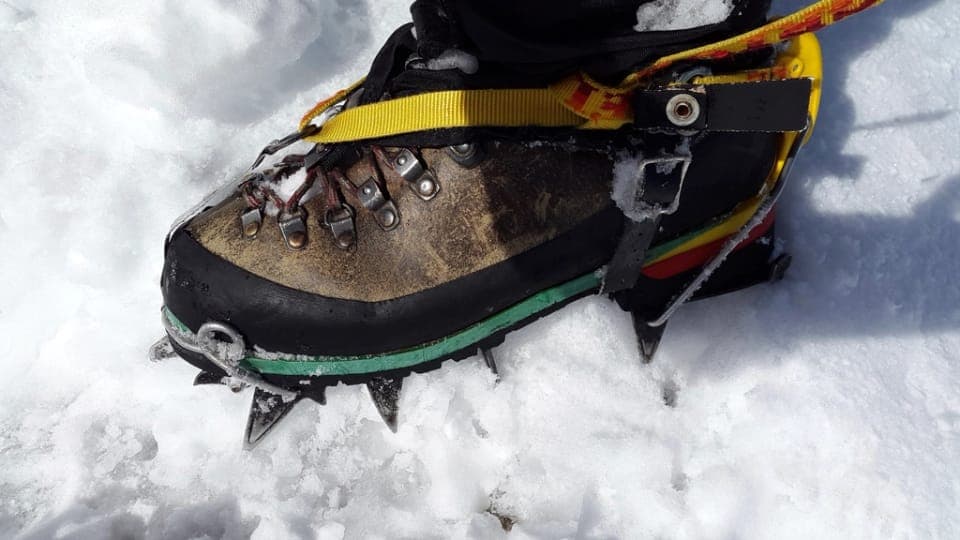 Best middle stepXero Shoes Scrambler LowAn 11.5 mm stack with 4 mm of foam and a removable 3.5 mm insole - the most forgiving zero-drop shoe here, and the one we would hand a nervous switcher. | 11.5 mm, removable insole | |
| 3 |  Best for runningTopo Athletic ST-5A zero-drop road shoe from a brand that builds anatomically wide toe boxes without the barefoot ideology - a soft landing for skeptics. | Flat with conventional structure | |
| 4 | 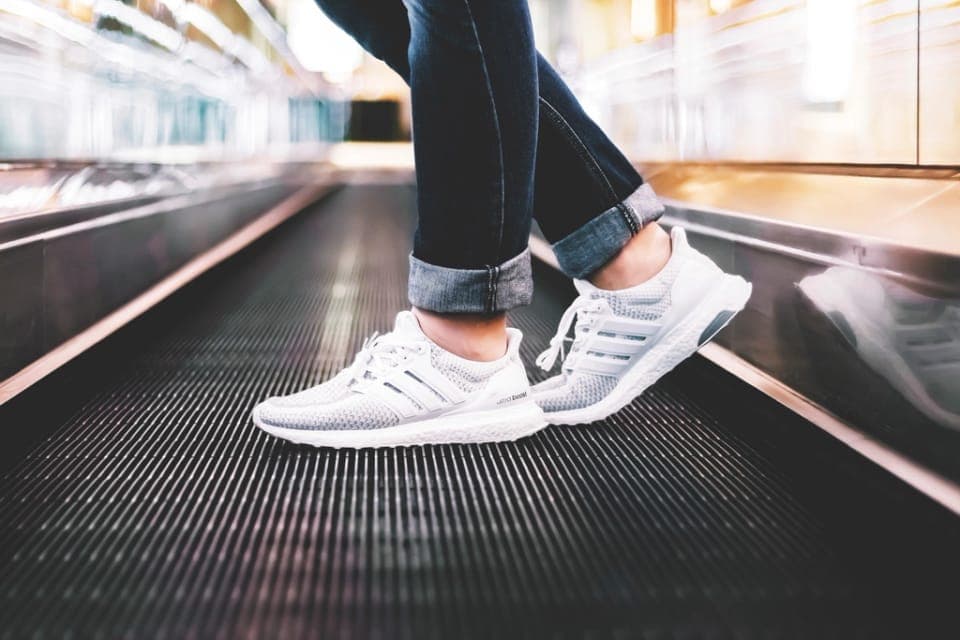 Most cushioned minimal shoeMerrell Trail Glove 7A 14 mm stack, zero drop and a Vibram outsole - the most mainstream way to hike in a minimalist shoe, available waterproof or not. | 14 mm underfoot | |
| 5 |  Later, if it suits youXero Shoes PrioThe closest thing to a default first barefoot shoe: genuinely wide, genuinely flexible, and cheap enough that a failed experiment does not hurt. | After months of comfortable walking |
#ad Prices come from the retailer and change; we never publish a figure we have not verified live. Affiliate disclosure.
You will find pages promising that barefoot shoes cure plantar fasciitis, and pages insisting they cause it. We are not going to join either, because the evidence does not support a confident claim in either direction and this is a condition where getting it wrong costs people months.
What we can honestly say
- Some people report relief after switching, and others get worse. Both outcomes are common enough to be unsurprising, and the research is mixed rather than silent.
- The mechanism cuts both ways. Removing arch support returns load to the plantar fascia. If the fascia is deconditioned, that is a training stimulus. If it is inflamed, that is an aggravation. Same shoe, opposite results.
- A raised heel shortens the calf, and calf tightness is associated with plantar heel pain. So the zero-drop part of the proposition has a plausible mechanism in your favor, separately from the thin-sole part.
- Toe-box width is almost certainly neutral here — it is not the arch. If your shoes also cramp your toes, that is a separate problem worth solving regardless.
What we will not say
That any shoe treats, cures or fixes plantar fasciitis. Shoes are not treatments, we hold no clinical qualification, and a page that promises you a cure is telling you what you want to hear rather than what it knows.
If pain has settled and you want to move toward minimal footwear
This is the scenario where the page is genuinely useful. The lower-risk sequence:
- Start with zero drop and cushioning, not thin soles. You get the calf-lengthening and the flat footbed while the foam keeps absorbing impact. This is the single biggest risk reduction available.
- Keep your current shoes in rotation. Add flat-shoe hours; do not replace your footwear.
- Do the calf and foot work. Calf flexibility and intrinsic foot strength are both plausibly relevant, and a randomized trial has evidenced the strengthening route independently of the shoes. Exercises.
- Judge by the first steps out of bed the next morning. That is the classic plantar-pain signal. If it is worse, you went too far — step back a stage rather than pushing through.
- Give each stage weeks, not days. The studies that measured foot adaptation ran 8 to 16 weeks minimum.
How we chose
The criteria, applied in this order:
- Zero drop, for the calf-length mechanism, which is the part of the proposition with the clearest rationale here.
- Cushioning retained — 11 mm and up, because the thin sole is the part that increases fascia strain.
- A flat footbed rather than contour, so the shoe is a genuine step toward minimal rather than a differently-shaped support.
- A removable insole, so the progression is gradual rather than a jump.
- Width, because cramped toes are worth solving anyway and cost nothing to include.
- Currently sold in the US, verified at build time.
Before you order: fit and transition
Two things matter more than which shoe on this page you pick, and both are free.
Get the size right. Barefoot brands size from internal length rather than from a conventional size label, and you need roughly 10 to 15 mm beyond your longest toe — more than a normal fitting leaves. Measure your feet, then use the sizing guide and the cross-brand table. Sizing up to get a wider shoe does not work: lasts scale in length, so you get heel slip and toes sitting behind the widest part of the shoe.
Build up slowly. The documented risk in this category is bone stress injury from a rushed transition — in one MRI study of 36 runners, 10 of the 19 who spent 10 weeks moving into minimal shoes developed new bone-marrow edema, mostly without symptoms. Keep your current shoes, add minimal-shoe hours gradually, and judge by how your feet feel the next morning. The transition plan.
The picks in detail
Ordered from most cushioned to least, which is the order of increasing risk for this particular reader. Start at the top, and only move down if the mornings stay comfortable.
1. Lowest-risk starting point
Altra Lone Peak 9
Zero drop with 25 mm of cushioning underneath. Not a barefoot shoe and not pretending to be - it is the zero-drop shoe you hike 2,000 miles in.
What works
- Zero drop with real cushioning - the combination almost nobody else offers
- The de facto standard on long-distance hiking trails
- Genuinely wide forefoot in standard width
What does not
- 25 mm of foam means essentially no ground feel
- Outsoles are known to wear out faster than the uppers
Skip these if: You want ground feel or foot strengthening. This shoe gives you neither - it gives you zero drop and comfort.
Specifications as published by the maker and reported by BikeHikeSafari, best barefoot shoes 2026 stated specifications. We have not measured them ourselves. Altra fit profile
2. Best middle step
Xero Shoes Scrambler Low
An 11.5 mm stack with 4 mm of foam and a removable 3.5 mm insole - the most forgiving zero-drop shoe here, and the one we would hand a nervous switcher.
What works
- The removable 3.5 mm insole gives you two shoes in one as your feet adapt
- Enough foam to survive a full day on concrete in week one
- Still flexes and still zero drop
What does not
- 11.5 mm is a lot of shoe if you came for ground feel
- Heavier than the rest of the line
Skip these if: You have already transitioned and want maximum ground feel - this will feel like a normal sneaker.
Specifications as published by the maker and reported by Outdoor Life, best barefoot shoes 2026 stated specifications. We have not measured them ourselves. Xero Shoes fit profile
3. Best for running
Topo Athletic ST-5
A zero-drop road shoe from a brand that builds anatomically wide toe boxes without the barefoot ideology - a soft landing for skeptics.
What works
- Wide toe box with a conventional running-shoe heel fit
- Enough midsole to run road mileage immediately
- Measured and scored in RunRepeat's lab catalog
What does not
- More shoe than most barefoot buyers want
- Narrower size range than the big running brands
Skip these if: You want ground feel. This is a running shoe that happens to be flat.
Specifications as published by the maker and reported by RunRepeat barefoot running shoes catalog. We have not measured them ourselves. All brand fit profiles
4. Most cushioned minimal shoe
Merrell Trail Glove 7
A 14 mm stack, zero drop and a Vibram outsole - the most mainstream way to hike in a minimalist shoe, available waterproof or not.
What works
- Vibram traction that holds on wet rock
- Enough stack to hike a full day on mixed terrain
- Easy to find in stores and easy to return
What does not
- Toe box is moderate, not wide - Merrell's last is narrower than Xero's
- 14 mm is firm cushioning, not soft
Skip these if: You need a genuinely wide or extra-wide forefoot.
Specifications as published by the maker and reported by BikeHikeSafari, best barefoot shoes 2026 stated specifications. We have not measured them ourselves. Merrell fit profile
5. Later, if it suits you
Xero Shoes Prio
The closest thing to a default first barefoot shoe: genuinely wide, genuinely flexible, and cheap enough that a failed experiment does not hurt.
What works
- Removable 2 mm insole, so you can go thinner as your feet adapt
- Wide enough for most square and plateau foot shapes
- Flexes and rolls flat, which is the quickest way to spot a fake minimalist shoe
What does not
- The lacing panel can pressure a high instep
- Thin heel padding is noticeable on hard floors for the first week
Skip these if: You have a high-volume foot and dislike lace pressure across the top, or you need any cushioning at all on day one.
Specifications as published by the maker and reported by Xero Shoes Prio listing specifications. We have not measured them ourselves. Xero Shoes fit profile
Common questions
Do barefoot shoes help plantar fasciitis?
Some people report relief and others get worse; the research is mixed. The zero-drop element has a plausible mechanism via calf length, while the thin sole increases strain on the fascia itself. If you are in pain now, see a podiatrist before changing footwear.
Can barefoot shoes cause plantar fasciitis?
Switching too quickly increases load on the plantar fascia, and that is a plausible route to irritating it. The documented transition injuries in this category are bone-related, but the mechanism here is the same mistake: too much, too soon.
What shoes should I wear if my heel hurts right now?
Whatever reduces the strain while you get it looked at — usually cushioned, with support, and not a new experiment. The right first step is a diagnosis, because plantar heel pain has several possible causes that need distinguishing.
Is zero drop good or bad for plantar fasciitis?
Zero drop lengthens the calf, and calf tightness is associated with plantar heel pain, so the rationale points favorably. That is separate from the thin-sole question, which points the other way — which is exactly why a zero-drop cushioned shoe is the lower-risk option.
How long before I know if it is helping?
Weeks per stage, judged by how the first steps in the morning feel. If mornings are getting worse, step back rather than pushing on.
Sources
- Outdoor Life, best barefoot shoes 2026 — stated stack heights and weights
- RunRepeat barefoot running shoes catalog
- Ridge et al., foot bone marrow edema after 10-week transition to minimal footwear
- Effects of Minimalist Shoes on Plantar Intrinsic Foot Muscle Size and Strength: A Review
- Epidemiology of Shoe Wearing Patterns Over Time in Older Women: Associations With Foot Pain and Hallux Valgus
- Footwear Toe-Box Shape and Medial Forefoot Pressures in Women With Hallux Valgus
- A Comparison of Foot Strengthening versus Minimal Footwear Use on Intrinsic Muscle Size and Strength
- Counseling Runners on Safely Transitioning to Minimal Shoes (University of Florida PM&R)
Accessed October 2026. Where a source is a manufacturer, the specification is theirs as published — we have not measured it.
Read next

Barefoot vs Orthotics
Barefoot shoes vs orthotics
Orthotics share load; barefoot shoes return it. Which you need depends on whether your foot wants rest or training.
By Brijon M. · Updated October 2026
Top pick: Xero Shoes Scrambler Low

Best for Flat Feet
Best barefoot shoes for flat feet (October 2026)
Flexible and rigid flat feet need opposite things. How to tell which you have, and the shoes for the case that fits.
By Brijon M. · Updated October 2026
Top pick: Xero Shoes Scrambler Low

Do barefoot shoes have arch support?
No, by design. Whether that suits you depends on whether your arch is flexible, rigid or already irritated.
By Brijon M. · Updated October 2026
Top pick: Xero Shoes Scrambler Low

Foot strengthening exercises for the transition
Six exercises, fifteen minutes, three times a week — building the capacity minimal shoes demand without the loading risk.
By Brijon M. · Updated October 2026
Top pick: Correct Toes Toe Spacers
Best for Standing All Day
Best barefoot shoes for standing all day (October 2026)
Seven wide shoes for standing shifts, ranked by stack height instead of ground feel, with the anti-fatigue mat nobody else mentions.
By Brijon M. · Updated October 2026
Top pick: Lems Primal Zen
Barefoot shoe problems, and what they mean
Symptom by symptom: which problems are the adaptation working, and the three patterns that mean stop.
By Brijon M. · Updated October 2026
Top pick: Xero Shoes Scrambler Low