Toe box shapes explained
'Wide toe box' is the least standardized phrase in footwear. Here is what to look at instead.
By Brijon M. · Updated October 2026
A toe box has four properties that matter: how wide it is, where its widest point sits, where it starts tapering, and how much the sole curls up at the front. Two shoes can both be marketed as wide and differ on all four.
How this page is funded: some links here are Amazon affiliate links, so we may earn a commission if you buy — at no extra cost to you. It never changes which products we include or how we rank them, and we take no payment from brands for placement. Full disclosure.
Quick picks
Tap any row to jump to the full write-up. Selection is specification-led, not wear-tested — how we choose.
| # | Product | Best for | Price |
|---|---|---|---|
| 1 |  Widest and tallest toe boxLems Primal ZenLems builds one of the roomiest everyday lasts in the category - if other barefoot shoes still feel tight across the toes, start here. | Square feet, hammer toes, prominent joints | |
| 2 | 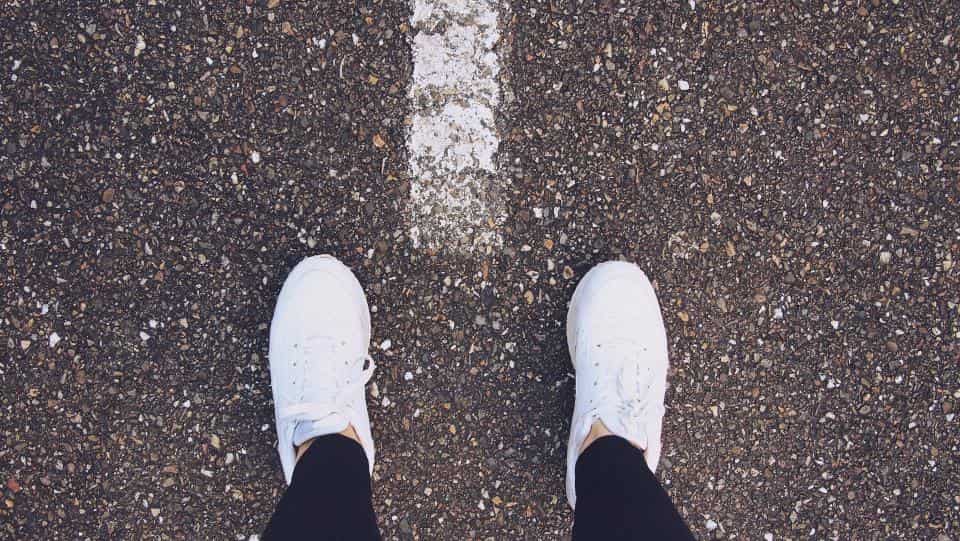 Best foot-shaped taperVivobarefoot Primus Lite IIIA 2 mm sole with 2 mm of tread at 7.9 oz. About as close to barefoot as a closed shoe gets, and the yardstick everything else is measured against. | A clearly longest big toe | |
| 3 |  Widest outdoor lastFreet HowgillFreet's hallmark is a very wide foot shape, and the Howgill is their light, soft hiking option for people whose toes need the room. | Broad forefeet that outgrow 'wide' | See it at Freet #ad — brand-direct link, we earn nothing on it. Why we still list it |
| 4 | 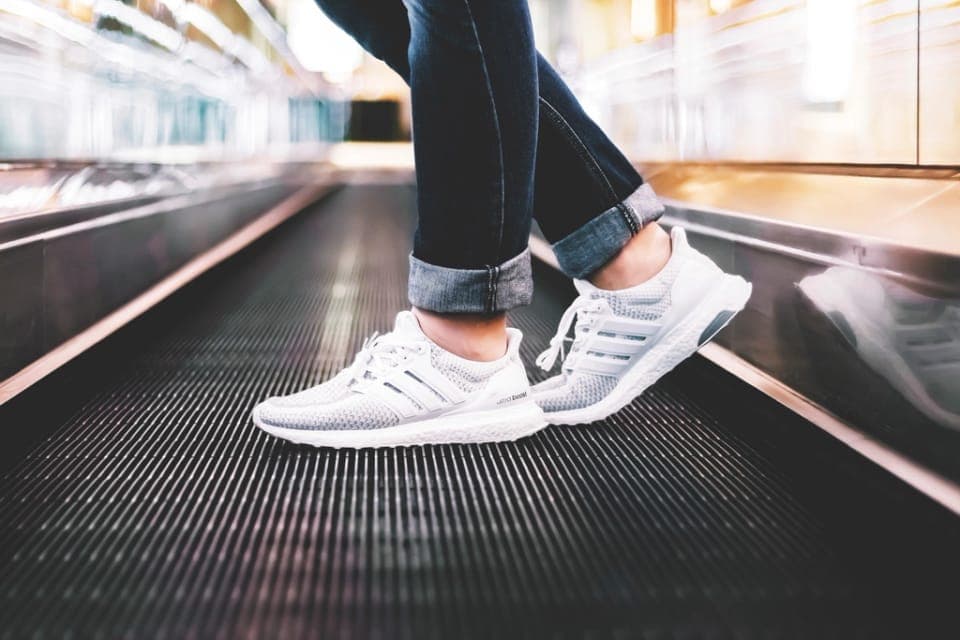 Conventional last, for contrastMerrell Trail Glove 7A 14 mm stack, zero drop and a Vibram outsole - the most mainstream way to hike in a minimalist shoe, available waterproof or not. | Narrow and moderate feet |
#ad Prices come from the retailer and change; we never publish a figure we have not verified live. Affiliate disclosure.
"Wide toe box" appears on tens of thousands of product listings and means nothing in particular. There is no standard, no measurement convention and no certifying body. So rather than trusting the phrase, it is worth knowing the four properties that actually determine whether your toes fit.
1. Width at the ball of the foot
The one people mean when they say wide, and the easiest to check: pull the insole out and stand on it barefoot. If your foot overhangs the insole at the ball, the shoe is narrower than your foot and no break-in will change that.
Brands do not publish forefoot width consistently, which is why fit roundups talk about brand character instead — Merrell's minimalist line is narrow, Xero is wide, Lems and Freet are the widest. Those are descriptive comparisons from people who have handled the shoes, and we cite them rather than asserting a number we have not measured.
2. Where the widest point sits
This is the property that catches people out, and it is the difference between a shoe that is wide and a shoe that is wide where you need it.
Your foot's widest point is at the ball, around the first and fifth metatarsal heads. If a shoe's widest point sits ahead of that — out among the toes — then the shoe is generous in a place your foot is not and tight in the place it is. The symptom is distinctive: a pressure point on the outside edge of your foot, well behind your little toe, in a shoe that looks roomy from above.
How to check: lay the insole over your tracing from how to measure your feet and line up the heels. You can see immediately whether the wide parts coincide.
3. Where the taper starts, and in which direction
Every toe box narrows eventually. What matters is where it starts and whether it narrows symmetrically or to the outside.
A conventional shoe tapers from the ball of the foot toward a point roughly in line with the second toe — which is why your big toe gets pushed laterally and your little toe gets pushed medially. A foot-shaped toe box holds its width much further forward and then tapers down the outside edge, following the natural diagonal from the big toe to the little toe.
Which of those you want depends on your own shape. If your big toe is clearly longest and your toes step down diagonally, an asymmetric taper matches you. If your toes are near-level, you want the width held right to the front edge instead. Foot shape types is the page that works this out.
4. Toe spring — how much the front curls up
Toe spring is the upward curl at the front of the sole. It is near-universal in conventional footwear, where it helps a stiff sole roll forward, and it holds your toes in permanent slight extension.
A genuine barefoot shoe has little or none — the sole sits flat on a table from heel to toe. Plenty of "barefoot-inspired" shoes keep it, and it is easy to miss because it is not visible from above. Put the shoe on a flat surface and look at it from the side at eye level.
The 30-second toe-box assessment
- Pull the insole out and stand on it barefoot. Overhang at the ball means the shoe is too narrow. Full stop.
- Lay the insole over your foot tracing, heels aligned. Does the widest part of the insole sit over the widest part of your foot?
- Look at the insole's front edge. Straight across, rounded, or tapering to a point? Compare that to the front edge of your tracing.
- Set the shoe on a table and view from the side. Does the toe sit flat, or curl up?
- Bend and twist it. A toe box that is wide but encased in a stiff sole still will not let your toes do anything.
Steps one and two are the ones that matter most, and they take ten seconds each with a shoe that has just arrived in the post. Doing them before you walk outside in the shoe keeps the return window open.
Why this is worth the trouble
Research on shoe-wearing patterns in older women found that narrow and very narrow toe boxes worn between the ages of 20 and 39 were associated with a higher likelihood of hallux valgus compared with very wide toe boxes, and cross-sectional work has linked constrictive toe boxes to hallux valgus and foot pain. Over decades, the outline of the box your toes live in appears to matter.
What that evidence does not say is that a wide toe box reverses a bunion you already have — one study of older women with painful hallux valgus found their usual footwear's toe-box shape and fit was not associated with increased medial forefoot pressures. Prevention and treatment are different questions. Bunions, honestly.
The picks in detail
Four shoes chosen to span the geometry rather than to rank: the widest, the asymmetric foot-shaped one, an extra-wide outdoor last, and a conventional-last minimalist shoe for comparison.
1. Widest and tallest toe box
Lems Primal Zen
Lems builds one of the roomiest everyday lasts in the category - if other barefoot shoes still feel tight across the toes, start here.
What works
- Among the widest forefoot shapes available off the shelf
- High enough toe box for a tall big toe or a hammer toe
- Flexes flat and packs small
What does not
- The width that makes it work looks bulbous to some people
- Heel can be loose on a narrow heel
Skip these if: You have a narrow foot - all that room becomes heel slip and a sloppy fit.
Specifications as published by the maker and reported by Lems Shoes product listing, Primal Zen. We have not measured them ourselves. Lems Shoes fit profile
2. Best foot-shaped taper
Vivobarefoot Primus Lite III
A 2 mm sole with 2 mm of tread at 7.9 oz. About as close to barefoot as a closed shoe gets, and the yardstick everything else is measured against.
What works
- The thinnest sole here that still works as an everyday shoe
- Genuinely wide forefoot with a rounded, foot-shaped last
- Ships with access to the brand's own barefoot fundamentals course
What does not
- 4 mm total underfoot is brutal on concrete until your feet adapt
- Low volume through the midfoot - not for a high instep
- The most expensive shoe in most of our roundups
Skip these if: You are transitioning, you have a high-volume foot, or you stand on concrete all day. All three are real reasons to start thicker.
Specifications as published by the maker and reported by Outdoor Life, best barefoot shoes 2026 stated specifications. We have not measured them ourselves. Vivobarefoot fit profile
3. Widest outdoor last
Freet Howgill
Freet's hallmark is a very wide foot shape, and the Howgill is their light, soft hiking option for people whose toes need the room.
What works
- One of the widest hiking lasts available anywhere
- Light and soft rather than stiff and protective
- Flexes properly over uneven ground
What does not
- Soft upper gives no structure on side-slopes
- UK brand, so US buyers deal with international shipping
Skip these if: You carry a heavy pack over rock, or you have a narrow foot.
Specifications as published by the maker and reported by Anya's Reviews, best barefoot hiking boots and shoes. We have not measured them ourselves. All brand fit profiles
4. Conventional last, for contrast
Merrell Trail Glove 7
A 14 mm stack, zero drop and a Vibram outsole - the most mainstream way to hike in a minimalist shoe, available waterproof or not.
What works
- Vibram traction that holds on wet rock
- Enough stack to hike a full day on mixed terrain
- Easy to find in stores and easy to return
What does not
- Toe box is moderate, not wide - Merrell's last is narrower than Xero's
- 14 mm is firm cushioning, not soft
Skip these if: You need a genuinely wide or extra-wide forefoot.
Specifications as published by the maker and reported by BikeHikeSafari, best barefoot shoes 2026 stated specifications. We have not measured them ourselves. Merrell fit profile
Common questions
What does 'wide toe box' actually mean?
Nothing standardized — there is no measurement convention or certifying body behind the phrase. Judge the shoe on four things instead: width at the ball, where the widest point sits, where the taper starts and in which direction, and how much toe spring the sole has.
What is toe spring?
The upward curl at the front of a sole. It holds your toes in slight permanent extension and is near-universal in conventional shoes. A genuine barefoot shoe sits flat from heel to toe on a table.
Why does a wide shoe still pinch my little toe?
Most likely the widest point of the shoe sits ahead of the widest point of your foot, or the taper starts too early. Lay the insole over a tracing of your foot with the heels aligned and you will usually see it immediately.
Is a bigger size the fix for a narrow toe box?
No. Lasts scale mostly in length, so you get a longer shoe with a slipping heel and toes sitting behind the widest part of the shoe. Change brand instead.
Will a wide toe box fix my bunion?
It may stop a shoe making it worse, which is worth a lot. But the evidence that a wider toe box reduces forefoot pressure in people who already have painful hallux valgus is not there, and we are not going to claim it is. See a podiatrist about the bunion itself.
Sources
- Epidemiology of Shoe Wearing Patterns Over Time in Older Women: Associations With Foot Pain and Hallux Valgus
- Footwear Toe-Box Shape and Medial Forefoot Pressures in Women With Hallux Valgus
- Anya's Reviews, best barefoot hiking boots and shoes — brand last comparisons
Accessed October 2026. Where a source is a manufacturer, the specification is theirs as published — we have not measured it.
Read next

Foot shape types, and the toe box each one needs
Four toe-length patterns, how to spot yours on a tracing, and which brands' lasts suit each — crossed against what you need the shoes for.
By Brijon M. · Updated October 2026
Top pick: Lems Primal Zen
How to measure your feet
Paper, pen, four minutes. The standing-trace method, the two mistakes that cost you millimeters, and what to do with the numbers.
By Brijon M. · Updated October 2026
Best Wide Toe Box
Best wide toe box shoes (October 2026)
Seven shoes ranked on last geometry — width at the ball, where that width sits, toe-box height and toe spring.
By Brijon M. · Updated October 2026
Top pick: Lems Primal Zen

Best for Bunions
Best barefoot shoes for bunions (October 2026)
A wide, tall toe box stops the shoe pressing on the joint. Whether it does more is genuinely unsettled, and we say so.
By Brijon M. · Updated October 2026
Top pick: Lems Primal Zen
What are barefoot shoes?
Zero drop, thin and flexible, wide and foot-shaped — and a 20-second test for whether a shoe really is all three.
By Brijon M. · Updated October 2026
Top pick: Xero Shoes Prio