Best Hiking, Men's
The best barefoot hiking shoes for men
Six shoes from 8 mm to 25 mm underfoot. Terrain and pack weight decide which one, not thinness.
By Brijon M. · Updated October 2026
The Xero Shoes Mesa Trail WP is the best barefoot hiking shoe for most men: 8 mm underfoot, zero drop, a genuinely wide toe box and a waterproof upper that costs almost no weight. On rock, or with a heavy pack, step up to the Mesa Summit or the Altra Lone Peak 9 instead.
How this page is funded: some links here are Amazon affiliate links, so we may earn a commission if you buy — at no extra cost to you. It never changes which products we include or how we rank them, and we take no payment from brands for placement. Full disclosure.
Quick picks
Tap any row to jump to the full write-up. Selection is specification-led, not wear-tested — how we choose.
| # | Product | Best for | Price |
|---|---|---|---|
| 1 | 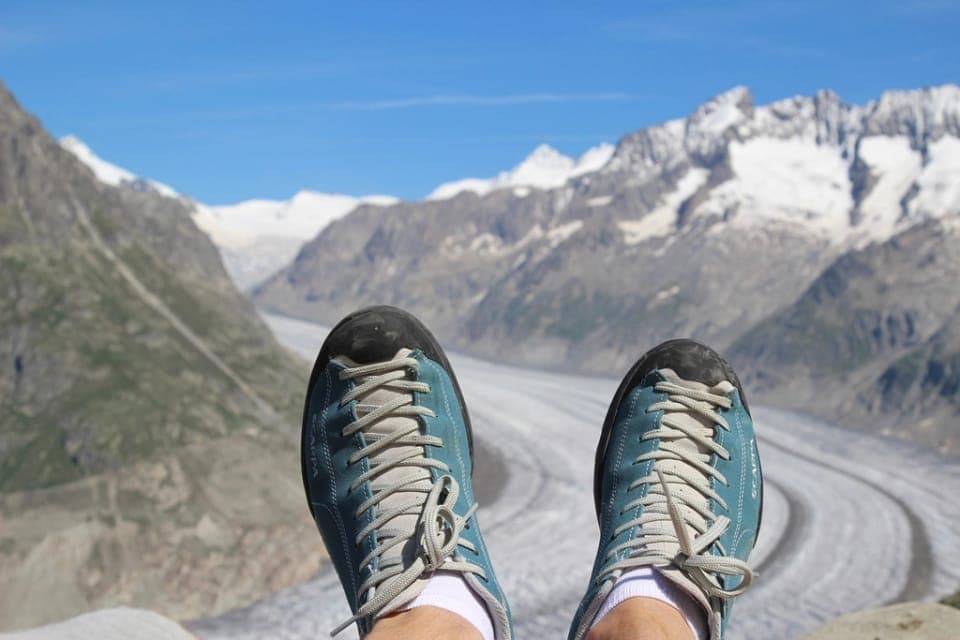 Best overallXero Shoes Mesa Trail WPAn 8 mm stack built from a 5 mm outsole and 3 mm midsole, which keeps real ground feel on trail - the trade-off is that you feel every rock too. | 8 mm, waterproof, wide toe box | |
| 2 | 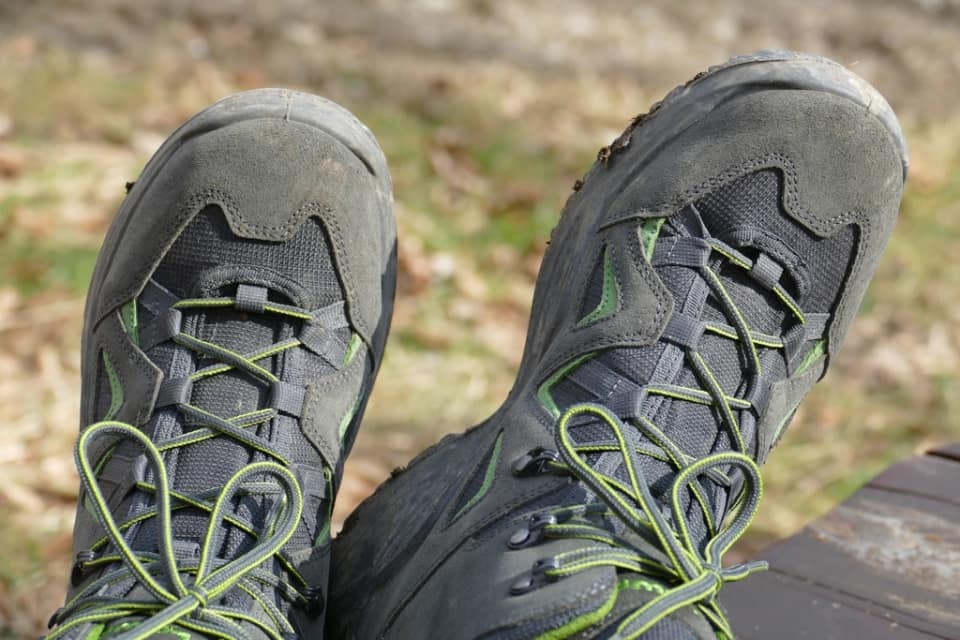 Best on rockXero Shoes Mesa SummitXero's more protective trail shoe: still 0 mm drop, but 9.5 mm at both ends, which is the difference between finishing a rocky descent and limping it. | 9.5 mm and a real toe bumper | |
| 3 |  Easiest to buyMerrell Trail Glove 7A 14 mm stack, zero drop and a Vibram outsole - the most mainstream way to hike in a minimalist shoe, available waterproof or not. | 14 mm, Vibram, in every store | |
| 4 |  Best in mudVivobarefoot Primus Trail III All Weather FGThe top-scoring barefoot shoe in RunRepeat's lab-tested catalog, and the one genuinely thin trail shoe that handles mud and cold rain. | Aggressive lugs on a thin sole | |
| 5 |  Best with a packAltra Lone Peak 9Zero drop with 25 mm of cushioning underneath. Not a barefoot shoe and not pretending to be - it is the zero-drop shoe you hike 2,000 miles in. | Zero drop with 25 mm of cushioning | |
| 6 |  WidestFreet HowgillFreet's hallmark is a very wide foot shape, and the Howgill is their light, soft hiking option for people whose toes need the room. | A very wide forefoot on trail | See it at Freet #ad — brand-direct link, we earn nothing on it. Why we still list it |
#ad Prices come from the retailer and change; we never publish a figure we have not verified live. Affiliate disclosure.
Men's hiking in minimal shoes runs into two things the women's version mostly does not: bigger feet mean longer levers and more load per step, and men are far more likely to be carrying a pack. Both push the same way — toward more material underfoot than the barefoot-shoe internet usually recommends.
So this list is ordered by how much rock gets through, from 8 mm to 25 mm, and the right answer depends on your terrain and your pack rather than on which shoe is most minimal. The women's version of this page is here, and the pick order on it is genuinely different.
The stack-height ladder for trail
The gap between the Mesa Trail and the Mesa Summit is 1.5 mm on paper and much larger in practice, because the Summit adds a proper toe bumper. Thin trail shoes almost all skip that, and a stubbed toe at mile nine on a descent ends the day.
How we chose
The criteria, applied in this order:
- Published stack height at heel and forefoot, so a shoe cannot claim thinness it does not have.
- An outsole and lug pattern matched to a named terrain, rather than treated as a generic trail quality.
- Toe protection stated honestly, including the shoes that have none — on trail this matters more than it does anywhere else.
- Forefoot width, judged from the published fit assessments cited below. A wide toe box is most of the reason to hike in these at all.
- Men's sizing genuinely available, including the larger end of the range where several barefoot brands stop.
- Currently sold in the US, verified at build time.
What a pack does to this decision
Carrying weight changes the arithmetic rather than just making it harder. A loaded pack increases the force through the forefoot on every step and it reduces how much your ankles can correct for an awkward rock, which is exactly what a thin sole asks them to do more of.
Day hiking with a light pack: anything on this page, chosen on terrain. Overnight with 25 to 35 lb: the Mesa Summit or the Trail Glove 7 as a floor, and no thinner. Multi-day with a heavy load, or thru-hiking: the Altra Lone Peak 9, which is the de facto standard shoe on long-distance trails and is zero drop with 25 mm of foam. It gives you the flat platform and the toe room and essentially no ground feel, which on day fourteen is a feature. More on thru-hiking specifically.
Rock is the thing that ends barefoot hikes
Not mud, not water, not distance. Sharp, loose rock. None of the thin shoes here has a rock plate, and 8 mm of rubber over a sharp edge transmits that edge straight into the ball of your foot. It is survivable on a mile of gravel and it is not survivable on a day of talus.
If your hiking is routinely rocky, buy the Mesa Summit or go to a cushioned zero-drop shoe and accept the loss of ground feel. What rocky terrain actually demands, and the hiking-boot comparison if you are weighing a boot instead.
One more honest limitation: people hiking in minimal shoes report calf and arch soreness on climbs long before they report it on flat ground, because a zero-drop shoe loads the calf through a longer range on every uphill step. Build on flat trail before you build on vertical.
Before you order: fit and transition
Two things matter more than which shoe on this page you pick, and both are free.
Get the size right. Barefoot brands size from internal length rather than from a conventional size label, and you need roughly 10 to 15 mm beyond your longest toe — more than a normal fitting leaves. Measure your feet, then use the sizing guide and the cross-brand table. Sizing up to get a wider shoe does not work: lasts scale in length, so you get heel slip and toes sitting behind the widest part of the shoe.
Build up slowly. The documented risk in this category is bone stress injury from a rushed transition — in one MRI study of 36 runners, 10 of the 19 who spent 10 weeks moving into minimal shoes developed new bone-marrow edema, mostly without symptoms. Keep your current shoes, add minimal-shoe hours gradually, and judge by how your feet feel the next morning. The transition plan.
Hiking-specific: size for feet that swell on day two and for the socks you hike in, not for a shop fitting. Most people need a half size more length for trail than for town, and toes hitting the front on a descent is the commonest barefoot-hiking complaint there is.
The picks in detail
Six hiking shoes in men's sizing, ordered by how much ground they let through, with published specs, honest cons and a 'skip these if' on every one.
1. Best overall
Xero Shoes Mesa Trail WP
An 8 mm stack built from a 5 mm outsole and 3 mm midsole, which keeps real ground feel on trail - the trade-off is that you feel every rock too.
What works
- Among the thinnest genuinely trail-rated soles you can buy
- Waterproof version adds very little weight
- Lugs bite on loose dirt without feeling like a plate underfoot
What does not
- No rock plate, so sharp gravel is punishing
- A waterproof membrane in a thin shoe means slow drying once water gets in over the collar
Skip these if: You hike rocky or scree-heavy terrain, or you are in your first month out of cushioned shoes.
Specifications as published by the maker and reported by Blister Review, Xero Mesa Trail stated specifications. We have not measured them ourselves. Xero Shoes fit profile
2. Best on rock
Xero Shoes Mesa Summit
Xero's more protective trail shoe: still 0 mm drop, but 9.5 mm at both ends, which is the difference between finishing a rocky descent and limping it.
What works
- The extra millimeter over the Mesa Trail is noticeable on rock
- Proper toe bumper, which thin trail shoes usually skip
- Zero drop confirmed at both ends
What does not
- Heavier than the rest of the Xero trail line
- Less ground feel, which is the point but will disappoint purists
Skip these if: Ground feel is your primary reason for buying barefoot shoes at all.
Specifications as published by the maker and reported by REI product specifications, Xero Shoes Mesa Summit. We have not measured them ourselves. Xero Shoes fit profile
3. Easiest to buy
Merrell Trail Glove 7
A 14 mm stack, zero drop and a Vibram outsole - the most mainstream way to hike in a minimalist shoe, available waterproof or not.
What works
- Vibram traction that holds on wet rock
- Enough stack to hike a full day on mixed terrain
- Easy to find in stores and easy to return
What does not
- Toe box is moderate, not wide - Merrell's last is narrower than Xero's
- 14 mm is firm cushioning, not soft
Skip these if: You need a genuinely wide or extra-wide forefoot.
Specifications as published by the maker and reported by BikeHikeSafari, best barefoot shoes 2026 stated specifications. We have not measured them ourselves. Merrell fit profile
4. Best in mud
Vivobarefoot Primus Trail III All Weather FG
The top-scoring barefoot shoe in RunRepeat's lab-tested catalog, and the one genuinely thin trail shoe that handles mud and cold rain.
What works
- Aggressive firm-ground lugs that clear mud instead of packing it
- All-weather upper without a stiff waterproof membrane
- Scores highest of any barefoot shoe in RunRepeat's measured catalog
What does not
- Thin sole plus aggressive lugs is a strange feel on hard-packed trail
- Premium price for a shoe you will wear out
Skip these if: Most of your miles are road or hard-packed gravel.
Specifications as published by the maker and reported by RunRepeat barefoot running shoes catalog. We have not measured them ourselves. Vivobarefoot fit profile
5. Best with a pack
Altra Lone Peak 9
Zero drop with 25 mm of cushioning underneath. Not a barefoot shoe and not pretending to be - it is the zero-drop shoe you hike 2,000 miles in.
What works
- Zero drop with real cushioning - the combination almost nobody else offers
- The de facto standard on long-distance hiking trails
- Genuinely wide forefoot in standard width
What does not
- 25 mm of foam means essentially no ground feel
- Outsoles are known to wear out faster than the uppers
Skip these if: You want ground feel or foot strengthening. This shoe gives you neither - it gives you zero drop and comfort.
Specifications as published by the maker and reported by BikeHikeSafari, best barefoot shoes 2026 stated specifications. We have not measured them ourselves. Altra fit profile
6. Widest
Freet Howgill
Freet's hallmark is a very wide foot shape, and the Howgill is their light, soft hiking option for people whose toes need the room.
What works
- One of the widest hiking lasts available anywhere
- Light and soft rather than stiff and protective
- Flexes properly over uneven ground
What does not
- Soft upper gives no structure on side-slopes
- UK brand, so US buyers deal with international shipping
Skip these if: You carry a heavy pack over rock, or you have a narrow foot.
Specifications as published by the maker and reported by Anya's Reviews, best barefoot hiking boots and shoes. We have not measured them ourselves. All brand fit profiles
Common questions
What are the best barefoot hiking shoes for men?
The Xero Shoes Mesa Trail WP for most men: 8 mm underfoot, zero drop, a wide toe box and waterproofing that adds almost no weight. For rocky ground the Mesa Summit at 9.5 mm with a toe bumper; with a heavy pack, the Altra Lone Peak 9.
Can you hike in barefoot shoes?
Yes, on dirt, grass and hard-packed trail once your feet have adapted, and it is genuinely better for footing and toe room. Sharp rock is the limit: no thin shoe here has a rock plate, and talus or scree will end the day.
Do you need ankle support for hiking?
A boot cuff restricts ankle motion rather than preventing a roll, and the strength that prevents one is built over months. That said, going straight from boots to a thin low-cut shoe on loose ground with a pack is how people get hurt. Build up on easy terrain.
What size barefoot hiking shoe should I buy?
Usually a half size longer than your town shoes. Feet swell over a day on trail, you will be in thicker socks, and toes hitting the front of the shoe on a long descent is the most common complaint in this category. Measure in your hiking socks.
Are barefoot shoes good for hiking with a heavy pack?
Thin ones are not, for most people. A loaded pack raises forefoot force on every step and cuts how much your ankle can correct. With 25 lb or more, treat the Mesa Summit or Trail Glove 7 as a floor and consider the cushioned Lone Peak 9.
Sources
- Outdoor Life, best barefoot shoes 2026 — stated stack heights and weights
- RunRepeat barefoot running shoes catalog
- Ridge et al., foot bone marrow edema after 10-week transition to minimal footwear
Accessed October 2026. Where a source is a manufacturer, the specification is theirs as published — we have not measured it.
Read next
Best Hiking Shoes
Best barefoot hiking shoes (October 2026)
Seven hiking shoes ranked by the terrain each actually handles, with a stack-height ladder and the honest limits.
By Brijon M. · Updated October 2026
Top pick: Merrell Trail Glove 7
Best Hiking Shoes for Women
Best barefoot hiking shoes for women (October 2026)
Six women's-sizing hiking shoes ranked on heel security and terrain — plus why heel slip matters on a descent.
By Brijon M. · Updated October 2026
Top pick: Merrell Trail Glove 7
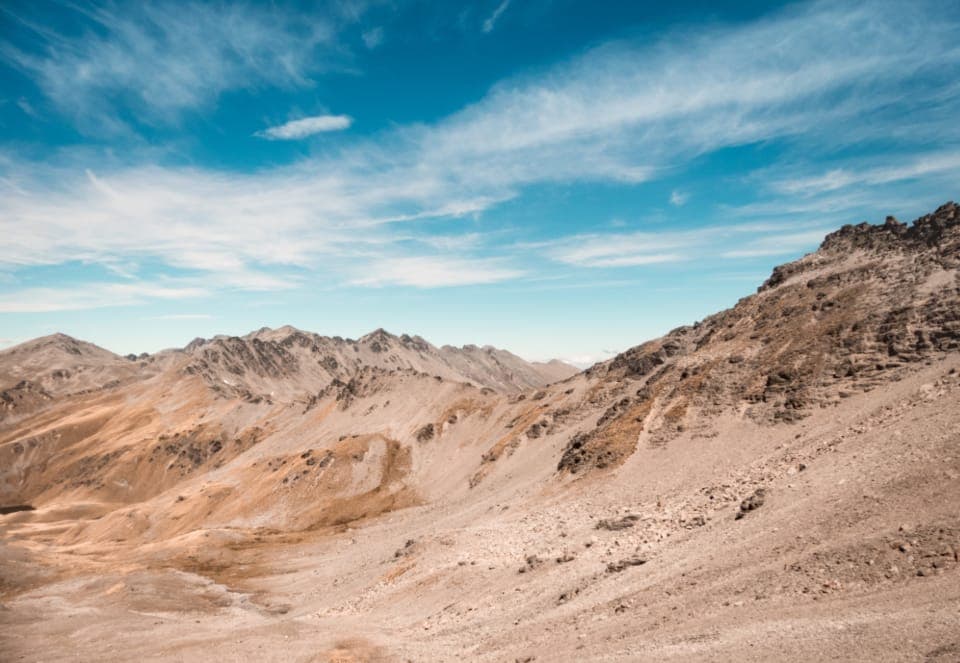
Barefoot shoes on rocky terrain
The clearest limit in the category, with a specific cause: no rock plate. Which rock is a problem, and how much stack you need.
By Brijon M. · Updated October 2026
Top pick: Altra Lone Peak 9
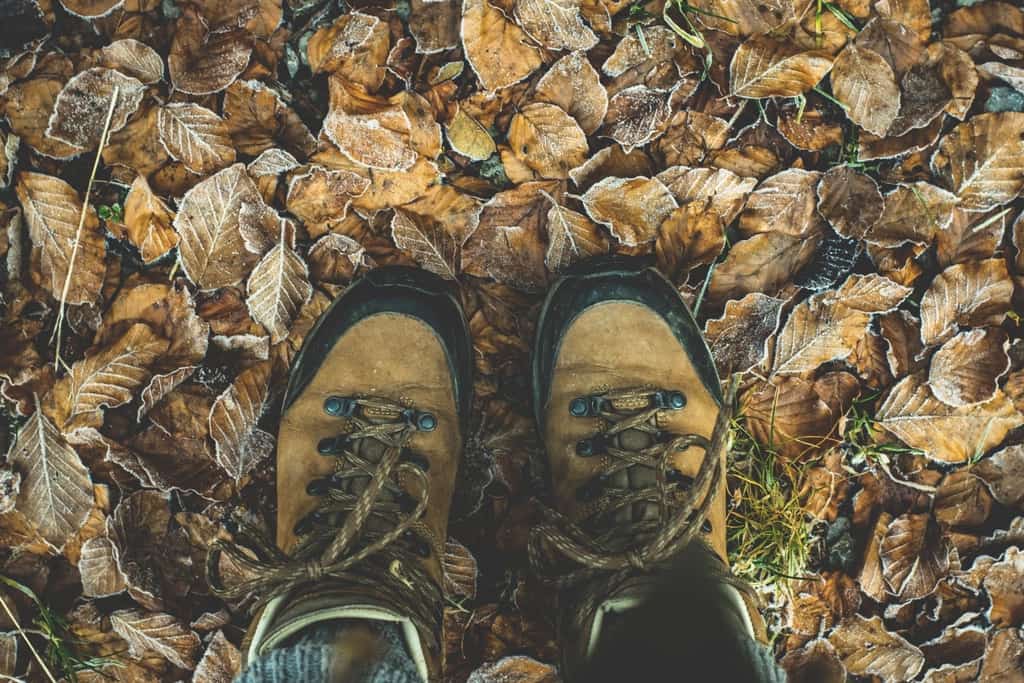
Barefoot hiking and ankle support
Both camps are describing something real. The three variables that decide which applies, and how to train the active defense.
By Brijon M. · Updated October 2026
Top pick: Vivobarefoot Tracker (Leather AT / Tracker II)
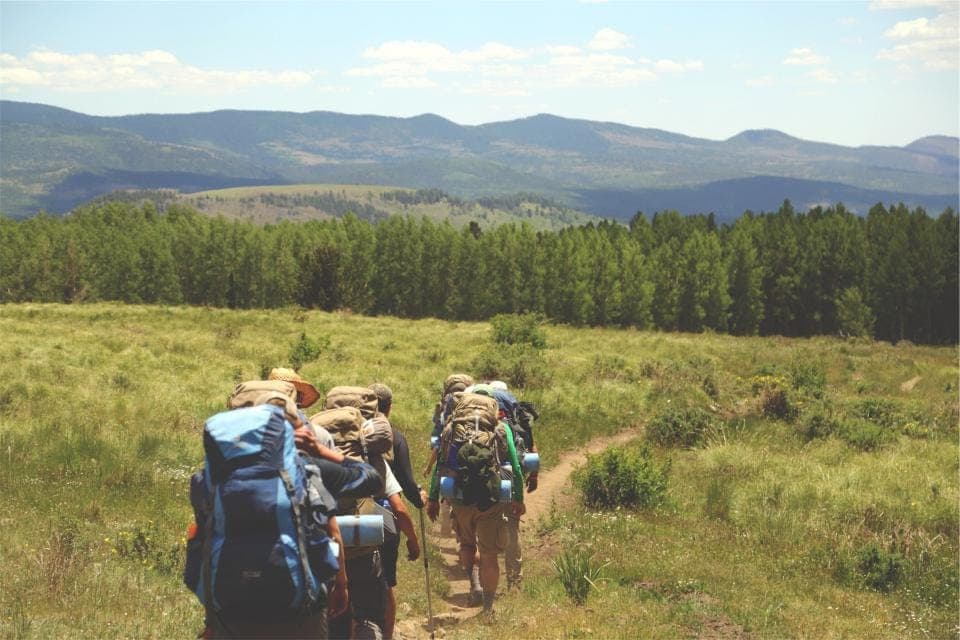
Best for Thru-Hiking
Best shoes for thru-hiking (October 2026)
Why the long-trail standard is zero drop and cushioned rather than minimal — and when thin genuinely works.
By Brijon M. · Updated October 2026
Top pick: Altra Lone Peak 9
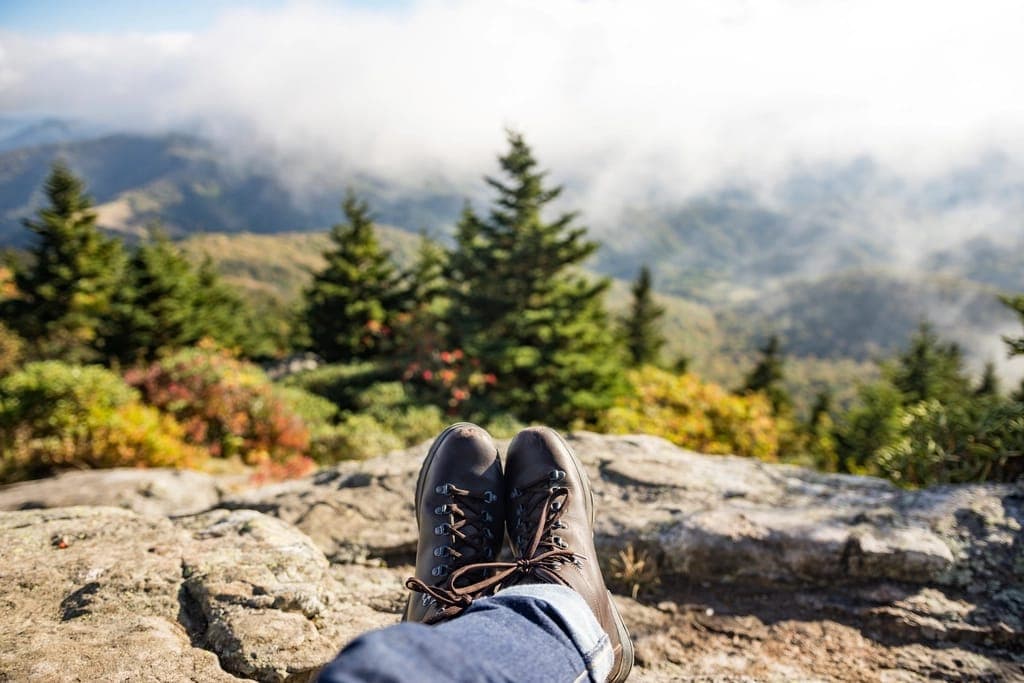
Barefoot vs Hiking Boots
Barefoot shoes vs hiking boots
Load and terrain decide it. The ankle-support argument given a fair hearing from both sides, plus two middle options.
By Brijon M. · Updated October 2026
Top pick: Vivobarefoot Tracker (Leather AT / Tracker II)