Barefoot vs Hiking Boots
Barefoot shoes vs hiking boots
Load and terrain decide this, not philosophy. Here is where each one is genuinely the better tool.
By Brijon M. · Updated October 2026
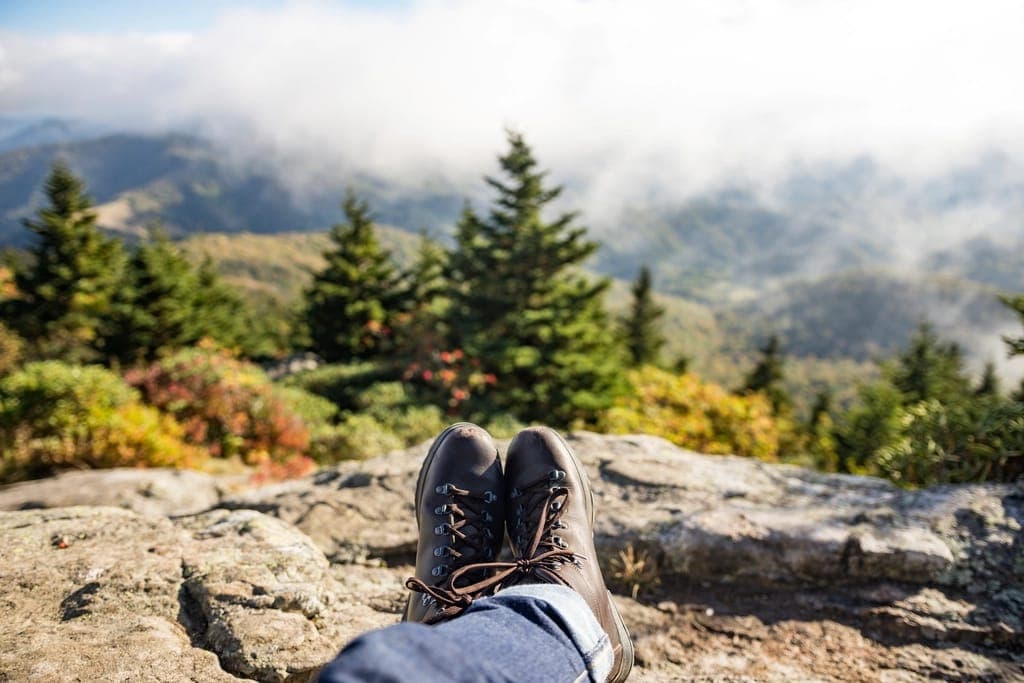
A stiff boot restricts ankle motion and protects against rough ground and heavy loads. A flexible minimal shoe lets your ankle sense and correct, weighs far less, and transmits whatever is underfoot. Light pack on reasonable trail favors the shoe; heavy load on broken ground favors the boot.
How this page is funded: some links here are Amazon affiliate links, so we may earn a commission if you buy — at no extra cost to you. It never changes which products we include or how we rank them, and we take no payment from brands for placement. Full disclosure.
Quick picks
Tap any row to jump to the full write-up. Selection is specification-led, not wear-tested — how we choose.
| # | Product | Best for | Price |
|---|---|---|---|
| 1 |  Best barefoot bootVivobarefoot Tracker (Leather AT / Tracker II)Roughly a pound a pair, zero drop, water-resistant leather over the ankle. The default answer when someone wants a real boot that is still a barefoot shoe. | Weather protection, flexible platform | |
| 2 | 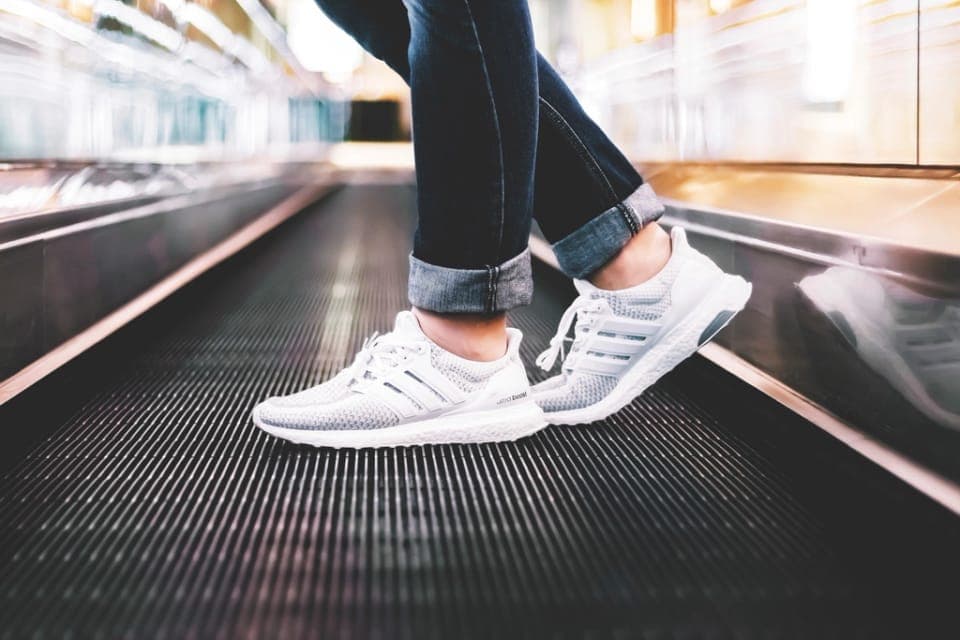 Best minimal shoeMerrell Trail Glove 7A 14 mm stack, zero drop and a Vibram outsole - the most mainstream way to hike in a minimalist shoe, available waterproof or not. | 14 mm, Vibram, day hiking | |
| 3 |  Best for heavy loadsAltra Lone Peak 9Zero drop with 25 mm of cushioning underneath. Not a barefoot shoe and not pretending to be - it is the zero-drop shoe you hike 2,000 miles in. | 25 mm, zero drop, wide | |
| 4 |  Best first trail shoeXero Shoes Scrambler LowAn 11.5 mm stack with 4 mm of foam and a removable 3.5 mm insole - the most forgiving zero-drop shoe here, and the one we would hand a nervous switcher. | 11.5 mm, removable insole |
#ad Prices come from the retailer and change; we never publish a figure we have not verified live. Affiliate disclosure.
This argument generates more heat than most and it has a boring answer: load and terrain decide it. Both tools are correct for different conditions and neither is correct for all of them.
Side by side
The ankle support question, properly
This is the crux, so it deserves more than a slogan from either side.
The case for a stiff cuff: restricted ankle motion is harder to roll. Under a heavy pack on broken ground, where your balance corrections are slower and the consequence of a roll is worse, that restriction is genuinely protective.
The case against: a cuff also reduces your ankle's ability to sense and correct a developing roll, and means the muscles that would have done that get less practice. Over years, that is a capability you are outsourcing.
Which effect dominates depends on three things: how heavy your pack is, how broken the ground is, and how strong your ankles currently are. That last one is the variable you can change, and it is the one both camps ignore. Longer version.
Choose the boot if...
- You are carrying a heavy multi-day pack.
- Your route involves extended scree, talus or sharp rock.
- You are coming back from an ankle injury.
- Conditions are genuinely cold or deep-wet.
- You hike occasionally and have not built ankle and foot strength.
Choose the minimal shoe if...
- Day hikes with a light pack on reasonable trail.
- Your ankles and feet are strong, or you want them to become so.
- Your route has water crossings — thin shoes drain and dry far faster.
- Weight matters to you, which it does more than most people realize over a day.
- Your toes are cramped in conventional boots, which is extremely common.
The option in the middle
There are two, and they are both better choices than this argument usually allows.
A barefoot hiking boot — the Vivobarefoot Tracker — gives you over-the-ankle weather protection and a puncture-resistant outsole on a flat, flexible platform. You get the boot's weather and abrasion benefits without the motion restriction, and you do not get the underfoot protection of a shanked boot.
A cushioned zero-drop trail shoe — the Altra Lone Peak — gives you a wide toe box, a flat platform and 25 mm of protection, which is the configuration most long-distance hikers converge on. Thru-hiking.
The picks in detail
Four options across the range, including both middle grounds.
1. Best minimal shoe
Merrell Trail Glove 7
A 14 mm stack, zero drop and a Vibram outsole - the most mainstream way to hike in a minimalist shoe, available waterproof or not.
What works
- Vibram traction that holds on wet rock
- Enough stack to hike a full day on mixed terrain
- Easy to find in stores and easy to return
What does not
- Toe box is moderate, not wide - Merrell's last is narrower than Xero's
- 14 mm is firm cushioning, not soft
Skip these if: You need a genuinely wide or extra-wide forefoot.
Specifications as published by the maker and reported by BikeHikeSafari, best barefoot shoes 2026 stated specifications. We have not measured them ourselves. Merrell fit profile
2. Best barefoot boot
Vivobarefoot Tracker (Leather AT / Tracker II)
Roughly a pound a pair, zero drop, water-resistant leather over the ankle. The default answer when someone wants a real boot that is still a barefoot shoe.
What works
- Over-the-ankle leather that actually sheds weather
- Puncture-resistant outsole, which almost no thin boot offers
- Ankle padding without an ankle-stiffening cuff
What does not
- Thinner underfoot than the work boots it gets compared to
- Low volume - a wide foot with a high instep will struggle
- No safety toe, so it is not site-legal work footwear
Skip these if: You need a safety-rated toe cap, or you carry heavy loads over rock and want underfoot protection.
Specifications as published by the maker and reported by Anya's Reviews, zero-drop and minimalist work boots. We have not measured them ourselves. Vivobarefoot fit profile
3. Best for heavy loads
Altra Lone Peak 9
Zero drop with 25 mm of cushioning underneath. Not a barefoot shoe and not pretending to be - it is the zero-drop shoe you hike 2,000 miles in.
What works
- Zero drop with real cushioning - the combination almost nobody else offers
- The de facto standard on long-distance hiking trails
- Genuinely wide forefoot in standard width
What does not
- 25 mm of foam means essentially no ground feel
- Outsoles are known to wear out faster than the uppers
Skip these if: You want ground feel or foot strengthening. This shoe gives you neither - it gives you zero drop and comfort.
Specifications as published by the maker and reported by BikeHikeSafari, best barefoot shoes 2026 stated specifications. We have not measured them ourselves. Altra fit profile
4. Best first trail shoe
Xero Shoes Scrambler Low
An 11.5 mm stack with 4 mm of foam and a removable 3.5 mm insole - the most forgiving zero-drop shoe here, and the one we would hand a nervous switcher.
What works
- The removable 3.5 mm insole gives you two shoes in one as your feet adapt
- Enough foam to survive a full day on concrete in week one
- Still flexes and still zero drop
What does not
- 11.5 mm is a lot of shoe if you came for ground feel
- Heavier than the rest of the line
Skip these if: You have already transitioned and want maximum ground feel - this will feel like a normal sneaker.
Specifications as published by the maker and reported by Outdoor Life, best barefoot shoes 2026 stated specifications. We have not measured them ourselves. Xero Shoes fit profile
Common questions
Do I need hiking boots or will minimal shoes do?
Day hikes with a light pack on reasonable trail: minimal shoes work well. Heavy multi-day packs, scree or sharp rock: a boot is the better tool. Load and terrain decide it, not philosophy.
Do hiking boots prevent ankle rolls?
A stiff cuff restricts motion, which is harder to roll — genuinely protective under heavy loads on broken ground. It also reduces your ankle's own ability to sense and correct, and gives the relevant muscles less practice.
Are barefoot boots a real alternative?
Yes, for weather. The Vivobarefoot Tracker gives over-the-ankle protection and a puncture-resistant outsole on a flexible platform. It does not give you the underfoot protection of a shanked boot.
Which is better for wet conditions?
For deep standing water and cold, a boot. For routes with crossings, a thin draining shoe — it dries in hours rather than days, and a wet boot stays wet.
Can I switch from boots to minimal shoes for hiking?
Yes, gradually. Start with day hikes and a light pack on good trail, and build ankle and foot strength deliberately rather than relying on the hikes to do it. Exercises.
Sources
- Outdoor Life, best barefoot shoes 2026 — stated stack heights and weights
- RunRepeat barefoot running shoes catalog
- Ridge et al., foot bone marrow edema after 10-week transition to minimal footwear
- BikeHikeSafari, best barefoot minimalist shoes for hiking and backpacking 2026
- Anya's Reviews, best barefoot hiking boots and shoes
- Outdoor Life, best barefoot shoes 2026 — stated stack heights and weights
Accessed October 2026. Where a source is a manufacturer, the specification is theirs as published — we have not measured it.
Read next

Barefoot hiking and ankle support
Both camps are describing something real. The three variables that decide which applies, and how to train the active defense.
By Brijon M. · Updated October 2026
Top pick: Vivobarefoot Tracker (Leather AT / Tracker II)

Best Hiking Boots
Best barefoot hiking boots (October 2026)
Five zero-drop boots with real weather protection — and an explicit note that none of them is safety-rated.
By Brijon M. · Updated October 2026
Top pick: Vivobarefoot Tracker (Leather AT / Tracker II)
Best Hiking Shoes
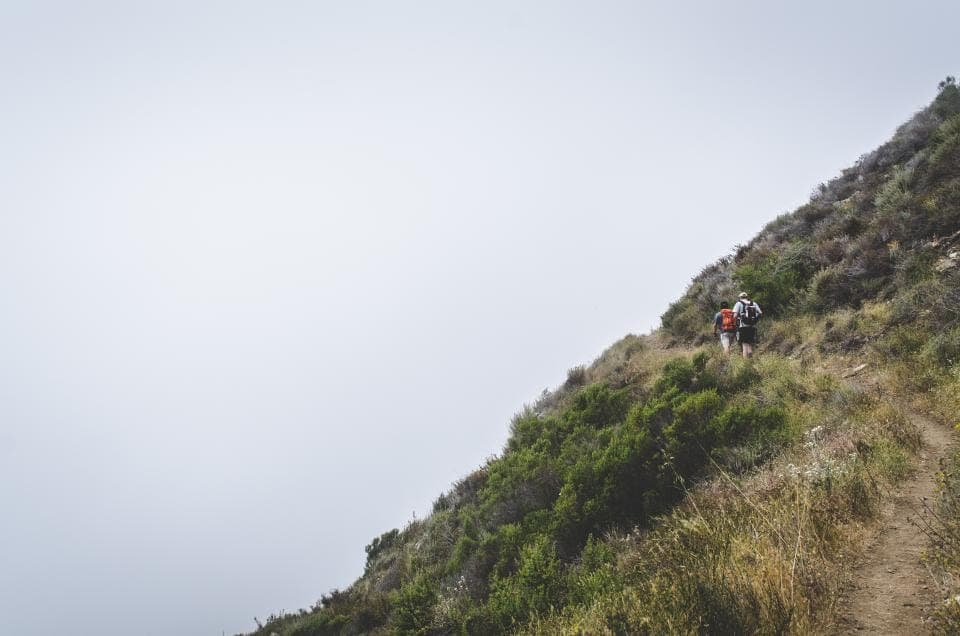
Best barefoot hiking shoes (October 2026)
Seven hiking shoes ranked by the terrain each actually handles, with a stack-height ladder and the honest limits.
By Brijon M. · Updated October 2026
Top pick: Merrell Trail Glove 7

Best for Thru-Hiking
Best shoes for thru-hiking (October 2026)
Why the long-trail standard is zero drop and cushioned rather than minimal — and when thin genuinely works.
By Brijon M. · Updated October 2026
Top pick: Altra Lone Peak 9
Are barefoot shoes good for hiking?
A terrain-by-terrain verdict table, why soft ground suits them, and the missing rock plate that explains the failures.
By Brijon M. · Updated October 2026
Top pick: Merrell Trail Glove 7

Foot strengthening exercises for the transition
Six exercises, fifteen minutes, three times a week — building the capacity minimal shoes demand without the loading risk.
By Brijon M. · Updated October 2026
Top pick: Correct Toes Toe Spacers