Barefoot vs Water Shoes
Barefoot shoes vs water shoes
The overlap is almost total. Drainage, drying and wet grip are the three things that actually differ.
By Brijon M. · Updated October 2026
A water shoe is usually a minimal shoe with drainage holes and a quick-drying upper, so you often do not need both. Buy a dedicated water shoe if you will be fully submerged regularly; otherwise a thin knit barefoot shoe or a strapped sandal already does the job for most wet-weather use.
How this page is funded: some links here are Amazon affiliate links, so we may earn a commission if you buy — at no extra cost to you. It never changes which products we include or how we rank them, and we take no payment from brands for placement. Full disclosure.

Quick picks
Tap any row to jump to the full write-up. Selection is specification-led, not wear-tested — how we choose.
| # | Product | Best for | Price |
|---|---|---|---|
| 1 | 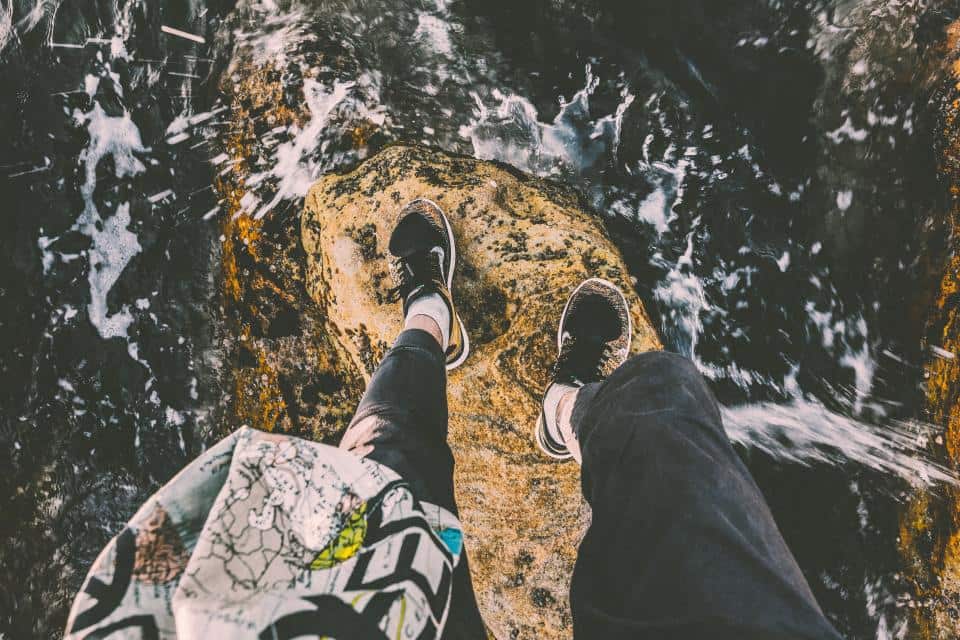 Best water shoeSaguaro Dive IV Water ShoesA stretchy knit water shoe with a removable honeycomb insole - the cheap, sensible answer for river crossings and lake swims. | Full submersion, drains and dries fast | |
| 2 |  Best crossoverXero Shoes Z-Trail EVAn 11 mm three-layer sole at under 11 oz that rolls up into a jacket pocket - the most practical barefoot sandal for people who are not sandal people. | 11 mm sandal that does both jobs | |
| 3 | 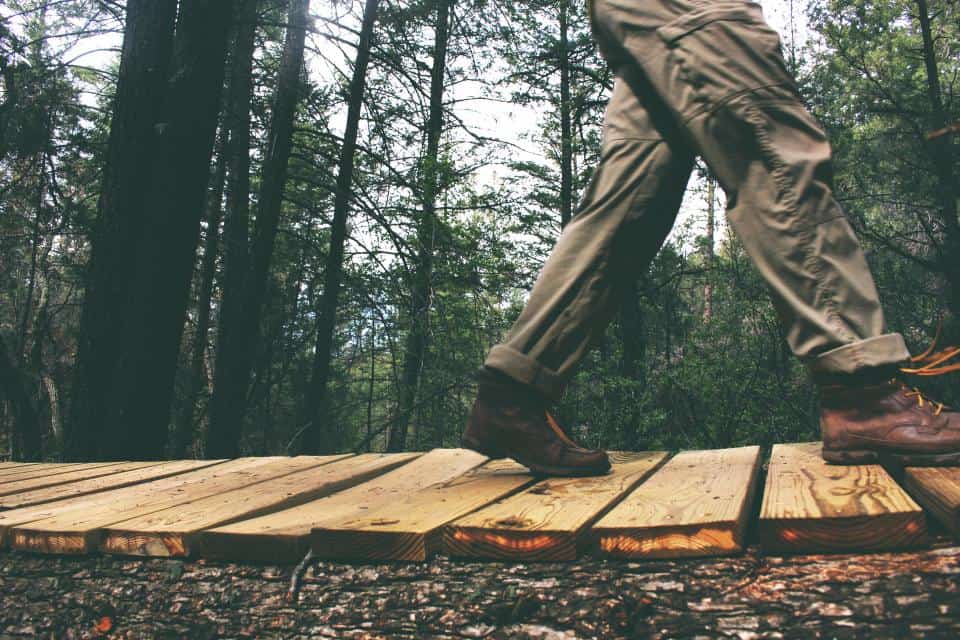 Best wet-trail shoeVivobarefoot Primus Trail III All Weather FGThe top-scoring barefoot shoe in RunRepeat's lab-tested catalog, and the one genuinely thin trail shoe that handles mud and cold rain. | Water-resistant, all-weather trail | |
| 4 |  Best narrow optionMerrell Vapor Glove 6An 8 mm stack with a Vibram outsole and a deliberately snug toe box - which makes it the wrong shoe for splay and the right shoe for a narrow foot. | 8 mm mesh that dries quickly |
#ad Prices come from the retailer and change; we never publish a figure we have not verified live. Affiliate disclosure.
If you already own barefoot shoes, you may not need water shoes at all — and that is the honest answer to the question, even though it sells fewer shoes. A water shoe is, structurally, a minimal shoe: thin flexible sole, no heel lift, no supportive midsole, usually a stretchy knit upper. The category overlap is close to total.
Three things genuinely differ, and only the first one is likely to change what you buy.
The three real differences
Everything in the lower half of that table is why a water shoe is not simply a better barefoot shoe. Wear one as your everyday pair for a month on dry ground and the upper will tell you about it.
Which one you need
Buy a dedicated water shoe if your feet are going to be properly submerged on a regular basis: pools, boats, canyoning, repeated stream crossings, shared showers. It is a cheap, light, specialized item and it is better at that job than anything else, including a sandal.
Do not bother if your actual problem is wet weather rather than water. A thin knit barefoot shoe already drains and dries fast, and for rain the question you want is waterproofing rather than drainage — the waterproof roundup covers the three honest routes to dry feet.
Consider a sandal instead if you want one thing that does both. The Xero Shoes Z-Trail EV is webbing and rubber, so it drains instantly, and at 11 mm with a proper strap system it walks a trail or a town afterwards. For most people a barefoot sandal is the better crossover purchase than a water shoe, and it packs smaller too.
Wet grip is the underrated one
Of the three differences, grip is the one that carries real consequence and gets the least attention. Wet rock, slick concrete and pool surrounds are where injuries actually happen, and outsole compound varies far more between shoes than between categories.
A minimal trail shoe with a proper rubber compound and lugs — the Vivobarefoot Primus Trail III, for instance, or anything on the rocky terrain page — will outgrip a basic water shoe on wet stone. A smooth city sole will not. If your wet surfaces are natural and uneven, buy for the outsole rather than for the word "water" in the product name.
If you have already decided you want the dedicated item, the full water shoe roundup ranks them, and the hiking shoe roundup covers the wet-trail end of the overlap.
The picks in detail
One dedicated water shoe, one sandal that does both jobs, and two minimal shoes that handle wet ground without being water shoes.
1. Best water shoe
Saguaro Dive IV Water Shoes
A stretchy knit water shoe with a removable honeycomb insole - the cheap, sensible answer for river crossings and lake swims.
What works
- Drains and dries fast
- Removable insole, so it doubles as a very thin everyday shoe
- Grippy enough on wet, smooth rock
What does not
- No protection against anything sharp underfoot
- Knit upper collects sand and grit
Skip these if: You are scrambling on sharp rock or hiking into the water crossing rather than just across it.
Specifications as published by the maker and reported by Saguaro Dive IV product listing specifications. We have not measured them ourselves. Saguaro fit profile
2. Best crossover
Xero Shoes Z-Trail EV
An 11 mm three-layer sole at under 11 oz that rolls up into a jacket pocket - the most practical barefoot sandal for people who are not sandal people.
What works
- Rolls up small enough to pack as a camp or travel second shoe
- The strap system adjusts in three places, which solves most volume problems
- Lightest practical choice for water and heat
What does not
- Strap break-in can rub the top of the foot
- Less grip on wet rock than a Vibram-soled sandal
Skip these if: You need technical traction for river crossings or scrambling - a Vibram Megagrip sandal is the better buy.
Specifications as published by the maker and reported by Greenbelly, best minimalist and running sandals specifications. We have not measured them ourselves. Xero Shoes fit profile
3. Best wet-trail shoe
Vivobarefoot Primus Trail III All Weather FG
The top-scoring barefoot shoe in RunRepeat's lab-tested catalog, and the one genuinely thin trail shoe that handles mud and cold rain.
What works
- Aggressive firm-ground lugs that clear mud instead of packing it
- All-weather upper without a stiff waterproof membrane
- Scores highest of any barefoot shoe in RunRepeat's measured catalog
What does not
- Thin sole plus aggressive lugs is a strange feel on hard-packed trail
- Premium price for a shoe you will wear out
Skip these if: Most of your miles are road or hard-packed gravel.
Specifications as published by the maker and reported by RunRepeat barefoot running shoes catalog. We have not measured them ourselves. Vivobarefoot fit profile
4. Best narrow option
Merrell Vapor Glove 6
An 8 mm stack with a Vibram outsole and a deliberately snug toe box - which makes it the wrong shoe for splay and the right shoe for a narrow foot.
What works
- Vibram outsole grips far better than the price suggests
- Fits a narrow foot without heel slip, which most barefoot shoes cannot do
- Very low stack with real ground feel
What does not
- Restrictive toe box - it is not a wide-toe-box shoe and does not claim to be
- Minimal protection underfoot
Skip these if: You are buying barefoot shoes because your toes are cramped. This shoe will cramp them.
Specifications as published by the maker and reported by Outdoor Life, best barefoot shoes 2026 stated specifications. We have not measured them ourselves. Merrell fit profile
Common questions
Can I use barefoot shoes as water shoes?
Usually yes, if the upper is mesh or knit — those drain and dry quickly and the sole is already thin and flexible. Avoid anything with a waterproof membrane or a leather upper, which hold water once it gets in.
Are water shoes the same as barefoot shoes?
Structurally they are very close: thin flexible sole, no heel lift, no supportive midsole, wide stretchy upper. Water shoes add drainage and faster drying and give up durability on dry ground.
Do I need water shoes if I own barefoot sandals?
Probably not. A webbing-and-rubber sandal like the Z-Trail EV drains instantly, dries in minutes and still walks a trail afterwards, which makes it the better single purchase for most people.
Which grips better on wet rock?
Whichever has the better rubber compound and tread, not whichever is called a water shoe. A minimal trail shoe with real lugs usually beats a basic knit water shoe on wet stone.
Are waterproof shoes good for river crossings?
No — they are among the worst choices. A membrane stops water entering up to the collar and then traps whatever gets in above it. For immersion you want drainage, not sealing.
Sources
- Outdoor Life, best barefoot shoes 2026 — stated stack heights and weights
- RunRepeat barefoot running shoes catalog
- Ridge et al., foot bone marrow edema after 10-week transition to minimal footwear
Accessed October 2026. Where a source is a manufacturer, the specification is theirs as published — we have not measured it.
Read next
Best Water Shoes
Best barefoot water shoes (October 2026)
Five water shoes and sandals compared on drainage, wet-rock grip and underfoot protection — and why waterproof is wrong here.
By Brijon M. · Updated October 2026
Top pick: Saguaro Dive IV Water Shoes
Best Waterproof
The best waterproof barefoot shoes (October 2026)
Five picks across the three honest routes to dry feet in a minimal shoe, with water-resistant labeled separately from waterproof.
By Brijon M. · Updated October 2026
Top pick: Xero Shoes Mesa Trail WP
Best Hiking Shoes
Best barefoot hiking shoes (October 2026)
Seven hiking shoes ranked by the terrain each actually handles, with a stack-height ladder and the honest limits.
By Brijon M. · Updated October 2026
Top pick: Merrell Trail Glove 7
Shoes vs Sandals
Barefoot shoes vs barefoot sandals
A sandal is the same sole with the upper deleted. Four things change, three of them for the better — and the closed shoe is still what you buy first.
By Brijon M. · Updated October 2026
Top pick: Xero Shoes Z-Trail EV
Barefoot shoes on rocky terrain
The clearest limit in the category, with a specific cause: no rock plate. Which rock is a problem, and how much stack you need.
By Brijon M. · Updated October 2026
Top pick: Altra Lone Peak 9
Best for Travel
The best barefoot travel shoes (October 2026)
Five packable minimal shoes ranked by published weight and by what each one lets you leave at home.
By Brijon M. · Updated October 2026
Top pick: Xero Shoes Z-Trail EV