Xero vs Altra
Xero Shoes vs Altra
Both zero drop, both wide, 18 mm of foam apart. The gap is the entire decision.
By Brijon M. · Updated October 2026
Buy Altra if you want a flat platform and wide toes but no loss of cushioning — it is zero drop with 25 mm underfoot and needs almost no transition. Buy Xero if you want ground feel, sole flexibility and the foot-strengthening side of the argument, which 25 mm of foam cannot give you.
How this page is funded: some links here are Amazon affiliate links, so we may earn a commission if you buy — at no extra cost to you. It never changes which products we include or how we rank them, and we take no payment from brands for placement. Full disclosure.

Quick picks
Tap any row to jump to the full write-up. Selection is specification-led, not wear-tested — how we choose.
| # | Product | Best for | Price |
|---|---|---|---|
| 1 | 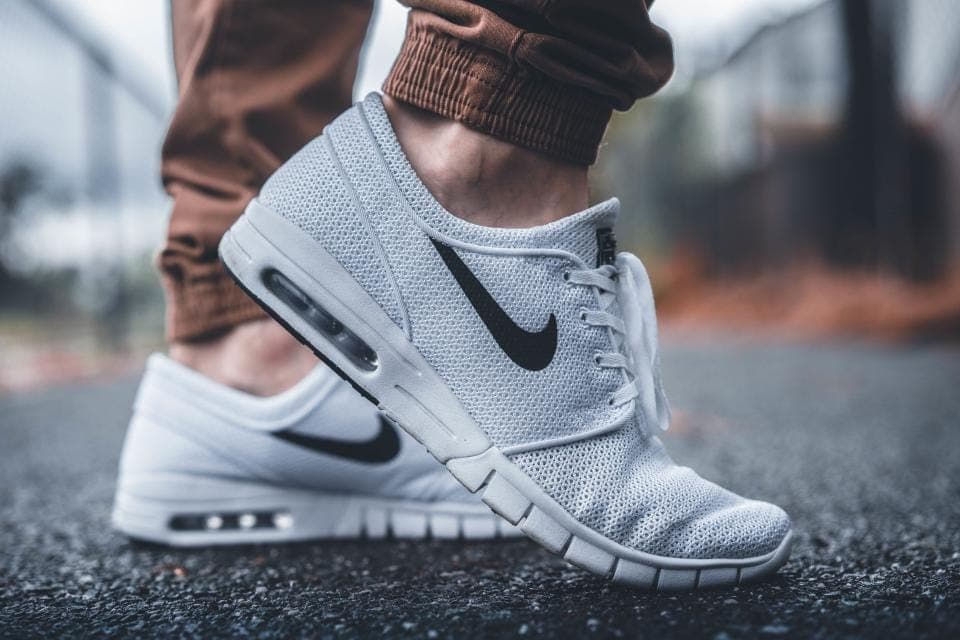 Best Xero overallXero Shoes PrioThe closest thing to a default first barefoot shoe: genuinely wide, genuinely flexible, and cheap enough that a failed experiment does not hurt. | Zero drop with 7-8 mm underfoot | |
| 2 |  Best Altra overallAltra Lone Peak 9Zero drop with 25 mm of cushioning underneath. Not a barefoot shoe and not pretending to be - it is the zero-drop shoe you hike 2,000 miles in. | Zero drop with 25 mm of foam | |
| 3 | 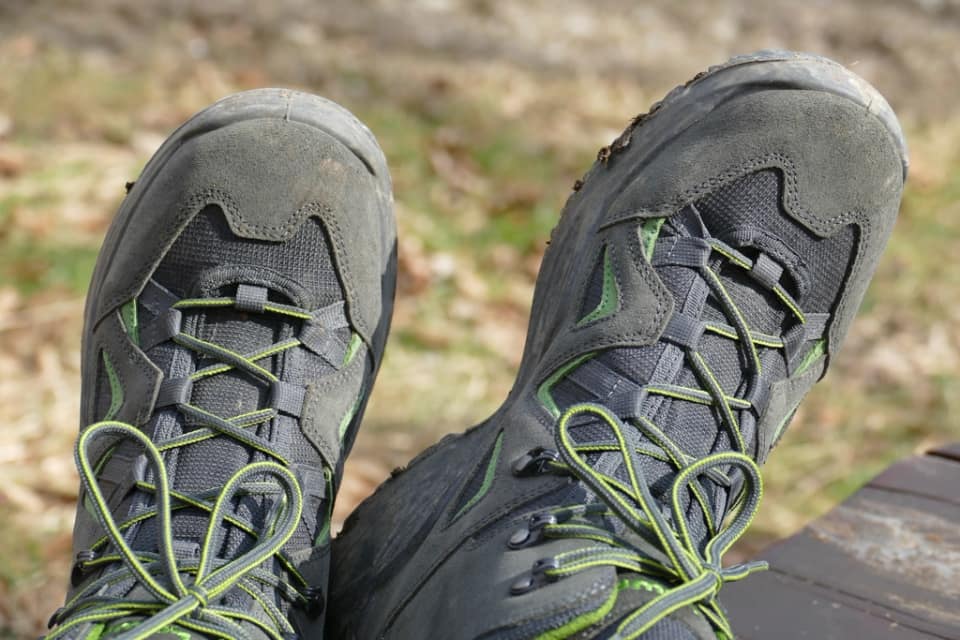 Closest Xero to an AltraXero Shoes Mesa SummitXero's more protective trail shoe: still 0 mm drop, but 9.5 mm at both ends, which is the difference between finishing a rocky descent and limping it. | 9.5 mm trail with a toe bumper | |
| 4 | 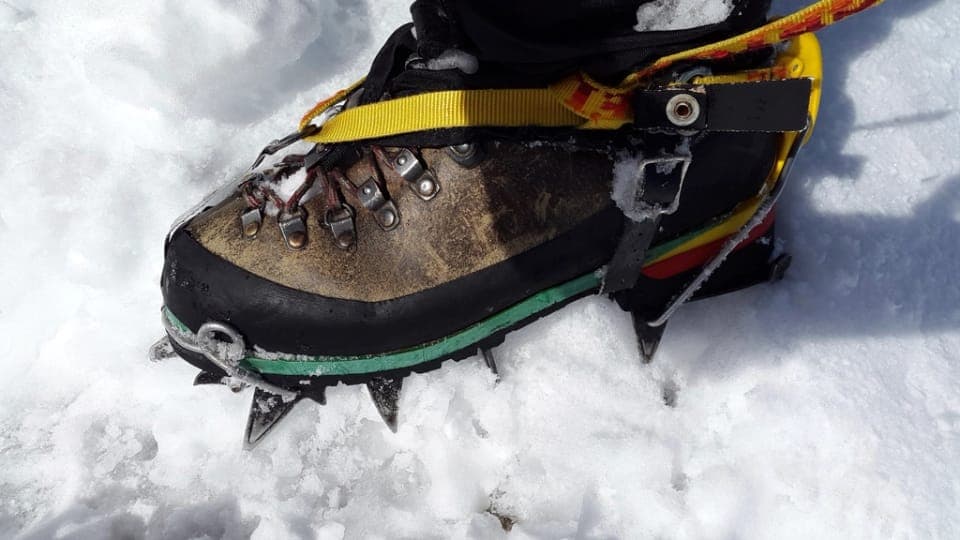 Best middle groundXero Shoes Scrambler LowAn 11.5 mm stack with 4 mm of foam and a removable 3.5 mm insole - the most forgiving zero-drop shoe here, and the one we would hand a nervous switcher. | 11.5 mm, the gentlest step across |
#ad Prices come from the retailer and change; we never publish a figure we have not verified live. Affiliate disclosure.
Both brands are zero drop. Both have genuinely wide toe boxes — Altra's is its defining feature. And they are about as far apart as two shoes sharing those two properties can be, because Altra puts 25 mm of foam under you and Xero puts 7.
Altra is a zero-drop brand, not a barefoot brand, and that is not a criticism — it is the single most useful fact for choosing between them. The concept behind the distinction is here; this page is what it means when you are actually picking a shoe.
Side by side
Which one you want depends on why you came
There are really only two reasons people end up reading about barefoot shoes, and they point at different brands.
If you came for toe room and a flat shoe — your toes are cramped, your shoes have a heel wedge you did not ask for, and you want that fixed — Altra may be the entire answer. You get the wide forefoot and the 0 mm platform with no loss of cushioning and almost no transition period. Plenty of people stop there very happily, and there is nothing second-rate about it.
If you came for ground feel or foot strength, Altra cannot deliver it. The intrinsic foot muscle evidence that underpins the strengthening argument is about thin, flexible shoes that let the foot work through its own range. Twenty-five millimeters of foam is specifically designed to stop that happening. Xero is the brand that answers that question.
The middle ground, which is where most people land
You do not have to choose a side. Two of the Xero picks on this page exist precisely in the gap: the Mesa Summit at 9.5 mm and the Scrambler Low at 11.5 mm are far more protective than a 4 mm shoe while still rolling flat in your hand.
And owning one of each is a genuinely sensible permanent arrangement rather than a sign of indecision. The Lone Peak for the longest days and the roughest ground, something thin for everything else. It is also the standard reference shoe on long-distance hiking trails, which is why it leads the thru-hiking roundup on this site and sits in the zero-drop roundup as the cushioned option.
Running: a real difference, not a preference
For road mileage, the two brands ask different things of you. Altra lets you keep your current volume and your current landing pattern, minus the heel lift. Xero does not — the documented risk in minimal running shoes is bone stress injury from a rushed build-up, and the stack heights involved leave very little margin for a heavy heel strike.
If you are a runner considering either, how to transition to barefoot running is the page to read before you order, and the zero-drop running roundup covers both approaches.
The picks in detail
Four picks that map the whole gap between the two brands, from 7 mm to 25 mm underfoot.
1. Best Xero overall
Xero Shoes Prio
The closest thing to a default first barefoot shoe: genuinely wide, genuinely flexible, and cheap enough that a failed experiment does not hurt.
What works
- Removable 2 mm insole, so you can go thinner as your feet adapt
- Wide enough for most square and plateau foot shapes
- Flexes and rolls flat, which is the quickest way to spot a fake minimalist shoe
What does not
- The lacing panel can pressure a high instep
- Thin heel padding is noticeable on hard floors for the first week
Skip these if: You have a high-volume foot and dislike lace pressure across the top, or you need any cushioning at all on day one.
Specifications as published by the maker and reported by Xero Shoes Prio listing specifications. We have not measured them ourselves. Xero Shoes fit profile
2. Best Altra overall
Altra Lone Peak 9
Zero drop with 25 mm of cushioning underneath. Not a barefoot shoe and not pretending to be - it is the zero-drop shoe you hike 2,000 miles in.
What works
- Zero drop with real cushioning - the combination almost nobody else offers
- The de facto standard on long-distance hiking trails
- Genuinely wide forefoot in standard width
What does not
- 25 mm of foam means essentially no ground feel
- Outsoles are known to wear out faster than the uppers
Skip these if: You want ground feel or foot strengthening. This shoe gives you neither - it gives you zero drop and comfort.
Specifications as published by the maker and reported by BikeHikeSafari, best barefoot shoes 2026 stated specifications. We have not measured them ourselves. Altra fit profile
3. Closest Xero to an Altra
Xero Shoes Mesa Summit
Xero's more protective trail shoe: still 0 mm drop, but 9.5 mm at both ends, which is the difference between finishing a rocky descent and limping it.
What works
- The extra millimeter over the Mesa Trail is noticeable on rock
- Proper toe bumper, which thin trail shoes usually skip
- Zero drop confirmed at both ends
What does not
- Heavier than the rest of the Xero trail line
- Less ground feel, which is the point but will disappoint purists
Skip these if: Ground feel is your primary reason for buying barefoot shoes at all.
Specifications as published by the maker and reported by REI product specifications, Xero Shoes Mesa Summit. We have not measured them ourselves. Xero Shoes fit profile
4. Best middle ground
Xero Shoes Scrambler Low
An 11.5 mm stack with 4 mm of foam and a removable 3.5 mm insole - the most forgiving zero-drop shoe here, and the one we would hand a nervous switcher.
What works
- The removable 3.5 mm insole gives you two shoes in one as your feet adapt
- Enough foam to survive a full day on concrete in week one
- Still flexes and still zero drop
What does not
- 11.5 mm is a lot of shoe if you came for ground feel
- Heavier than the rest of the line
Skip these if: You have already transitioned and want maximum ground feel - this will feel like a normal sneaker.
Specifications as published by the maker and reported by Outdoor Life, best barefoot shoes 2026 stated specifications. We have not measured them ourselves. Xero Shoes fit profile
Common questions
Are Altra shoes barefoot shoes?
No. They are zero drop with full cushioning — the Lone Peak 9 has 25 mm underfoot. Zero drop and a wide toe box are two of the three barefoot properties; the thin, flexible sole is the one Altra deliberately does not provide.
Is Xero or Altra better for wide feet?
Both are genuinely wide, and Altra's wide forefoot in standard width is its best-known feature. If you need extra-wide rather than wide, neither is the answer — Lems, Freet and Softstar go further.
Do I need to transition into Altras?
Much less than into a thin shoe, but not zero. Removing 8 to 12 mm of heel lift lengthens the calf and Achilles under load whatever the cushioning, so build up over a few weeks rather than switching mid-training-block.
Can I use Altra as a step toward barefoot shoes?
Yes, and it is a sensible route. Get used to a flat platform and a wide toe box with the cushioning intact, then move to a thinner shoe later. The Xero Scrambler Low at 11.5 mm is a reasonable next rung.
Which is better for hiking?
Altra for long distances, heavy packs and rough ground — the Lone Peak is the reference shoe on long trails for good reason. Xero's Mesa Summit for day hikes where you want to feel the trail and carry less weight on your feet.
Sources
- Outdoor Life, best barefoot shoes 2026 — stated stack heights and weights
- RunRepeat barefoot running shoes catalog
- Ridge et al., foot bone marrow edema after 10-week transition to minimal footwear
- Effects of Minimalist Shoes on Plantar Intrinsic Foot Muscle Size and Strength: A Review
Accessed October 2026. Where a source is a manufacturer, the specification is theirs as published — we have not measured it.
Read next
Barefoot vs Zero Drop
Barefoot vs zero drop: which do you actually want?
Every barefoot shoe is zero drop; most zero-drop shoes are not barefoot. A side-by-side table and a pick for each answer.
By Brijon M. · Updated October 2026
Top pick: Vivobarefoot Primus Lite III
Zero Drop With Cushion
Altra: zero drop with cushioning, not a barefoot brand
Wide toe boxes and a flat platform with full cushioning — why zero drop is not barefoot, and when that is what you want.
By Brijon M. · Updated October 2026
Top pick: Altra Lone Peak 9
Widest Range
Xero Shoes: fit, sizing and which model to pick
The broadest barefoot range, which lasts are genuinely wide, and how the removable insole changes your sizing decision.
By Brijon M. · Updated October 2026
Top pick: Xero Shoes Prio

Best Zero-Drop
The best zero-drop shoes (October 2026)
Seven zero-drop shoes from 4 mm to 25 mm underfoot, and why the drop figure alone tells you almost nothing.
By Brijon M. · Updated October 2026
Top pick: Xero Shoes Prio

Xero vs Vivobarefoot
Xero Shoes vs Vivobarefoot
Xero is wider through the midfoot and cheaper; Vivobarefoot is thinner and low-volume. Your instep decides it.
By Brijon M. · Updated October 2026
Top pick: Xero Shoes Prio

Best for Thru-Hiking
Best shoes for thru-hiking (October 2026)
Why the long-trail standard is zero drop and cushioned rather than minimal — and when thin genuinely works.
By Brijon M. · Updated October 2026
Top pick: Altra Lone Peak 9