Xero vs Vivobarefoot
Xero Shoes vs Vivobarefoot
The two biggest names in the category fit genuinely differently. Your instep decides which one.
By Brijon M. · Updated October 2026
Buy Xero Shoes if you are new to this, have a high-volume foot, or want to spend less — the lasts are wide, the stacks are more forgiving and most models have a removable insole. Buy Vivobarefoot if you are already adapted and want the thinnest sole that still works as a real shoe, and your foot is not high-volume.
How this page is funded: some links here are Amazon affiliate links, so we may earn a commission if you buy — at no extra cost to you. It never changes which products we include or how we rank them, and we take no payment from brands for placement. Full disclosure.

Quick picks
Tap any row to jump to the full write-up. Selection is specification-led, not wear-tested — how we choose.
| # | Product | Best for | Price |
|---|---|---|---|
| 1 | 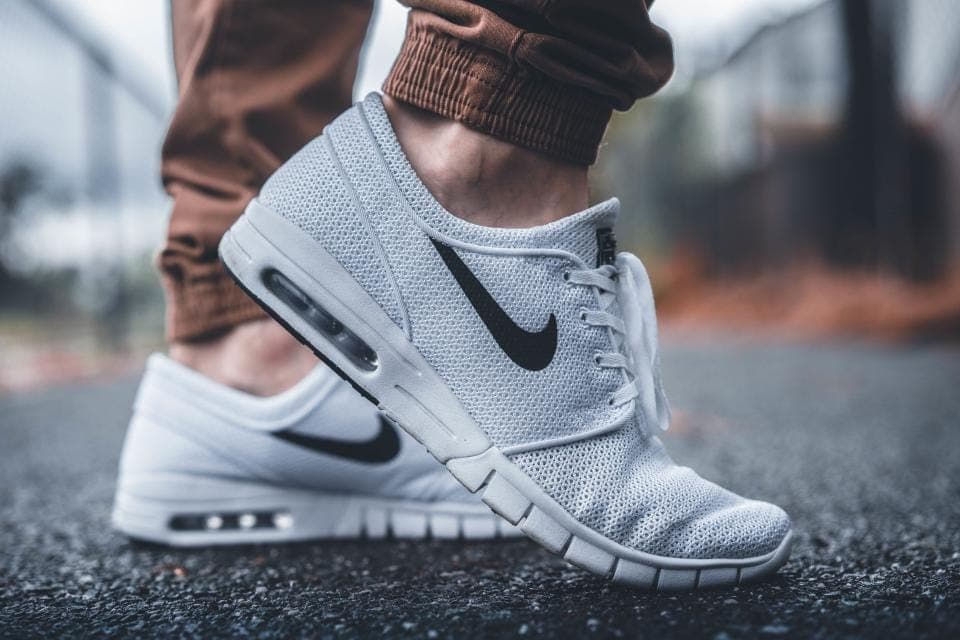 Best Xero overallXero Shoes PrioThe closest thing to a default first barefoot shoe: genuinely wide, genuinely flexible, and cheap enough that a failed experiment does not hurt. | Wide, 7-8 mm, removable insole | |
| 2 | 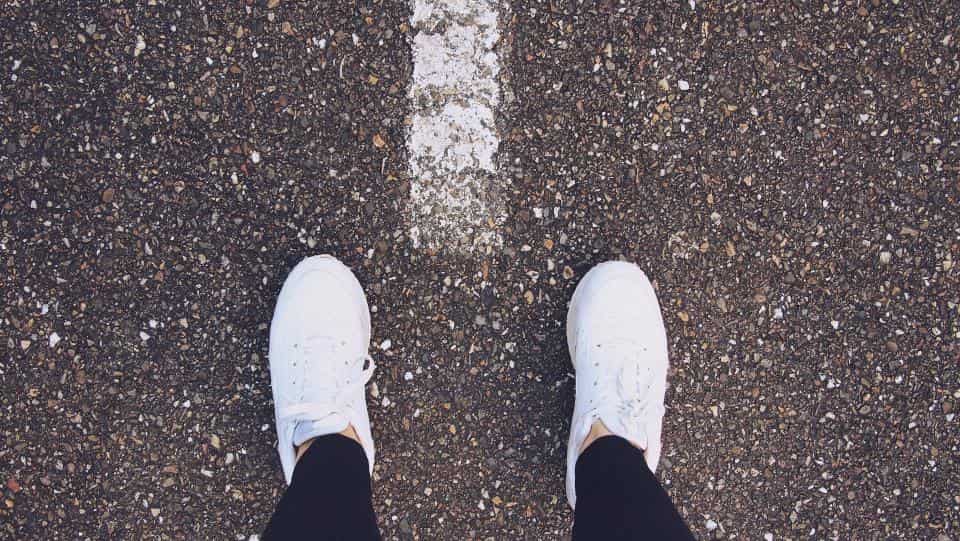 Best Vivo overallVivobarefoot Primus Lite IIIA 2 mm sole with 2 mm of tread at 7.9 oz. About as close to barefoot as a closed shoe gets, and the yardstick everything else is measured against. | 4 mm total, once adapted | |
| 3 | 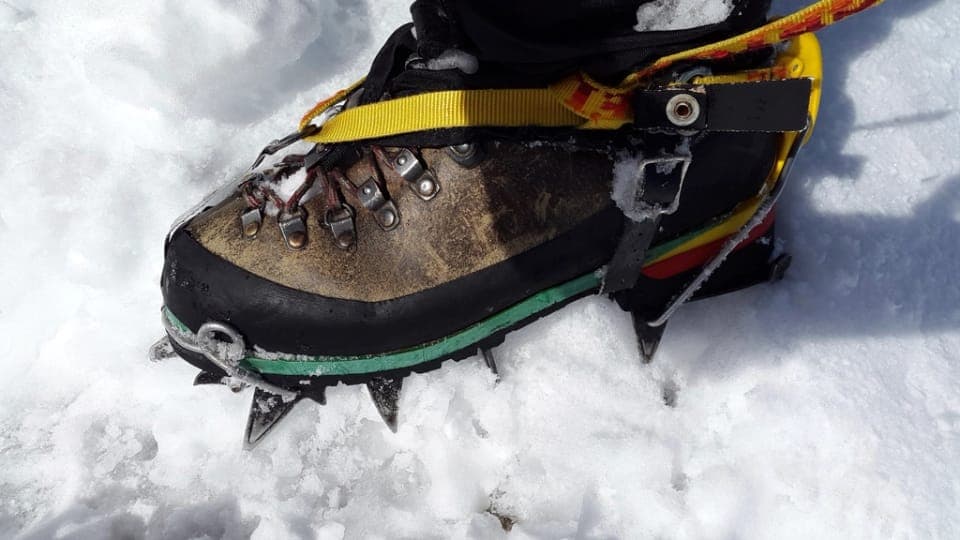 Best first pairXero Shoes Scrambler LowAn 11.5 mm stack with 4 mm of foam and a removable 3.5 mm insole - the most forgiving zero-drop shoe here, and the one we would hand a nervous switcher. | 11.5 mm, either brand's most forgiving | |
| 4 |  Best lookingVivobarefoot Geo CourtVivobarefoot's most popular urban shape: a classic court-sneaker silhouette over a thin, flexible sole, so it does not announce itself. | Court sneaker that reads as normal |
#ad Prices come from the retailer and change; we never publish a figure we have not verified live. Affiliate disclosure.
These are the two brands most people end up choosing between, and the honest answer is that they are not really competing for the same foot. Xero is wide in the forefoot and moderate through the midfoot, with more stack and lower prices. Vivobarefoot is thinner and more anatomically shaped, and it runs low-volume. If you have a high instep, that single sentence decides the question for you.
Here is the comparison that matters, built from each brand's own published fit and sizing guidance rather than from impressions.
Side by side
The instep is the whole decision
Toe-box width gets all the attention in this category and volume gets almost none, which is why so many people order a correctly-sized barefoot shoe and find it unwearable. Volume is the vertical room through the midfoot and instep, and it is the dimension most likely to make a shoe hurt in a way that sizing up does not fix.
Vivobarefoot is low-volume. That is not a flaw — it is how you get a sole that thin to stay on a foot — but it means a high instep gets pressure across the top of the foot that no size change will solve. Xero has more room there, with the specific exception of the Prio's lacing panel, which concentrates pressure in one band.
If you do not know whether you have a high instep, the quickest test is whether lace-up shoes have always felt tight across the top of your foot while being fine at the toes. Foot shape types covers how to check properly, and the cross-brand sizing table puts both brands next to the rest.
If you are new to this, buy Xero
Not because it is the better brand, but because it is the better first purchase, for three separate reasons.
- More stack to start from. The Scrambler Low's 11.5 mm is a far gentler entry than 4 mm, and the difference shows up in your calves within the first week.
- Removable insoles. You can take 2 mm out as your feet adapt, which turns one purchase into two stages. Vivobarefoot has nothing left to remove.
- Cheaper to be wrong. Xero sits in the mid price band and Vivobarefoot in the premium one. If the category turns out not to suit you, those are very different amounts of money to have spent finding out.
The Vivobarefoot Primus Lite III is, genuinely, the better shoe of the two once your feet have adapted — thinner, better-shaped and a nicer object. It is an end state, not a starting point. How to work up to it.
Where each brand wins outright
The picks in detail
Two shoes from each brand, chosen to show where their lasts and stack heights genuinely diverge.
1. Best Xero overall
Xero Shoes Prio
The closest thing to a default first barefoot shoe: genuinely wide, genuinely flexible, and cheap enough that a failed experiment does not hurt.
What works
- Removable 2 mm insole, so you can go thinner as your feet adapt
- Wide enough for most square and plateau foot shapes
- Flexes and rolls flat, which is the quickest way to spot a fake minimalist shoe
What does not
- The lacing panel can pressure a high instep
- Thin heel padding is noticeable on hard floors for the first week
Skip these if: You have a high-volume foot and dislike lace pressure across the top, or you need any cushioning at all on day one.
Specifications as published by the maker and reported by Xero Shoes Prio listing specifications. We have not measured them ourselves. Xero Shoes fit profile
2. Best Vivo overall
Vivobarefoot Primus Lite III
A 2 mm sole with 2 mm of tread at 7.9 oz. About as close to barefoot as a closed shoe gets, and the yardstick everything else is measured against.
What works
- The thinnest sole here that still works as an everyday shoe
- Genuinely wide forefoot with a rounded, foot-shaped last
- Ships with access to the brand's own barefoot fundamentals course
What does not
- 4 mm total underfoot is brutal on concrete until your feet adapt
- Low volume through the midfoot - not for a high instep
- The most expensive shoe in most of our roundups
Skip these if: You are transitioning, you have a high-volume foot, or you stand on concrete all day. All three are real reasons to start thicker.
Specifications as published by the maker and reported by Outdoor Life, best barefoot shoes 2026 stated specifications. We have not measured them ourselves. Vivobarefoot fit profile
3. Best first pair
Xero Shoes Scrambler Low
An 11.5 mm stack with 4 mm of foam and a removable 3.5 mm insole - the most forgiving zero-drop shoe here, and the one we would hand a nervous switcher.
What works
- The removable 3.5 mm insole gives you two shoes in one as your feet adapt
- Enough foam to survive a full day on concrete in week one
- Still flexes and still zero drop
What does not
- 11.5 mm is a lot of shoe if you came for ground feel
- Heavier than the rest of the line
Skip these if: You have already transitioned and want maximum ground feel - this will feel like a normal sneaker.
Specifications as published by the maker and reported by Outdoor Life, best barefoot shoes 2026 stated specifications. We have not measured them ourselves. Xero Shoes fit profile
4. Best looking
Vivobarefoot Geo Court
Vivobarefoot's most popular urban shape: a classic court-sneaker silhouette over a thin, flexible sole, so it does not announce itself.
What works
- Looks like an ordinary white sneaker from two feet away
- Thin sole and real flex, unlike most fashion-minimalist shoes
- Holds its shape better than knit uppers
What does not
- No cushioning for a day of city pavement
- Leather version needs breaking in across the toe joint
Skip these if: You want a shoe you can walk 15,000 steps a day on concrete in from week one.
Specifications as published by the maker and reported by AZ Big Media, 10 best barefoot shoes for everyday walking 2026. We have not measured them ourselves. Vivobarefoot fit profile
Common questions
Is Xero or Vivobarefoot better?
Xero for a first pair, a high-volume foot or a smaller budget. Vivobarefoot for maximum ground feel once your feet have adapted, if your foot is not high-volume. They fit differently rather than one being better.
Which is wider, Xero or Vivobarefoot?
Both are wide in the toe box, with Vivobarefoot having a more pronounced big-toe allowance. Xero is wider through the midfoot and instep, which is the dimension most people actually run out of room in.
Does Vivobarefoot run small?
It runs low-volume rather than short. Vivobarefoot publishes internal length per model, so compare your measured foot length to that figure rather than converting from your usual size — that is more reliable than any size chart.
Is Vivobarefoot worth the extra money?
For an adapted foot that suits its last, yes — nothing in Xero's range goes as thin and the shoes are better made. For a first pair, no, because the properties you are paying for are the ones a beginner should not want yet.
Which brand should I buy if my feet are extra wide?
Neither, as a first choice. Xero is wide but explicitly not the widest, and Vivobarefoot is low-volume. Lems, Freet and Softstar all go further — see our wide and extra-wide roundups.
Sources
- Outdoor Life, best barefoot shoes 2026 — stated stack heights and weights
- RunRepeat barefoot running shoes catalog
- Ridge et al., foot bone marrow edema after 10-week transition to minimal footwear
Accessed October 2026. Where a source is a manufacturer, the specification is theirs as published — we have not measured it.
Read next
Widest Range
Xero Shoes: fit, sizing and which model to pick
The broadest barefoot range, which lasts are genuinely wide, and how the removable insole changes your sizing decision.
By Brijon M. · Updated October 2026
Top pick: Xero Shoes Prio
Thinnest Soles
Vivobarefoot: fit, sizing and the volume problem
The thinnest soles in the category, the low-volume fit that catches people out, and why it is the wrong first pair.
By Brijon M. · Updated October 2026
Top pick: Vivobarefoot Primus Lite III

Xero vs Altra
Xero Shoes vs Altra
Both zero drop and both wide, but 18 mm of foam apart. Which you want depends on whether you came for toe room or ground feel.
By Brijon M. · Updated October 2026
Top pick: Xero Shoes Prio
Barefoot shoe sizing by brand
Every brand's toe box, volume and sizing behavior in one table, with a source per row and a last-verified date.
By Brijon M. · Updated October 2026
Top pick: Xero Shoes Prio
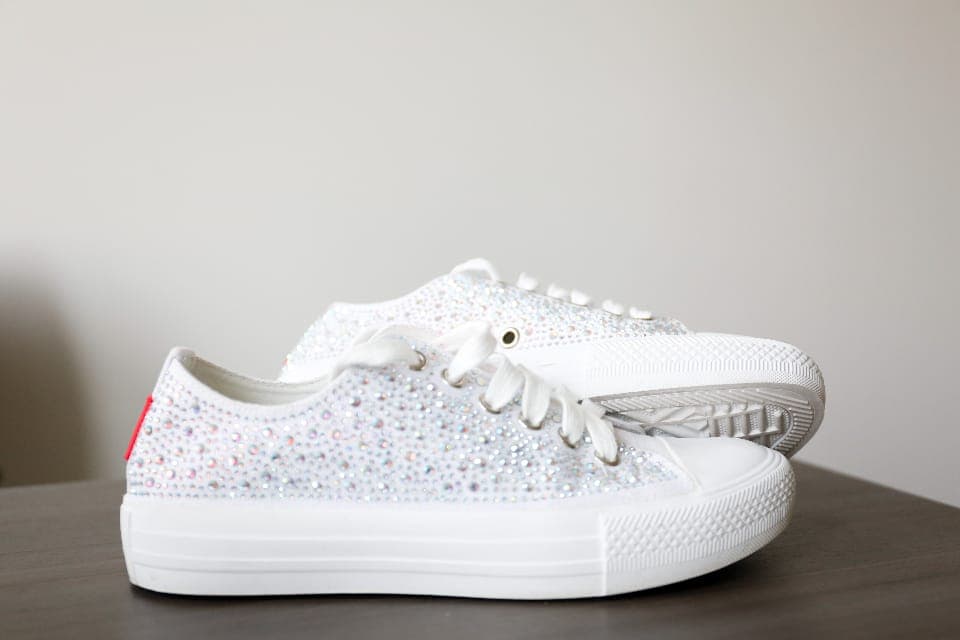
Best Overall
The best barefoot shoes (October 2026)
Eight shoes from 4 mm to 25 mm underfoot, ranked on how many jobs each does well, with honest cons throughout.
By Brijon M. · Updated October 2026
Top pick: Xero Shoes Prio
How to choose barefoot shoes
Five decisions in order: measure, stack height by stage, width and volume, the three-part test, then brand.
By Brijon M. · Updated October 2026
Top pick: Xero Shoes Scrambler Low