Saguaro vs Vivobarefoot
Saguaro vs Vivobarefoot
A marketplace knit against the brand that defined the category - and one fitting problem where the cheap shoe is the better shoe.
By Brijon M. · Updated October 2026
Buy Saguaro if you are finding out whether barefoot shoes suit you, or if you have a high-volume foot - it carries more instep room than the premium knits. Buy Vivobarefoot for a thinner sole, published specifications, a durable upper and a shoe you will still own in three years. Both are genuinely zero drop and genuinely wide.
How this page is funded: some links here are Amazon affiliate links, so we may earn a commission if you buy — at no extra cost to you. It never changes which products we include or how we rank them, and we take no payment from brands for placement. Full disclosure.

This is the question behind most barefoot-shoe shopping, stated honestly: a marketplace shoe and a brand shoe both claim zero drop and a wide toe box, and one of them costs a small fraction of what the other does. Either the premium buys something real or it does not, and the answer is not the same for every buyer.
Our standing position on this site is that the cheapest legitimate option that solves your problem is the right one, even where it earns us less. So here is what the extra money actually buys, what it does not, and the specific fitting case where the cheap shoe is the better shoe outright.
What the premium genuinely buys
Three things, and they are real. A thinner, better-measured sole: 4 mm total underfoot on the Primus Lite III is thinner than anything Saguaro publishes, and Vivobarefoot states its numbers, which means we can cite them instead of guessing. Durability: this is the clearest gap. Saguaro's own registry entry names a thin outsole that wears quickly on pavement, while the Vivobarefoot is a shoe people keep for years - the brand's own ReVivo service restitches, resoles and resells returned pairs, which is only worth running on footwear that is worth repairing. Consistency: Saguaro's model naming changes between generations, so repeating a purchase that worked is partly a lottery. Vivobarefoot's model lines persist.
If you already know barefoot shoes suit you and you intend to wear them daily, that durability gap is the whole argument. Cost per year, not cost per pair, is the number that matters, and we run the same arithmetic on the most durable barefoot shoes.
What the premium does not buy
It does not buy a wider toe box. Both brands are classified wide in our registry, and a reader whose only problem is toe room will be served by either. It does not buy zero drop, because both already have it. And it does not buy a better fit for every foot — which brings us to the part of this comparison that genuinely surprises people.
The fit case where Saguaro wins outright
The Vivobarefoot Primus Lite III runs low through the midfoot, and its own fit notes say it is not for a high instep. The Tracker boot carries the same warning. Saguaro, meanwhile, is the roomiest of the marketplace knits specifically because it has more instep volume — more space around the ankle and over the top of the foot than WHITIN at the same price.
So for a deep, high-volume foot, the price gap runs the wrong way: the budget shoe fits and the premium one presses across the bridge. That is not a knock on Vivobarefoot, which is excellent on a flat, broad foot; it is a reminder that volume is a separate dimension from width and almost nobody prices it. The high instep roundup ranks the whole registry on that dimension if this describes you.
Thinness is a schedule, not a score
One more reason the premium shoe is not automatically the better first purchase: 4 mm underfoot is genuinely demanding. The Primus Lite III's own registry entry says it is brutal on concrete until your feet adapt, and its skip-if names transitioning, a high-volume foot and standing on concrete all day as three real reasons to start thicker.
A beginner who buys the thinnest shoe in the category on day one tends to conclude that barefoot shoes hurt, which is the wrong conclusion from a correct experience. Starting in a more forgiving shoe and thinning out over months is the method that works — how to transition to barefoot shoes sets out the ladder, and the beginners roundup ranks the shoes for step one.
Range: different shapes of range
Saguaro covers sneakers, water shoes and whole-family sizing including kids, all in the same budget band — the Dive IV is a stretch-knit water shoe with a removable honeycomb insole that doubles as a very thin everyday shoe. Vivobarefoot covers everyday, trail, boots, court sneakers and kids, with a premium price at each point. If you want one brand for a whole rotation and you can afford it, that is Vivobarefoot; if you want to kit out a family, it is Saguaro.
Which to buy
Buy Saguaro if you are testing whether this category suits you at all, if your foot is deep as well as broad, if you need several pairs or kids' sizes, or if you want a cheap second pair for the beach and the garden.
Buy Vivobarefoot if you already know this works for you, if you want the thinnest sole available in a closed shoe, if you want published specifications you can plan a transition against, or if you want the pair to still be worth wearing in three years.
Buy neither if what you want is a wide shoe with cushioning underneath — that is a different category and barefoot vs zero drop explains why. For the other end of the budget comparison, WHITIN vs Saguaro sorts the two marketplace brands against each other, and Xero Shoes vs Vivobarefoot covers the premium pairing.
Saguaro is not the only way to spend less than Vivobarefoot asks, and price is not the only reason people leave. Vivobarefoot alternatives ranks the full set of replacements against the four separate reasons - cost, depth over the instep, the 4 mm sole on concrete, and the UK buying path - so you are not solving a volume problem with a cheaper shoe that has the same last.
Before you order: fit and transition
Two things matter more than which shoe on this page you pick, and both are free.
Get the size right. Barefoot brands size from internal length rather than from a conventional size label, and you need roughly 10 to 15 mm beyond your longest toe — more than a normal fitting leaves. Measure your feet, then use the sizing guide and the cross-brand table. Sizing up to get a wider shoe does not work: lasts scale in length, so you get heel slip and toes sitting behind the widest part of the shoe.
Build up slowly. The documented risk in this category is bone stress injury from a rushed transition — in one MRI study of 36 runners, 10 of the 19 who spent 10 weeks moving into minimal shoes developed new bone-marrow edema, mostly without symptoms. Keep your current shoes, add minimal-shoe hours gradually, and judge by how your feet feel the next morning. The transition plan.
Brand-specific: Saguaro sizing shifts between model generations, so measure before every repeat order rather than trusting the number that worked last time. Vivobarefoot publishes internal length per size, which is the figure to compare your foot against - not the US size on the box.
The picks in detail
The everyday shoe that defines each brand, plus the second model from each range that shows where the two diverge.
Saguaro Chaser (Smart II / Vitality III)
The roomiest of the budget marketplace brands - more space around the ankle and over the toes than WHITIN, which is the difference that matters if you have a thick foot.
What works
- More instep volume than WHITIN at the same price
- Whole-family sizing, including kids
- Very minimal sole for the money
What does not
- Thin, cheap outsole wears quickly on pavement
- Model naming changes between generations, so repeat purchases are a lottery
Skip these if: You have a low-volume or narrow foot - this will feel like a slipper.
Specifications as published by the maker and reported by Anya's Reviews, Saguaro barefoot shoes review. We have not measured them ourselves. Saguaro fit profile
Vivobarefoot Primus Lite III
A 2 mm sole with 2 mm of tread at 7.9 oz. About as close to barefoot as a closed shoe gets, and the yardstick everything else is measured against.
What works
- The thinnest sole here that still works as an everyday shoe
- Genuinely wide forefoot with a rounded, foot-shaped last
- Ships with access to the brand's own barefoot fundamentals course
What does not
- 4 mm total underfoot is brutal on concrete until your feet adapt
- Low volume through the midfoot - not for a high instep
- The most expensive shoe in most of our roundups
Skip these if: You are transitioning, you have a high-volume foot, or you stand on concrete all day. All three are real reasons to start thicker.
Specifications as published by the maker and reported by Outdoor Life, best barefoot shoes 2026 stated specifications. We have not measured them ourselves. Vivobarefoot fit profile
Saguaro Dive IV Water Shoes
A stretchy knit water shoe with a removable honeycomb insole - the cheap, sensible answer for river crossings and lake swims.
What works
- Drains and dries fast
- Removable insole, so it doubles as a very thin everyday shoe
- Grippy enough on wet, smooth rock
What does not
- No protection against anything sharp underfoot
- Knit upper collects sand and grit
Skip these if: You are scrambling on sharp rock or hiking into the water crossing rather than just across it.
Specifications as published by the maker and reported by Saguaro Dive IV product listing specifications. We have not measured them ourselves. Saguaro fit profile
Vivobarefoot Geo Court
Vivobarefoot's most popular urban shape: a classic court-sneaker silhouette over a thin, flexible sole, so it does not announce itself.
What works
- Looks like an ordinary white sneaker from two feet away
- Thin sole and real flex, unlike most fashion-minimalist shoes
- Holds its shape better than knit uppers
What does not
- No cushioning for a day of city pavement
- Leather version needs breaking in across the toe joint
Skip these if: You want a shoe you can walk 15,000 steps a day on concrete in from week one.
Specifications as published by the maker and reported by AZ Big Media, 10 best barefoot shoes for everyday walking 2026. We have not measured them ourselves. Vivobarefoot fit profile
Common questions
Are cheap barefoot shoes as good as Vivobarefoot?
For finding out whether the category suits you, yes - both are genuinely zero drop and genuinely wide, and they teach you the same thing about your feet. For daily wear over years, no: the clearest gap is durability, with Saguaro's thin outsole wearing quickly on pavement where Vivobarefoot is a multi-year shoe.
Is Saguaro wider than Vivobarefoot?
Both are classified wide in our registry, so across the ball of the foot they are comparable. The real difference is volume: Saguaro is noticeably roomier through the midfoot and over the ankle, and the Vivobarefoot Primus Lite III runs low there - its own fit notes say it is not for a high instep.
Which should a beginner buy?
Saguaro, in most cases. It costs little enough that a failed experiment does not hurt, and the Primus Lite III at 4 mm underfoot is demanding enough that beginners often blame the category for what is really a transition problem. Start more forgiving and thin out over months.
Why is Vivobarefoot so expensive?
You are paying for a thinner, measured and published sole, a materially more durable build with repair and resale channels, and consistent sizing across generations. Whether that is worth it depends on whether you already know barefoot shoes work for you - it buys longevity and precision, not extra width.
Does Saguaro last long?
Not especially. Its own registry entry names a thin, cheap outsole that wears quickly on pavement, and model naming changes between generations so repeat purchases are inconsistent. At the price, treating it as a one-to-two-season shoe is the honest expectation.
Are both brands genuinely zero drop?
Yes. Every Saguaro and Vivobarefoot model in our registry is 0 mm drop with a wide toe box, so nothing in this comparison turns on heel lift or toe room. The differences are sole thickness, midfoot volume, durability and price.
Sources
- Outdoor Life, best barefoot shoes 2026 — stated stack heights and weights
- RunRepeat barefoot running shoes catalog
- Ridge et al., foot bone marrow edema after 10-week transition to minimal footwear
- FashionUnited, Vivobarefoot ReVivo repair and resale program
Accessed October 2026. Where a source is a manufacturer, the specification is theirs as published — we have not measured it.
Read next
Roomiest Budget Brand
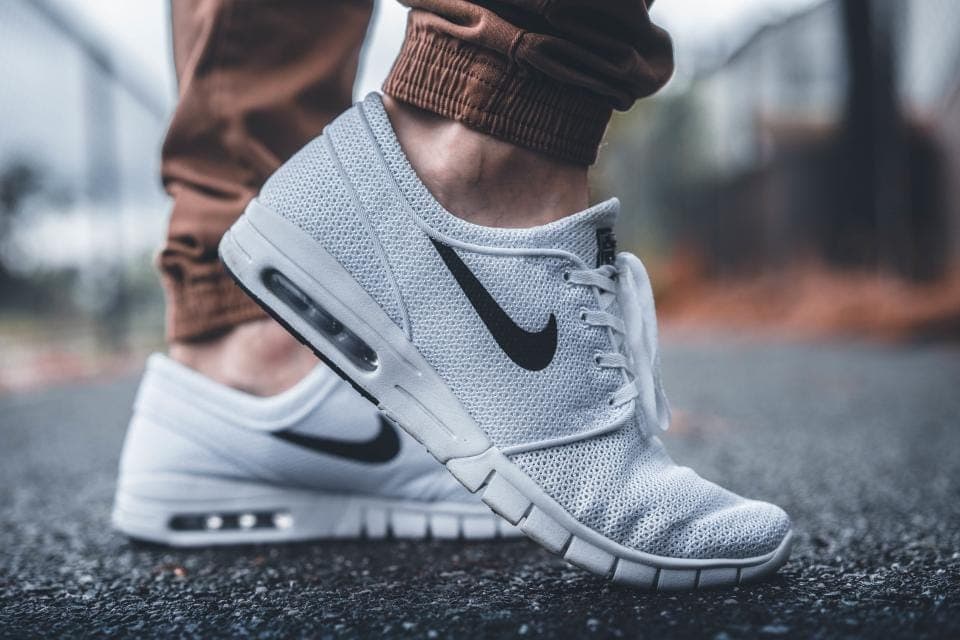
Saguaro: fit, sizing and the generation problem
The roomiest budget brand, how stretch knit changes sizing, and why repeat purchases are not always the same shoe.
By Brijon M. · Updated October 2026
Top pick: Saguaro Chaser (Smart II / Vitality III)

Thinnest Soles
Vivobarefoot: fit, sizing and the volume problem
The thinnest soles in the category, the low-volume fit that catches people out, and why it is the wrong first pair.
By Brijon M. · Updated October 2026
Top pick: Vivobarefoot Primus Lite III

WHITIN vs Saguaro
WHITIN vs Saguaro barefoot shoes
WHITIN runs low and flat, Saguaro runs roomy and deep: which budget barefoot brand fits your foot, plus the two fallbacks.
By Brijon M. · Updated October 2026
Top pick: Saguaro Chaser (Smart II / Vitality III)
Xero vs Vivobarefoot
Xero Shoes vs Vivobarefoot
Xero is wider through the midfoot and cheaper; Vivobarefoot is thinner and low-volume. Your instep decides it.
By Brijon M. · Updated October 2026
Top pick: Xero Shoes Prio
Best Budget
Best affordable barefoot shoes (October 2026)
Five budget picks that are genuinely wide and flat, differentiated by volume — plus exactly which corners each cuts.
By Brijon M. · Updated October 2026
Top pick: Saguaro Chaser (Smart II / Vitality III)
Best for Beginners
Best barefoot shoes for beginners (October 2026)
Your first pair should be thicker than your fifth. Six forgiving picks with removable insoles and real stack height.
By Brijon M. · Updated October 2026
Top pick: Xero Shoes Scrambler Low