Best for a High Instep
The best barefoot shoes for a high instep
If the laces bite across the bridge of your foot before the toes ever feel tight, you are buying for the wrong dimension.
By Brijon M. · Updated October 2026
The Lems Primal Zen leads for a high instep: an extra-wide last with a tall toe box and a soft knit or canvas upper that has no hard overlay across the bridge. On a budget, the Saguaro Chaser carries more instep volume than WHITIN at the same money, and the Xero Shoes Z-Trail EV removes the problem entirely with three adjustment points.
How this page is funded: some links here are Amazon affiliate links, so we may earn a commission if you buy — at no extra cost to you. It never changes which products we include or how we rank them, and we take no payment from brands for placement. Full disclosure.
Quick picks
Tap any row to jump to the full write-up. Selection is specification-led, not wear-tested — how we choose.
| # | Product | Best for | Price |
|---|---|---|---|
| 1 |  Best overallLems Primal ZenLems builds one of the roomiest everyday lasts in the category - if other barefoot shoes still feel tight across the toes, start here. | A tall toe box on an extra-wide, high-volume last | |
| 2 |  Best budgetSaguaro Chaser (Smart II / Vitality III)The roomiest of the budget marketplace brands - more space around the ankle and over the toes than WHITIN, which is the difference that matters if you have a thick foot. | More instep room than WHITIN at the same price | |
| 3 |  Best for an extreme instepXero Shoes Z-Trail EVAn 11 mm three-layer sole at under 11 oz that rolls up into a jacket pocket - the most practical barefoot sandal for people who are not sandal people. | Three strap adjustments instead of a fixed upper | |
| 4 |  Best second last to tryJOOMRA Minimalist Trail RunnersThe third marketplace brand worth knowing - broadly WHITIN's equal, and the one to try when WHITIN's instep volume does not work for you. | A different budget shape when WHITIN pinches | |
| 5 |  Best for trail and distanceAltra Lone Peak 9Zero drop with 25 mm of cushioning underneath. Not a barefoot shoe and not pretending to be - it is the zero-drop shoe you hike 2,000 miles in. | Conventional running-shoe depth, still zero drop | |
| 6 |  Best bootLems Boulder Boot GripA waterproof zero-drop boot that packs almost flat. It is a light work and farm boot, not safety footwear, and Lems does not claim otherwise. | A roomy boot you can lace loose over the bridge | |
| 7 |  Best when nothing fitsSoftstar Megagrip Primal RunAmocA 9.5 mm Vibram Megagrip sole with no insole at all, made to order in the USA - the shoe to buy when every mass-market last has failed your foot. | Made to order, including extra-wide | See it at Softstar #ad — brand-direct link, we earn nothing on it. Why we still list it |
#ad Prices come from the retailer and change; we never publish a figure we have not verified live. Affiliate disclosure.
There is a specific, very recognizable version of shoe pain that has nothing to do with your toes. The shoe is long enough. The toe box is wide enough — you can see daylight around your toes. And yet within twenty minutes there is a hot, pinched line across the top of your foot where the laces cross, and by the afternoon you are loosening them again. That is a high instep, and almost all shoe advice is useless for it, because almost all shoe advice is about width.
A foot has three dimensions and shoe marketing discusses one. Length gets a number. Width gets a letter. Volume — how much foot the shoe has to swallow vertically — gets nothing at all, which is why a high-volume foot is so often sold a wider shoe that does not help. This page ranks the registry on that third dimension.
Instep, arch and width are three different measurements
These get conflated constantly, including by people selling shoes, so it is worth being precise about which one is your problem before you spend anything.
A high arch often comes with a high instep, because the same bone structure lifts both. But they fail differently: the arch question is about what happens underneath your foot, and we cover it on the high arches roundup. The instep question is about the roof of the shoe. If your complaint is a pressure line across the bridge, you are in the right place. Toe box shapes explained covers how to read a listing photograph for both.
One more distinction that matters, because the symptom is identical. If the pressure is there every day from the moment you lace up, that is a structural high instep and this page is the one you want. If the shoe is fine at eight in the morning and hurts by four in the afternoon, that is swelling, and barefoot shoes for swollen feet ranks the same category by adjustability instead.
How we chose
The criteria, applied in this order:
- Published or documented instep volume first. Four of the shoes in our registry name midfoot volume explicitly in their fit notes, in both directions - we used those notes rather than guessing from photographs.
- A soft upper with no hard overlay across the bridge. Knit, canvas and soft leather deform around a tall midfoot; synthetic overlays and reinforced lacing panels transmit pressure straight into it.
- A closure that can be slackened where it matters, or skipped entirely. A lacing panel you can open over the instep beats a fixed sock-style collar.
- A removable insole, because it is the cheapest depth available and it is bought back exactly where a high instep needs it.
- Zero drop and a wide toe box, because the reason this site exists does not stop applying to a deep foot.
- Currently sold in the US, with a genuine budget option, since the first shoe you buy for this problem is usually an experiment.
What the registry already tells us about volume
We do not wear-test, so where published fit data exists we use it rather than inventing an impression. Four entries in our product registry name instep volume outright, and they happen to map the whole range:
- Saguaro Chaser — "more instep volume than WHITIN at the same price", with a stretch-knit upper. The budget answer.
- WHITIN Minimalist Trail Runner — "low volume through the instep compared with Saguaro"; its own skip-if says to avoid it with a high instep. Genuinely wide, genuinely shallow.
- Vivobarefoot Primus Lite III — "low volume through the midfoot, not for a high instep". The thinnest shoe we stock is also one of the worst fits for this foot, which surprises people.
- Vivobarefoot Tracker — "low volume, a wide foot with a high instep will struggle". Worth knowing before you spend boot money.
That last pair is the useful correction. Vivobarefoot is the brand most people name first when they think of a wide, foot-shaped shoe, and for a flat, broad foot it is excellent. For a deep one it is the wrong shape at a premium price, and the brand's own fit character says so. Our Vivobarefoot fit profile carries the full picture, and Saguaro vs Vivobarefoot is the head-to-head where this particular reversal decides the purchase.
The four fixes, ranked by how much they actually gain
Before you buy anything, three of these are free and one of them is the actual purchase.
- Take the insole out. Most barefoot shoes ship with a 2 to 3.5 mm removable sockliner. Pulling it drops the footbed by that amount, which is a straight gain in headroom over the bridge, and it makes the shoe thinner underfoot, which is probably what you wanted anyway. Reversible, free, do it first. Insoles for barefoot shoes covers what to put back if the floor feels too hard.
- Re-lace rather than re-buy. Skipping the eyelet pair that sits directly over the pressure point, or lacing the two sides in parallel instead of crossing them there, removes the single hot spot without loosening the whole shoe. This is the fix that works on a shoe you already own.
- Buy a soft upper, not a structured one. A knit or canvas upper stretches over a tall midfoot within a few wears. A synthetic overlay never does, and a reinforced lacing panel concentrates the load instead of spreading it.
- Buy an adjustable closure, or no closure at all. A three-point strap sandal has no fixed roof, which is why it is the one shoe shape that cannot pinch an instep. That is a real answer, not a cop-out, for the half of the year it works in.
What is deliberately not on that list is sizing up, and it is the thing most people try first. A longer shoe is a longer shoe. The vertical gain from a half size is close to nothing, and in exchange you get heel slip and a toe box whose widest point now sits in front of your foot. Do barefoot shoes run true to size has the detail.
Why barefoot shoes help here more than you would expect
This category has a structural advantage for a deep foot, and it is not the one the marketing leads with. Conventional shoes build the midfoot from layered synthetic overlays, heat-welded panels and a molded heel counter, all of which hold their shape against your foot. Most barefoot shoes are a single soft upper over a flexible sole with as little structure as the brand can get away with, because structure adds weight and stiffness that the whole design is trying to avoid.
The result is that an entire category of shoes accidentally suits high-volume feet. The exceptions are the ones that chase the lowest possible weight and the thinnest possible profile — those shoes get there partly by cutting internal volume, which is exactly how the Primus Lite III ends up a poor fit for an instep despite being one of the best shoes on this site for other feet.
If every closed shoe still hurts
Two honest answers exist past the mass market. The first is a sandal: the Z-Trail EV adjusts in three places and weighs 10.8 oz per pair, and a strap that goes over the instep rather than around it can be set exactly where your foot is comfortable. The limits are weather and dress codes, not fit.
The second is made-to-order. The Softstar Primal RunAmoc is built per order in the USA on a 9.5 mm Vibram Megagrip sole with no insole at all, in wide and extra-wide options. It is a premium price with a lead time and moccasin styling that will not suit everyone, and it is bought brand-direct rather than through Amazon — which we would rather say than hide. For a foot that mass-market lasts keep failing, it is the one route that does not involve another returned parcel.
If width is also part of your problem, read extra-wide feet alongside this page — the overlap between the two lists is where your shoe probably is. And if you are weighing the two brands that bracket this list, Lems vs Altra covers the roomiest minimal last against the cushioned zero-drop option for distance.
Two brands on this list sit at opposite ends of the volume question, and it is worth seeing why. Lems vs Vivobarefoot compares a documented high-volume last with one that independent roundups and our own product card both flag as low volume - the single most useful brand distinction if laces bite across the bridge of your foot.
Before you order: fit and transition
Two things matter more than which shoe on this page you pick, and both are free.
Get the size right. Barefoot brands size from internal length rather than from a conventional size label, and you need roughly 10 to 15 mm beyond your longest toe — more than a normal fitting leaves. Measure your feet, then use the sizing guide and the cross-brand table. Sizing up to get a wider shoe does not work: lasts scale in length, so you get heel slip and toes sitting behind the widest part of the shoe.
Build up slowly. The documented risk in this category is bone stress injury from a rushed transition — in one MRI study of 36 runners, 10 of the 19 who spent 10 weeks moving into minimal shoes developed new bone-marrow edema, mostly without symptoms. Keep your current shoes, add minimal-shoe hours gradually, and judge by how your feet feel the next morning. The transition plan.
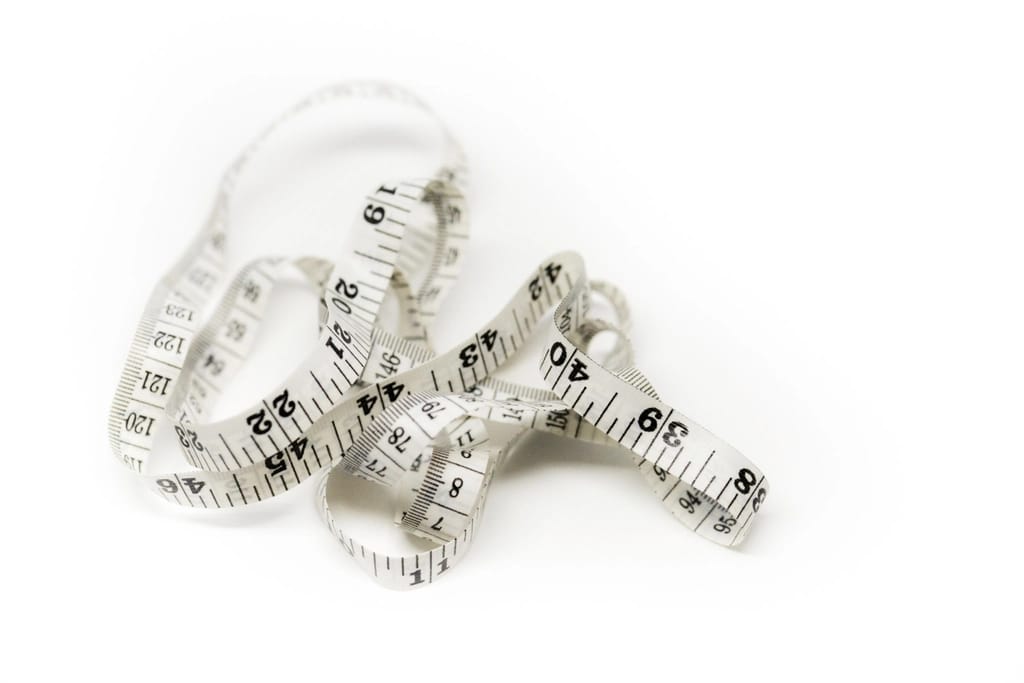
Instep-specific: measure the girth around your midfoot, not just the length and width of your footprint. A tape around the instep at its tallest point, standing, gives you a number you can compare between orders - and it is the only way to tell whether the shoe that worked was wide, deep, or both.
The picks in detail
Seven picks, ordered by how much vertical room each one gives a tall midfoot rather than by how wide it is across the ball.
1. Best overall
Lems Primal Zen
Lems builds one of the roomiest everyday lasts in the category - if other barefoot shoes still feel tight across the toes, start here.
What works
- Among the widest forefoot shapes available off the shelf
- High enough toe box for a tall big toe or a hammer toe
- Flexes flat and packs small
What does not
- The width that makes it work looks bulbous to some people
- Heel can be loose on a narrow heel
Skip these if: You have a narrow foot - all that room becomes heel slip and a sloppy fit.
Specifications as published by the maker and reported by Lems Shoes product listing, Primal Zen. We have not measured them ourselves. Lems Shoes fit profile
2. Best budget
Saguaro Chaser (Smart II / Vitality III)
The roomiest of the budget marketplace brands - more space around the ankle and over the toes than WHITIN, which is the difference that matters if you have a thick foot.
What works
- More instep volume than WHITIN at the same price
- Whole-family sizing, including kids
- Very minimal sole for the money
What does not
- Thin, cheap outsole wears quickly on pavement
- Model naming changes between generations, so repeat purchases are a lottery
Skip these if: You have a low-volume or narrow foot - this will feel like a slipper.
Specifications as published by the maker and reported by Anya's Reviews, Saguaro barefoot shoes review. We have not measured them ourselves. Saguaro fit profile
3. Best for an extreme instep
Xero Shoes Z-Trail EV
An 11 mm three-layer sole at under 11 oz that rolls up into a jacket pocket - the most practical barefoot sandal for people who are not sandal people.
What works
- Rolls up small enough to pack as a camp or travel second shoe
- The strap system adjusts in three places, which solves most volume problems
- Lightest practical choice for water and heat
What does not
- Strap break-in can rub the top of the foot
- Less grip on wet rock than a Vibram-soled sandal
Skip these if: You need technical traction for river crossings or scrambling - a Vibram Megagrip sandal is the better buy.
Specifications as published by the maker and reported by Greenbelly, best minimalist and running sandals specifications. We have not measured them ourselves. Xero Shoes fit profile
4. Best second last to try
JOOMRA Minimalist Trail Runners
The third marketplace brand worth knowing - broadly WHITIN's equal, and the one to try when WHITIN's instep volume does not work for you.
What works
- A genuine alternative last if WHITIN pinches
- Several styles in the same low price band
- Removable insole
What does not
- Same durability ceiling as the other marketplace brands
- Minimal published specification data to verify
Skip these if: You want a shoe you will still be wearing in two years.
Specifications as published by the maker and reported by Anya's Reviews, best barefoot and minimalist sneakers. We have not measured them ourselves. All brand fit profiles
5. Best for trail and distance
Altra Lone Peak 9
Zero drop with 25 mm of cushioning underneath. Not a barefoot shoe and not pretending to be - it is the zero-drop shoe you hike 2,000 miles in.
What works
- Zero drop with real cushioning - the combination almost nobody else offers
- The de facto standard on long-distance hiking trails
- Genuinely wide forefoot in standard width
What does not
- 25 mm of foam means essentially no ground feel
- Outsoles are known to wear out faster than the uppers
Skip these if: You want ground feel or foot strengthening. This shoe gives you neither - it gives you zero drop and comfort.
Specifications as published by the maker and reported by BikeHikeSafari, best barefoot shoes 2026 stated specifications. We have not measured them ourselves. Altra fit profile
6. Best boot
Lems Boulder Boot Grip
A waterproof zero-drop boot that packs almost flat. It is a light work and farm boot, not safety footwear, and Lems does not claim otherwise.
What works
- Waterproof without feeling like a plastic bag
- Packs flatter than any other boot here
- Wide, rounded toe box with room for toe splay
What does not
- Soft toe offers no impact protection
- Thin sole underfoot for a boot of this height
Skip these if: Your site requires a safety toe. This boot will not pass an inspection.
Specifications as published by the maker and reported by Anya's Reviews, zero-drop and minimalist work boots. We have not measured them ourselves. Lems Shoes fit profile
7. Best when nothing fits
Softstar Megagrip Primal RunAmoc
A 9.5 mm Vibram Megagrip sole with no insole at all, made to order in the USA - the shoe to buy when every mass-market last has failed your foot.
What works
- Vibram Megagrip on a genuinely thin, insole-free sole
- Made to order, including wide and extra-wide options
- Repairable and resolable rather than disposable
What does not
- Moccasin styling will not suit everyone
- Lead time, and brand-direct only
- Premium price
Skip these if: You need the shoe this week, or you want something that looks like a sneaker.
Specifications as published by the maker and reported by Outdoor Life, best barefoot shoes 2026 stated specifications. We have not measured them ourselves. All brand fit profiles
Common questions
What shoes are best for a high instep?
Shoes with a soft, unstructured upper and no hard overlay across the bridge of the foot, ideally with a removable insole and a closure you can slacken. The Lems Primal Zen is our lead pick because it is both extra-wide and tall through the toe box; on a budget, the Saguaro Chaser carries more instep volume than the other marketplace knits.
Is a high instep the same as a high arch?
No, though they often occur together. The arch is the curve underneath your foot; the instep is the height of the midfoot from sole to bridge. A high arch tends to show up as fatigue or pressure underneath the foot, while a high instep shows up as a pressure line across the top under the laces.
Should I size up for a high instep?
No. Lasts are graded in length, so a half size gains about 4 mm of length and almost no height, while moving the widest part of the shoe ahead of the widest part of your foot. Buy a deeper, softer upper at your measured length, and take the insole out before you buy anything at all.
Are barefoot shoes good for a high instep?
Generally yes, because most of the category uses a single soft upper with very little internal structure, and because the removable insole gives back 2 to 3.5 mm of depth. The exceptions are the thinnest, lightest models - the Vivobarefoot Primus Lite III and the Tracker both run low through the midfoot, and their own fit notes say so.
How do I stop laces pressing on the top of my foot?
Skip the eyelet pair that sits over the pressure point, or lace those two eyelets in parallel instead of crossing them. That removes the single hot spot without loosening the whole shoe, and it works on shoes you already own. If the pressure returns across the whole bridge, the upper is too shallow and re-lacing will not save it.
How do I measure my instep height?
Stand with your weight on the foot and run a soft tape around the midfoot at its tallest point, over the bridge and under the arch. The girth number is more useful than any height measurement because it is what the shoe actually has to enclose, and it lets you compare one order against the next.
Sources
- Outdoor Life, best barefoot shoes 2026 — stated stack heights and weights
- RunRepeat barefoot running shoes catalog
- Ridge et al., foot bone marrow edema after 10-week transition to minimal footwear
Accessed October 2026. Where a source is a manufacturer, the specification is theirs as published — we have not measured it.
Read next
Best for Extra-Wide Feet
Best barefoot shoes for extra-wide feet (October 2026)
When wide fittings still press on the fifth metatarsal: made-to-order, extra-wide lasts, and the two certified work boots that fit.
By Brijon M. · Updated October 2026
Top pick: Softstar Megagrip Primal RunAmoc
#ad — brand-direct link, we earn nothing on it. Why we still list it
Best for High Arches
Best barefoot shoes for high arches (October 2026)
A high arch is often a stiff arch. Start with more stack height, and solve the instep-volume problem that nobody mentions.
By Brijon M. · Updated October 2026
Top pick: Xero Shoes Scrambler Low
Best for Swollen Feet
The best barefoot shoes for swollen feet
Swelling is a volume problem, not a width problem. Five adjustable, high-volume picks, and the free insole fix to try first.
By Brijon M. · Updated October 2026
Top pick: Lems Primal Zen
Insoles for barefoot shoes
The stock insole is there to be removed, not supplemented. Warmth, replacement and a transition step are the three real exceptions.
By Brijon M. · Updated October 2026
Top pick: Xero Shoes Prio
Toe box shapes explained
Width, widest-point placement, taper direction and toe spring — the four properties that decide whether your toes actually fit.
By Brijon M. · Updated October 2026
Top pick: Lems Primal Zen
Barefoot shoe sizing by brand
Every brand's toe box, volume and sizing behavior in one table, with a source per row and a last-verified date.
By Brijon M. · Updated October 2026
Top pick: Xero Shoes Prio