Best for Achilles
The best barefoot shoes for Achilles tendonitis
Dropping your heel height increases Achilles load. That makes order of operations more important than which shoe.
By Brijon M. · Updated October 2026
The Xero Shoes Scrambler Low is the pick if you have Achilles tendonitis and still want a zero-drop shoe: 11.5 mm of stack and a removable insole, which is the most forgiving way into a flat platform. Understand the trade first - lowering heel height increases the load your Achilles carries.
How this page is funded: some links here are Amazon affiliate links, so we may earn a commission if you buy — at no extra cost to you. It never changes which products we include or how we rank them, and we take no payment from brands for placement. Full disclosure.
Quick picks
Tap any row to jump to the full write-up. Selection is specification-led, not wear-tested — how we choose.
| # | Product | Best for | Price |
|---|---|---|---|
| 1 | 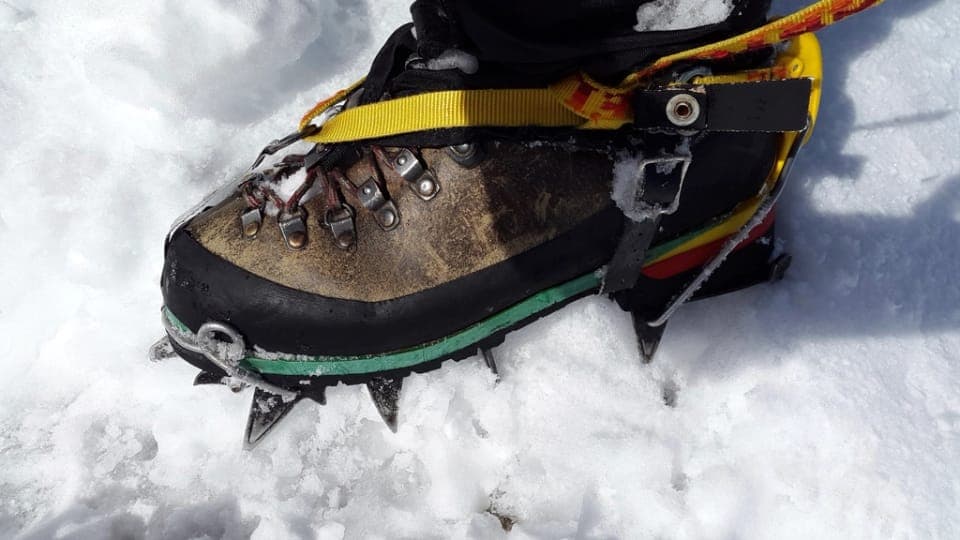 Best overallXero Shoes Scrambler LowAn 11.5 mm stack with 4 mm of foam and a removable 3.5 mm insole - the most forgiving zero-drop shoe here, and the one we would hand a nervous switcher. | 11.5 mm and a removable insole | |
| 2 | 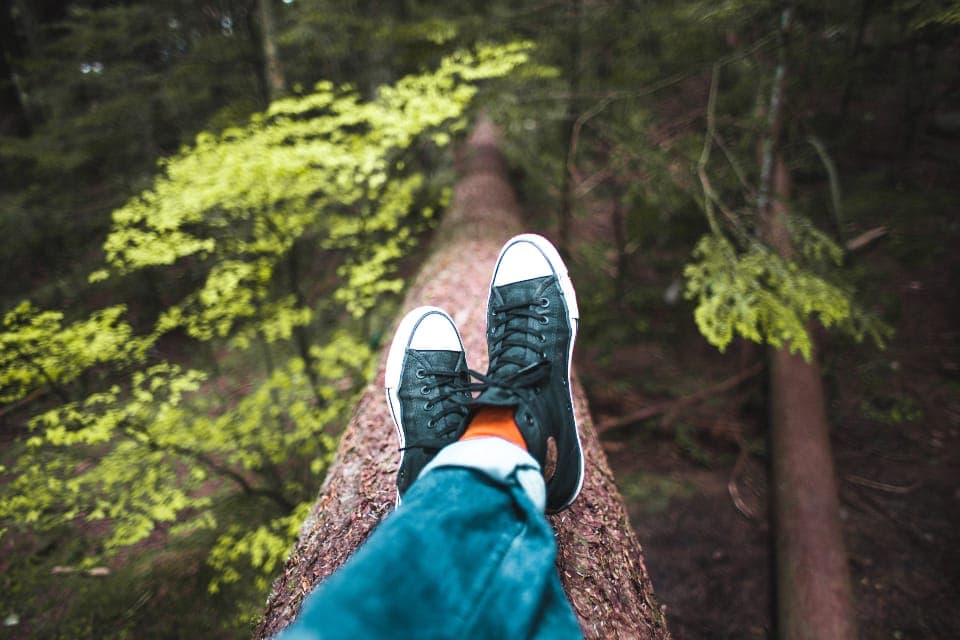 Most cushionedAltra Lone Peak 9Zero drop with 25 mm of cushioning underneath. Not a barefoot shoe and not pretending to be - it is the zero-drop shoe you hike 2,000 miles in. | Zero drop with 25 mm of foam | |
| 3 | 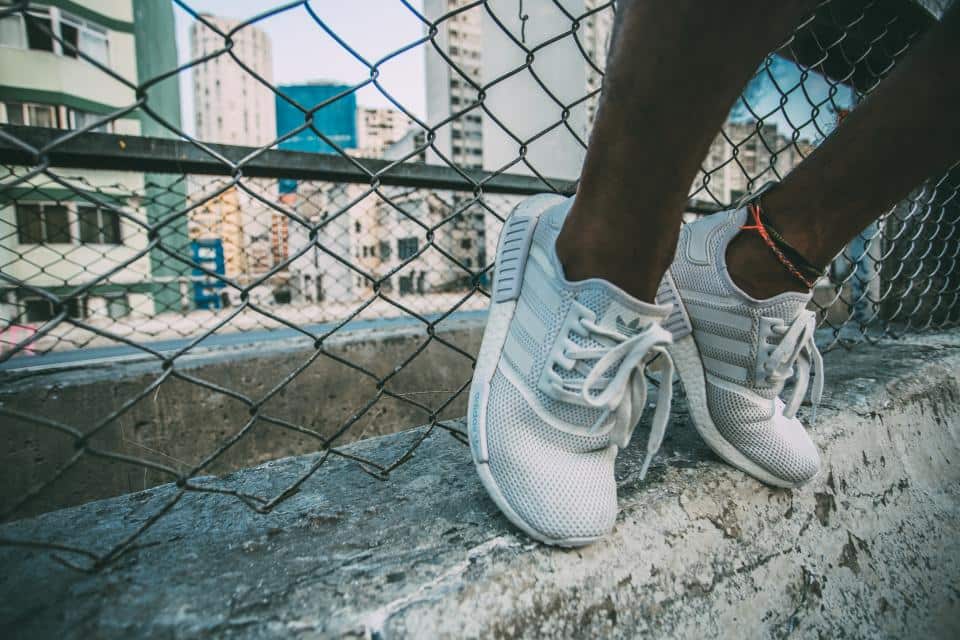 Best for road milesTopo Athletic ST-5A zero-drop road shoe from a brand that builds anatomically wide toe boxes without the barefoot ideology - a soft landing for skeptics. | Flat, but with a running-shoe midsole | |
| 4 | 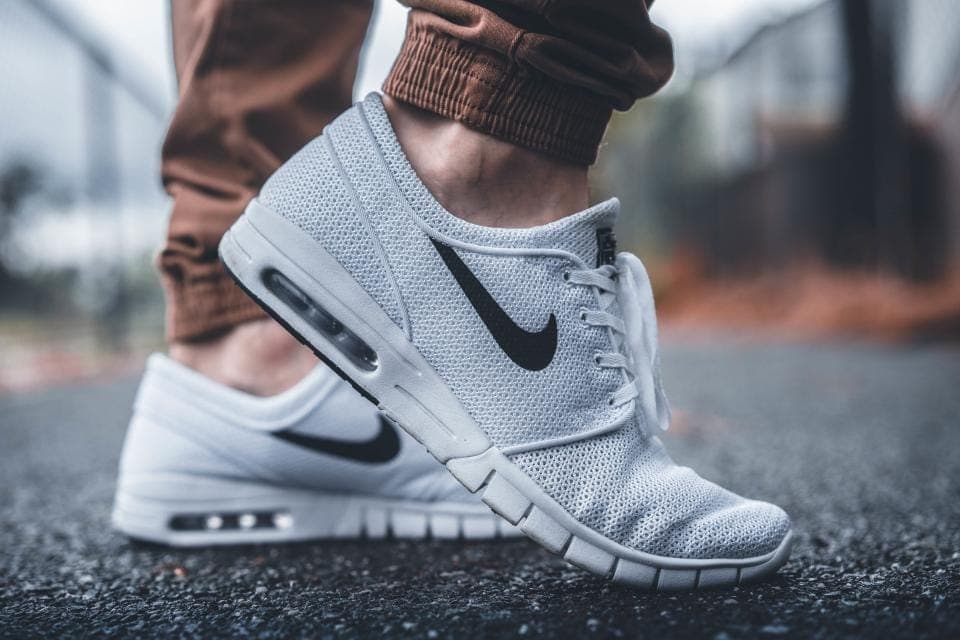 Best end pointXero Shoes PrioThe closest thing to a default first barefoot shoe: genuinely wide, genuinely flexible, and cheap enough that a failed experiment does not hurt. | Where to arrive, not where to start |
#ad Prices come from the retailer and change; we never publish a figure we have not verified live. Affiliate disclosure.
This is the one page on this site where the honest recommendation starts with a warning rather than a pick. A heel lift shortens the distance the Achilles has to work through. Remove it — which is what zero drop does — and the tendon and the calf take on more range and more load on every step. If your Achilles is currently irritated, that is the opposite of rest.
So the useful question is not which barefoot shoe is best for Achilles tendonitis. It is how to get to a flat shoe without provoking a tendon that is already complaining — and the answer is stack height, patience, and a shoe you can adjust.
Why this condition inverts the usual advice
Everywhere else on this site, a thinner and flatter shoe is the direction of travel and the only question is how fast. Here the direction itself carries the risk. Lowering heel height asks the calf-Achilles complex to lengthen further under load through each step, and that is a tissue that responds slowly to changes in demand and badly to sudden ones.
The clearest published evidence on moving quickly into minimal footwear is an MRI study of 36 runners: 10 of the 19 who spent 10 weeks transitioning developed new bone-marrow edema, mostly without symptoms. That is bone rather than tendon, and the lesson generalizes — the tissues in the foot and lower leg do not absorb a rapid change in load without consequence.
What that means practically is that the thinnest shoes in our registry are not on this page. The Vivobarefoot Primus Lite III at 4 mm total is an excellent shoe and it is the wrong one to meet an irritated Achilles with.
Pick by stack height, and plan to move down it
The Scrambler Low leads because of the insole. At 11.5 mm with the 3.5 mm insole in, it is close to a conventional sneaker in cushioning while already being flat; take the insole out in a couple of months and the same shoe is meaningfully thinner. One purchase, two stages, no guessing about whether you are ready.
How we chose
The criteria, applied in this order:
- Zero drop with the stack height kept, because the drop is the change you want and the thinness is the change that can wait.
- A removable insole, where it exists, so one shoe serves two stages of adaptation rather than forcing a second purchase.
- Enough forefoot width to let the foot work, since a flat narrow shoe gives you the risk without the benefit.
- Nothing under 7 mm. The thinnest shoes in our registry are deliberately excluded from this page.
- Currently sold in the US, verified at build time.
- No treatment claims. Footwear here is a load-management variable and nothing on this page is a therapy.
The order of operations that actually matters
- Get the tendon assessed. Achilles pain has several causes with different management, and insertional and mid-portion problems are not handled the same way. This step is not optional and a shoe does not replace it.
- Do the loaded calf work you are given. Across conservative management of this condition, progressive loading is the intervention with the strongest standing. Footwear supports it; it does not substitute.
- Change drop before you change thickness. Move to a cushioned zero-drop shoe first and stay there for weeks, not days.
- Add flat-shoe time in small doses. An hour a day, on soft ground where you can, and keep your current shoes for the rest of the day.
- Judge by the next morning. Stiffness on the first steps out of bed is the signal that matters with an Achilles. If it is worse, you went too fast.
- Then go thinner, by taking the insole out rather than by buying a thinner shoe.
If the soreness you are managing is the ordinary calf kind rather than the tendon kind, the calf-pain page covers it, and how long the whole transition takes sets realistic expectations.
Before you order: fit and transition
Two things matter more than which shoe on this page you pick, and both are free.
Get the size right. Barefoot brands size from internal length rather than from a conventional size label, and you need roughly 10 to 15 mm beyond your longest toe — more than a normal fitting leaves. Measure your feet, then use the sizing guide and the cross-brand table. Sizing up to get a wider shoe does not work: lasts scale in length, so you get heel slip and toes sitting behind the widest part of the shoe.
Build up slowly. The documented risk in this category is bone stress injury from a rushed transition — in one MRI study of 36 runners, 10 of the 19 who spent 10 weeks moving into minimal shoes developed new bone-marrow edema, mostly without symptoms. Keep your current shoes, add minimal-shoe hours gradually, and judge by how your feet feel the next morning. The transition plan.
Achilles-specific: the heel counter matters here in a way it does not elsewhere. A stiff or high counter that presses on the back of the heel will irritate an insertional problem regardless of drop. All four picks have soft counters, which is part of why they are on this page.
The picks in detail
Four picks ordered most forgiving first, each with published specs, honest cons and a 'skip these if'.
1. Best overall
Xero Shoes Scrambler Low
An 11.5 mm stack with 4 mm of foam and a removable 3.5 mm insole - the most forgiving zero-drop shoe here, and the one we would hand a nervous switcher.
What works
- The removable 3.5 mm insole gives you two shoes in one as your feet adapt
- Enough foam to survive a full day on concrete in week one
- Still flexes and still zero drop
What does not
- 11.5 mm is a lot of shoe if you came for ground feel
- Heavier than the rest of the line
Skip these if: You have already transitioned and want maximum ground feel - this will feel like a normal sneaker.
Specifications as published by the maker and reported by Outdoor Life, best barefoot shoes 2026 stated specifications. We have not measured them ourselves. Xero Shoes fit profile
2. Most cushioned
Altra Lone Peak 9
Zero drop with 25 mm of cushioning underneath. Not a barefoot shoe and not pretending to be - it is the zero-drop shoe you hike 2,000 miles in.
What works
- Zero drop with real cushioning - the combination almost nobody else offers
- The de facto standard on long-distance hiking trails
- Genuinely wide forefoot in standard width
What does not
- 25 mm of foam means essentially no ground feel
- Outsoles are known to wear out faster than the uppers
Skip these if: You want ground feel or foot strengthening. This shoe gives you neither - it gives you zero drop and comfort.
Specifications as published by the maker and reported by BikeHikeSafari, best barefoot shoes 2026 stated specifications. We have not measured them ourselves. Altra fit profile
3. Best for road miles
Topo Athletic ST-5
A zero-drop road shoe from a brand that builds anatomically wide toe boxes without the barefoot ideology - a soft landing for skeptics.
What works
- Wide toe box with a conventional running-shoe heel fit
- Enough midsole to run road mileage immediately
- Measured and scored in RunRepeat's lab catalog
What does not
- More shoe than most barefoot buyers want
- Narrower size range than the big running brands
Skip these if: You want ground feel. This is a running shoe that happens to be flat.
Specifications as published by the maker and reported by RunRepeat barefoot running shoes catalog. We have not measured them ourselves. All brand fit profiles
4. Best end point
Xero Shoes Prio
The closest thing to a default first barefoot shoe: genuinely wide, genuinely flexible, and cheap enough that a failed experiment does not hurt.
What works
- Removable 2 mm insole, so you can go thinner as your feet adapt
- Wide enough for most square and plateau foot shapes
- Flexes and rolls flat, which is the quickest way to spot a fake minimalist shoe
What does not
- The lacing panel can pressure a high instep
- Thin heel padding is noticeable on hard floors for the first week
Skip these if: You have a high-volume foot and dislike lace pressure across the top, or you need any cushioning at all on day one.
Specifications as published by the maker and reported by Xero Shoes Prio listing specifications. We have not measured them ourselves. Xero Shoes fit profile
Common questions
Are zero-drop shoes good for Achilles tendonitis?
Not as a starting point. Removing heel lift increases the range and load the Achilles works through on every step, which is the opposite of what an irritated tendon needs. Many people reach zero drop comfortably, but they get there gradually and after loaded calf work.
What is the best barefoot shoe if I have Achilles tendonitis?
The Xero Shoes Scrambler Low, at 11.5 mm with a removable 3.5 mm insole - flat, but with real cushioning, and adjustable as your calf adapts. If you want more foam than that, the Altra Lone Peak 9 is zero drop with 25 mm underneath.
Can barefoot shoes cause Achilles tendonitis?
A fast switch can provoke it, yes, by increasing Achilles load before the tissue has adapted. The documented risk of rushing into minimal footwear is well established for bone stress; the same principle - slow changes in load - applies to tendon.
Should I go back to a heel lift if my Achilles flares up?
Temporarily reducing Achilles load is a standard conservative approach, and doing it does not undo weeks of adaptation. Treat it as managing the tissue rather than as failing the transition, and get the tendon assessed.
How long before I can wear thin zero-drop shoes?
There is no reliable number, and anyone who gives you one is guessing. Most people in this category need 8 to 16 weeks for a normal transition, and an irritated Achilles usually means longer. Let the first steps in the morning decide the pace.
Sources
- Outdoor Life, best barefoot shoes 2026 — stated stack heights and weights
- RunRepeat barefoot running shoes catalog
- Ridge et al., foot bone marrow edema after 10-week transition to minimal footwear
- Effects of Minimalist Shoes on Plantar Intrinsic Foot Muscle Size and Strength: A Review
Accessed October 2026. Where a source is a manufacturer, the specification is theirs as published — we have not measured it.
Read next
Calf pain in barefoot shoes
Diffuse tightness for two to four weeks is expected. The mechanism, six things that help, and the patterns that mean stop.
By Brijon M. · Updated October 2026
Top pick: Xero Shoes Scrambler Low

How long does the transition take?
8-16 weeks for everyday wear, 6-12 months for full running mileage, and a stage table explaining why bone sets the pace.
By Brijon M. · Updated October 2026
Top pick: Xero Shoes Scrambler Low

How to transition to barefoot shoes
A concrete 16-week plan with numbers, built around the MRI study that found bone-marrow edema in 10 of 19 transitioning runners.
By Brijon M. · Updated October 2026
Top pick: Xero Shoes Scrambler Low
Best for Plantar Heel Pain
Barefoot shoes and plantar fasciitis (October 2026)
Mixed evidence, two opposite mechanisms, and no cure claims. The lower-risk sequence if pain has already settled.
By Brijon M. · Updated October 2026
Top pick: Altra Lone Peak 9
How to choose barefoot shoes
Five decisions in order: measure, stack height by stage, width and volume, the three-part test, then brand.
By Brijon M. · Updated October 2026
Top pick: Xero Shoes Scrambler Low
Barefoot vs Zero Drop
Barefoot vs zero drop: which do you actually want?
Every barefoot shoe is zero drop; most zero-drop shoes are not barefoot. A side-by-side table and a pick for each answer.
By Brijon M. · Updated October 2026
Top pick: Vivobarefoot Primus Lite III