Best for High Arches
Best barefoot shoes for high arches (October 2026)
High-arched feet have two problems in this category, and only one of them is about the arch.
By Brijon M. · Updated October 2026
A high arch is often a stiff arch with less capacity to flatten and absorb, so start with more stack height rather than less — the Xero Scrambler Low at 11.5 mm is a sensible first shoe. The second problem is volume: a high instep needs a roomy shoe, not just a wide one.
How this page is funded: some links here are Amazon affiliate links, so we may earn a commission if you buy — at no extra cost to you. It never changes which products we include or how we rank them, and we take no payment from brands for placement. Full disclosure.
Quick picks
Tap any row to jump to the full write-up. Selection is specification-led, not wear-tested — how we choose.
| # | Product | Best for | Price |
|---|---|---|---|
| 1 | 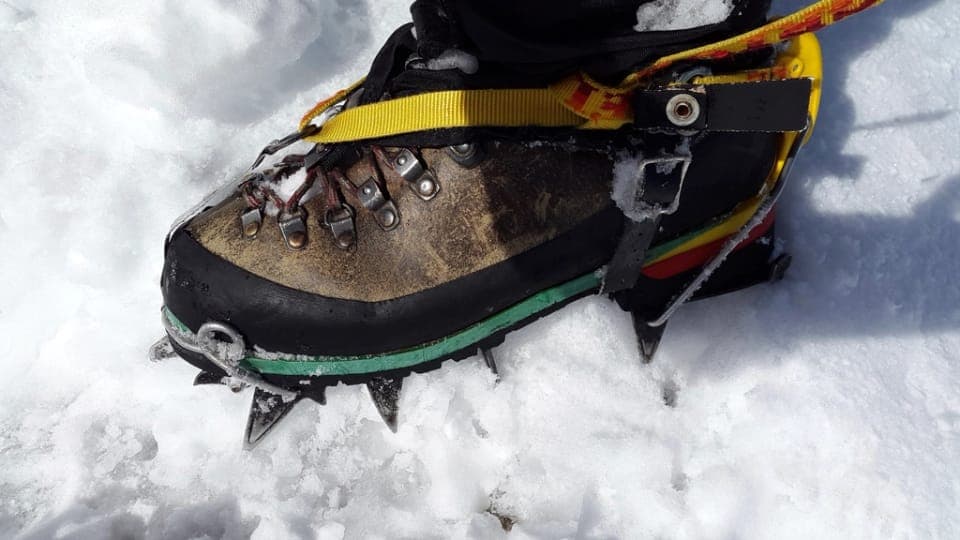 Best overallXero Shoes Scrambler LowAn 11.5 mm stack with 4 mm of foam and a removable 3.5 mm insole - the most forgiving zero-drop shoe here, and the one we would hand a nervous switcher. | Stiff high arches needing stack height | |
| 2 |  Best for a high instepLems Primal ZenLems builds one of the roomiest everyday lasts in the category - if other barefoot shoes still feel tight across the toes, start here. | Tall toe box and high volume | |
| 3 |  Best budgetSaguaro Chaser (Smart II / Vitality III)The roomiest of the budget marketplace brands - more space around the ankle and over the toes than WHITIN, which is the difference that matters if you have a thick foot. | High volume on a tight budget | |
| 4 |  Best cushionedAltra Lone Peak 9Zero drop with 25 mm of cushioning underneath. Not a barefoot shoe and not pretending to be - it is the zero-drop shoe you hike 2,000 miles in. | Keeping impact absorption | |
| 5 | 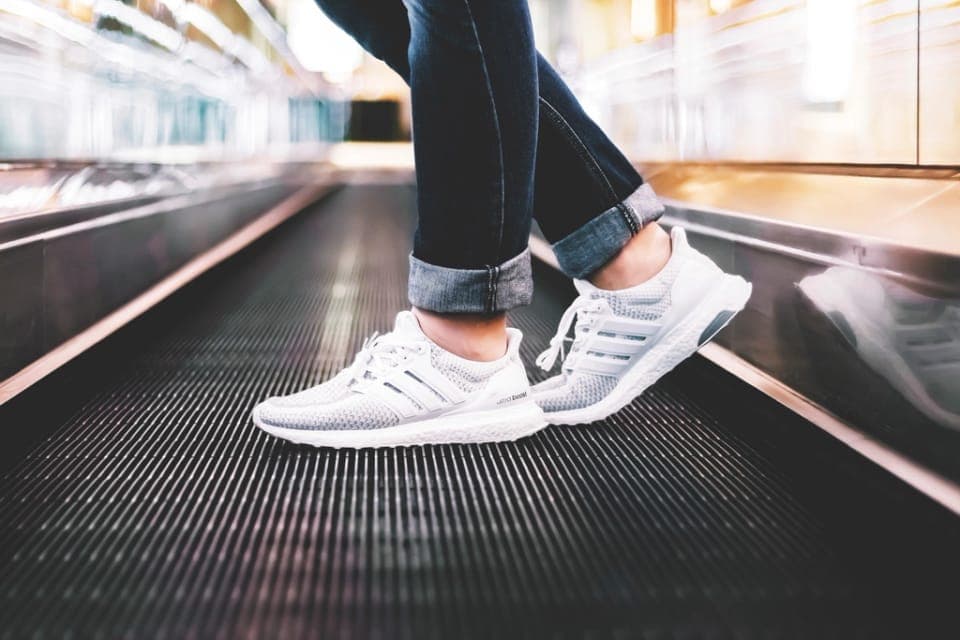 Best for trailMerrell Trail Glove 7A 14 mm stack, zero drop and a Vibram outsole - the most mainstream way to hike in a minimalist shoe, available waterproof or not. | 14 mm with Vibram traction | |
| 6 |  Thinnest to aim atXero Shoes PrioThe closest thing to a default first barefoot shoe: genuinely wide, genuinely flexible, and cheap enough that a failed experiment does not hurt. | Later, once adapted |
#ad Prices come from the retailer and change; we never publish a figure we have not verified live. Affiliate disclosure.
High-arched feet are poorly served by this category's standard advice, and for two reasons that get conflated.
The arch itself. A high arch is frequently a stiff arch rather than a strong one. It has less capacity to flatten and spread on landing, which means less built-in shock absorption. These feet tend to load the heel and the ball heavily and the midfoot barely at all. Take cushioning away and that concentrated loading gets transmitted rather than absorbed, and people find thin soles uncomfortable sooner than the roundups led them to expect.
The volume problem. A high arch usually comes with a high instep, and instep depth is the dimension nobody publishes. The symptom is distinctive: a shoe that is perfectly fine at the toes and feels tight across the top of the foot within ten minutes, or lace pressure that will not go away however you re-tie it.
How we chose
The criteria, applied in this order:
- Stack height of 11 mm or more for a first shoe, because a stiff foot absorbs less and needs the sole to do more.
- High volume through the midfoot, assessed from the published fit comparisons cited below — this is the constraint that rules out several otherwise-good shoes.
- Toe-box height, since a high-arched foot often sits taller in the shoe overall.
- Lacing that can be adjusted across the instep rather than a fixed-volume slip-on.
- A removable insole, so stack height can be reduced over time as the foot adapts.
- Currently sold in the US, verified at build time.
The brands to avoid, and why
Vivobarefoot is the one to flag. The shoes are excellent and the lasts are genuinely foot-shaped, but roundups repeatedly note that Vivobarefoot does not suit high-volume feet, and the very low stack height makes it a poor first shoe for a stiff foot. Both of its headline strengths work against this particular reader.
WHITIN is the other: genuinely wide, and genuinely low-volume. At that price it is worth a try, but if you have a high instep expect lace pressure. Saguaro is the same price band with noticeably more room over the top of the foot, which makes it the better budget choice here. Cross-brand table.
Lacing is a real lever
Before you conclude a shoe is too low-volume, try window lacing — skip the eyelet pair directly over the pressure point and lace around it. It redistributes tension away from the high point of the instep and it solves a surprising number of near-misses, at zero cost.
Pulling the insole out is the other lever: 3 mm less under the foot is 3 mm more headroom. It makes the shoe thinner, which is a trade-off, but for a near-fit it is often the difference.
Before you order: fit and transition
Two things matter more than which shoe on this page you pick, and both are free.
Get the size right. Barefoot brands size from internal length rather than from a conventional size label, and you need roughly 10 to 15 mm beyond your longest toe — more than a normal fitting leaves. Measure your feet, then use the sizing guide and the cross-brand table. Sizing up to get a wider shoe does not work: lasts scale in length, so you get heel slip and toes sitting behind the widest part of the shoe.
Build up slowly. The documented risk in this category is bone stress injury from a rushed transition — in one MRI study of 36 runners, 10 of the 19 who spent 10 weeks moving into minimal shoes developed new bone-marrow edema, mostly without symptoms. Keep your current shoes, add minimal-shoe hours gradually, and judge by how your feet feel the next morning. The transition plan.
One extra caution for stiff high-arched feet: the transition literature's warning about forefoot loading matters more here, because a foot that does not flatten transmits more of each landing. Build minimal-shoe time up more slowly than the general advice, and treat heel or ball pain that arrives with new shoes as a reason to hold rather than push.
The picks in detail
Ordered by stack height and volume rather than overall ranking, because for a stiff high-arched foot those two are the properties that decide whether you can wear the shoe at all.
1. Best overall
Xero Shoes Scrambler Low
An 11.5 mm stack with 4 mm of foam and a removable 3.5 mm insole - the most forgiving zero-drop shoe here, and the one we would hand a nervous switcher.
What works
- The removable 3.5 mm insole gives you two shoes in one as your feet adapt
- Enough foam to survive a full day on concrete in week one
- Still flexes and still zero drop
What does not
- 11.5 mm is a lot of shoe if you came for ground feel
- Heavier than the rest of the line
Skip these if: You have already transitioned and want maximum ground feel - this will feel like a normal sneaker.
Specifications as published by the maker and reported by Outdoor Life, best barefoot shoes 2026 stated specifications. We have not measured them ourselves. Xero Shoes fit profile
2. Best for a high instep
Lems Primal Zen
Lems builds one of the roomiest everyday lasts in the category - if other barefoot shoes still feel tight across the toes, start here.
What works
- Among the widest forefoot shapes available off the shelf
- High enough toe box for a tall big toe or a hammer toe
- Flexes flat and packs small
What does not
- The width that makes it work looks bulbous to some people
- Heel can be loose on a narrow heel
Skip these if: You have a narrow foot - all that room becomes heel slip and a sloppy fit.
Specifications as published by the maker and reported by Lems Shoes product listing, Primal Zen. We have not measured them ourselves. Lems Shoes fit profile
3. Best budget
Saguaro Chaser (Smart II / Vitality III)
The roomiest of the budget marketplace brands - more space around the ankle and over the toes than WHITIN, which is the difference that matters if you have a thick foot.
What works
- More instep volume than WHITIN at the same price
- Whole-family sizing, including kids
- Very minimal sole for the money
What does not
- Thin, cheap outsole wears quickly on pavement
- Model naming changes between generations, so repeat purchases are a lottery
Skip these if: You have a low-volume or narrow foot - this will feel like a slipper.
Specifications as published by the maker and reported by Anya's Reviews, Saguaro barefoot shoes review. We have not measured them ourselves. Saguaro fit profile
4. Best cushioned
Altra Lone Peak 9
Zero drop with 25 mm of cushioning underneath. Not a barefoot shoe and not pretending to be - it is the zero-drop shoe you hike 2,000 miles in.
What works
- Zero drop with real cushioning - the combination almost nobody else offers
- The de facto standard on long-distance hiking trails
- Genuinely wide forefoot in standard width
What does not
- 25 mm of foam means essentially no ground feel
- Outsoles are known to wear out faster than the uppers
Skip these if: You want ground feel or foot strengthening. This shoe gives you neither - it gives you zero drop and comfort.
Specifications as published by the maker and reported by BikeHikeSafari, best barefoot shoes 2026 stated specifications. We have not measured them ourselves. Altra fit profile
5. Best for trail
Merrell Trail Glove 7
A 14 mm stack, zero drop and a Vibram outsole - the most mainstream way to hike in a minimalist shoe, available waterproof or not.
What works
- Vibram traction that holds on wet rock
- Enough stack to hike a full day on mixed terrain
- Easy to find in stores and easy to return
What does not
- Toe box is moderate, not wide - Merrell's last is narrower than Xero's
- 14 mm is firm cushioning, not soft
Skip these if: You need a genuinely wide or extra-wide forefoot.
Specifications as published by the maker and reported by BikeHikeSafari, best barefoot shoes 2026 stated specifications. We have not measured them ourselves. Merrell fit profile
6. Thinnest to aim at
Xero Shoes Prio
The closest thing to a default first barefoot shoe: genuinely wide, genuinely flexible, and cheap enough that a failed experiment does not hurt.
What works
- Removable 2 mm insole, so you can go thinner as your feet adapt
- Wide enough for most square and plateau foot shapes
- Flexes and rolls flat, which is the quickest way to spot a fake minimalist shoe
What does not
- The lacing panel can pressure a high instep
- Thin heel padding is noticeable on hard floors for the first week
Skip these if: You have a high-volume foot and dislike lace pressure across the top, or you need any cushioning at all on day one.
Specifications as published by the maker and reported by Xero Shoes Prio listing specifications. We have not measured them ourselves. Xero Shoes fit profile
Common questions
Are barefoot shoes good for high arches?
They can be, with more care than the general advice implies. A high arch is often a stiff arch with less capacity to absorb landing, so start with more stack height and build minimal-shoe time more slowly than most roundups suggest.
Why do barefoot shoes feel tight on top of my foot?
A high arch usually comes with a high instep, and instep volume is the dimension brands do not publish. Try window lacing around the pressure point and pulling the insole out before you give up on the shoe.
Which barefoot brands suit a high instep?
Lems and Saguaro are roomy through the midfoot. Vivobarefoot and WHITIN both run low-volume and will frustrate you regardless of toe-box width.
Do I need arch support for high arches?
Not automatically — a high arch is not a weak arch. But a stiff high arch absorbs less, which is an argument for cushioning rather than for contour. Arch support options.
Will barefoot shoes flatten my high arch?
There is no good evidence that they change adult arch height in either direction. The measured changes are in intrinsic foot muscle size and strength, which is a different outcome.
Sources
- Outdoor Life, best barefoot shoes 2026 — stated stack heights and weights
- RunRepeat barefoot running shoes catalog
- Ridge et al., foot bone marrow edema after 10-week transition to minimal footwear
- Effects of Minimalist Shoes on Plantar Intrinsic Foot Muscle Size and Strength: A Review
- Epidemiology of Shoe Wearing Patterns Over Time in Older Women: Associations With Foot Pain and Hallux Valgus
- Footwear Toe-Box Shape and Medial Forefoot Pressures in Women With Hallux Valgus
Accessed October 2026. Where a source is a manufacturer, the specification is theirs as published — we have not measured it.
Read next

Do barefoot shoes have arch support?
No, by design. Whether that suits you depends on whether your arch is flexible, rigid or already irritated.
By Brijon M. · Updated October 2026
Top pick: Xero Shoes Scrambler Low
Best With Some Support
Best minimalist shoes if you want arch support (October 2026)
No barefoot shoe has arch support. The three honest alternatives, ordered from most cushioned to least.
By Brijon M. · Updated October 2026
Top pick: Altra Lone Peak 9

Best for Flat Feet
Best barefoot shoes for flat feet (October 2026)
Flexible and rigid flat feet need opposite things. How to tell which you have, and the shoes for the case that fits.
By Brijon M. · Updated October 2026
Top pick: Xero Shoes Scrambler Low

Barefoot shoe sizing by brand
Every brand's toe box, volume and sizing behavior in one table, with a source per row and a last-verified date.
By Brijon M. · Updated October 2026
Top pick: Xero Shoes Prio
Thinnest Soles
Vivobarefoot: fit, sizing and the volume problem
The thinnest soles in the category, the low-volume fit that catches people out, and why it is the wrong first pair.
By Brijon M. · Updated October 2026
Top pick: Vivobarefoot Primus Lite III

How to transition to barefoot shoes
A concrete 16-week plan with numbers, built around the MRI study that found bone-marrow edema in 10 of 19 transitioning runners.
By Brijon M. · Updated October 2026
Top pick: Xero Shoes Scrambler Low