Best for Swollen Feet
The best barefoot shoes for swollen feet
Room over the instep, a closure that adjusts through the day, and an insole you can take out when the shoe runs out of depth.
By Brijon M. · Updated October 2026
The Lems Primal Zen is the pick for most swollen feet: an extra-wide last with a soft knit or canvas upper and a removable insole that gives back 2 to 3.5 mm of depth. If your feet change through the day rather than being permanently broad, the Xero Shoes Z-Trail EV adjusts in three places and solves the problem outright.
How this page is funded: some links here are Amazon affiliate links, so we may earn a commission if you buy — at no extra cost to you. It never changes which products we include or how we rank them, and we take no payment from brands for placement. Full disclosure.
Quick picks
Tap any row to jump to the full write-up. Selection is specification-led, not wear-tested — how we choose.
| # | Product | Best for | Price |
|---|---|---|---|
| 1 |  Best overallLems Primal ZenLems builds one of the roomiest everyday lasts in the category - if other barefoot shoes still feel tight across the toes, start here. | Extra-wide last, soft upper, removable insole | |
| 2 |  Best for swelling that changes dailyXero Shoes Z-Trail EVAn 11 mm three-layer sole at under 11 oz that rolls up into a jacket pocket - the most practical barefoot sandal for people who are not sandal people. | Straps that adjust in three places | |
| 3 |  Best budgetSaguaro Chaser (Smart II / Vitality III)The roomiest of the budget marketplace brands - more space around the ankle and over the toes than WHITIN, which is the difference that matters if you have a thick foot. | Stretch knit that moves with a changing foot | |
| 4 |  Best lace-adjustable shoeXero Shoes PrioThe closest thing to a default first barefoot shoe: genuinely wide, genuinely flexible, and cheap enough that a failed experiment does not hurt. | A lacing panel you can slacken over the instep | |
| 5 | 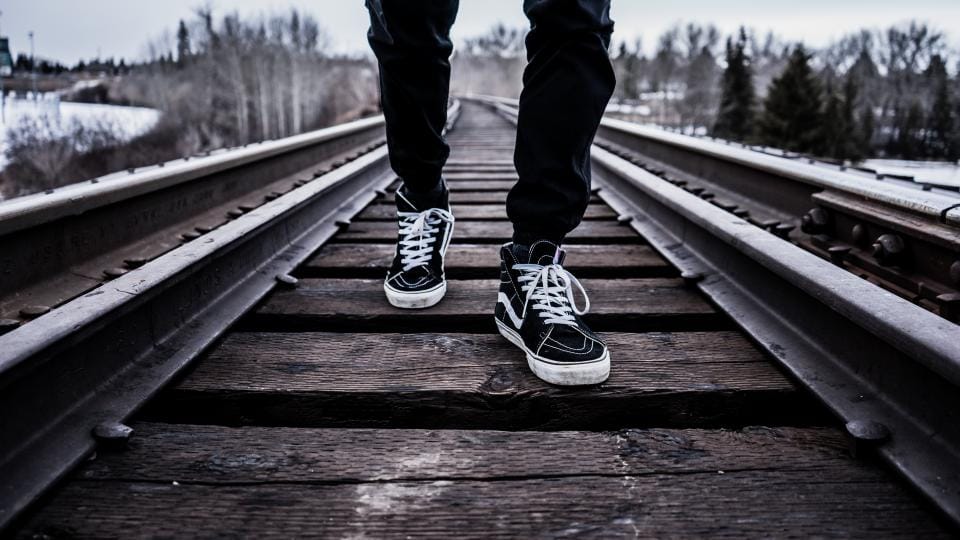 Best second pairWHITIN Minimalist Trail RunnerA zero-drop, wide-toe-box knit shoe at roughly a third of what the established brands charge - and the cheapest honest way to find out if this suits you. | Wide knit at the lowest cost per pair |
#ad Prices come from the retailer and change; we never publish a figure we have not verified live. Affiliate disclosure.
Most shoe advice for swollen feet tells you to buy a wider shoe. That is half right, and the missing half is why people end up with a shoe that still hurts. Swelling adds volume, not just width. The foot gets deeper over the instep as well as broader across the ball, and a shoe that is generous across the toes but shallow over the top will press on the bridge of your foot long before it runs out of room at the end.
So the specification for a swollen foot is different from the one for a permanently wide foot: depth and adjustability come first, width comes second. Every pick here is chosen on that basis.
Why the widest shoe is often the wrong shoe
A shoe has three dimensions and the marketing only ever talks about one. Width is the measurement across the ball of the foot. Volume is how much foot the shoe can swallow vertically, set by the depth of the upper and the thickness of whatever is inside it. Length is the one people change when the other two are wrong, which is the mistake.
Two shoes in this registry illustrate it. The WHITIN knit is genuinely wide and relatively shallow — excellent for a flat, broad foot and frustrating for a swollen one. The Lems Primal Zen is wide and high-volume, which is why it leads this page despite not being the widest shoe on the site. Toe box shapes explained covers how to tell which is which from a photograph.
How we chose
The criteria, applied in this order:
- Volume over the instep first, judged from published fit data and upper construction, with width noted separately.
- A closure that adjusts through the day - straps, a slackenable lacing panel, or a knit that stretches rather than resists.
- A removable insole, because it is the cheapest depth you will ever buy.
- Zero drop and a wide toe box, because the reason this site exists does not stop applying to a swollen foot.
- A soft upper with no hard overlay across the bridge, which is exactly where swelling presses.
- Currently sold in the US with a real budget option, since a foot that is changing may need a different shoe in six months.
The insole trick, in detail
Most barefoot shoes ship with a thin removable insole of 2 to 3.5 mm. Taking it out does three useful things at once for a swollen foot: it drops the footbed, which gives your instep headroom; it slightly increases the internal length; and it makes the shoe fractionally thinner underfoot, which is probably what you wanted anyway. It is reversible, it is free, and it is the first thing to try before buying anything. Insoles for barefoot shoes covers which shoes have one and what to put back if the floor feels too hard without it.
Sandals are the honest answer for bad days
If your feet swell substantially and unpredictably, a strap sandal is not a compromise — it is the correct product. The Xero Shoes Z-Trail EV adjusts at three points and weighs 10.8 oz per pair, so it accommodates a foot that is noticeably bigger at 8pm than at 8am with no pressure point at all. The limit is obvious: it is a sandal, so it is no use in winter or under a dress code, which is why there are four closed shoes on this list too.
For the broader argument, barefoot shoes vs sandals sets out where each one wins.
Who else to read
Swelling overlaps three other pages here, and one of them may be a better fit for you than this one. If you are pregnant, the pregnancy roundup covers the balance and sizing changes that come with it. If your feet are permanently broad rather than variable, extra-wide feet ranks the widest lasts we can verify. If you have diabetes or reduced sensation, read the neuropathy roundup first, because the caution there comes before any fit advice.
Before you order: fit and transition
Two things matter more than which shoe on this page you pick, and both are free.
Get the size right. Barefoot brands size from internal length rather than from a conventional size label, and you need roughly 10 to 15 mm beyond your longest toe — more than a normal fitting leaves. Measure your feet, then use the sizing guide and the cross-brand table. Sizing up to get a wider shoe does not work: lasts scale in length, so you get heel slip and toes sitting behind the widest part of the shoe.
Build up slowly. The documented risk in this category is bone stress injury from a rushed transition — in one MRI study of 36 runners, 10 of the 19 who spent 10 weeks moving into minimal shoes developed new bone-marrow edema, mostly without symptoms. Keep your current shoes, add minimal-shoe hours gradually, and judge by how your feet feel the next morning. The transition plan.
Swelling-specific: measure at the end of the day with your weight on the foot. A morning measurement will fit you into a shoe that hurts by mid-afternoon, and that is the single most common mistake in this whole fitting problem.
The picks in detail
Five picks, ordered by how much your feet change through the day rather than by how wide they are.
1. Best overall
Lems Primal Zen
Lems builds one of the roomiest everyday lasts in the category - if other barefoot shoes still feel tight across the toes, start here.
What works
- Among the widest forefoot shapes available off the shelf
- High enough toe box for a tall big toe or a hammer toe
- Flexes flat and packs small
What does not
- The width that makes it work looks bulbous to some people
- Heel can be loose on a narrow heel
Skip these if: You have a narrow foot - all that room becomes heel slip and a sloppy fit.
Specifications as published by the maker and reported by Lems Shoes product listing, Primal Zen. We have not measured them ourselves. Lems Shoes fit profile
2. Best for swelling that changes daily
Xero Shoes Z-Trail EV
An 11 mm three-layer sole at under 11 oz that rolls up into a jacket pocket - the most practical barefoot sandal for people who are not sandal people.
What works
- Rolls up small enough to pack as a camp or travel second shoe
- The strap system adjusts in three places, which solves most volume problems
- Lightest practical choice for water and heat
What does not
- Strap break-in can rub the top of the foot
- Less grip on wet rock than a Vibram-soled sandal
Skip these if: You need technical traction for river crossings or scrambling - a Vibram Megagrip sandal is the better buy.
Specifications as published by the maker and reported by Greenbelly, best minimalist and running sandals specifications. We have not measured them ourselves. Xero Shoes fit profile
3. Best budget
Saguaro Chaser (Smart II / Vitality III)
The roomiest of the budget marketplace brands - more space around the ankle and over the toes than WHITIN, which is the difference that matters if you have a thick foot.
What works
- More instep volume than WHITIN at the same price
- Whole-family sizing, including kids
- Very minimal sole for the money
What does not
- Thin, cheap outsole wears quickly on pavement
- Model naming changes between generations, so repeat purchases are a lottery
Skip these if: You have a low-volume or narrow foot - this will feel like a slipper.
Specifications as published by the maker and reported by Anya's Reviews, Saguaro barefoot shoes review. We have not measured them ourselves. Saguaro fit profile
4. Best lace-adjustable shoe
Xero Shoes Prio
The closest thing to a default first barefoot shoe: genuinely wide, genuinely flexible, and cheap enough that a failed experiment does not hurt.
What works
- Removable 2 mm insole, so you can go thinner as your feet adapt
- Wide enough for most square and plateau foot shapes
- Flexes and rolls flat, which is the quickest way to spot a fake minimalist shoe
What does not
- The lacing panel can pressure a high instep
- Thin heel padding is noticeable on hard floors for the first week
Skip these if: You have a high-volume foot and dislike lace pressure across the top, or you need any cushioning at all on day one.
Specifications as published by the maker and reported by Xero Shoes Prio listing specifications. We have not measured them ourselves. Xero Shoes fit profile
5. Best second pair
WHITIN Minimalist Trail Runner
A zero-drop, wide-toe-box knit shoe at roughly a third of what the established brands charge - and the cheapest honest way to find out if this suits you.
What works
- The lowest-risk way to test barefoot shoes at all
- Removable sockliner, so you can thin it out over time
- Wide toe box that genuinely is wide
What does not
- Low volume through the instep compared with Saguaro
- Build quality is what the price suggests - it will not last years
- Sizing is inconsistent between colorways
Skip these if: You have a high instep or a high-volume foot - WHITIN runs low and you will feel the laces.
Specifications as published by the maker and reported by That Fit Friend, WHITIN Minimalist Trail Runner review. We have not measured them ourselves. WHITIN fit profile
Common questions
What shoes are best for swollen feet?
Shoes with high volume over the instep, a soft upper and a closure that adjusts - not simply the widest shoe you can find. Swelling adds depth as well as width, so a wide but shallow shoe still presses across the bridge of the foot.
Are barefoot shoes good for swollen feet?
The wide toe box and flat platform help, and the thin removable insole gives you a few millimeters of depth back when you take it out. The caution is thinness: if swelling comes with reduced sensation or diabetes, speak to a clinician before going thin underfoot.
Should I buy a bigger size if my feet swell?
No. Lasts are graded in length, so a size up gives you about 4 mm more length and almost no extra width or depth, while moving the widest part of the shoe ahead of the widest part of your foot. Buy a wider, higher-volume last at your measured length instead.
What time of day should I measure my feet?
At the end of the day, standing, with your weight on the foot. That is the largest your foot gets and it is the measurement the shoe has to survive. A first-thing measurement is the usual cause of a shoe that hurts by the afternoon.
Do removable insoles really help?
Yes, and it is the cheapest fix available. Most barefoot shoes have a 2 to 3.5 mm insole, and removing it drops the footbed by that amount - more vertical room than a half size up gives you, exactly where swelling needs it.
Are sandals better than shoes for swollen feet?
For unpredictable swelling, yes. A three-point adjustable strap sandal accommodates a foot that changes substantially through the day with no pressure point anywhere. The limits are weather and dress codes, which is why a soft, high-volume closed shoe is still worth owning.
Sources
- Outdoor Life, best barefoot shoes 2026 — stated stack heights and weights
- RunRepeat barefoot running shoes catalog
- Ridge et al., foot bone marrow edema after 10-week transition to minimal footwear
- Footwear Toe-Box Shape and Medial Forefoot Pressures in Women With Hallux Valgus
Accessed October 2026. Where a source is a manufacturer, the specification is theirs as published — we have not measured it.
Read next
Best for Extra-Wide Feet
Best barefoot shoes for extra-wide feet (October 2026)
When wide fittings still press on the fifth metatarsal: made-to-order, extra-wide lasts, and the two certified work boots that fit.
By Brijon M. · Updated October 2026
Top pick: Softstar Megagrip Primal RunAmoc
#ad — brand-direct link, we earn nothing on it. Why we still list it
Best for Pregnancy
The best barefoot shoes for pregnancy
Six wide, stable zero-drop shoes for pregnancy, ranked by heel hold and room to swell into rather than by thinness.
By Brijon M. · Updated October 2026
Top pick: Xero Shoes Scrambler Low
Insoles for barefoot shoes
The stock insole is there to be removed, not supplemented. Warmth, replacement and a transition step are the three real exceptions.
By Brijon M. · Updated October 2026
Top pick: Xero Shoes Prio
Best With Neuropathy
Barefoot shoes and neuropathy (October 2026)
Thin soles trade protection for feedback you may not be able to use. The trade-off explained, and a clinician-first recommendation.
By Brijon M. · Updated October 2026
Top pick: Xero Shoes Scrambler Low
Barefoot shoe sizing, properly
Measure, do not convert. How much toe room to leave, why sizing up for width fails, and what to check when the box arrives.
By Brijon M. · Updated October 2026
Top pick: Xero Shoes Prio
Best Sandals
Best barefoot sandals (October 2026)
Six sandals from 7 mm to 14 mm, compared on sole, weight, traction and straps — plus the toe-post question.
By Brijon M. · Updated October 2026
Top pick: Xero Shoes Z-Trail EV