Best Barefoot Work Shoes
The best barefoot work shoes
Wide, flat shoes for a working day on hard floors - and the one certification question that decides whether you can buy a shoe at all instead of a boot.
By Brijon M. · Updated October 2026
Only one low-cut option here carries a safety rating: the Gaucho Ninja Sneaky Ninja trainer. If your job does not require one, the Lems Primal Zen is the best shoe for long shifts on hard floors and the Xero Shoes Prio is the best all-rounder. None of these publishes a slip-resistance rating.
How this page is funded: some links here are Amazon affiliate links, so we may earn a commission if you buy — at no extra cost to you. It never changes which products we include or how we rank them, and we take no payment from brands for placement. Full disclosure.
Quick picks
Tap any row to jump to the full write-up. Selection is specification-led, not wear-tested — how we choose.
| # | Product | Best for | Price |
|---|---|---|---|
| 1 | Only certified low-cut optionGaucho Ninja Sneaky Ninja Safety TrainersA fiberglass-toe safety trainer carrying CSA, ASTM puncture and EN ISO marks - the non-leather, low-cut answer for a warehouse rather than a build site. | A rated toe without wearing a boot | See it at Gaucho #ad — brand-direct link, we earn nothing on it. Why we still list it |
| 2 |  Best for long shiftsLems Primal ZenLems builds one of the roomiest everyday lasts in the category - if other barefoot shoes still feel tight across the toes, start here. | The most stack and the widest last here | |
| 3 | 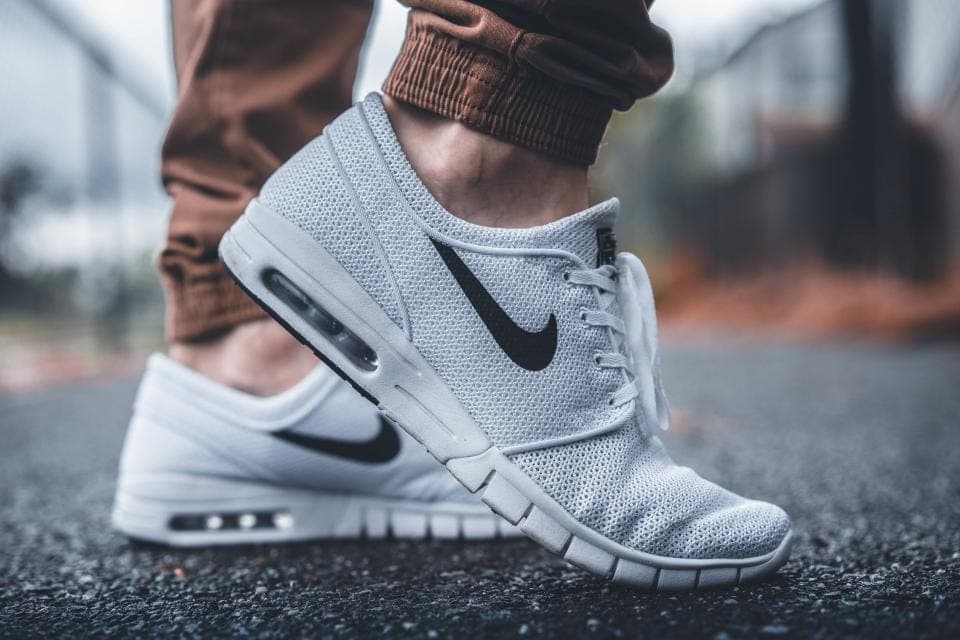 Best all-rounderXero Shoes PrioThe closest thing to a default first barefoot shoe: genuinely wide, genuinely flexible, and cheap enough that a failed experiment does not hurt. | A wide, flat work shoe you can buy and return easily | |
| 4 | 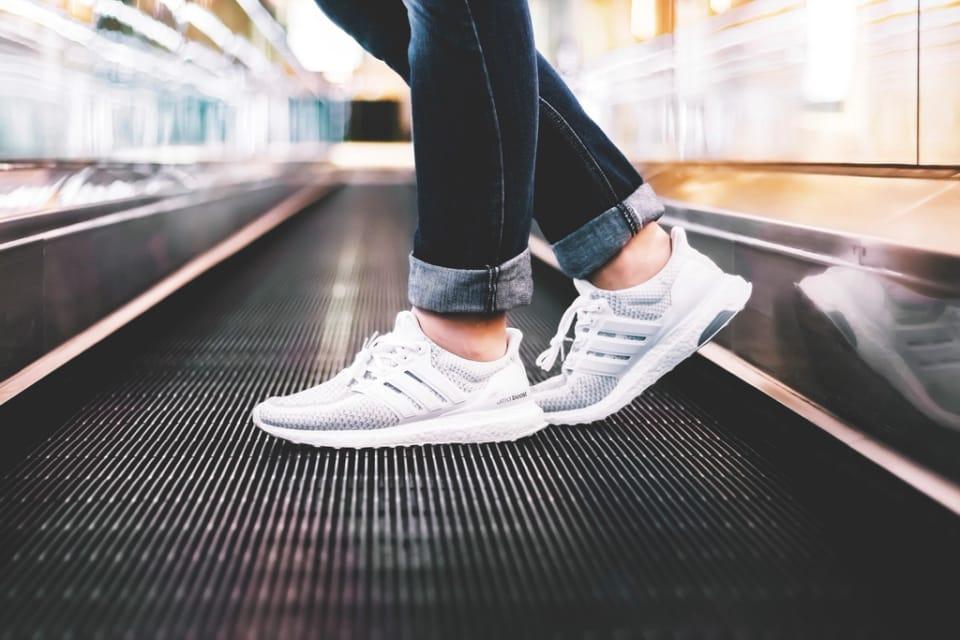 Best grip and durabilityMerrell Trail Glove 7A 14 mm stack, zero drop and a Vibram outsole - the most mainstream way to hike in a minimalist shoe, available waterproof or not. | A Vibram outsole for wet or outdoor work | |
| 5 |  Best for a dress codeXero Shoes Dillon (and Dillon Slip-On)A wide toe box in a shape that passes as a normal shoe, and - unusually for barefoot footwear - it works on a low-volume foot with the insole removed. | Passing as a normal shoe where shoes get noticed | |
| 6 |  Best for your first weeksXero Shoes Scrambler LowAn 11.5 mm stack with 4 mm of foam and a removable 3.5 mm insole - the most forgiving zero-drop shoe here, and the one we would hand a nervous switcher. | Enough foam to survive week one on concrete | |
| 7 |  Best budgetWHITIN Minimalist Trail RunnerA zero-drop, wide-toe-box knit shoe at roughly a third of what the established brands charge - and the cheapest honest way to find out if this suits you. | Testing the idea before you spend real money | |
| 8 |  Best budget for a deep footSaguaro Chaser (Smart II / Vitality III)The roomiest of the budget marketplace brands - more space around the ankle and over the toes than WHITIN, which is the difference that matters if you have a thick foot. | Room over the instep at a marketplace price |
#ad Prices come from the retailer and change; we never publish a figure we have not verified live. Affiliate disclosure.
Work footwear is the one part of this category where a wrong answer is not an uncomfortable afternoon. It can be an uncertified shoe on a site that requires certification, or a flexible sole on a wet kitchen floor. So before any of the picks below matter, there is one question to settle: does your workplace require protective or slip-resistant footwear, or does it just require closed shoes?
If the answer is "just closed shoes" - and for a huge number of jobs on hard floors it is - then this page is the right page, and the shoe you want is a wide, flat one with enough material underfoot to get through a shift. If the answer is anything else, the honest advice is that a low-cut barefoot shoe is almost certainly not what you need, and the section near the bottom explains where to go instead.
Work shoes or work boots? The question that decides it
There are three genuinely different products in play, and conflating them is how people end up with the wrong one.
- Certified safety footwear. Carries a stated standard - in the US usually ASTM F2413 with impact and compression codes, often with EH for electrical hazard; in Europe EN ISO 20345; in Canada CSA. These are tested products and the marking is the entire point. In a zero-drop, wide-last shape the certified list is short, and nearly all of it is boots.
- Slip-resistant footwear. A separate rating from toe protection, tested under standards such as ASTM F3445. Kitchens, hospitals and food service often require it. No low-cut barefoot shoe in our registry publishes one.
- Ordinary shoes you happen to wear at work. No rating, no claim to one. Fine for an office, a classroom, a shop floor with no hazard policy, a trade where you supply your own footwear and nothing falls on your feet. This is what most of this page is.
Our position is the same one we take on boots: if your work does not require a safety toe, do not buy one. You carry the weight and lose some of the splay for nothing. But if it does require one, no amount of comfort reasoning makes an uncertified shoe acceptable - go to the safety-toe boots roundup instead, and read the safety standards reference first so you know what the codes on the label mean.
How we chose
The criteria, applied in this order:
- Zero drop, verified. Every pick is published at 0 mm heel-to-toe drop by its maker or by a retailer listing cited on the card. A flat-looking work shoe is not a flat work shoe.
- A certification claim is quoted exactly, or stated as absent. Where a shoe carries a rating we print the standard as the maker publishes it. Where it carries none - which is seven of the eight picks here - the card says so in as many words.
- Enough shoe for a working day. A 4 mm sole is a training stimulus. For eight to twelve hours of mostly static load on concrete, we weighted stack height upward rather than downward, which is the opposite of how we rank an everyday shoe.
- A genuinely wide forefoot, with one deliberate exception. The Merrell Trail Glove 7 is here for its Vibram outsole and durability, and its last is moderate rather than wide. If toe splay is your goal, skip it.
- Closed upper, and realistically wearable to work. No sandals, no toe shoes, nothing that fails a basic dress code - with a separate pick for workplaces that actually look at your shoes.
- Currently purchasable in the US. Re-checked on 2026-11-14. Where a shoe is brand-direct rather than on Amazon, the card says so and the link earns us nothing.
If you need a rated toe and will not wear a boot
There is one shoe, and we would rather name the single option than pad this section out. The Gaucho Ninja Sneaky Ninja is a low-cut safety trainer published with a fiberglass toe and three marks - CSA F2413-24, ASTM F2413-2018 puncture resistant, and EN ISO 20344 / 20345 - on a wide last with a synthetic textile upper. It is dramatically lighter than any steel-toe boot in our registry, which over a ten-hour shift is not a small thing.
Three honest caveats. It is brand-direct rather than on Amazon, so we earn nothing on the link and you accept the brand's shipping and returns. The textile upper will not survive what leather survives - this is a warehouse and workshop shoe, not an outdoor-in-the-wet one. And the brand currently markets the line as the Sneaky Ninjas 2.0, so if your site is strict about marking, confirm the exact codes on the current product page before you order rather than relying on the figures we cite.
If a rated toe in a low-cut shoe is a hard requirement and that one option does not work for you, the next best thing is a light certified boot rather than an uncertified shoe. Steel toe vs composite covers which cap material to ask for.
If you stand on hard floors all day
This is where we part company with most barefoot advice. Standing still on concrete for ten hours is not the activity minimal footwear is optimized for: there is no gait cycle to improve, no landing to soften, and no changing surface to read. What a flat, wide shoe gives you is toe room and no forward pitch from a raised heel, both of which genuinely help. What it does not give you is any relief from static load - and static load is the actual problem.
So for this use we rank stack height upward. The order we would buy in:
Two things help more than the shoe does, and both are worth saying on a page that could just sell you footwear. An anti-fatigue mat, where you can get one, does more for static load than any sole. And moving - shifting weight, stepping, a minute of walking every half hour - does more than either. Are barefoot shoes good for standing all day is the longer, more skeptical version of this answer, and the concrete floors roundup ranks the registry for that surface specifically.
If your workplace has a dress code
A wide toe box looks like a wide toe box, and in some workplaces that is a conversation you would rather not have. The Xero Shoes Dillon is the pick here: a wide-toe-box shoe in a shape that reads as a normal casual shoe, available as a lace-up or a slip-on, and - unusually for this category - it works on a low-volume foot with the insole removed. It is not a dress shoe and it will not pass with a suit. Our card says so.
For a stricter code, two existing pages go further than this one: the best barefoot dress shoes covers genuine leather options, and the office roundup sorts by how formal your workplace actually is. If you teach, the best barefoot shoes for teachers handles the specific mix of walking, standing and a dress code someone else sets.
The slip-resistance problem, stated plainly
We are not going to finesse this one. None of the eight shoes on this page publishes a slip-resistance rating. Thin, flexible outsoles on soft rubber compounds generally grip dry concrete and dry tile well - that is a reasonable thing to say from the published specifications and from how these soles are built. A wet kitchen floor, a greasy service area or a hospital corridor after a spill is a different test entirely, and it is a test that footwear standards exist precisely to measure.
If your employer requires slip-resistant footwear, the honest options in our registry are boots rather than shoes: the Birkenstock QS 700 carries EN ISO 20345:2011 including an SRC slip rating, and the Carets Determination carries ASTM F3445-21 for slip alongside its F2413-18 set. Both are in the safety-toe boots roundup. If you work in food service or healthcare specifically, the nurses roundup deals with the closed-upper and slip policies that come with those jobs.
Buying for a specific job
Work is not one activity, and the best shoe differs more by job than by brand. Where this site already has a page for yours, it will be more specific than this roundup can be.
- Warehouse and distribution - a lot of walking on concrete with handling risk. Barefoot shoes for warehouse work covers whether a rated toe is realistic for you.
- Nursing and healthcare - closed uppers, long shifts, slip policies. The nurses roundup.
- Teaching - walking rather than standing still, a dress code, and your own money. The teachers roundup.
- Retail and hospitality on hard floors - the concrete floors roundup and standing all day.
- Trades and outdoor work - usually a boot rather than a shoe. The barefoot work boots roundup, and the waterproof work boots roundup if you are wet.
What a budget work shoe does and does not get you
The marketplace brands are a legitimate way to find out whether a wide, flat shoe suits your working day before spending real money - which is a sensible thing to do when the alternative is a premium shoe you may hate by Wednesday. The WHITIN Minimalist Trail Runner is the cheapest honest version of that test, and the Saguaro Chaser is the one to pick instead if your foot is deep, because WHITIN runs low through the instep and you will feel the laces.
What you do not get is longevity, and work is the hardest test of that. A shoe worn five days a week on concrete is a different proposition from a weekend pair: soft outsole compounds wear through, thin uppers crease and split, and sizing moves between colorways so the repeat purchase is a lottery. Costed per month of actual wear, the mid-band shoes are often cheaper. The most durable barefoot shoes has the cost-per-year arithmetic.
Before you order: fit and transition
Two things matter more than which shoe on this page you pick, and both are free.
Get the size right. Barefoot brands size from internal length rather than from a conventional size label, and you need roughly 10 to 15 mm beyond your longest toe — more than a normal fitting leaves. Measure your feet, then use the sizing guide and the cross-brand table. Sizing up to get a wider shoe does not work: lasts scale in length, so you get heel slip and toes sitting behind the widest part of the shoe.
Build up slowly. The documented risk in this category is bone stress injury from a rushed transition — in one MRI study of 36 runners, 10 of the 19 who spent 10 weeks moving into minimal shoes developed new bone-marrow edema, mostly without symptoms. Keep your current shoes, add minimal-shoe hours gradually, and judge by how your feet feel the next morning. The transition plan.
Work-specific: do not make your first day in a minimal shoe a full shift. The transition literature is about gradual load, and eight to twelve hours of standing is the largest single dose you could pick. Wear the new pair for the first two hours of a shift and change into your old shoes, then extend it over several weeks. Keep the old pair in your locker for longer than you think you will need it.
The picks in detail
The eight picks in rank order, each with its certification status - or the honest absence of one - stated on the card.
1. Only certified low-cut option
Gaucho Ninja Sneaky Ninja Safety Trainers
A fiberglass-toe safety trainer carrying CSA, ASTM puncture and EN ISO marks - the non-leather, low-cut answer for a warehouse rather than a build site.
What works
- Far lighter than any steel-toe boot here
- Carries both CSA and EN ISO marking
- Low-cut, so it does not fight the ankle all shift
What does not
- Textile upper will not survive what leather survives
- No ankle support at all
Skip these if: You work outdoors in wet conditions or need ankle protection.
Specifications as published by the maker and reported by Anya's Reviews, zero-drop and minimalist safety boots. We have not measured them ourselves. All brand fit profiles
2. Best for long shifts
Lems Primal Zen
Lems builds one of the roomiest everyday lasts in the category - if other barefoot shoes still feel tight across the toes, start here.
What works
- Among the widest forefoot shapes available off the shelf
- High enough toe box for a tall big toe or a hammer toe
- Flexes flat and packs small
What does not
- The width that makes it work looks bulbous to some people
- Heel can be loose on a narrow heel
Skip these if: You have a narrow foot - all that room becomes heel slip and a sloppy fit.
Specifications as published by the maker and reported by Lems Shoes product listing, Primal Zen. We have not measured them ourselves. Lems Shoes fit profile
3. Best all-rounder
Xero Shoes Prio
The closest thing to a default first barefoot shoe: genuinely wide, genuinely flexible, and cheap enough that a failed experiment does not hurt.
What works
- Removable 2 mm insole, so you can go thinner as your feet adapt
- Wide enough for most square and plateau foot shapes
- Flexes and rolls flat, which is the quickest way to spot a fake minimalist shoe
What does not
- The lacing panel can pressure a high instep
- Thin heel padding is noticeable on hard floors for the first week
Skip these if: You have a high-volume foot and dislike lace pressure across the top, or you need any cushioning at all on day one.
Specifications as published by the maker and reported by Xero Shoes Prio listing specifications. We have not measured them ourselves. Xero Shoes fit profile
4. Best grip and durability
Merrell Trail Glove 7
A 14 mm stack, zero drop and a Vibram outsole - the most mainstream way to hike in a minimalist shoe, available waterproof or not.
What works
- Vibram traction that holds on wet rock
- Enough stack to hike a full day on mixed terrain
- Easy to find in stores and easy to return
What does not
- Toe box is moderate, not wide - Merrell's last is narrower than Xero's
- 14 mm is firm cushioning, not soft
Skip these if: You need a genuinely wide or extra-wide forefoot.
Specifications as published by the maker and reported by BikeHikeSafari, best barefoot shoes 2026 stated specifications. We have not measured them ourselves. Merrell fit profile
5. Best for a dress code
Xero Shoes Dillon (and Dillon Slip-On)
A wide toe box in a shape that passes as a normal shoe, and - unusually for barefoot footwear - it works on a low-volume foot with the insole removed.
What works
- One of very few barefoot slip-ons that fits low-volume feet properly
- Reads as a normal casual shoe at an office that notices shoes
- Removable insole for volume adjustment
What does not
- Not a dress shoe - it will not pass with a suit
- Soft upper creases quickly
Skip these if: You need a genuine leather dress shoe, or you have a high-volume foot that needs the insole in.
Specifications as published by the maker and reported by Anya's Reviews, Xero Shoes Spring 2026 collection review. We have not measured them ourselves. Xero Shoes fit profile
6. Best for your first weeks
Xero Shoes Scrambler Low
An 11.5 mm stack with 4 mm of foam and a removable 3.5 mm insole - the most forgiving zero-drop shoe here, and the one we would hand a nervous switcher.
What works
- The removable 3.5 mm insole gives you two shoes in one as your feet adapt
- Enough foam to survive a full day on concrete in week one
- Still flexes and still zero drop
What does not
- 11.5 mm is a lot of shoe if you came for ground feel
- Heavier than the rest of the line
Skip these if: You have already transitioned and want maximum ground feel - this will feel like a normal sneaker.
Specifications as published by the maker and reported by Outdoor Life, best barefoot shoes 2026 stated specifications. We have not measured them ourselves. Xero Shoes fit profile
7. Best budget
WHITIN Minimalist Trail Runner
A zero-drop, wide-toe-box knit shoe at roughly a third of what the established brands charge - and the cheapest honest way to find out if this suits you.
What works
- The lowest-risk way to test barefoot shoes at all
- Removable sockliner, so you can thin it out over time
- Wide toe box that genuinely is wide
What does not
- Low volume through the instep compared with Saguaro
- Build quality is what the price suggests - it will not last years
- Sizing is inconsistent between colorways
Skip these if: You have a high instep or a high-volume foot - WHITIN runs low and you will feel the laces.
Specifications as published by the maker and reported by That Fit Friend, WHITIN Minimalist Trail Runner review. We have not measured them ourselves. WHITIN fit profile
8. Best budget for a deep foot
Saguaro Chaser (Smart II / Vitality III)
The roomiest of the budget marketplace brands - more space around the ankle and over the toes than WHITIN, which is the difference that matters if you have a thick foot.
What works
- More instep volume than WHITIN at the same price
- Whole-family sizing, including kids
- Very minimal sole for the money
What does not
- Thin, cheap outsole wears quickly on pavement
- Model naming changes between generations, so repeat purchases are a lottery
Skip these if: You have a low-volume or narrow foot - this will feel like a slipper.
Specifications as published by the maker and reported by Anya's Reviews, Saguaro barefoot shoes review. We have not measured them ourselves. Saguaro fit profile
Common questions
Are there barefoot work shoes with a safety toe?
In a low-cut shoe, essentially one: the Gaucho Ninja Sneaky Ninja trainer, published with a fiberglass toe and CSA F2413-24, ASTM F2413-2018 puncture and EN ISO 20344 / 20345 marking. It is brand-direct rather than on Amazon. Everything else low-cut in our registry is an ordinary shoe with no rating, which is why most certified zero-drop options are boots.
Are barefoot shoes slip resistant?
Not in the certified sense. None of the low-cut shoes on this page publishes a slip-resistance rating under a standard such as ASTM F3445. Thin soft-rubber outsoles grip dry concrete and tile well, but a wet or greasy floor is what the standards exist to test. If your employer requires slip-resistant footwear, the rated options in our registry are boots - the Birkenstock QS 700 and the Carets Determination.
Are barefoot shoes good for standing all day?
Less clearly than for walking. You gain toe room and lose the forward pitch of a raised heel, both of which help. You also lose cushioning against static load, and static load is the real problem when you stand still on concrete. Most people do better with more stack height rather than less, which is why we rank the Lems Primal Zen first for a long shift rather than the thinnest shoe here.
What is the difference between barefoot work shoes and work boots?
Height, protection and certification. Nearly every certified zero-drop option is a boot, because a safety toe, a puncture-resistant plate and ankle coverage are easier to build into one. A work shoe is lighter, cooler and easier to wear for a shift that has no hazard policy. If your workplace requires protective footwear, the shoe category mostly cannot serve you.
Can I wear barefoot shoes for a 12-hour shift?
Eventually, yes, and plenty of people do. Not on day one. Start with the first couple of hours of a shift and change into your usual shoes, then extend over several weeks - the documented injury risk in this category comes from rushing, and a 12-hour day of mostly static load is the biggest dose you could choose. Pick a higher-stack option while you adapt.
What is the cheapest barefoot work shoe?
The WHITIN Minimalist Trail Runner is the cheapest honest way to find out whether this suits your working day, with the Saguaro Chaser as the pick if your foot is deep through the instep. Neither will last the way a mid-band shoe will, and work is where that shows up fastest - a pair worn five days a week on concrete wears out far quicker than a weekend pair.
Sources
- Outdoor Life, best barefoot shoes 2026 — stated stack heights and weights
- RunRepeat barefoot running shoes catalog
- Ridge et al., foot bone marrow edema after 10-week transition to minimal footwear
- Anya's Reviews, best wide and zero-drop work boots (certifications per model)
- ASTM F2413, performance requirements for protective footwear
- ASTM F3445, standard test method for slip resistance of footwear
- OSHA 29 CFR 1910.136, foot protection requirements
Accessed October 2026. Where a source is a manufacturer, the specification is theirs as published — we have not measured it.
Read next
Best Work Boots
Best barefoot work boots (October 2026)
Eight zero-drop work boots organized by certification, with each boot's published safety marking quoted exactly.
By Brijon M. · Updated October 2026
Top pick: Carets Determination Boot
#ad — brand-direct link, we earn nothing on it. Why we still list it
Best Safety-Toe Boots
Best barefoot safety-toe boots (October 2026)
Six certified zero-drop safety-toe boots with every published ASTM, CSA and EN ISO marking quoted in full.
By Brijon M. · Updated October 2026
Top pick: Carets Determination Boot
#ad — brand-direct link, we earn nothing on it. Why we still list it
Best for Concrete Floors
Best barefoot shoes for concrete floors (October 2026)
Six options for concrete ranked by published stack height, plus a straight account of where thin soles stop being the right tool.
By Brijon M. · Updated October 2026
Top pick: Carets Determination Boot
#ad — brand-direct link, we earn nothing on it. Why we still list it
Best for Standing All Day
Best barefoot shoes for standing all day (October 2026)
Seven wide shoes for standing shifts, ranked by stack height instead of ground feel, with the anti-fatigue mat nobody else mentions.
By Brijon M. · Updated October 2026
Top pick: Lems Primal Zen
Best for Nurses
Best wide toe box shoes for nurses (October 2026)
Six wide shoes for clinical shifts, with the fluid-resistance and slip-rating limits most nursing roundups leave out.
By Brijon M. · Updated October 2026
Top pick: Lems Primal Zen
Best Office Shoes
Best barefoot shoes for the office (October 2026)
Six zero-drop shoes ranked by how formal a room they survive, and an honest note that no true barefoot dress shoe made the list.
By Brijon M. · Updated October 2026
Top pick: Vivobarefoot Geo Court