Barefoot shoes for warehouse work
Warehouse work is walking, which suits this category — right up against the concrete, the pallet jacks and the site policy, which do not.
By Brijon M. · Updated October 2026
Warehouse work walks miles on concrete, which suits minimalist footwear better than static standing does. The constraints are the site footwear policy, crush hazards from pallets and equipment, and the lack of slip ratings in this category. Where a certified toe is required, only a handful of zero-drop boots qualify.
How this page is funded: some links here are Amazon affiliate links, so we may earn a commission if you buy — at no extra cost to you. It never changes which products we include or how we rank them, and we take no payment from brands for placement. Full disclosure.
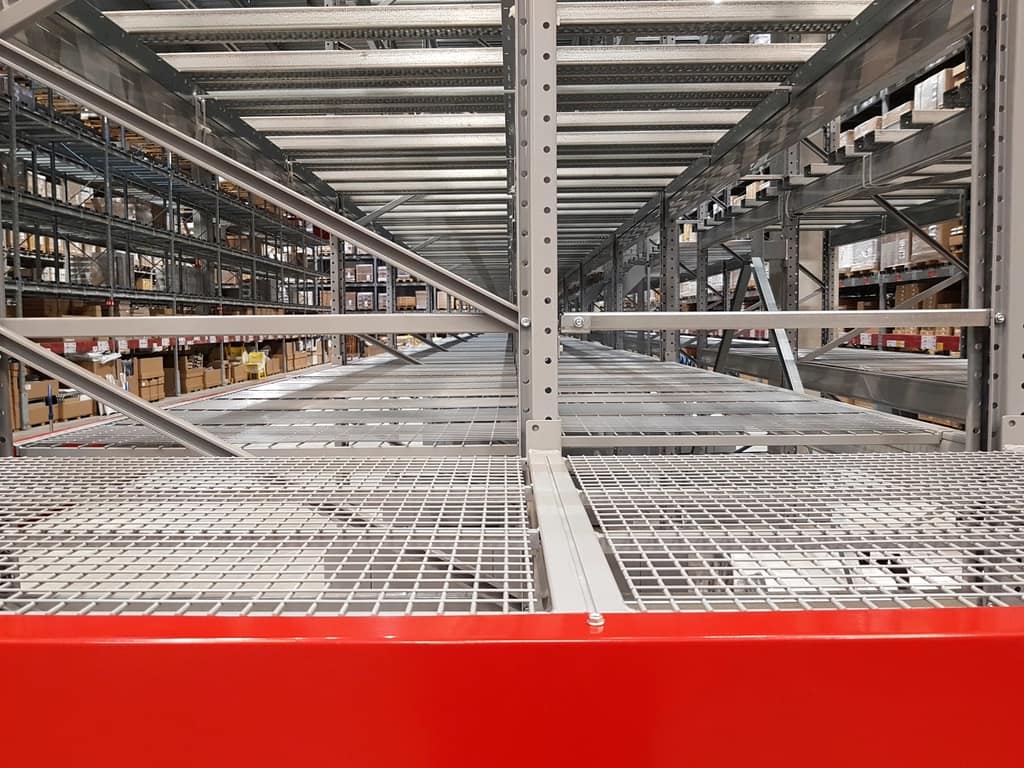
Warehouse work is one of the better fits for this category, and for a specific reason: you walk. A picker can cover eight to twelve miles a shift, which means your calf is pumping, load alternates, and you get the benefits minimalist footwear actually delivers rather than the static standing it handles worst.
What you also get is concrete under every one of those miles, a pallet jack that will eventually run over something, and a written footwear policy. Those three things decide most of this.
Start with the policy, not the shoe
Most warehouses specify footwear, and many specify a safety toe because of crush hazards from pallets, racking and powered equipment. If yours does, your options narrow immediately to the certified boots, and the right question becomes which certified boot has the widest toe box rather than which barefoot shoe is nicest.
The lightest certified option we found is the Gaucho Ninja Sneaky Ninja: a fiberglass-toe safety trainer carrying CSA F2413-24, ASTM F2413-2018 puncture resistance and EN ISO marking, in a low-cut textile shoe rather than a boot. For a warehouse specifically, that combination — light, low-cut, puncture resistant — is better matched to the job than a heavy leather boot. The standards explained.
What the job does to your feet
- Mileage on an unforgiving surface. Ten miles on concrete is not ten miles on a trail. The surface never gives, so the same loading pattern repeats without variation for the whole shift.
- Swelling. Long shifts swell feet, so fit your shoes with room rather than snugly.
- Repetition without variety. Trail walking varies your foot placement constantly, which spreads load. A warehouse aisle is flat and identical, which concentrates it.
- Cold floors. Unheated warehouses in winter plus a thin sole is a cold combination.
A realistic plan
- Read the footwear policy first. If a certified toe is required, go to safety-toe boots and treat certification as a hard filter.
- Do not transition at work. Build up in a casual shoe on your own time over weeks. A full picking shift is a very large first dose.
- Ramp in hours. First hour of a shift, then change. Add an hour every few days if your feet are clean the next morning.
- Size for the end of the shift, not the start — roughly 10 to 15 mm beyond your longest toe. Sizing guide.
- Rotate two pairs if you can. Different shoes load your feet slightly differently, and both pairs last longer.
- Stop on sharp or worsening pain. Concrete mileage is exactly the loading pattern associated with bone stress injury when the ramp is too fast.
The picks in detail
Certified options first for sites that require a toe cap, then the uncertified shoes for warehouses that do not.
Gaucho Ninja Sneaky Ninja Safety Trainers
A fiberglass-toe safety trainer carrying CSA, ASTM puncture and EN ISO marks - the non-leather, low-cut answer for a warehouse rather than a build site.
What works
- Far lighter than any steel-toe boot here
- Carries both CSA and EN ISO marking
- Low-cut, so it does not fight the ankle all shift
What does not
- Textile upper will not survive what leather survives
- No ankle support at all
Skip these if: You work outdoors in wet conditions or need ankle protection.
Specifications as published by the maker and reported by Anya's Reviews, zero-drop and minimalist safety boots. We have not measured them ourselves. All brand fit profiles
Carets Determination Boot
A steel-toe, zero-drop boot at a 19 mm stack carrying the broadest certification list here: impact, compression, electrical hazard, puncture, slip and oil resistance.
What works
- A genuinely complete ASTM certification set, not just a toe cap
- 19 mm stack is the most underfoot protection of any zero-drop safety boot here
- Wide toe box despite a steel cap, which is the hard part
What does not
- A steel cap constrains the very toe splay you bought barefoot shoes for
- Heaviest and most expensive option on this page
- Brand-direct only, so no Amazon returns window
Skip these if: Your job does not require a safety toe. You will carry the weight and lose the splay for nothing.
Specifications as published by the maker and reported by Anya's Reviews, zero-drop and minimalist safety boots. We have not measured them ourselves. All brand fit profiles
Lems Primal Zen
Lems builds one of the roomiest everyday lasts in the category - if other barefoot shoes still feel tight across the toes, start here.
What works
- Among the widest forefoot shapes available off the shelf
- High enough toe box for a tall big toe or a hammer toe
- Flexes flat and packs small
What does not
- The width that makes it work looks bulbous to some people
- Heel can be loose on a narrow heel
Skip these if: You have a narrow foot - all that room becomes heel slip and a sloppy fit.
Specifications as published by the maker and reported by Lems Shoes product listing, Primal Zen. We have not measured them ourselves. Lems Shoes fit profile
Xero Shoes Prio
The closest thing to a default first barefoot shoe: genuinely wide, genuinely flexible, and cheap enough that a failed experiment does not hurt.
What works
- Removable 2 mm insole, so you can go thinner as your feet adapt
- Wide enough for most square and plateau foot shapes
- Flexes and rolls flat, which is the quickest way to spot a fake minimalist shoe
What does not
- The lacing panel can pressure a high instep
- Thin heel padding is noticeable on hard floors for the first week
Skip these if: You have a high-volume foot and dislike lace pressure across the top, or you need any cushioning at all on day one.
Specifications as published by the maker and reported by Xero Shoes Prio listing specifications. We have not measured them ourselves. Xero Shoes fit profile
Common questions
Can I wear barefoot shoes in a warehouse?
If your site's footwear policy allows it, yes, and the walking mileage suits them. Many warehouses require a certified safety toe because of pallet and equipment crush hazards, in which case only a few zero-drop boots qualify.
What is the best barefoot shoe for warehouse work?
Where a certified toe is required, the Gaucho Ninja Sneaky Ninja is the best match for the job specifically: fiberglass toe, CSA and EN ISO marking, ASTM puncture resistance, and low-cut and light rather than a heavy boot. Where no cap is needed, the Lems Primal Zen gives the most room.
Will thin soles survive warehouse mileage?
We do not have durability data for that, and we are not going to guess. Concrete wears outsoles faster than any other surface, so plan on replacing shoes more often and prefer resolable options where they exist.
How do I transition while working full time?
Not at work. Build up on your own time over weeks, then introduce them for the first hour of a shift and extend gradually. Judge by next-morning soreness, not by how your feet feel at the end of the shift.
Are barefoot shoes slip resistant enough for a warehouse?
Usually they carry no slip rating at all, which matters on a floor that gets wet or has spills. Check for a published ASTM F3445 or EN ISO SRC rating by name — do not assume a work-looking outsole implies one.
Sources
- Anya's Reviews, best wide and zero-drop work boots (certifications per model)
- ASTM F2413, standard specification for performance requirements for protective footwear
- ASTM F3445, standard test method for slip resistance of footwear
- OSHA 29 CFR 1910.136, foot protection requirements
- Outdoor Life, best barefoot shoes 2026 — stated stack heights and weights
- RunRepeat barefoot running shoes catalog
- Ridge et al., foot bone marrow edema after 10-week transition to minimal footwear
Accessed October 2026. Where a source is a manufacturer, the specification is theirs as published — we have not measured it.
Read next

Best Safety-Toe Boots
Best barefoot safety-toe boots (October 2026)
Six certified zero-drop safety-toe boots with every published ASTM, CSA and EN ISO marking quoted in full.
By Brijon M. · Updated October 2026
Top pick: Carets Determination Boot
#ad — brand-direct link, we earn nothing on it. Why we still list it

Barefoot work boot safety standards, decoded
ASTM, CSA and EN ISO decoded, which barefoot boots carry which marking, and what a toe cap does not protect.
By Brijon M. · Updated October 2026
Best for Concrete Floors
Best barefoot shoes for concrete floors (October 2026)
Six options for concrete ranked by published stack height, plus a straight account of where thin soles stop being the right tool.
By Brijon M. · Updated October 2026
Top pick: Carets Determination Boot
#ad — brand-direct link, we earn nothing on it. Why we still list it
Best for Standing All Day
Best barefoot shoes for standing all day (October 2026)
Seven wide shoes for standing shifts, ranked by stack height instead of ground feel, with the anti-fatigue mat nobody else mentions.
By Brijon M. · Updated October 2026
Top pick: Lems Primal Zen

How to transition to barefoot shoes
A concrete 16-week plan with numbers, built around the MRI study that found bone-marrow edema in 10 of 19 transitioning runners.
By Brijon M. · Updated October 2026
Top pick: Xero Shoes Scrambler Low

Barefoot shoe sizing, properly
Measure, do not convert. How much toe room to leave, why sizing up for width fails, and what to check when the box arrives.
By Brijon M. · Updated October 2026
Top pick: Xero Shoes Prio