Best for Nurses
Best wide toe box shoes for nurses (October 2026)
Judged on the three things a twelve-hour clinical shift actually tests: room for swelling, a surface you can wipe down, and a dress code you can pass.
By Brijon M. · Updated October 2026
For clinical shifts the Lems Primal Zen offers the most room for feet that swell across twelve hours, and the Vivobarefoot Geo Court is the most likely to pass an all-white or smart-shoe dress code. Note that most barefoot shoes have no fluid-resistant upper and no slip rating — which may rule them out on your unit.
How this page is funded: some links here are Amazon affiliate links, so we may earn a commission if you buy — at no extra cost to you. It never changes which products we include or how we rank them, and we take no payment from brands for placement. Full disclosure.

Quick picks
Tap any row to jump to the full write-up. Selection is specification-led, not wear-tested — how we choose.
| # | Product | Best for | Price |
|---|---|---|---|
| 1 | Best overallLems Primal ZenLems builds one of the roomiest everyday lasts in the category - if other barefoot shoes still feel tight across the toes, start here. | Most room for 12-hour swelling | |
| 2 |  Best for dress codesVivobarefoot Geo CourtVivobarefoot's most popular urban shape: a classic court-sneaker silhouette over a thin, flexible sole, so it does not announce itself. | Court-sneaker look, wipeable leather | |
| 3 | 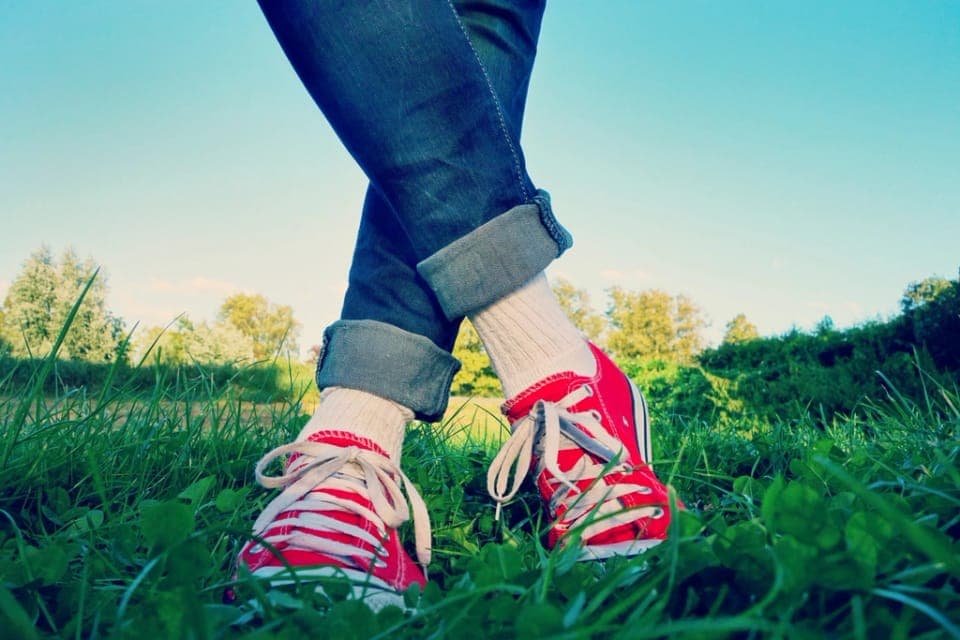 Best slip-onXero Shoes Dillon (and Dillon Slip-On)A wide toe box in a shape that passes as a normal shoe, and - unusually for barefoot footwear - it works on a low-volume foot with the insole removed. | Low-volume feet, smart-casual | |
| 4 | 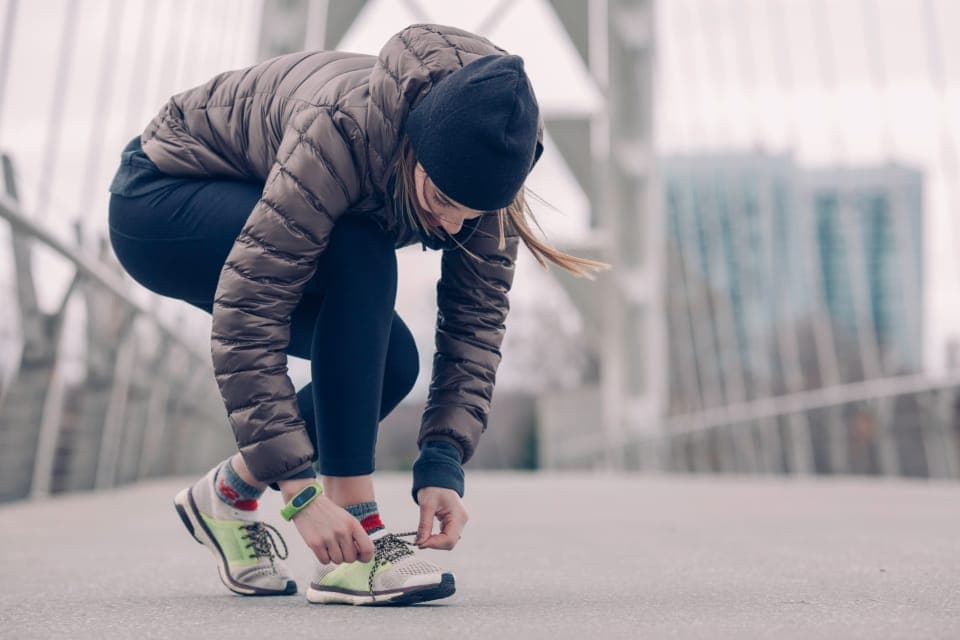 Best budgetSaguaro Chaser (Smart II / Vitality III)The roomiest of the budget marketplace brands - more space around the ankle and over the toes than WHITIN, which is the difference that matters if you have a thick foot. | Cheap enough to own two pairs | |
| 5 |  Best for difficult feetSoftstar Megagrip Primal RunAmocA 9.5 mm Vibram Megagrip sole with no insole at all, made to order in the USA - the shoe to buy when every mass-market last has failed your foot. | Made to order, extra-wide | See it at Softstar #ad — brand-direct link, we earn nothing on it. Why we still list it |
| 6 |  Best for ramping upXero Shoes PrioThe closest thing to a default first barefoot shoe: genuinely wide, genuinely flexible, and cheap enough that a failed experiment does not hurt. | Removable insole, mid price |
#ad Prices come from the retailer and change; we never publish a figure we have not verified live. Affiliate disclosure.
Let us start with the thing most roundups aimed at nurses will not tell you: barefoot shoes may not be permitted on your unit, and in some roles they are a poor choice regardless of comfort. Most have mesh or knit uppers that are not fluid resistant, most have no slip rating, and many units specify a closed, wipeable shoe for exactly those reasons. Check your policy before you spend anything.
If your unit does allow them, the case is reasonable. A twelve-hour shift is mostly walking, which is the use case minimal footwear suits best, and a wide toe box genuinely helps a foot that has been swelling since hour three.
The three constraints that decide this
Read that table as a filter rather than a sales pitch. If your unit requires a rated slip-resistant shoe, this category mostly cannot give you one, and the honest advice is to keep the clogs for work and use barefoot shoes off shift.
How we chose
The criteria, applied in this order:
- Room for swelling across a long shift — weighted highest, because it is the complaint nurses actually report.
- Upper material, with wipeable leather options called out explicitly.
- Appearance against a typical dress code, including all-white and smart-shoe policies.
- Price, judged for owning two pairs — rotating shoes across shifts matters more in this job than in most.
- Stack height, because hospital floors are hard and shifts are long.
- Currently sold in the US, verified at build time.
Before you order: fit and transition
Two things matter more than which shoe on this page you pick, and both are free.
Get the size right. Barefoot brands size from internal length rather than from a conventional size label, and you need roughly 10 to 15 mm beyond your longest toe — more than a normal fitting leaves. Measure your feet, then use the sizing guide and the cross-brand table. Sizing up to get a wider shoe does not work: lasts scale in length, so you get heel slip and toes sitting behind the widest part of the shoe.
Build up slowly. The documented risk in this category is bone stress injury from a rushed transition — in one MRI study of 36 runners, 10 of the 19 who spent 10 weeks moving into minimal shoes developed new bone-marrow edema, mostly without symptoms. Keep your current shoes, add minimal-shoe hours gradually, and judge by how your feet feel the next morning. The transition plan.
Clinical-specific: never debut a new zero-drop shoe on a twelve-hour shift. Start on days off, then do the first hour of a shift in them with your usual shoes in your locker. There is no version of this where the compressed timeline works out.
The picks in detail
Ranked for swelling room first, then dress-code plausibility, with the fluid-resistance limitation noted on each.
1. Best overall
Lems Primal Zen
Lems builds one of the roomiest everyday lasts in the category - if other barefoot shoes still feel tight across the toes, start here.
What works
- Among the widest forefoot shapes available off the shelf
- High enough toe box for a tall big toe or a hammer toe
- Flexes flat and packs small
What does not
- The width that makes it work looks bulbous to some people
- Heel can be loose on a narrow heel
Skip these if: You have a narrow foot - all that room becomes heel slip and a sloppy fit.
Specifications as published by the maker and reported by Lems Shoes product listing, Primal Zen. We have not measured them ourselves. Lems Shoes fit profile
2. Best for dress codes
Vivobarefoot Geo Court
Vivobarefoot's most popular urban shape: a classic court-sneaker silhouette over a thin, flexible sole, so it does not announce itself.
What works
- Looks like an ordinary white sneaker from two feet away
- Thin sole and real flex, unlike most fashion-minimalist shoes
- Holds its shape better than knit uppers
What does not
- No cushioning for a day of city pavement
- Leather version needs breaking in across the toe joint
Skip these if: You want a shoe you can walk 15,000 steps a day on concrete in from week one.
Specifications as published by the maker and reported by AZ Big Media, 10 best barefoot shoes for everyday walking 2026. We have not measured them ourselves. Vivobarefoot fit profile
3. Best slip-on
Xero Shoes Dillon (and Dillon Slip-On)
A wide toe box in a shape that passes as a normal shoe, and - unusually for barefoot footwear - it works on a low-volume foot with the insole removed.
What works
- One of very few barefoot slip-ons that fits low-volume feet properly
- Reads as a normal casual shoe at an office that notices shoes
- Removable insole for volume adjustment
What does not
- Not a dress shoe - it will not pass with a suit
- Soft upper creases quickly
Skip these if: You need a genuine leather dress shoe, or you have a high-volume foot that needs the insole in.
Specifications as published by the maker and reported by Anya's Reviews, Xero Shoes Spring 2026 collection review. We have not measured them ourselves. Xero Shoes fit profile
4. Best budget
Saguaro Chaser (Smart II / Vitality III)
The roomiest of the budget marketplace brands - more space around the ankle and over the toes than WHITIN, which is the difference that matters if you have a thick foot.
What works
- More instep volume than WHITIN at the same price
- Whole-family sizing, including kids
- Very minimal sole for the money
What does not
- Thin, cheap outsole wears quickly on pavement
- Model naming changes between generations, so repeat purchases are a lottery
Skip these if: You have a low-volume or narrow foot - this will feel like a slipper.
Specifications as published by the maker and reported by Anya's Reviews, Saguaro barefoot shoes review. We have not measured them ourselves. Saguaro fit profile
5. Best for difficult feet
Softstar Megagrip Primal RunAmoc
A 9.5 mm Vibram Megagrip sole with no insole at all, made to order in the USA - the shoe to buy when every mass-market last has failed your foot.
What works
- Vibram Megagrip on a genuinely thin, insole-free sole
- Made to order, including wide and extra-wide options
- Repairable and resolable rather than disposable
What does not
- Moccasin styling will not suit everyone
- Lead time, and brand-direct only
- Premium price
Skip these if: You need the shoe this week, or you want something that looks like a sneaker.
Specifications as published by the maker and reported by Outdoor Life, best barefoot shoes 2026 stated specifications. We have not measured them ourselves. All brand fit profiles
6. Best for ramping up
Xero Shoes Prio
The closest thing to a default first barefoot shoe: genuinely wide, genuinely flexible, and cheap enough that a failed experiment does not hurt.
What works
- Removable 2 mm insole, so you can go thinner as your feet adapt
- Wide enough for most square and plateau foot shapes
- Flexes and rolls flat, which is the quickest way to spot a fake minimalist shoe
What does not
- The lacing panel can pressure a high instep
- Thin heel padding is noticeable on hard floors for the first week
Skip these if: You have a high-volume foot and dislike lace pressure across the top, or you need any cushioning at all on day one.
Specifications as published by the maker and reported by Xero Shoes Prio listing specifications. We have not measured them ourselves. Xero Shoes fit profile
Common questions
Are barefoot shoes allowed in hospitals?
It depends entirely on your unit's footwear policy. Many specify a closed, fluid-resistant and slip-resistant shoe, which most barefoot shoes are not. Check the written policy before buying — this is the first question, not the last.
What is the best wide toe box shoe for nurses?
The Lems Primal Zen for room, on published fit data, and the Vivobarefoot Geo Court if your dress code wants something smarter and wipeable. Neither carries a slip rating, so check your policy.
Are barefoot shoes better than clogs for nursing?
Not straightforwardly. Clogs give you cushioning, a wipeable surface and usually a slip rating. Barefoot shoes give you toe room and a foot that works. Which wins depends on your floors, your policy and how adapted your feet are.
My feet swell every shift. Will a wide shoe fix it?
It will stop a tight shoe making it worse, and room genuinely helps comfort. It will not address why your feet swell. Persistent or one-sided swelling is worth raising with a clinician rather than solving with footwear.
Can I wear barefoot shoes for a twelve-hour shift straight away?
No. Build up over weeks on days off first. How to transition has the progression, and in this job the consequence of rushing is not being able to work.
Sources
- Outdoor Life, best barefoot shoes 2026 — stated stack heights and weights
- RunRepeat barefoot running shoes catalog
- Ridge et al., foot bone marrow edema after 10-week transition to minimal footwear
- EN ISO 20345, personal protective equipment — safety footwear
- Effects of Minimalist Shoes on Plantar Intrinsic Foot Muscle Size and Strength: A Review
- Epidemiology of Shoe Wearing Patterns Over Time in Older Women: Associations With Foot Pain and Hallux Valgus
- Footwear Toe-Box Shape and Medial Forefoot Pressures in Women With Hallux Valgus
Accessed October 2026. Where a source is a manufacturer, the specification is theirs as published — we have not measured it.
Read next
Best for Standing All Day
Best barefoot shoes for standing all day (October 2026)
Seven wide shoes for standing shifts, ranked by stack height instead of ground feel, with the anti-fatigue mat nobody else mentions.
By Brijon M. · Updated October 2026
Top pick: Lems Primal Zen
Are barefoot shoes good for standing all day?
Both sides of the standing question, the mechanism behind it, and a four-step way to test it without losing a week of work.
By Brijon M. · Updated October 2026
Top pick: Lems Primal Zen
Best for Concrete Floors
Best barefoot shoes for concrete floors (October 2026)
Six options for concrete ranked by published stack height, plus a straight account of where thin soles stop being the right tool.
By Brijon M. · Updated October 2026
Top pick: Carets Determination Boot
#ad — brand-direct link, we earn nothing on it. Why we still list it

Best Office Shoes
Best barefoot shoes for the office (October 2026)
Six zero-drop shoes ranked by how formal a room they survive, and an honest note that no true barefoot dress shoe made the list.
By Brijon M. · Updated October 2026
Top pick: Vivobarefoot Geo Court

Best for Plantar Heel Pain
Barefoot shoes and plantar fasciitis (October 2026)
Mixed evidence, two opposite mechanisms, and no cure claims. The lower-risk sequence if pain has already settled.
By Brijon M. · Updated October 2026
Top pick: Altra Lone Peak 9

How to transition to barefoot shoes
A concrete 16-week plan with numbers, built around the MRI study that found bone-marrow edema in 10 of 19 transitioning runners.
By Brijon M. · Updated October 2026
Top pick: Xero Shoes Scrambler Low