Best for Heavier Bodies
Barefoot shoes for heavier bodies
Keep the zero drop and the toe room, take more material underfoot, and give the transition twice as long as the internet tells you to.
By Brijon M. · Updated October 2026
The Altra Lone Peak 9 is the pick if you are carrying more weight and want zero drop without punishment: 25 mm of cushioning, a genuinely wide toe box and no heel lift. If you want to work toward thinner shoes, start at the Xero Shoes Scrambler Low and its 11.5 mm rather than at 4 mm, and extend every stage of the transition.
How this page is funded: some links here are Amazon affiliate links, so we may earn a commission if you buy — at no extra cost to you. It never changes which products we include or how we rank them, and we take no payment from brands for placement. Full disclosure.
Quick picks
Tap any row to jump to the full write-up. Selection is specification-led, not wear-tested — how we choose.
| # | Product | Best for | Price |
|---|---|---|---|
| 1 | 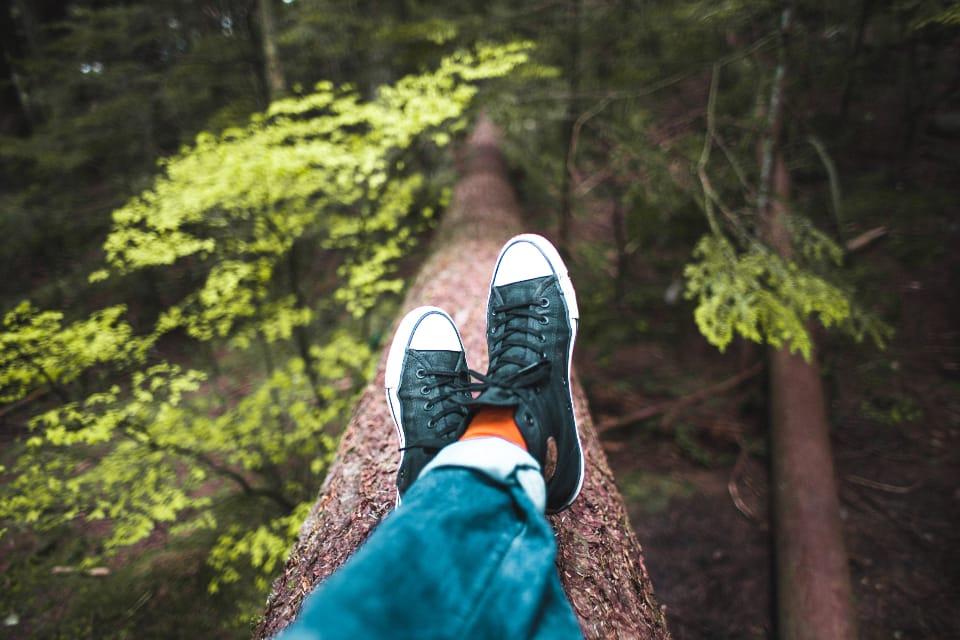 Best overallAltra Lone Peak 9Zero drop with 25 mm of cushioning underneath. Not a barefoot shoe and not pretending to be - it is the zero-drop shoe you hike 2,000 miles in. | 25 mm cushioning, wide toe box, 0 mm drop | |
| 2 |  Best first barefoot-brand shoeXero Shoes Scrambler LowAn 11.5 mm stack with 4 mm of foam and a removable 3.5 mm insole - the most forgiving zero-drop shoe here, and the one we would hand a nervous switcher. | 11.5 mm, including 4 mm of foam | |
| 3 | 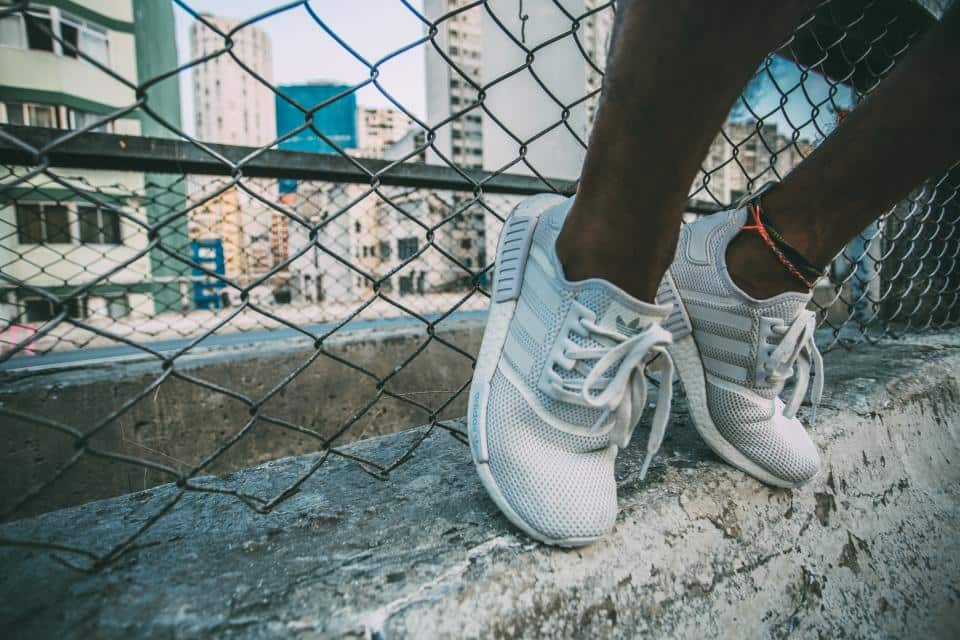 Best for road runningTopo Athletic ST-5A zero-drop road shoe from a brand that builds anatomically wide toe boxes without the barefoot ideology - a soft landing for skeptics. | A zero-drop trainer, not a barefoot shoe | |
| 4 | 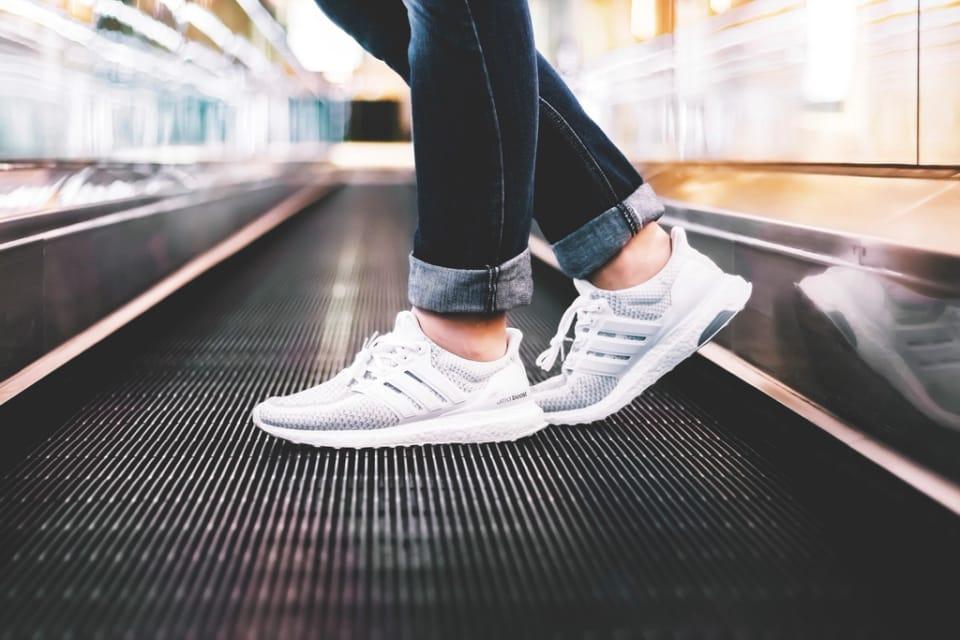 Best middle groundMerrell Trail Glove 7A 14 mm stack, zero drop and a Vibram outsole - the most mainstream way to hike in a minimalist shoe, available waterproof or not. | 14 mm, Vibram outsole, full days | |
| 5 |  Best for widthLems Primal ZenLems builds one of the roomiest everyday lasts in the category - if other barefoot shoes still feel tight across the toes, start here. | Extra-wide last for everyday wear |
#ad Prices come from the retailer and change; we never publish a figure we have not verified live. Affiliate disclosure.
This is a mechanics page, not a weight-loss page. The relevant fact is simple and not a judgment: the load through your foot on every step scales with the mass above it. A thin sole transmits that load to your heel, forefoot and the small bones in between more directly than a thick one, so the thinner the shoe, the more of the shock absorption your own tissues are doing.
That does not put barefoot shoes out of reach. It means two of the four usual properties change priority: keep zero drop and the wide toe box, be far more conservative about thinness, and slow the transition down. Everything below follows from that.
Zero drop without thin: the useful distinction
The two ideas get bundled together and they are separable. Drop is the height difference between heel and forefoot. Stack is how much material is underfoot in total. A shoe can have 0 mm of drop and 25 mm of stack, which is exactly what the Altra Lone Peak 9 is: flat, wide and cushioned.
That combination gets dismissed in barefoot circles as not really barefoot, which is true as a definition and unhelpful as advice. If you are carrying more mass, a flat, wide, cushioned shoe gives you the postural and toe-splay benefits of this category while leaving the shock absorption to foam rather than to your metatarsals. Barefoot vs zero drop explains the distinction properly, and it matters more here than on any other page of this site.
How we chose
The criteria, applied in this order:
- Zero drop, verified from published specifications - that property is not negotiable on this site.
- Enough stack to carry more mass on hard ground, stated as a real figure rather than described as cushioned.
- A genuinely wide toe box, because a broader base is worth more, not less, when there is more weight above it.
- Durability under load, judged from upper construction and outsole material - heavier wear flattens a cheap midsole faster.
- A sensible ladder rather than five shoes at the same thickness, so this page works as a progression.
- Currently sold in the US, in sizes that are actually stocked, with a budget-friendly option in the set.
The transition, recalculated
The standard plan on this site is to add minimal-shoe hours gradually and judge by how your feet feel the next morning. That plan does not change in structure, it changes in pace: give every stage roughly twice the time, and hold at a stage for an extra week whenever anything is still sore at breakfast.
The reason is the documented downside of this category rather than anything specific to body weight. In an MRI study of 36 runners, 10 of the 19 who spent 10 weeks moving into minimal shoes developed new bone-marrow edema — early bone stress — and most had no symptoms warning them. Bone stress responds to load, and load is what more mass adds. Slower is not timid here; it is the whole technique. The full transition plan and how long it takes are the pages to work from.
What actually gets better
Three things, and they are worth the patience. Toe room stops your forefoot being squeezed into a point, which is the most immediate comfort gain anyone in this category reports. A flat platform removes the forward tilt a heeled shoe builds in, so your weight sits over the whole foot. And the slow strengthening of the small muscles under the arch is well enough supported to be worth pursuing — a review of minimalist footwear and plantar intrinsic foot muscle size and strength found encouraging results for thin, flexible shoes specifically, on a timescale of months rather than weeks.
What will not happen is a shoe fixing foot pain that has a different cause. If you have plantar heel pain now, read do barefoot shoes cause plantar fasciitis before changing anything, and see a clinician who can examine the foot.
Before you order: fit and transition
Two things matter more than which shoe on this page you pick, and both are free.
Get the size right. Barefoot brands size from internal length rather than from a conventional size label, and you need roughly 10 to 15 mm beyond your longest toe — more than a normal fitting leaves. Measure your feet, then use the sizing guide and the cross-brand table. Sizing up to get a wider shoe does not work: lasts scale in length, so you get heel slip and toes sitting behind the widest part of the shoe.
Build up slowly. The documented risk in this category is bone stress injury from a rushed transition — in one MRI study of 36 runners, 10 of the 19 who spent 10 weeks moving into minimal shoes developed new bone-marrow edema, mostly without symptoms. Keep your current shoes, add minimal-shoe hours gradually, and judge by how your feet feel the next morning. The transition plan.
One extra check here: press on the midsole of any shoe you have worn for six months. Heavier wear compresses foam faster, and a flattened zero-drop midsole quietly becomes a thin shoe you did not choose to buy.
The picks in detail
Five shoes arranged as a ladder from most forgiving to thinnest, all zero drop and all genuinely wide.
1. Best overall
Altra Lone Peak 9
Zero drop with 25 mm of cushioning underneath. Not a barefoot shoe and not pretending to be - it is the zero-drop shoe you hike 2,000 miles in.
What works
- Zero drop with real cushioning - the combination almost nobody else offers
- The de facto standard on long-distance hiking trails
- Genuinely wide forefoot in standard width
What does not
- 25 mm of foam means essentially no ground feel
- Outsoles are known to wear out faster than the uppers
Skip these if: You want ground feel or foot strengthening. This shoe gives you neither - it gives you zero drop and comfort.
Specifications as published by the maker and reported by BikeHikeSafari, best barefoot shoes 2026 stated specifications. We have not measured them ourselves. Altra fit profile
2. Best first barefoot-brand shoe
Xero Shoes Scrambler Low
An 11.5 mm stack with 4 mm of foam and a removable 3.5 mm insole - the most forgiving zero-drop shoe here, and the one we would hand a nervous switcher.
What works
- The removable 3.5 mm insole gives you two shoes in one as your feet adapt
- Enough foam to survive a full day on concrete in week one
- Still flexes and still zero drop
What does not
- 11.5 mm is a lot of shoe if you came for ground feel
- Heavier than the rest of the line
Skip these if: You have already transitioned and want maximum ground feel - this will feel like a normal sneaker.
Specifications as published by the maker and reported by Outdoor Life, best barefoot shoes 2026 stated specifications. We have not measured them ourselves. Xero Shoes fit profile
3. Best for road running
Topo Athletic ST-5
A zero-drop road shoe from a brand that builds anatomically wide toe boxes without the barefoot ideology - a soft landing for skeptics.
What works
- Wide toe box with a conventional running-shoe heel fit
- Enough midsole to run road mileage immediately
- Measured and scored in RunRepeat's lab catalog
What does not
- More shoe than most barefoot buyers want
- Narrower size range than the big running brands
Skip these if: You want ground feel. This is a running shoe that happens to be flat.
Specifications as published by the maker and reported by RunRepeat barefoot running shoes catalog. We have not measured them ourselves. All brand fit profiles
4. Best middle ground
Merrell Trail Glove 7
A 14 mm stack, zero drop and a Vibram outsole - the most mainstream way to hike in a minimalist shoe, available waterproof or not.
What works
- Vibram traction that holds on wet rock
- Enough stack to hike a full day on mixed terrain
- Easy to find in stores and easy to return
What does not
- Toe box is moderate, not wide - Merrell's last is narrower than Xero's
- 14 mm is firm cushioning, not soft
Skip these if: You need a genuinely wide or extra-wide forefoot.
Specifications as published by the maker and reported by BikeHikeSafari, best barefoot shoes 2026 stated specifications. We have not measured them ourselves. Merrell fit profile
5. Best for width
Lems Primal Zen
Lems builds one of the roomiest everyday lasts in the category - if other barefoot shoes still feel tight across the toes, start here.
What works
- Among the widest forefoot shapes available off the shelf
- High enough toe box for a tall big toe or a hammer toe
- Flexes flat and packs small
What does not
- The width that makes it work looks bulbous to some people
- Heel can be loose on a narrow heel
Skip these if: You have a narrow foot - all that room becomes heel slip and a sloppy fit.
Specifications as published by the maker and reported by Lems Shoes product listing, Primal Zen. We have not measured them ourselves. Lems Shoes fit profile
Common questions
Are barefoot shoes safe if you are overweight?
The zero drop and wide toe box are useful at any body weight. The thin sole is the part to be careful with, because load through the foot scales with the mass above it. Start with more stack - 11 to 25 mm of zero-drop cushioning - and extend each transition stage.
How much stack height should I start with?
More than a lighter beginner would. The Altra Lone Peak 9's 25 mm of zero-drop cushioning or the Merrell Trail Glove 7's 14 mm are sensible starting points, with the Xero Scrambler Low's 11.5 mm as the first genuinely barefoot-brand step.
Is a zero-drop cushioned shoe still a barefoot shoe?
No, and that is fine. Drop and stack are separate specs: a shoe can be flat without being thin. For a heavier body, flat-and-cushioned is a legitimate destination rather than a failed attempt at thin.
How long should the transition take?
Roughly double the usual timeline, and hold at any stage where something is still sore the next morning. The documented risk is bone stress injury from moving too fast, and that risk is load-driven, so the pace is the safety mechanism.
Can I run in barefoot shoes if I am heavier?
Eventually, and not as the first step. Complete the walking transition, then start a running progression from the beginning in the thickest zero-drop shoe you own. Running multiplies the peak load per step, which is why stacking new shoes and new mileage together causes injuries.
Do barefoot shoes wear out faster under more weight?
Midsoles compress faster, yes. A zero-drop cushioned shoe that has flattened is effectively thinner than the one you bought, so check the midsole by hand every few months rather than waiting for the outsole tread to disappear.
Sources
- Outdoor Life, best barefoot shoes 2026 — stated stack heights and weights
- RunRepeat barefoot running shoes catalog
- Ridge et al., foot bone marrow edema after 10-week transition to minimal footwear
- Effects of Minimalist Shoes on Plantar Intrinsic Foot Muscle Size and Strength: A Review
Accessed October 2026. Where a source is a manufacturer, the specification is theirs as published — we have not measured it.
Read next

How to transition to barefoot shoes
A concrete 16-week plan with numbers, built around the MRI study that found bone-marrow edema in 10 of 19 transitioning runners.
By Brijon M. · Updated October 2026
Top pick: Xero Shoes Scrambler Low

How long does the transition take?
8-16 weeks for everyday wear, 6-12 months for full running mileage, and a stage table explaining why bone sets the pace.
By Brijon M. · Updated October 2026
Top pick: Xero Shoes Scrambler Low
Barefoot vs Zero Drop
Barefoot vs zero drop: which do you actually want?
Every barefoot shoe is zero drop; most zero-drop shoes are not barefoot. A side-by-side table and a pick for each answer.
By Brijon M. · Updated October 2026
Top pick: Vivobarefoot Primus Lite III
Best Beginner Running Shoes
Best barefoot running shoes for beginners (October 2026)
Thickest-first picks, a concrete eight-week progression, and the walking gate to clear before you buy at all.
By Brijon M. · Updated October 2026
Top pick: Topo Athletic ST-5
Best for Beginners
Best barefoot shoes for beginners (October 2026)
Your first pair should be thicker than your fifth. Six forgiving picks with removable insoles and real stack height.
By Brijon M. · Updated October 2026
Top pick: Xero Shoes Scrambler Low
Best Zero-Drop
The best zero-drop shoes (October 2026)
Seven zero-drop shoes from 4 mm to 25 mm underfoot, and why the drop figure alone tells you almost nothing.
By Brijon M. · Updated October 2026
Top pick: Xero Shoes Prio