Best for Overpronation
The best barefoot shoes for overpronation
No barefoot shoe corrects pronation. The more useful question is whether yours needs correcting at all.
By Brijon M. · Updated October 2026
No barefoot shoe controls pronation, and in the largest prospective study of novice runners, moderately pronated feet were not injured more often than neutral ones. The Xero Shoes Prio is the best starting point: wide, flat, flexible, and cheap enough to test the idea.
How this page is funded: some links here are Amazon affiliate links, so we may earn a commission if you buy — at no extra cost to you. It never changes which products we include or how we rank them, and we take no payment from brands for placement. Full disclosure.
Quick picks
Tap any row to jump to the full write-up. Selection is specification-led, not wear-tested — how we choose.
| # | Product | Best for | Price |
|---|---|---|---|
| 1 | 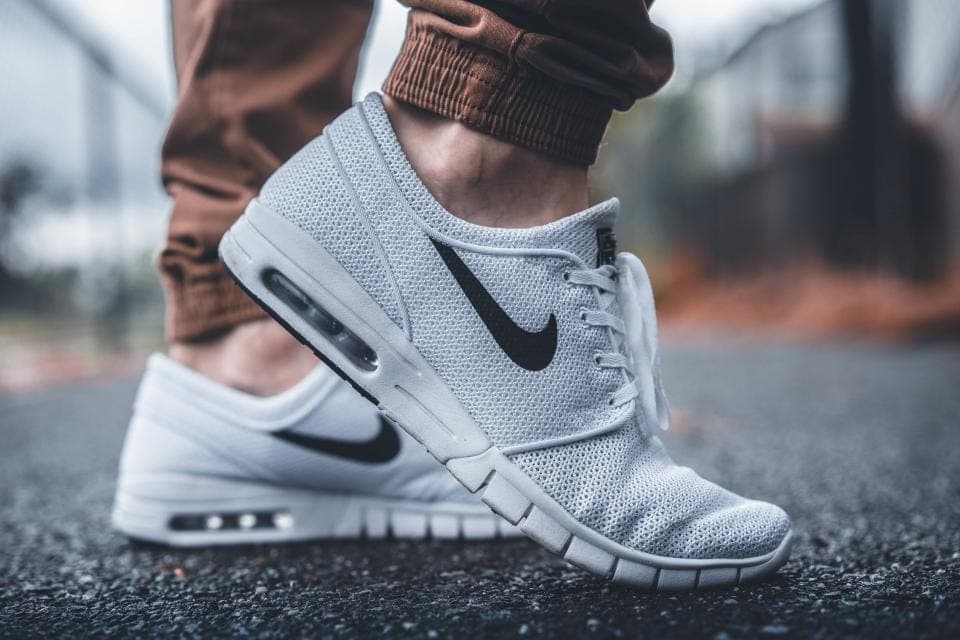 Best overallXero Shoes PrioThe closest thing to a default first barefoot shoe: genuinely wide, genuinely flexible, and cheap enough that a failed experiment does not hurt. | Wide, flat, with lacing that holds the midfoot | |
| 2 |  Best cushionedAltra Lone Peak 9Zero drop with 25 mm of cushioning underneath. Not a barefoot shoe and not pretending to be - it is the zero-drop shoe you hike 2,000 miles in. | Leaving motion-control shoes without going thin | |
| 3 |  Best for beginnersXero Shoes Scrambler LowAn 11.5 mm stack with 4 mm of foam and a removable 3.5 mm insole - the most forgiving zero-drop shoe here, and the one we would hand a nervous switcher. | 11.5 mm with a removable 3.5 mm insole | |
| 4 | 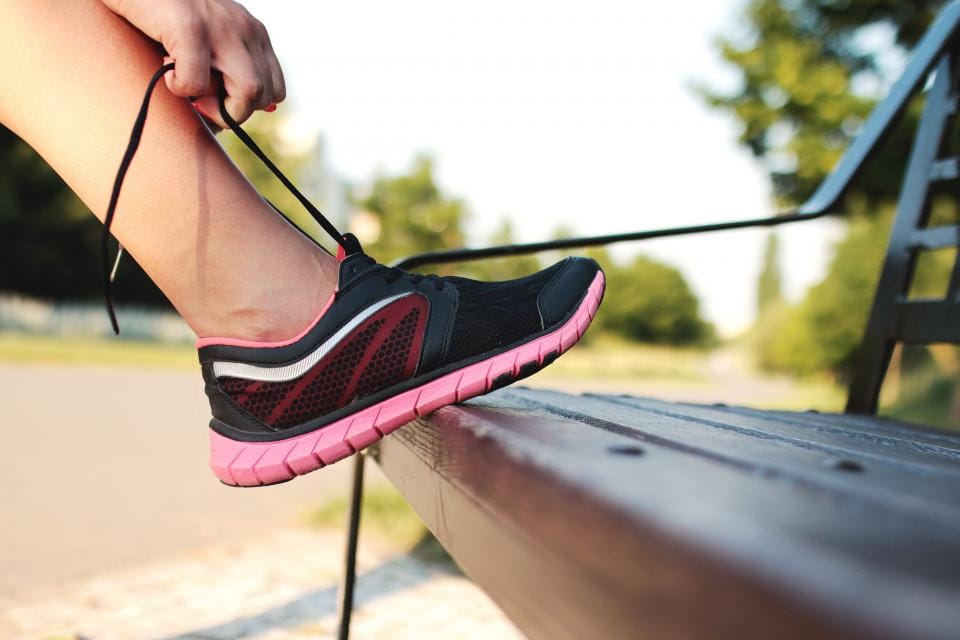 Best for road runningXero Shoes HFS IIA true zero-drop road shoe with an 8.5 mm stack at both ends, which is about as thin as most people can run pavement in without a long build-up. | Measured zero drop at both ends | |
| 5 |  RoomiestLems Primal ZenLems builds one of the roomiest everyday lasts in the category - if other barefoot shoes still feel tight across the toes, start here. | A foot that splays wide under load | |
| 6 |  Most versatileMerrell Trail Glove 7A 14 mm stack, zero drop and a Vibram outsole - the most mainstream way to hike in a minimalist shoe, available waterproof or not. | 14 mm and a Vibram outsole, road to trail | |
| 7 |  Best budgetWHITIN Minimalist Trail RunnerA zero-drop, wide-toe-box knit shoe at roughly a third of what the established brands charge - and the cheapest honest way to find out if this suits you. | Testing the idea cheaply |
#ad Prices come from the retailer and change; we never publish a figure we have not verified live. Affiliate disclosure.
If a shop assistant or a treadmill video has told you that you overpronate, you have probably been steered toward a motion-control shoe with a firm medial post. This page is the other answer, and it starts with a concession: no barefoot shoe controls pronation. There is no post, no dual-density foam and no structure to resist the motion. Anyone selling you a minimalist shoe as a pronation fix is making it up.
What is worth knowing is that the largest study of the question found the motion may not need controlling in the first place.
What overpronation actually is
Pronation is the combined inward roll and flattening your foot performs as it accepts your weight. It is how a foot absorbs load, and a foot that does not pronate at all is a stiffer, worse shock absorber than one that does. The over in overpronation is a judgment about quantity, usually made either by eye from behind on a treadmill or with a scored observational tool such as the Foot Posture Index.
Two things follow from that. The judgment is less precise than the confident label suggests, and it describes a movement rather than a diagnosis. Foot shape types covers the static side of your foot, which is a separate question — and the one that actually decides which shoe fits you.
What the largest study found
Nielsen and colleagues followed 927 novice runners — 1,854 feet — for a full year, with everyone starting in the same neutral shoe. Foot posture was scored with the Foot Posture Index and grouped from highly supinated through to highly pronated. Across 163,401 km of running, 252 runners were injured.
The headline result: pronated feet were not at higher injury risk. Per 1,000 km, the pronated group actually recorded fewer injuries than the neutral group. The paper's own title states the finding plainly — foot pronation is not associated with increased injury risk in novice runners wearing a neutral shoe.
So the honest position is narrower than either sales pitch. Moderate pronation in a healthy, pain-free foot is probably not the problem it is sold as. Severe pronation with pain is a clinical question, not a shoe-shopping question.
What a barefoot shoe does instead
It changes what your foot has to do rather than what the shoe does for it. A flexible sole lets the foot move through its own range, and a review of the minimalist-footwear literature finds measured increases in the size and strength of the intrinsic foot muscles — the small muscles inside the foot that support the arch from within. That is a real, measured outcome, and it is the strongest claim we will make.
What it is not is arch correction. No adult grows an arch from footwear, no shoe straightens a toe, and a stronger foot is not the same thing as a differently shaped one. If a page tells you otherwise, check what it is citing.
How we chose
The criteria, applied in this order:
- A genuinely wide forefoot, so the foot can splay as it loads rather than being held narrow at the moment it is widest.
- Zero drop, verified from published specifications rather than from the word minimalist on the box.
- A spread of stack heights from roughly 8 mm to 25 mm, because someone leaving motion-control shoes should not land on a 4 mm sole, and we would rather rank a cushioned zero-drop shoe honestly than pretend thin is the only option.
- Midfoot hold, since a foot that rolls inward needs the shoe to stay with it. Lacing panels and cinching closures beat roomy slip-ons here.
- A removable insole where one exists, so the same shoe works at two thicknesses as your feet adapt.
- Currently sold in the US, verified at build time, with a real budget option - this should not cost $170 to try.
If you are coming out of motion-control shoes, do it like this
This is the part that actually decides whether the switch works, and it costs nothing.
- Keep your current shoes. You are adding a shoe, not replacing one. Having the old pair available is what makes it safe to go slowly.
- Start with walking, not running. Two or three short walks in the first week, in the thickest shoe you bought.
- Judge by the next morning. Calf and arch soreness that settles overnight is adaptation. Pain in the same spot on consecutive mornings, or any sharp, pinpoint pain, means back off.
- Add running last, and add it in minutes. If you run, keep most of your weekly mileage in your existing shoes for the first month or two.
- Do the free part. Foot strengthening exercises work regardless of what you have on your feet, and they are the mechanism you are actually buying into.
- Give it months, not weeks. How long the transition takes sets realistic expectations.
The documented risk is worth stating plainly once more, because the pronation debate tends to crowd it out: in an MRI study of 36 runners, 10 of the 19 who spent 10 weeks transitioning into minimal shoes developed new bone-marrow edema, mostly without symptoms. Nothing about pronation changes that, and a slow build-up is the whole defense against it.
When pronation is not the thing to solve
If you have pain now, the pain is the thing to solve and the pronation label is a distraction. A collapsing arch with pain and swelling along the inside of the ankle can be a tendon problem rather than a footwear preference, and it is diagnosed by examination, not off a shoe wall. Nothing on this page substitutes for that.
Two neighboring pages are usually the better read. Barefoot shoes for flat feet deals with the static shape, including why a low arch is not automatically a problem. Barefoot shoes vs orthotics covers the case where you already have prescribed inserts and are wondering whether to abandon them — short version, do not, not without the person who prescribed them. And if you are reading this after a pregnancy because your arches dropped, barefoot shoes for pregnancy explains why that change can be permanent and why re-measuring matters before you buy.
Before you order: fit and transition
Two things matter more than which shoe on this page you pick, and both are free.
Get the size right. Barefoot brands size from internal length rather than from a conventional size label, and you need roughly 10 to 15 mm beyond your longest toe — more than a normal fitting leaves. Measure your feet, then use the sizing guide and the cross-brand table. Sizing up to get a wider shoe does not work: lasts scale in length, so you get heel slip and toes sitting behind the widest part of the shoe.
Build up slowly. The documented risk in this category is bone stress injury from a rushed transition — in one MRI study of 36 runners, 10 of the 19 who spent 10 weeks moving into minimal shoes developed new bone-marrow edema, mostly without symptoms. Keep your current shoes, add minimal-shoe hours gradually, and judge by how your feet feel the next morning. The transition plan.
One pronation-specific note: as your foot loads and rolls inward, it also gets wider, which is why forefoot width is a selection criterion here rather than a bonus. A shoe that fits standing still but pinches at the moment your foot spreads is the wrong size for you.
The picks in detail
Seven shoes, ranked by width, midfoot hold and how forgiving each one is to switch into, with published specs, honest cons and a 'skip these if' on every one.
1. Best overall
Xero Shoes Prio
The closest thing to a default first barefoot shoe: genuinely wide, genuinely flexible, and cheap enough that a failed experiment does not hurt.
What works
- Removable 2 mm insole, so you can go thinner as your feet adapt
- Wide enough for most square and plateau foot shapes
- Flexes and rolls flat, which is the quickest way to spot a fake minimalist shoe
What does not
- The lacing panel can pressure a high instep
- Thin heel padding is noticeable on hard floors for the first week
Skip these if: You have a high-volume foot and dislike lace pressure across the top, or you need any cushioning at all on day one.
Specifications as published by the maker and reported by Xero Shoes Prio listing specifications. We have not measured them ourselves. Xero Shoes fit profile
2. Best cushioned
Altra Lone Peak 9
Zero drop with 25 mm of cushioning underneath. Not a barefoot shoe and not pretending to be - it is the zero-drop shoe you hike 2,000 miles in.
What works
- Zero drop with real cushioning - the combination almost nobody else offers
- The de facto standard on long-distance hiking trails
- Genuinely wide forefoot in standard width
What does not
- 25 mm of foam means essentially no ground feel
- Outsoles are known to wear out faster than the uppers
Skip these if: You want ground feel or foot strengthening. This shoe gives you neither - it gives you zero drop and comfort.
Specifications as published by the maker and reported by BikeHikeSafari, best barefoot shoes 2026 stated specifications. We have not measured them ourselves. Altra fit profile
3. Best for beginners
Xero Shoes Scrambler Low
An 11.5 mm stack with 4 mm of foam and a removable 3.5 mm insole - the most forgiving zero-drop shoe here, and the one we would hand a nervous switcher.
What works
- The removable 3.5 mm insole gives you two shoes in one as your feet adapt
- Enough foam to survive a full day on concrete in week one
- Still flexes and still zero drop
What does not
- 11.5 mm is a lot of shoe if you came for ground feel
- Heavier than the rest of the line
Skip these if: You have already transitioned and want maximum ground feel - this will feel like a normal sneaker.
Specifications as published by the maker and reported by Outdoor Life, best barefoot shoes 2026 stated specifications. We have not measured them ourselves. Xero Shoes fit profile
4. Best for road running
Xero Shoes HFS II
A true zero-drop road shoe with an 8.5 mm stack at both ends, which is about as thin as most people can run pavement in without a long build-up.
What works
- Measured zero drop at both ends, not a marketing claim
- Noticeably lighter and more road-focused than the Prio
- Holds the heel without a stiff counter
What does not
- Toe box is narrower than Xero's casual lasts
- 8.5 mm underfoot is unforgiving on broken pavement
Skip these if: Your forefoot is genuinely wide or extra-wide - the HFS II is one of Xero's narrower shoes.
Specifications as published by the maker and reported by RunRepeat lab specifications, Xero Shoes HFS II. We have not measured them ourselves. Xero Shoes fit profile
5. Roomiest
Lems Primal Zen
Lems builds one of the roomiest everyday lasts in the category - if other barefoot shoes still feel tight across the toes, start here.
What works
- Among the widest forefoot shapes available off the shelf
- High enough toe box for a tall big toe or a hammer toe
- Flexes flat and packs small
What does not
- The width that makes it work looks bulbous to some people
- Heel can be loose on a narrow heel
Skip these if: You have a narrow foot - all that room becomes heel slip and a sloppy fit.
Specifications as published by the maker and reported by Lems Shoes product listing, Primal Zen. We have not measured them ourselves. Lems Shoes fit profile
6. Most versatile
Merrell Trail Glove 7
A 14 mm stack, zero drop and a Vibram outsole - the most mainstream way to hike in a minimalist shoe, available waterproof or not.
What works
- Vibram traction that holds on wet rock
- Enough stack to hike a full day on mixed terrain
- Easy to find in stores and easy to return
What does not
- Toe box is moderate, not wide - Merrell's last is narrower than Xero's
- 14 mm is firm cushioning, not soft
Skip these if: You need a genuinely wide or extra-wide forefoot.
Specifications as published by the maker and reported by BikeHikeSafari, best barefoot shoes 2026 stated specifications. We have not measured them ourselves. Merrell fit profile
7. Best budget
WHITIN Minimalist Trail Runner
A zero-drop, wide-toe-box knit shoe at roughly a third of what the established brands charge - and the cheapest honest way to find out if this suits you.
What works
- The lowest-risk way to test barefoot shoes at all
- Removable sockliner, so you can thin it out over time
- Wide toe box that genuinely is wide
What does not
- Low volume through the instep compared with Saguaro
- Build quality is what the price suggests - it will not last years
- Sizing is inconsistent between colorways
Skip these if: You have a high instep or a high-volume foot - WHITIN runs low and you will feel the laces.
Specifications as published by the maker and reported by That Fit Friend, WHITIN Minimalist Trail Runner review. We have not measured them ourselves. WHITIN fit profile
Common questions
Are barefoot shoes good for overpronation?
They do not control pronation - there is no medial post and no structure to resist it. What they offer is a wide, flat, flexible platform and the measured intrinsic-foot-muscle gains that come with it. Whether that is better than a motion-control shoe depends on whether your pronation is causing you a problem at all.
Do I need motion-control shoes if I overpronate?
The largest study on this followed 927 novice runners for a year in the same neutral shoe and found pronated feet were not injured more often than neutral feet. That is strong evidence against needing correction for moderate pronation. Severe pronation with pain is a clinical question - see someone who can examine your foot.
Will barefoot shoes fix my overpronation?
No, and we would not trust a page that says yes. No adult grows an arch from footwear and no shoe changes the shape of a foot. The measurable outcome is stronger intrinsic foot muscles, which is worth having and is a different claim.
Is overpronation the same as having flat feet?
No. Flat feet describe a static shape; overpronation describes a motion. They often occur together, but plenty of low arches barely move and plenty of normal arches roll in substantially. The shoe that fits your foot is decided by the first, not the second.
What is the best barefoot shoe for overpronation?
The Xero Shoes Prio for most people: genuinely wide, zero drop, and its lacing panel holds the midfoot as the foot rolls. If you are leaving cushioned motion-control shoes, the Altra Lone Peak 9 gets you to zero drop with 25 mm underneath, which is a far gentler change.
Can I use my orthotics in barefoot shoes?
Sometimes physically, but it defeats most of the point - a rigid insert inside a flexible shoe stops the foot moving, which is the mechanism you bought the shoe for. If your orthotics were prescribed for a diagnosed condition, do not drop them on the strength of a web page. Talk to whoever prescribed them first.
Sources
- Outdoor Life, best barefoot shoes 2026 — stated stack heights and weights
- RunRepeat barefoot running shoes catalog
- Ridge et al., foot bone marrow edema after 10-week transition to minimal footwear
- Nielsen et al., Foot pronation is not associated with increased injury risk in novice runners wearing a neutral shoe, Br J Sports Med 2014;48(6):440-447
- Aarhus University summary of the Nielsen pronation cohort
- Effects of Minimalist Shoes on Plantar Intrinsic Foot Muscle Size and Strength: A Review
Accessed October 2026. Where a source is a manufacturer, the specification is theirs as published — we have not measured it.
Read next
Best for Flat Feet
Best barefoot shoes for flat feet (October 2026)
Flexible and rigid flat feet need opposite things. How to tell which you have, and the shoes for the case that fits.
By Brijon M. · Updated October 2026
Top pick: Xero Shoes Scrambler Low
Barefoot vs Orthotics
Barefoot shoes vs orthotics
Orthotics share load; barefoot shoes return it. Which you need depends on whether your foot wants rest or training.
By Brijon M. · Updated October 2026
Top pick: Xero Shoes Scrambler Low
Best With Some Support
Best minimalist shoes if you want arch support (October 2026)
No barefoot shoe has arch support. The three honest alternatives, ordered from most cushioned to least.
By Brijon M. · Updated October 2026
Top pick: Altra Lone Peak 9
Best Beginner Running Shoes
Best barefoot running shoes for beginners (October 2026)
Thickest-first picks, a concrete eight-week progression, and the walking gate to clear before you buy at all.
By Brijon M. · Updated October 2026
Top pick: Topo Athletic ST-5
Foot shape types, and the toe box each one needs
Four toe-length patterns, how to spot yours on a tracing, and which brands' lasts suit each — crossed against what you need the shoes for.
By Brijon M. · Updated October 2026
Top pick: Lems Primal Zen
Best for Pregnancy
The best barefoot shoes for pregnancy
Six wide, stable zero-drop shoes for pregnancy, ranked by heel hold and room to swell into rather than by thinness.
By Brijon M. · Updated October 2026
Top pick: Xero Shoes Scrambler Low