Best Hiking Boots
Best barefoot hiking boots (October 2026)
Over-the-ankle weather protection on a flat, wide, flexible platform. A short list, and worth knowing its limits.
By Brijon M. · Updated October 2026
The Vivobarefoot Tracker is the default barefoot hiking boot: zero drop, water-resistant leather over the ankle, around a pound a pair, with a puncture-resistant outsole. The Lems Boulder Boot Grip is the waterproof alternative and packs almost flat.
How this page is funded: some links here are Amazon affiliate links, so we may earn a commission if you buy — at no extra cost to you. It never changes which products we include or how we rank them, and we take no payment from brands for placement. Full disclosure.

Quick picks
Tap any row to jump to the full write-up. Selection is specification-led, not wear-tested — how we choose.
| # | Product | Best for | Price |
|---|---|---|---|
| 1 |  Best overallVivobarefoot Tracker (Leather AT / Tracker II)Roughly a pound a pair, zero drop, water-resistant leather over the ankle. The default answer when someone wants a real boot that is still a barefoot shoe. | Leather over the ankle, puncture-resistant outsole | |
| 2 | 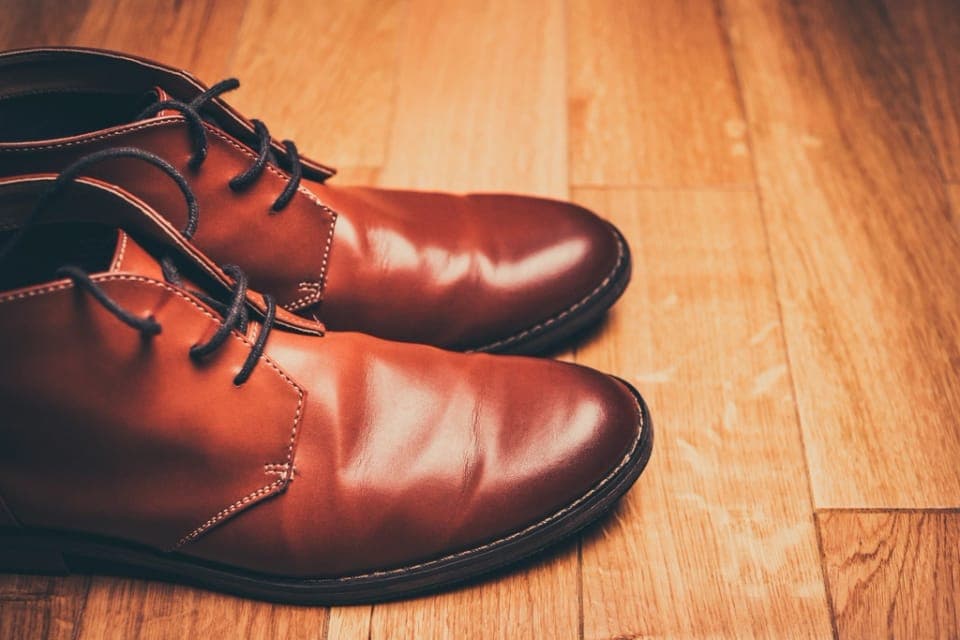 Best waterproofLems Boulder Boot GripA waterproof zero-drop boot that packs almost flat. It is a light work and farm boot, not safety footwear, and Lems does not claim otherwise. | Wet ground; packs almost flat | |
| 3 |  Best valueJim Green African RangerA 15 mm-stack reinforced-toe boot in noticeably softer leather than the rest - the comfortable option when you are not required to wear a safety toe. | 15 mm, soft leather, resolable | |
| 4 |  ToughestBearfoot BruinA 15 mm-stack zero-drop boot with a reinforced (not certified) toe - built for farm and workshop work where you want toughness without a steel cap. | Reinforced toe, farm and rough use | See it at Bearfoot #ad — brand-direct link, we earn nothing on it. Why we still list it |
| 5 | 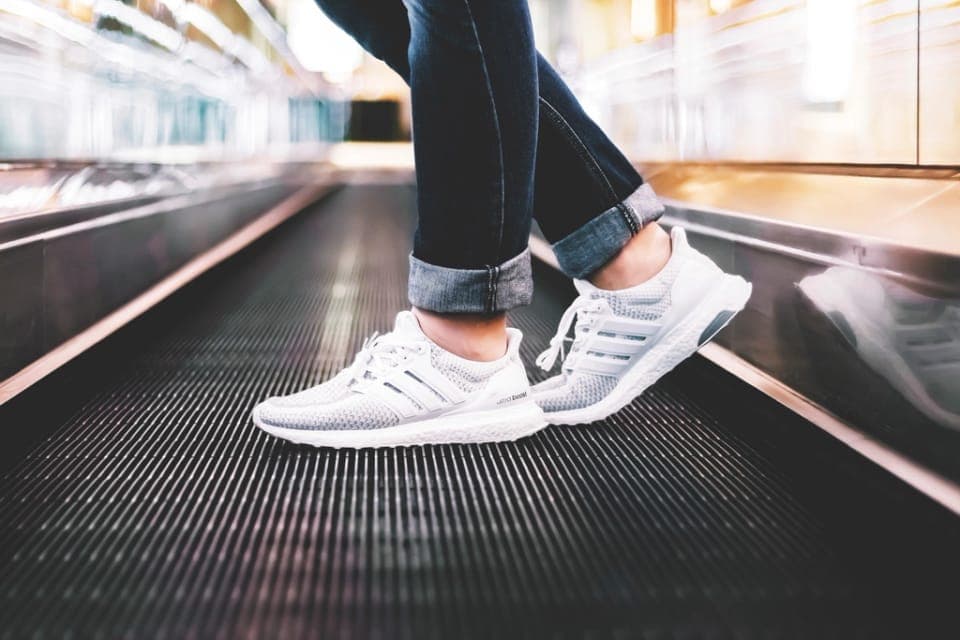 Best low-cut alternativeMerrell Trail Glove 7A 14 mm stack, zero drop and a Vibram outsole - the most mainstream way to hike in a minimalist shoe, available waterproof or not. | 14 mm with Vibram, no ankle cuff |
#ad Prices come from the retailer and change; we never publish a figure we have not verified live. Affiliate disclosure.
A barefoot hiking boot is a genuinely useful thing: over-the-ankle weather protection, a flat and wide platform, and a sole that still bends. It is also a short list, because building a boot that keeps water out while remaining flexible is a real engineering tension.
What a boot gets you over a low shoe
- Weather and debris exclusion over the ankle. The main reason to own one. Mud, snow, scree and wet grass all go over a low collar.
- Warmth. More material and a higher collar is meaningfully warmer, which matters from October onwards.
- Some abrasion protection on the ankle bone itself, which low shoes give you nothing of.
- Puncture resistance in some models. The Vivobarefoot Tracker has a puncture-resistant outsole, which almost no thin boot offers.
What none of them have
Worth being explicit, because the roundups are not. None of these boots has a certified safety toe. The Vivobarefoot Tracker and the Lems Boulder Boot Grip both have soft toes and no safety rating, and their makers do not claim otherwise. Bearfoot and Jim Green have reinforced toes, which help against knocks and are not certification.
If your workplace requires a safety toe, none of these will pass an inspection, and that is a different page with a different and shorter list.
None has a rock plate either, so the underfoot protection on sharp ground is whatever the stack height gives you. A 15 mm boot is better on rock than a 4 mm shoe; neither is a conventional hiking boot with a shank.
How we chose
The criteria, applied in this order:
- Zero drop with a flexible sole, so it is a barefoot boot rather than a wide conventional one.
- Weather protection stated honestly per model — water-resistant and waterproof are different claims and we have not blended them.
- Stack height, because underfoot protection is the main thing a boot can offer on rough ground.
- Toe-box width, which boots constrain more than shoes do.
- Resolability where offered, since a boot is expected to last.
- Safety certification status stated explicitly, including the honest absence.
Ankle support: the honest answer
A high cuff restricts ankle motion, and restricted motion is harder to roll. It also reduces your ankle's ability to sense and correct a developing roll, and means the muscles that would have done that get less practice.
Which effect dominates depends on load, terrain and how strong your ankles currently are. For day hiking on reasonable trail with a light pack, a low-cut flexible shoe plus strong ankles is a good system. For heavy loads on broken ground, or coming straight out of stiff boots, a boot earns its weight. Note that these boots are flexible boots — they offer far less motion restriction than a conventional hiking boot, which is the point and also the limit. Longer version.
Before you order: fit and transition
Two things matter more than which shoe on this page you pick, and both are free.
Get the size right. Barefoot brands size from internal length rather than from a conventional size label, and you need roughly 10 to 15 mm beyond your longest toe — more than a normal fitting leaves. Measure your feet, then use the sizing guide and the cross-brand table. Sizing up to get a wider shoe does not work: lasts scale in length, so you get heel slip and toes sitting behind the widest part of the shoe.
Build up slowly. The documented risk in this category is bone stress injury from a rushed transition — in one MRI study of 36 runners, 10 of the 19 who spent 10 weeks moving into minimal shoes developed new bone-marrow edema, mostly without symptoms. Keep your current shoes, add minimal-shoe hours gradually, and judge by how your feet feel the next morning. The transition plan.
Boot-specific: a boot is harder to size than a shoe because the ankle cuff hides heel lift until you are on a slope. Walk a staircase in the shop or at home on carpet before you commit.
The picks in detail
Ranked on weather protection and underfoot capability, with the certification status stated explicitly on every card.
1. Best overall
Vivobarefoot Tracker (Leather AT / Tracker II)
Roughly a pound a pair, zero drop, water-resistant leather over the ankle. The default answer when someone wants a real boot that is still a barefoot shoe.
What works
- Over-the-ankle leather that actually sheds weather
- Puncture-resistant outsole, which almost no thin boot offers
- Ankle padding without an ankle-stiffening cuff
What does not
- Thinner underfoot than the work boots it gets compared to
- Low volume - a wide foot with a high instep will struggle
- No safety toe, so it is not site-legal work footwear
Skip these if: You need a safety-rated toe cap, or you carry heavy loads over rock and want underfoot protection.
Specifications as published by the maker and reported by Anya's Reviews, zero-drop and minimalist work boots. We have not measured them ourselves. Vivobarefoot fit profile
2. Best waterproof
Lems Boulder Boot Grip
A waterproof zero-drop boot that packs almost flat. It is a light work and farm boot, not safety footwear, and Lems does not claim otherwise.
What works
- Waterproof without feeling like a plastic bag
- Packs flatter than any other boot here
- Wide, rounded toe box with room for toe splay
What does not
- Soft toe offers no impact protection
- Thin sole underfoot for a boot of this height
Skip these if: Your site requires a safety toe. This boot will not pass an inspection.
Specifications as published by the maker and reported by Anya's Reviews, zero-drop and minimalist work boots. We have not measured them ourselves. Lems Shoes fit profile
3. Best value
Jim Green African Ranger
A 15 mm-stack reinforced-toe boot in noticeably softer leather than the rest - the comfortable option when you are not required to wear a safety toe.
What works
- Softer leather means almost no break-in
- Resolable, so it outlasts its outsole
- 15 mm of stack for all-day standing
What does not
- No certification
- Softer leather scuffs and marks quickly
Skip these if: You need certified protection, or you want a boot that keeps a smart appearance.
Specifications as published by the maker and reported by Anya's Reviews, zero-drop and minimalist work boots. We have not measured them ourselves. All brand fit profiles
4. Toughest
Bearfoot Bruin
A 15 mm-stack zero-drop boot with a reinforced (not certified) toe - built for farm and workshop work where you want toughness without a steel cap.
What works
- 15 mm underfoot is substantial for a barefoot boot
- Reinforced toe handles knocks a soft toe would not
- Wide, foot-shaped last
What does not
- No certification at all - it will not pass a site inspection
- Brand-direct only
Skip these if: Your workplace requires certified safety footwear.
Specifications as published by the maker and reported by Anya's Reviews, zero-drop and minimalist work boots. We have not measured them ourselves. All brand fit profiles
5. Best low-cut alternative
Merrell Trail Glove 7
A 14 mm stack, zero drop and a Vibram outsole - the most mainstream way to hike in a minimalist shoe, available waterproof or not.
What works
- Vibram traction that holds on wet rock
- Enough stack to hike a full day on mixed terrain
- Easy to find in stores and easy to return
What does not
- Toe box is moderate, not wide - Merrell's last is narrower than Xero's
- 14 mm is firm cushioning, not soft
Skip these if: You need a genuinely wide or extra-wide forefoot.
Specifications as published by the maker and reported by BikeHikeSafari, best barefoot shoes 2026 stated specifications. We have not measured them ourselves. Merrell fit profile
Common questions
What is the best barefoot hiking boot?
The Vivobarefoot Tracker: zero drop, water-resistant leather over the ankle, around a pound a pair, with a puncture-resistant outsole. The Lems Boulder Boot Grip if waterproofing matters more than leather.
Do barefoot hiking boots have ankle support?
Far less than conventional boots — they are flexible by design. You get weather and abrasion protection over the ankle rather than motion restriction. Whether that is a drawback depends on load, terrain and your ankle strength.
Are any barefoot boots safety-rated?
Not these. The Tracker and Boulder Boot have soft toes and no rating; Bearfoot and Jim Green have reinforced toes, which is not certification. Certified options are a separate, shorter list. Safety-toe boots.
Waterproof or water-resistant?
The Lems Boulder Boot Grip is waterproof; the Vivobarefoot Tracker is water-resistant leather. For standing water and slush, waterproof plus height. For general wet weather, treated leather breathes better.
Can I use a hiking boot for work?
For farm, workshop and general outdoor work, yes — that is exactly what the Boulder Boot Grip and Bearfoot Bruin are good at. For a site requiring certified footwear, no.
Sources
- Outdoor Life, best barefoot shoes 2026 — stated stack heights and weights
- RunRepeat barefoot running shoes catalog
- Ridge et al., foot bone marrow edema after 10-week transition to minimal footwear
- BikeHikeSafari, best barefoot minimalist shoes for hiking and backpacking 2026
- Anya's Reviews, best barefoot hiking boots and shoes
- Outdoor Life, best barefoot shoes 2026 — stated stack heights and weights
- Anya's Reviews, zero-drop and minimalist work boots — certification status per boot
Accessed October 2026. Where a source is a manufacturer, the specification is theirs as published — we have not measured it.
Read next
Best Hiking Shoes
Best barefoot hiking shoes (October 2026)
Seven hiking shoes ranked by the terrain each actually handles, with a stack-height ladder and the honest limits.
By Brijon M. · Updated October 2026
Top pick: Merrell Trail Glove 7

Barefoot hiking and ankle support
Both camps are describing something real. The three variables that decide which applies, and how to train the active defense.
By Brijon M. · Updated October 2026
Top pick: Vivobarefoot Tracker (Leather AT / Tracker II)
Barefoot vs Hiking Boots
Barefoot shoes vs hiking boots
Load and terrain decide it. The ankle-support argument given a fair hearing from both sides, plus two middle options.
By Brijon M. · Updated October 2026
Top pick: Vivobarefoot Tracker (Leather AT / Tracker II)
Best Work Boots
Best barefoot work boots (October 2026)
Eight zero-drop work boots organized by certification, with each boot's published safety marking quoted exactly.
By Brijon M. · Updated October 2026
Top pick: Carets Determination Boot
#ad — brand-direct link, we earn nothing on it. Why we still list it
Best Winter Boots
Best barefoot winter boots (October 2026)
Thin soles conduct cold. The five warmest zero-drop boots, plus why waterproof is not the same as warm.
By Brijon M. · Updated October 2026
Top pick: HOBIBEAR Warm Wide Toe Box Barefoot Boots
Thinnest Soles
Vivobarefoot: fit, sizing and the volume problem
The thinnest soles in the category, the low-volume fit that catches people out, and why it is the wrong first pair.
By Brijon M. · Updated October 2026
Top pick: Vivobarefoot Primus Lite III