Best for Bunions
Best barefoot shoes for bunions (October 2026)
Stopping a shoe from making it worse is achievable and worth a lot. Reversing it is a different claim, and a weaker one.
By Brijon M. · Updated October 2026
A wide, tall toe box stops footwear pressing on the joint, and narrow toe boxes worn in early adulthood are associated with higher likelihood of hallux valgus later. Whether a wider shoe helps an existing painful bunion is not established — one study found no association with forefoot pressures.
How this page is funded: some links here are Amazon affiliate links, so we may earn a commission if you buy — at no extra cost to you. It never changes which products we include or how we rank them, and we take no payment from brands for placement. Full disclosure.

Quick picks
Tap any row to jump to the full write-up. Selection is specification-led, not wear-tested — how we choose.
| # | Product | Best for | Price |
|---|---|---|---|
| 1 |  Best overallLems Primal ZenLems builds one of the roomiest everyday lasts in the category - if other barefoot shoes still feel tight across the toes, start here. | Width plus the toe-box height a bunion needs | |
| 2 |  Best made-to-orderSoftstar Megagrip Primal RunAmocA 9.5 mm Vibram Megagrip sole with no insole at all, made to order in the USA - the shoe to buy when every mass-market last has failed your foot. | A joint nothing off the shelf clears | See it at Softstar #ad — brand-direct link, we earn nothing on it. Why we still list it |
| 3 |  Widest outdoor optionFreet HowgillFreet's hallmark is a very wide foot shape, and the Howgill is their light, soft hiking option for people whose toes need the room. | Walking and hiking | See it at Freet #ad — brand-direct link, we earn nothing on it. Why we still list it |
| 4 |  Best valueXero Shoes PrioThe closest thing to a default first barefoot shoe: genuinely wide, genuinely flexible, and cheap enough that a failed experiment does not hurt. | Wide and soft-uppered everyday wear | |
| 5 | 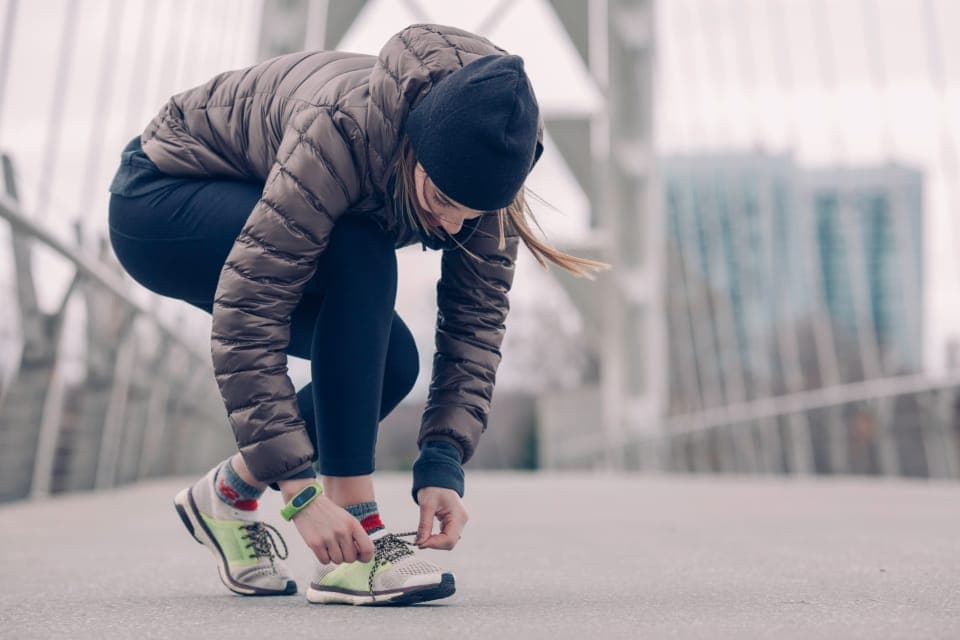 Best budgetSaguaro Chaser (Smart II / Vitality III)The roomiest of the budget marketplace brands - more space around the ankle and over the toes than WHITIN, which is the difference that matters if you have a thick foot. | Stretch knit over a prominent joint | |
| 6 |  Best spacersCorrect Toes Toe SpacersMedical-grade silicone spacers designed by a podiatrist to be worn inside shoes - which is the whole difference from the gel spacers sold for pedicures. | Toe position inside a roomy shoe |
#ad Prices come from the retailer and change; we never publish a figure we have not verified live. Affiliate disclosure.
A bunion — hallux valgus — is a deviation of the big toe toward the others with a prominence at the joint. The footwear question has two halves, and almost every page on this query collapses them into one.
What the evidence actually shows
On prevention, the evidence is reasonably supportive. Research on shoe-wearing patterns in older women found that wearing shoes with narrow or very narrow toe boxes between the ages of 20 and 39 increased the likelihood of hallux valgus compared with those who wore very wide toe boxes. Cross-sectional work has associated constrictive toe boxes with hallux valgus and foot pain, and elevated heels with hallux valgus and plantar calluses.
On helping an existing bunion, the evidence is genuinely mixed and we are not going to tidy it up. A study of older women with painful hallux valgus found that the toe-box shape and fit of the footwear they typically wore was not associated with increased medial forefoot pressures — suggesting that where footwear is not the active aggravator, changing toe-box width may not reduce pressure. On the other hand, a pilot study of a twelve-week minimalist running intervention reported reduced forefoot width, hallux abductus angle and hallux angle, with loading shifting toward the central and lateral regions.
A randomized pilot and feasibility trial protocol exists specifically on footwear, foot orthoses and strengthening exercises for non-surgical management of hallux valgus, using off-the-shelf footwear with an extra-wide toe box and a pliable upper. That tells you the question is being taken seriously and that it is not yet answered.
What that means practically
- A wide, tall toe box with a soft upper stops the shoe pressing on the joint. That is a real, immediate, uncontroversial benefit and for many people it is the whole reason the pain is manageable.
- A wide toe box is a reasonable long-term choice on prevention grounds, given the association between narrow toe boxes in early adulthood and later hallux valgus.
- Whether it changes the bunion itself is unsettled. Anyone telling you confidently either way has gone past the evidence.
- Surgery and other management are medical decisions. Not ours, and not a roundup's.
How we chose
The criteria, applied in this order:
- Toe-box width AND height. Height matters as much here — a bunion is a prominence, and a shoe that is wide but shallow still presses on it from above.
- A soft, pliable upper that gives over the joint rather than creasing against it. Stiff leather is the wrong choice regardless of width.
- No toe spring, because an upward curl at the front holds the toes in extension against the deviation.
- Zero drop, since elevated heels are associated with hallux valgus in cross-sectional work.
- Room for toe spacers, if you use them — which requires even more height.
- Currently sold in the US, verified at build time.
Toe spacers: useful, and not a correction
In-shoe spacers like Correct Toes are medical-grade silicone designed to be worn inside footwear, which only works in a shoe with genuine room — so a wide barefoot shoe is a prerequisite rather than an alternative. They hold your toes apart while you wear them. We are not going to tell you they correct a bunion, for the same reasons as above.
Build tolerance in short sessions, and stop immediately if you get numbness, pins and needles or color change in the toes. Toe spacers with barefoot shoes.
Before you order: fit and transition
Two things matter more than which shoe on this page you pick, and both are free.
Get the size right. Barefoot brands size from internal length rather than from a conventional size label, and you need roughly 10 to 15 mm beyond your longest toe — more than a normal fitting leaves. Measure your feet, then use the sizing guide and the cross-brand table. Sizing up to get a wider shoe does not work: lasts scale in length, so you get heel slip and toes sitting behind the widest part of the shoe.
Build up slowly. The documented risk in this category is bone stress injury from a rushed transition — in one MRI study of 36 runners, 10 of the 19 who spent 10 weeks moving into minimal shoes developed new bone-marrow edema, mostly without symptoms. Keep your current shoes, add minimal-shoe hours gradually, and judge by how your feet feel the next morning. The transition plan.
The picks in detail
Ranked on toe-box height and upper pliability as much as width, because a prominent joint needs clearance in both dimensions.
1. Best overall
Lems Primal Zen
Lems builds one of the roomiest everyday lasts in the category - if other barefoot shoes still feel tight across the toes, start here.
What works
- Among the widest forefoot shapes available off the shelf
- High enough toe box for a tall big toe or a hammer toe
- Flexes flat and packs small
What does not
- The width that makes it work looks bulbous to some people
- Heel can be loose on a narrow heel
Skip these if: You have a narrow foot - all that room becomes heel slip and a sloppy fit.
Specifications as published by the maker and reported by Lems Shoes product listing, Primal Zen. We have not measured them ourselves. Lems Shoes fit profile
2. Best made-to-order
Softstar Megagrip Primal RunAmoc
A 9.5 mm Vibram Megagrip sole with no insole at all, made to order in the USA - the shoe to buy when every mass-market last has failed your foot.
What works
- Vibram Megagrip on a genuinely thin, insole-free sole
- Made to order, including wide and extra-wide options
- Repairable and resolable rather than disposable
What does not
- Moccasin styling will not suit everyone
- Lead time, and brand-direct only
- Premium price
Skip these if: You need the shoe this week, or you want something that looks like a sneaker.
Specifications as published by the maker and reported by Outdoor Life, best barefoot shoes 2026 stated specifications. We have not measured them ourselves. All brand fit profiles
3. Widest outdoor option
Freet Howgill
Freet's hallmark is a very wide foot shape, and the Howgill is their light, soft hiking option for people whose toes need the room.
What works
- One of the widest hiking lasts available anywhere
- Light and soft rather than stiff and protective
- Flexes properly over uneven ground
What does not
- Soft upper gives no structure on side-slopes
- UK brand, so US buyers deal with international shipping
Skip these if: You carry a heavy pack over rock, or you have a narrow foot.
Specifications as published by the maker and reported by Anya's Reviews, best barefoot hiking boots and shoes. We have not measured them ourselves. All brand fit profiles
4. Best value
Xero Shoes Prio
The closest thing to a default first barefoot shoe: genuinely wide, genuinely flexible, and cheap enough that a failed experiment does not hurt.
What works
- Removable 2 mm insole, so you can go thinner as your feet adapt
- Wide enough for most square and plateau foot shapes
- Flexes and rolls flat, which is the quickest way to spot a fake minimalist shoe
What does not
- The lacing panel can pressure a high instep
- Thin heel padding is noticeable on hard floors for the first week
Skip these if: You have a high-volume foot and dislike lace pressure across the top, or you need any cushioning at all on day one.
Specifications as published by the maker and reported by Xero Shoes Prio listing specifications. We have not measured them ourselves. Xero Shoes fit profile
5. Best budget
Saguaro Chaser (Smart II / Vitality III)
The roomiest of the budget marketplace brands - more space around the ankle and over the toes than WHITIN, which is the difference that matters if you have a thick foot.
What works
- More instep volume than WHITIN at the same price
- Whole-family sizing, including kids
- Very minimal sole for the money
What does not
- Thin, cheap outsole wears quickly on pavement
- Model naming changes between generations, so repeat purchases are a lottery
Skip these if: You have a low-volume or narrow foot - this will feel like a slipper.
Specifications as published by the maker and reported by Anya's Reviews, Saguaro barefoot shoes review. We have not measured them ourselves. Saguaro fit profile
6. Best spacers
Correct Toes Toe Spacers
Medical-grade silicone spacers designed by a podiatrist to be worn inside shoes - which is the whole difference from the gel spacers sold for pedicures.
What works
- Designed to be worn inside a shoe, not just at rest
- Medical-grade silicone holds its shape through repeated washing
- Adjustable - the spacing posts can be trimmed
What does not
- They only work in a shoe with enough toe-box room, which means a barefoot shoe anyway
- Expensive next to generic silicone spacers
- Uncomfortable for the first few sessions
Skip these if: Your current shoes have a tapered toe box. Spacers plus a narrow shoe is worse than neither.
Specifications as published by the maker and reported by Correct Toes in-shoe toe spacers product page. We have not measured them ourselves. All brand fit profiles
Common questions
Are barefoot shoes good for bunions?
A wide, tall toe box with a soft upper stops footwear pressing on the joint, which is a real and immediate benefit. Whether a wider shoe improves an existing bunion is not established — the evidence points both ways.
Do barefoot shoes fix bunions?
No, and we are not going to claim it. One pilot study of a twelve-week minimalist running intervention reported reduced hallux angles, while a study of women with painful hallux valgus found their footwear's toe-box fit was not associated with increased forefoot pressures. A randomized trial protocol on non-surgical management exists precisely because this is unsettled.
Can narrow shoes cause bunions?
Research on shoe-wearing patterns found narrow and very narrow toe boxes worn between ages 20 and 39 associated with a higher likelihood of hallux valgus later, and constrictive toe boxes associated with hallux valgus and foot pain. Footwear appears to be one contributor among several, including genetics.
What shoe features matter most for a bunion?
Toe-box height as much as width, a soft pliable upper that gives over the joint, no toe spring, and zero drop. A shoe that is wide but shallow or stiff will still press on it.
Should I use toe spacers for a bunion?
They may be comfortable and they need a roomy shoe to work at all. They are not a correction, and if the bunion is painful a podiatrist is the right call before you experiment.
Sources
- Outdoor Life, best barefoot shoes 2026 — stated stack heights and weights
- RunRepeat barefoot running shoes catalog
- Ridge et al., foot bone marrow edema after 10-week transition to minimal footwear
- Effects of Minimalist Shoes on Plantar Intrinsic Foot Muscle Size and Strength: A Review
- Epidemiology of Shoe Wearing Patterns Over Time in Older Women: Associations With Foot Pain and Hallux Valgus
- Footwear Toe-Box Shape and Medial Forefoot Pressures in Women With Hallux Valgus
- Footwear, foot orthoses and strengthening exercises for the non-surgical management of hallux valgus: pilot RCT protocol
- Minimalist shoes running intervention can alter the plantar loading distribution and deformation of hallux valgus: a pilot study
Accessed October 2026. Where a source is a manufacturer, the specification is theirs as published — we have not measured it.
Read next
Toe spacers with barefoot shoes
In-shoe spacers need a shoe with real room. How to build tolerance, and the honest limits on what they can do.
By Brijon M. · Updated October 2026
Top pick: Correct Toes Toe Spacers
Toe box shapes explained
Width, widest-point placement, taper direction and toe spring — the four properties that decide whether your toes actually fit.
By Brijon M. · Updated October 2026
Top pick: Lems Primal Zen
Best Wide Toe Box
Best wide toe box shoes (October 2026)
Seven shoes ranked on last geometry — width at the ball, where that width sits, toe-box height and toe spring.
By Brijon M. · Updated October 2026
Top pick: Lems Primal Zen

Best for Extra-Wide Feet
Best barefoot shoes for extra-wide feet (October 2026)
When wide fittings still press on the fifth metatarsal: made-to-order, extra-wide lasts, and the two certified work boots that fit.
By Brijon M. · Updated October 2026
Top pick: Softstar Megagrip Primal RunAmoc
#ad — brand-direct link, we earn nothing on it. Why we still list it

Foot shape types, and the toe box each one needs
Four toe-length patterns, how to spot yours on a tracing, and which brands' lasts suit each — crossed against what you need the shoes for.
By Brijon M. · Updated October 2026
Top pick: Lems Primal Zen
Widest Toe Box
Lems Shoes: fit, sizing and the widest toe box off the shelf
One of the widest and tallest toe boxes sold off the shelf, why it runs long, and the heel-slip trade-off.
By Brijon M. · Updated October 2026
Top pick: Lems Primal Zen